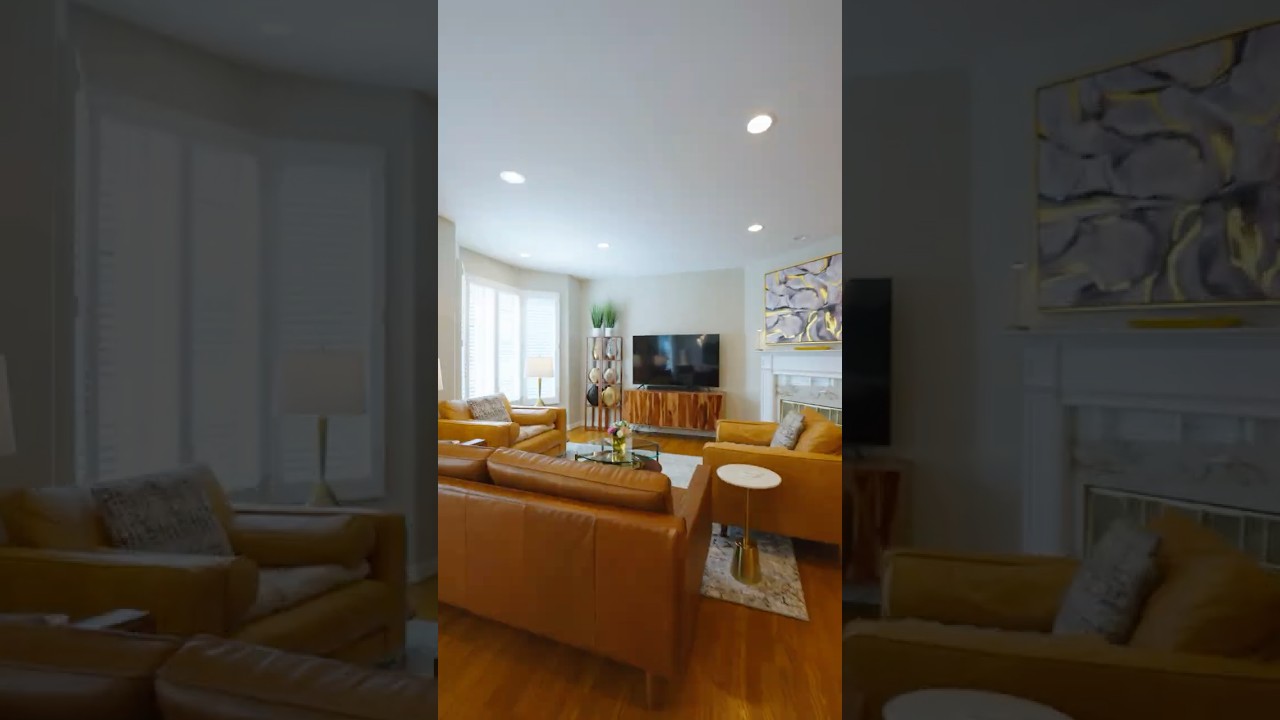
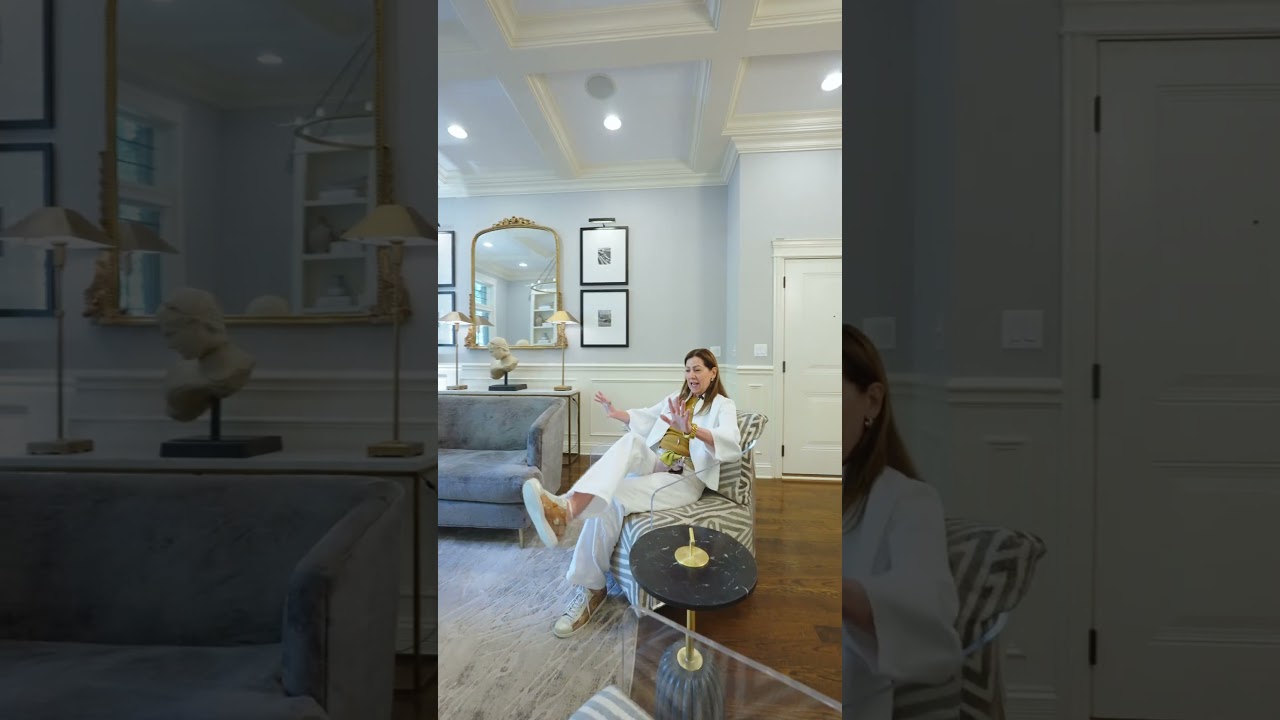
Interior designer Jennifer Boyd talks residential lighting with Debra Dobbs. They cover Kelvin temperatures, lumens, and why 3000K creates warmth in homes. Smart bulbs like Philips Hue let you match light across rooms and adjust for circadian rhythm.
Chapters
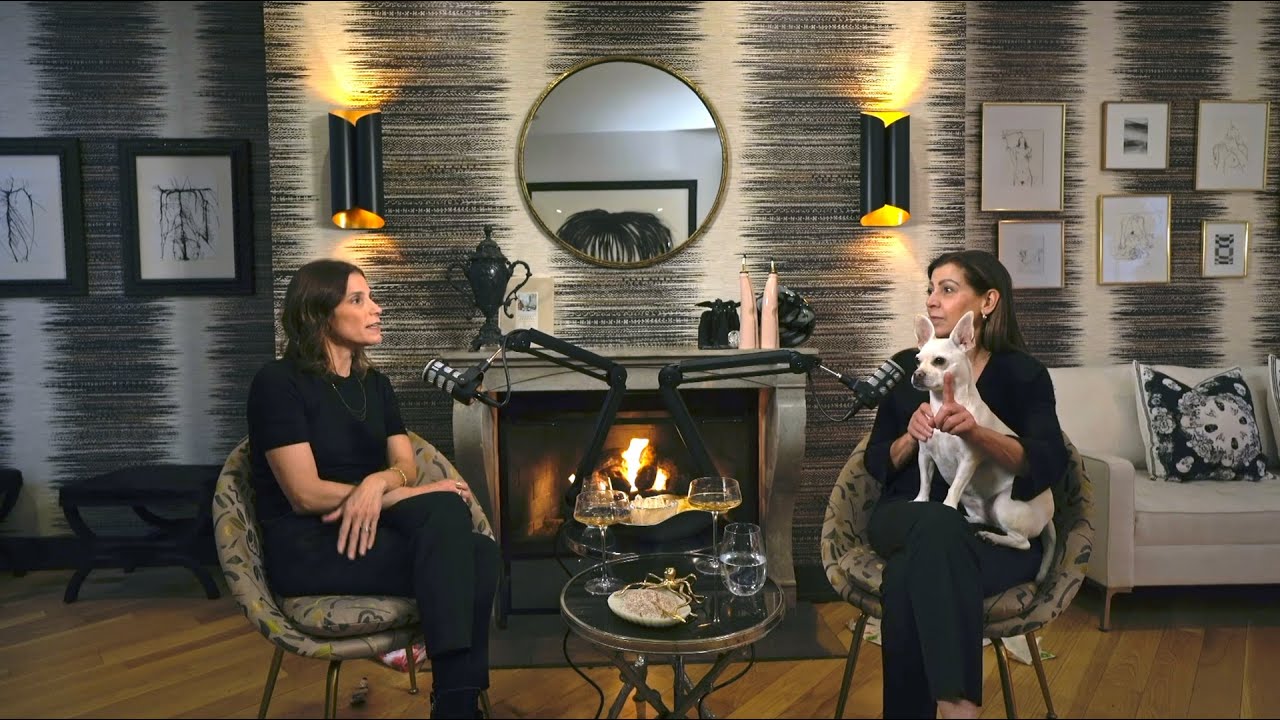
Hello, Debra Dobbs with The Dobbs Group. Still working on that name for the podcast, but I am here today with Jenn Boyd from The Band of Insiders, and we are here to talk about lighting. Very important because, you know, as I'm getting older, I want to make sure that the lighting on my podcast makes me look like so much younger. All right, Jenn, I was really kidding about that. Let's just talk about Kelvins and lumens and whatever. Take it away.
All right, so lighting in the home. You know, we all have made this really big transition over the last like 10 years to LEDs from, you know, incandescent lighting, even probably longer than that, but widely available probably over the last like 10, 15 years where the lighting has gotten more sophisticated. But, you know, it used to be where like if you used to dim LED lighting, it would get gray. Like now they actually like control the diodes. So it doesn't do that anymore. And the mix of light.
I have a question.
Yes.
What's a diode?
A diode is an individual, is an individual.
By the way, I'm really impressed that you know the answer to this question.
A diode is an individual bulb or lumen or basically like fiber in the LED lighting that gives it its light. So, Every LED bulb is made out of multiple diodes. And the way that we've been able to control color temperature, which is also known as the Kelvin temperature with a K.
Not to be confused with your Calvin Klein, by the way.
Calvin Klein. Anything by Calvin Klein. Kelvin with a K refers to lighting temperature. So, that is either the blue horrible lighting in some public bathroom that you step into versus like warm incandescent bulbs that we traditionally LA have had that nice warm glow. Um, and so the higher you get in Kelvin temperature, the cooler the temperature, so the more blue. The lower you get in Kelvin temperature, the more warm towards orange you go. So typically designers like a 3000 Kelvin temperature, um, to 2700, in that area. When you start to get any higher than 3000, it starts to lean a little blue, like fluorescent lighting starts to get, you know, towards those higher temperatures. Um, you know, daylight is up in like, you know, the, the 5,000s, um, and where you get that true blue temperature. So the lighting that we really like in our homes is around 3,000, 3,027.
By the way, I had my lights replaced, consulted Jen, and 3,000 Kelvin, and they're perfect.
And they're perfect. So one thing I think everybody could do to improve the lighting in their home is just literally look at the bulbs in your lamps, the lighting in your ceiling and your recessed cans, the lighting in your floor lamps, and all the lighting in your home, and try to have all the Kelvin temperatures match. Because sometimes, and often, I'll be walking, especially in Chicago where we have all these beautiful homes on the streets where, you know, people have their windows open and you could see into people's homes, and I'll literally be like, why can't that person just— I need to put a Post-it note on their door that they need to change their bulbs, because it's really unpleasant to be in that cool lighting. It just doesn't feel good.
Um, I have another question or suggestion to talk about. So there is task lighting, there's ambient lighting, there's mood lighting, and then there's— okay, you're in your kitchen, so that lighting may not match what you have in your living room or dining room or family room.
Correct. And this brings up a really good topic today, which is, um, you know, all about wellness in the home and the technology that's been developed and the research that's been done on lighting in the home and how it affects our, not only our mood, not only our moods, but our hormones. And the research that has been done is really about our circadian rhythm and how melatonin plays a role, which is, you know, a hormone in our bodies. And when we get tired and what kind of lighting we want we are ready for rest and what kind of lighting we want when we want to be productive and when we're performing. And there has been a lot of lighting research done and there are products now widely available of lighting that will actually change over the course of a day.
And as, as light bulbs?
As light bulbs or LEDs.
Really?
That the diodes that we discussed earlier change color temperature, Kelvins, and the temperature changes over the course of the day. So at in the evening hours, you know, when you start to wind down, that temperature of your lighting will actually change to be in sync with your circadian rhythm.
Wow.
And your release of melatonin. So there is a lot of research out there. We could have another very detailed podcast and I could bring in, you know, one of the lighting experts that I work with to talk about it in more detail. But I know Philips Hue has a product out there that you can go to their website and just like kind of read about it. But it's widely available now and it's really interesting. It could be, you know, programmed with your phone. It could be programmed in your whole house, low voltage systems that a lot of our clients have. But it's really, it's really about wellness and about like how lighting does actually play a role in our health. So it's interesting. Yeah. It's more than, it's more than just Kelvin temperature. But I really encourage everybody to make sure all their Kelvin temperatures match. It does. It's the minimal thing that we can do to kind of just feel better in our residences.
All right, well, yeah. Well, thank you for that. And I think we do need to, let's get the lighting expert to. Yeah. I could certainly use some help with like changing the mood in my house when I'm ready to go to bed. And then what we would love to hear from you, our audience, is What do you want to hear about? What do you want to talk about? What are your questions? What do you have an interest in? Like, send them our way. Debra@DebraDobbs.com.