The ‘One 4 Eight’ Rule That Took This Video Company from Chaos to Consistency
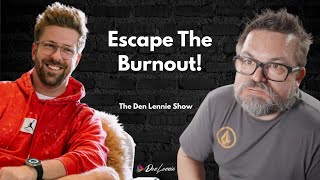
Matt Smolin built a five-person video production studio in Melbourne over 13 years. He uses a simple system: one in-person meeting per week, four total meetings, and eight quotes. This rhythm stabilized his monthly revenue and let him focus on what actually matters.
Chapters
Most videographers are winging it when it comes to their business. Stressed out, burnt out and wondering when and if this game ever gets easier. But what if one simple system could give you consistency, scale and even your life back? Today I sit down with Matt Smolin, founder of Balloon Tree Productions in Melbourne, who went from a solo freelancer to building a five person dream team, running a studio in a cool office in Melbourne and finally taking holidays without worrying the business would fall apart. He shares the exact system that changed everything and how you can do the same. Let's get into it. Well, Matt Smolin from Bloomtree Productions, really excited to have this story with you, this, this interview. I mean we've known each other probably four or five years, something like that. What I'd really love to, to learn from you is just a bit of a backstory, you know, how did you get started in this industry and how did you end up running a business?
So I've been running Balloon Tree Productions in Melbourne for almost 13 years now and it really started almost accidentally. So I grew up in the country in a little town called Ballarat. My school, I did drama and theater but they didn't offer media or anything like that. So my, my first sort of exposure to creating or even sort of storytelling was through, through drama and theater. But I always made some short films and stuff with, with friends and then housemates when I moved out and so had kind of a, like a natural storytelling language picked up from watching movies, watching TV and then sort of replicating it. I then moved to Melbourne and started a, just an arts course doing film and some other bits and pieces, Dr. As well and found that that really gave me like the theory side of it that I could go, I understand shot composition and why going wide to mid to close up and sort of brings people into the story like how that works and could actually still execute that because I knew that just through, through replicating and reproducing stuff myself. So then I just, I decided to pivot majored in that. So I did film and digital media as a, as a bachelor degree, but at the same time started working for a real estate video company. So a friend of mine, his sister dated a guy who started I think, blah, blah, blah, blah, but basically they're like we need a guy to shoot auctions on a weekend and maybe a property tour during the week. So I kind of then got that sort of kickstart into what business in video looked like while studying. So just saw firsthand like all right, tight turnarounds, ridiculous budgets, like You've got to make things to the same quality. No matter what the quality of the house looks like or the auction or whatever, you've still got to deliver a product for a cost and all that sorts of things. And so when I graduated I just went full time with them and got a really kind of kick started video production career where I was just, you know, I think I was 20 at the time, maybe, maybe 19 and was just like, I'm really keen, teach me everything, I'll absorb anything, I'll produce stuff, I'll do whatever you want. And just, just learnt and absorbed everything as possible. That on the side of that I started getting some interest in freelance gigs. So from people that saw what I was doing or knew I was doing some video stuff, oh, can you come and shoot this thing for me? Or I' a conference coming up and I need some videos cut from that. Can you come shoot that? And so August 20, 2011, I got the biggest job of my life which at the time was like a week long conference, very simple shoot and was probably going to take me three or four weeks to edit the whole thing. And I was like I'm going to quit my job freelance full time and just see what happens. And yeah, that was 13 years ago now and I haven't looked back. So it was definitely like I saw freelancing as this opportunity to make more money doing less work. But as the journey's gone on and my careers progressed and the business has grown, I've really found the reward in growing something that can support myself, support my family and now support a team, but also supports the clients we get to work with as well. Like I think as a service video is communications and it helps people communicate something really important. Maybe it's, it's you know, clinical information or some excellent, you know, benefits for employees or it might be something really silly and goofy but it creates levity and potentially empathy and stuff. So that communication tool, we, we provide that to people and do it in a way that's really, really satisfying. And so that's kind of where my, my business journey's gone from is that practitioner on the tools every day to now kind of, I don't want to sound bigger than my britches but like sort of puppet master, overlord of the company that can kind of guide the hand and the direction of everything we're doing.
So let's just fast forward to now. Tell me about what Bloom Tree looks like today in 2024. You've literally just moved, moved into a fancy new office Which I think when I talk to freelancers at the very beginning of the journey, oftentimes their dream is, well, you know, maybe in a few years time have, have a nice office, maybe a studio and maybe three or four team in a cool creative space. You've achieved that. That's, that's the dream for many that you've achieved. So talk to me what Balloon Tree looks like today. Talk to me about the team, the structure, how things work and what you guys do for your clients.
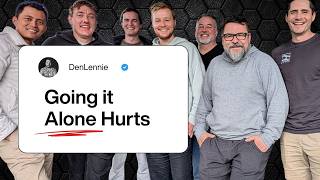
Yeah, so we're a team of five, myself included. And we're, we're very clearly like, I guess, individual roles that are all very complimentary. So I'm creative director for the sort of easiest term of that. And I manage all of the sales and the clients and the inqu that come through the door and any new business as well as, I guess help maintain the creative direction of whatever it is we're producing. And we've got Chase, who's our production manager. She runs the day to day operations and the sort of logistics of anything that's happening. Ben's our director of photography. Pretty obvious what that is. He's our shooter, he shoots everything. Rob's our editor who handles all of the post production. And then we've got Magi, who's our, we call him a content whiz, but he's our part timer who does a bit of everything. So he shoots, he edits, he helps with creative ideation, production assisting. So he's a, he's a bit of an all rounder. And I think what it does is it, it gives us this really solid team where everybody's got a very clearly defined role, but we also know how each other work and now have that relationship together where it's just really, really complimentary. Like I know I can handball something over to Ben to plan out the look and feel and the storyboards and the shot list and the schedule. And then Chase can organize that schedule with him and then come back to me and I can be like, yep, cool. And they also want to achieve this in that day. And just the three of us can kind of collaborate in a really clean and effective way that, you know, without a team like that, I just, I'd be running ragged and trying to do everything myself. So, so I guess that's, that's Balloon Tree in a nutshell. And then where we are, we, we have a podcast studio. So we, we run podcast bookings in here. We produce stuff or it's a dry hire space, but it's also a really Great. I guess early in the content creation process for a client like podcasting's pretty accessible and really easy and it gives us a great opportunity to start building a relationship with clients. But the large majority of what we do is video production and creative video production at that. So we do all sorts of work in the corporate space and training and learning and development and marketing. But our kind of, I guess niche or our specialty is taking something really boring and going, how do we turn this on its head? How do we reposition this in a way that's fun and interesting and unique and really push for that and be champions of the strange and unique idea? So you know what would usually be like, yep, get a camera in, piece to camera, a bit of overlay, see you later. We'll challenge that brief from the get go and be like, right, where's this going? Who are we talking to? What's some assumed knowledge? How can we play against the type? What are the expectations of the audience watching this and how can we subvert that and really surprise and delight them? And I think that's, it's, it's sort of hard to pin down exactly what that is, but it's, it's really now our special source. It's what our clients keep coming back to us for because we're known as the fun, humorous wonder creators and not just, oh, it's the video guys. Get them in to do something.
Yeah, yeah. So when we talk about niching, you don't niche into a specific industry or sector. Your niche, I guess is the style. I mean, how, how, how do you, when I say the word niche, what do you, what do you, what do you feel see here with that in relationship to Balloon Tree.
Yeah, I mean initially, like when we first met and started talking about it, I got a little bit prickly about it because I don't, I don't know what we niche in. Like maybe it's like retail, maybe it's that sort of like customer facing retail service thing. But, but really? Yeah, it's. You're spot on. It's. We are a stylistic or an approach niche in that. I think it's, it's what you, you know, the better way to sort of frame it, I guess is that unique selling proposition or usp.
Right.
Like we, we do video much like every other video production company in Melbourne, in Australia, in the world. But you come to us because you want this specific approach. It's the way we think about it that's completely different to anybody else. And so by really doubling down on that as a style and the way we conduct ourselves in both physical, you know, in person meetings and on set, through to emails, through the phone calls. Like all of that needs to up set, speak to the way we do it. It's not stuffy, uptight, suit and tie kind of stuff. It's like, what's going on? Here's a meme, here's a funny YouTube video, like, let's have a chat. It's just like all of that has to encapsulate the vibe of working with us because you want that whole experience to be memorable and, and the end product to match up with that experience as well. So yeah, it's, it's funny. Like it's not the kind of typical definition of a niche, but it's definitely something that we've really focused in on and found a sweet spot in. Our clients really respond well to it. It also means that as a team, the culture here and the way we feel about the work we're doing is always really high because we're constantly pushing to do something interesting and creative and not just going cool. There's another simple video through the door. It's just a really nice way of funneling all of the work we want to do into a really focused pipeline to make sure that the work we're delivering lines up to that. But also we know that, you know, we're going to be doing work we love doing.
Yeah, the whole notion of niching. A lot of videographers get very confused by the word niching and they see it as, oh my goodness, if I only niche in this one place, I can't do anything else. And I think there's a major misunderstanding of what niching means. And really it's about who you target as customers and the voice that you use to communicate with them. And I've watched your journey over a number of years and I've seen you lean more and more into that balloon tree esque flavor. Can you talk a little bit about how that has impacted the way in which you spread your message? Go out to the market, that horrible word that everyone hates. Marketing. But how do you put the right message in front of the right people, the right time?
Look, it's the eternal question. So I'll be the first to put my hand up and say I don't have the perfect solution. But what I found works really well is just leaning so hard into that. It's, you know, you're not going to be for everybody, so don't try and appeal to everybody. So our main marketing channel is LinkedIn, and it's through outreach and connecting with people in those conversations, it's very easy for me to be like, hey, this is my vibe and this is how I am, and keep that very consistent. But, you know, for the most part, people connect and then aren't ready to buy or just sort of happy to just stay connected and not engage that way. So what content can we put out that gives that sense or that idea of we're really good at what we do? But also the vibe's really high, the team's awesome. It's what a cool space they work in. Like, all of that. How do we put that in front of people in a way that feels consistent and authentic? So the stuff we produce for LinkedIn is very much that. And it's trying to match a one to one. If I met you on the street and we met for a coffee and had a job together, that same experience you should have watching my stuff, like, you should know who I am and who the team are through that. By extension, the balloon tree socials, we're beginning to ramp up now as well. And we're really. We're really leaning into some of that absolute chaos energy. And it's like, that's not going to be for everybody. But we also don't want to attract the. The really conservative brands that don't want to do anything fun, because that's not us. So what it does is, it's twofold. It means that what you're putting out there's really authentic to us and to the way we go about things. But also it means that the people that don't align with that bounce off it and don't even start the process of trying to understand if they can work with us because we're not for them. And so it sounds like you are pushing people away, but it's not in a bad way. You're getting through the nose without having to deal with the, let's jump on a call, let's find out what you want to do. Okay, cool. We're not for us. You sort of just giving that. That space to them because all of that stuff you're putting out there is saying, this is not what I'm about. So the ones that do come through are warmed up by all of that marketing material. They're warmed up by the LinkedIn posts. I've got a YouTube channel that's even more me and less kind of balloon tree, but it's much more about my own personal, creative inspirations or ideas or thinkings and if people really like that, they should like working with me, they should like working with our team. So all of it just kind of feeds back into that same ecosystem that if people like it, then they're going to be really strong, brand aligned to us. And if not, then that's cool. We're happy with that. And you can, you can go and find somebody else to do your work because they'll be a better fit for them anyway.
Yeah, that's awesome. I want to go back a little bit now. I mean, I've had the great pleasure of knowing you for probably four or five years now. Something like that.
Yeah.
And I've seen your journey grow enormously. I've seen you go through a complete team change. I've been partly observing you growing a family. I wasn't there to watch the actual growing of the family. I'm grateful for that. But you've gone from a single man. Well, you've always been with Claire in the time I've known you, but two of you, no kids, to having kids and a complete change of team. And I think when. When videographers who are starting out in the journey or in that freelance space where Perhaps you were 10, 11 years.
Ago.
And they see your story now, to the outside viewer, Matt's made it. Married, beautiful wife, two kids, business team of five, studio makes cool stuff. And with hindsight, of course, there's tons of lessons. But I wonder if we can just sort of go back and think, perhaps from the context of what would you tell younger Matt about the journey and what to expect and where did you get stuck and how did you overcome getting stuck? How did you come unstuck?
Yeah, I mean, like, God, I tell my younger self so many things. I was reflecting on this quite a lot recently because of the office move. And it's that sort of thing of like, you finally get the opportunity to unearth everything you own or you have in possession of a business and move it somewhere else. And it kind of goes, oh, thing. Oh, that thing. I wanna. And it's like, yeah, like I've been doing this for so long and the, the one thing I've held really, really strongly to, but I haven't even realized it, is that I've always put people first. And I think if I knew that back when I started, I would have probably jumped through the sort of growing and scaling and teething issues a lot quicker. Because as it was growing, it was like people came to me, it was like, hey, Matt's really good at video. Hey, Matt's, really good at this. Let's talk to Mat. And then as you get busier, the. It's your business and you're growing it, and it's so inherently linked to your own sort of sense of identity as well that it becomes really hard that as you start maybe bringing in editors or bringing in a producer or a production manager, and it just by necessity has to start involving other people. The desire to keep a firm grip on everything and sort of look after it and sign off on everything is real. Right? Like we, we are so invested in this because it's our business that nobody else will ever match that. But in order to grow, like, you just, you literally cannot keep. Keep your hand on everything. Now, that's not to say that you shouldn't have oversight as you get bigger, but it's, it's that sense of needing to have control over everything that plays really against my, my feeling now, which is like, it's, it's all about people and empowering people to, to take ownership and responsibility throughout that process. So as you mentioned before, like, I had a. Through the pandemic, everybody moved on and had other opportunities come up. And so that gave me that kind of, I guess, clean slate to go. How do I want to set this team up and what does phase, whatever it is four of balloon tree look like? And it really made me go, I want to bring people in that are, that are career driven, that want to see progress in what they do. But in order to do that, I have to give them autonomy and responsibility over what they're doing. So I, I don't think I've ever said this to the first, early parts of the team, but, like, I absolutely was a micromanager and control freak and looking after everything with a sort of tight grip on what's going on. But now looking back at it, that's not the way to lead people. You want to go, hey, here's an opportunity. What do you want to do? Seize it how you want to seize it. Come with your own viewpoint and opportunity and ideas for it and grow it beyond whatever I could bring to the table, because that's how it, how it scales. So the biggest lesson would be, like, let people in, give them some opportunity and really just like, put people first, whether it's staff or even clients. Right. Like, I think I was talking to some other guys earlier this morning about, you know, how do you try and build your network and sort of get some more business from your existing client base? And it's like the people you can ask Your dream clients for referrals and for recommendations to other people. But it's not from that company. It's from that person. So if I go, hey, Den, I love working with you, can you refer me to somebody else you think might really benefit from what I do? It's down to you and our relationship that's going to echo beyond that. And if it becomes transactional and it's just like, hey, Den, I only see you for work stuff and that's it, then, sure, it can be very amicable. But if I want to really, you know, nurture our relationship and grow the work we do and how intensely we work together, then I need to be like, hey, Dan, happy birthday. Hey, Dennis. So it was your. Your anniversary on the weekend. Here's a bunch of flowers for, you know, the thing, like, whatever it is, right? You. You put people first. And it's something that I think easily gets overlooked in the starting phase because you're just like, I need to produce videos and sell and make videos. And that's kind of the driver where, you know, if people don't have a good experience working for you or working with you, the whole thing's kind of a moot point at that stage.
And at what point in your. Did your career growing a business, did you start thinking that maybe you needed some assistance? Some external help? And can you remember how we connected and how that all started in terms of, you know, getting a coach and working with a coach? I'd love to hear that story, because I'm always curious, because we've known each other so long, then we've now got this relationship where we would literally, you know, if you're up here on holiday, we'll hang out.
Yeah.
You know, the friendship develops as a result of doing business. And actually, a lot of my friendships are through doing business, and I love that way of connecting with people. But, yeah, can you take me back to, you know, pre vba what were you doing? Where would. Where would the. Where were you feeling the pension? What help were you looking for?
Yeah, I think I was a listener of the podcast, which is how I got introduced to you. And I think through the years of 5Ds and all of that sort of stuff, I was aware of what you'd done. And so when the podcast came across my sort of radar, I was like, oh, cool, I'll have a listen to this. It really speaks clearly to me. I've always been one that's very sort of like, gung ho, and we'll just jump into anything So I never really asked for advice or help. I kind of went like, I don't know how to do this. Let's just it a crack and see what happens. And I think when I eventually reached out, it was at a point where I'd felt like I'd gotten only so far knowing nothing about running a business. It was that. That practitioner who got busier because I was good at what I did, I brought some people in to help me because I was too busy to do it all myself. And it got to a point where I'm like, I think I run a business now as opposed to I'm a video guy. And so was this that, like, how do I. What do I do next? How do I. How do I manage this? How do I grow it? How do I keep this level of income consistent? How do I deal with team as well as the creative and the. The execution of actual products? And so, yeah, it was just kind of one of those points where I think, like, I listened to a couple of episodes of the podcast and was like, this feels like the. The kind of conversation that I'm not having and that. That dealing with somebody would be a great opportunity to sort of ask those questions firsthand and get some real direct advice. And so I think I reached out and you offered a spot at one of the masterminds, like a free day, and just said, hey, come along. We're doing this in Melbourne. And I think after sort of getting a sense of every conversation that was happening in the room, the people that were there, I was like, count me in. Like, this is the conversation that happened was at a different level to what I was having. And, like, my peers were freelancers or people that would be. I could hire to use on productions, but I never had other business owners that were dealing with staff levels or whatever it was, right? And so that all of a sudden, being introduced to that community and sort of guided by you, but having a bunch of other video production companies to be like, how do you guys, you know, quote proposals? Or how do you guys deal with, you know, overdue whatever it is, right? It just became the conversation happened at a higher level. And so we've worked together for a number of years, but I took a break in the middle as well, because over the course of. I think it was about nine months we'd spent together originally, the one thing I kept hearing was, systemize your business. Systemize, systemize, systemize. You need systems. It needs to be repeatable. And I was just like, you know what? I got to step away and sort this out. Like I'm continuing on this journey and I've just got to do the work and actually implement this. And so I did that and then the world changed. I became a dad and the team thing changed. And I knew that when I had this sort of outlook going, I don't know how I go forward from here. Instantly I was like coaching community support, that's the place to go. Because I think, you know, I'm probably not alone in saying that a lot of videographers are very gung ho and very sort of headstrong and go, I know how to do this and I've gotten to this point by myself, I don't need help. I. But at the same time, like it's such a closed off way of thinking because just kind of go back on what I was just saying about like putting people first. There's all these other ideas and perspectives and opinions that you don't necessarily have to agree with. But if you're just closed off to completely, there's no way of seeing outside your own little box and experience. So, you know, coming back to the vba, I was like, I know that this group and you and the other members of the group challenge me on the way I think about things. If there's a problem or a question I ask, it's not even necessarily about that problem. It's something else to do with mindset or something else to do with, you know, biases or, you know, something else that I haven't quite allowed myself to think. But knowing that I'm in a space that I can offer that question up, be vulnerable enough to have those conversations and those opinions and stuff be brought in and then know that there's a safe space to work through that and help develop it is like it's invaluable. And we, we often joke that it's a bit of a, you know, it's a men's shed or kind of like little psych session. But in a lot of ways it is because we don't have a space or other people that really understand what we're going through outside of the vba. It's like our partners get it to some level, but they've got their own things going on and don't necessarily run businesses. Where else are you going to find a group of other people that go, I understand the ins and outs, the pains of running a video production company that you can just talk to, understand and share experiences and knowledge and really outsource or crowdsource some solutions or some new ways of thinking about your problems. So it was a. It was serendipitous that you came across my radar initially, but I'm so glad it did. And I think speaks volumes to the value of it that I came back after leaving because, you know, I could have gone elsewhere, I could have looked for other things, but I was like, no, this group is. Is the place where these. These conversations and then this information lies.
I think one of the other. The other elements. And I remember this distinctly the day that you said, you want to take a break? And I was, I was pretty disappointed. I was. I was, you know, I was upset because I was like, ah, there's so much work still to do here. And, But. But it was cool because, like, you know, I respected your decision. But throughout that entire process, we remained in touch, we remain friendly. I'd check in on you, especially during COVID Hey, how's it all going? And I think that, that. That talks to your earlier point about relationship is like, my relationship with. Was. Was with you, Matt, not the owner of Balloon Tree. And. And that relationship has now grown into a friendship. And it's. It's much more than business, which. Which is a lovely. A lovely bonus. But I'd love to talk a bit more about this notion of community because, you know, there's a lot of communities around that have a lot of freelancers or have a lot of crew, and I've observed conversations in those groups and, And. And I've. I've always avoided offering any guidance in those groups because there's a really large skeptical element to that freelance mindset, which is, oh, he's only in here trying to. Trying to get some clients. So I tend to. I learned this a long time ago. If you don't want to be involved in a conversation, don't get involved in the conversation. You know, And I think social media particularly often has a lot of strong opinions about what rate should be charged and what. What clients should be paying and how. You know, there's a lot of. I think a lot of people that are quite bruised as a creative feeling, like they're. If someone wants to hire them at a lower rate than they believe they're worth, that they're somehow condemning them as a creative person. I think there's a lot of emotion in those groups. I'm sure you've had experience in those kind of conversations. How do you. What's your impression of, you know, that word community? And what is the difference between, you know, a free community on a social media platform that has a lot of your peer grouping and something that is a service that you invest in and you pay to be part of. I'd love to hear your experience of both those groups and what you deduce as being beneficial and, and really just what is your view on being in the right community?
Yeah, I think, you know, the free social groups, like on Facebook or whatever, they have their place, right? And they do offer some value, but it is a, I sort of liken it to like Gumtree or Facebook Marketplace versus eBay, right, where it's like you try and post a item for sale on Facebook Marketplace and everybody's just trying to drive you down on price. There's scams, it's, my brother's going to pick it up and cousin will PayPal you the thing. And it's just like, it's just gets real messy and it's. The quality of that conversation or sale is really, really hard to qualify, I guess. Whereas, you know, a more premium place or a place designed around having a good customer service like ebay, makes sense. Right? So in this metaphor, those groups are great, but it is also, you're kind of getting lowest common denominator conversation of like, hey, I need to charge this or maybe I need some crew. But the level of conversation won't go beyond that sort of surface level thing. Where I found like strength in the VBA and communities that are much more focused and I guess curated is that there's an intention behind the people involved, but also there's an intention behind the people to contribute in a really meaningful way. And I think that there's like a really, it's. I don't know how you've done it then, but there's the way of attracting the right kind of businesses to the, to the groups to have those conversations to show up and be open and vulnerable and share stuff that in any other circumstance those free groups would point the finger and be like, ah, he's going to try and steal your clients. Like, there's, there's none of that. I am incredibly good mates with a bunch of guys that run video production companies in Melbourne who on paper are my direct competitors. Yet I will tell them how we price stuff, how we send proposals out, is here's my message tree that I send out on LinkedIn to cold connections, like, here's the keys to the kingdom, guys, let's have a chat about it. And I just. You couldn't do that in another environment. So that community is just so, so rich and strong and giving and it gives and Takes both ways. Right? So I can go to the group and say, hey, here's a big problem. And expect to see 10, 15, 20 different responses come in that are all, have you tried this? Have you tried that? And it's not even just locals, it's guys from the States, guys from the UK and businesses from all over the world. And it's just, it's those experiences and conversations are not really accessible anywhere else. I also think too that it's, it's one of those things where I get a lot of value in, in helping people too and supporting other businesses, that if I go, hey, I've had an experience and I see you're struggling with that. Here's my experience, thoughts and experience with that and here's how I dealt with it or how I addressed it. And it's, you can give value. You also get to have those moments of reflection and really refine how you think about stuff as well. Not just in the points where you're getting feedback or some support, but actually giving that support as well. And it's a testament to the environment and the community that you've developed then, because it's a really special place to kind of contribute and be a part of.
Yeah, you know, it comes down to culture, doesn't it? We've always, I mean, the VBA is a business, of course, you know, we trade, you know, with videographers, look to grow businesses. That's our business model. We are a coaching company, education company. But I, but I've always, and I've spent $300,000 on my own education with various mentors around the world. And, and when you do that, you have an opportunity to see how you like to do things and how things are done. And you take, I think, bits from everywhere. And it may not have been the short term, commercially most lucrative thing to do to be as discerning as we are in the vba. But when I look at the members who've been as three, four, five years and have no intention of leaving anytime soon, I think the value is truly in demonstrating discernment in, in who you attract into your business. And I think that that, that relays back to every business owner because we get to choose who we do business with. And I think a lot of, a lot of business advice is just get clients, take everyone, you know, do a deal at every level and just keep busy. But we've always fostered a greater sense of connection, a greater sense of community, greater sense of meaning to the work that we do. And as a result like attracts. Like. We attract businesses that fulfill that. And you have been in the VBA long enough to see people come and go. And when people come in and they're not open to that level of intimacy in regards opening up what's really going on, they tend not to stay because the environment is one of where we do open up and share. But it's on the basis that we're trying to always get to the root of the problem and rebuild ourselves to become another version of ourselves in order to serve our clients better. Because I believe if there's an equation, it's really very simple, is really care about your client's success. Don't just say it, but feel it. And I think when you do that, I always enjoyed connecting with you outside the vba. It wasn't like, well, you're not paying anymore, therefore we're not gonna have a conversation. I always liked you. You took some time out. But what was interesting is when you came back, you were like, I've been thinking about this for a while, and what was great was we had a level of foundation there and we've built on since. So he might seem like a really crazy question, but why do you continue to stay in the vba? Because there's an investment in financial terms, there's an investment in time terms. But I think if someone's watching this or reading this, it's like, are you not crazy? I mean, have you not learned at all? Surely, like, this coaching can't be very good if. If you know you haven't. If you're still in it for five years later, like, why. Why would you stay? Like, what. What's the point?
Look, it's. It's an awesome question because it is, you know, on the surface, you go, yeah, this. Why? Why are you still here? And it really comes down to the. The community and just, just. It's the idea of everybody's got your back, right? My business is at a point now where I'm like, it's. It's all new. It's all uncharted territory. It's the biggest it's ever been. And to get any bigger, I've never done it beyond here. So why. Why would I get rid of a safety net or a support system that's gotten me to this point? If I'm going to go further than that, that. It's like, you know, and you could go, well, yeah, maybe you've learned everything and it's got near this point, will it get you any further? You have those arguments, the cows Come home. But just for my own peace of mind, I can come to the group, come to you, and say, here's what I'm dealing with. Here's a problem. What does everybody think? And it just, it challenges the way I think about things. I get inspiration from the smaller businesses all the way through to guys doing, you know, millions dollar plus every year and everything in between because it's all business and it's all, you know, it's constantly moving and shifting and the way somebody does it over here is very different to the way somebody else does it over here. And like I've sort of been saying all through this is if I close myself off to that stuff, I don't know what I'm missing out on and never going to experience what that could do for me. So I stick around because those conversations and those, those thought provoking conversations are hugely, hugely valuable. I also feel, you know, like I have a really strong investment in contributing to the group as well. And I get a lot of personal satisfaction from that too. So I get to see guys and businesses that I've, I've known from smaller stages grow to bringing on team and managing, you know, bigger expectations. And I get a lot of personal satisfaction from helping to support that. And then you also get reminded of the teething issues of going from one person to two or three and how to avoid those pitfalls that I can then apply to my team of five and sort of reiterate those learnings to myself again. So it is one of those things that just like it is such a wonderful resource that has gotten me this far that maybe, yes, I've done all of the learning, but the actual learning of working in this business day to day and seeing what challenges get thrown up. I would not want to forgo the support that the VBA offers because it is such a comforting feeling to know that if I have any challenges or any issues, I've got this wealth of opportunity and experience to find a solution.
That's amazing. I'd love to talk a bit about some of the practical things. I think people are always interested in that. Well, that's all great, Matt, all sounds really flowery, but you had a fairly major breakthrough. I think it was about this time last year. You implemented a system which on the surface seems so crazy, silly, simple that all these creative people would be like that. That just doesn't make any sense. How can that possibly have the impact it's had? And I think you know what I'm talking about here. But I'd love you to share a bit about that system that's got you to be consistent and what the impact of that has been, but also any other significant shifts in your mindset or process that has seen you have a major impact in the business and potentially seen growth, either revenue, financial or in other ways.
Yeah. So the system you're referring to, if I hope I'm thinking of the same thing, is what we deemed 148 and it's now 2, 4, 8. But basically it was one in person meeting a week, four meetings at least, whether virtual or in person for the week, and eight quotes sent out. Simple, simple metric. As you said on the surface that you go, how is that going to create any sort of level of consistency? But what it did was sort of discovering that I realized that my best work or my best skill set was getting in a room with somebody and having a conversation. I could move a deal or a conversation or a project along further if I sat down across the table from somebody else and had a conversation. So putting one of those a week as a, like, you've got to get out there and shake hands with one person in, in the flesh every single week, meant that I was pushing for that constantly. And so maybe there'd be weeks that I'd do two or three of those, maybe there'd be a week where I'd do none of those. But what it did do was create an intention behind the work I was doing to get to those meetings. So over time, like I've said, I've been running this company for about 13 years. Not once in the past 12 had I had a really consistent year month to month to month. And in the last year, 12 to almost 18 months now, we've been really, really consistent revenue every single month. Which, you know, back in the day, I'd look at it and be like, oh, we'd have a really busy month and then be quiet. So the sort of ups and downs that they all even out. But when you're a business of our size with five staff, rent, overheads, expenses, plus a family to look after, like that inconsistency becomes really, really difficult to ride. And so that, yep, we're hitting this every single month and our bills are paid and this is coming in, it's like it can't, I can't describe how comforting it is knowing that that's there. And it's driven by. Every day I sit down and go, right, how am I going to move the needle on getting in front of somebody today or in front of two people this week and that's it. It's as simple as that. It's like that drives every bit of activity that I do. It's like if I'm having a conversation, try and push them to a meeting. If that meeting's going to happen, hey, I'm going to be around the corner from you, you know, tomorrow. Do you want to do it in person? Like, that's all my brain space is thinking about. Because If I hit 148248, I know that the revenue will come because of how I deal with those conversations and conversions and stuff off the back of it. So that's been the biggest mindset shift, is just sort of simplifying it into really small actions to take every day or every week. But I guess the other one, the other sort of thing I put down to getting to a stage where I'm at now is back to that people thing. And when I hired the team that we have today, most of them, I think we've all been together for just over two years now. So really consistent from a team point of view as well. But getting to a stage where I'm like, you know what you are in your role and I'm going to invest in you in this role, taking ownership over this, here's everything, and do what you need to do, bring to it what you want to bring to it. And I'm here to help and support. That meant that I just wasn't dealing with all of that stuff day to day and I could focus on what I needed to do, which was get in front of people and have conversations. And so just by stepping away and giving the space to the team to do what they're amazing at meant that my time freed up to do more of that higher value task work. And so, you know, it's hard to get to that point. It's hard to take the first step of hiring somebody and bringing somebody else in. And there's never a perfect time. I remember the first time I was like, I think I need to hire an editor, I think I need to hire a producer. It's terrifying. Like all of a sudden you're bringing in somebody else's wage or even if they're a contract based, like it's, it's money out of the job that used to just be able to pocket yourself. But what it does is if you, if you consider where you want it to go, do you want to have more time? Do you not want to be shooting all day, editing all night and busting your ass, you know, seven days A week because there's just work coming out the walls? Or do you want to have a business that sets you up for a really balanced lifestyle that can support you and your family, but potentially a bunch of other families as well, then bringing other people in, giving them the support and opportunity to really excel in that and then genuinely believe in that and honor that and not just say, yep, I believe in your career advancement and do nothing. You then get to see the rewards of that payoff. So now I'm like, I've got two young boys, I can leave early, I can take a day off here and there. And the team just runs because they know what they're doing. I can completely trust them. We're catching up for a week in a couple of weeks and like I'll be out of the state and probably off emails and stuff for a week. No stress whatsoever that the business is going to continue running because the team have my complete and utter trust and faith that they will do what needs to be done and they trust in me that if I take time off here and there, I'm still feeding the funnel of all of the work that needs to come in to keep the lights on, the bills paid and all of that. So yeah, it's a really nice position to be in, in that consistency, but it's absolutely not taken for granted. It's every day right in front of me, focus on what I've got to do to move the needle, but it's not looking at it like, oh God, we're going to make all this money this month. It's like I've got to get one in person meeting this week and the rest follows off the back of that.
Yeah. And I remember it was a particular meeting where we called you out on your 148. It's like, hey, this is all great Matt, but you've been doing this for nine months now, kind of getting comfortable. And the one suggestion we made as a collective was how about you just increase the two, the in person meetings to two a week.
Yeah.
And I know and I know that doesn't happen every week, but has that had an impact on revenue? Is that started to impact the bottom line? How's that shaping up?
Yeah, I think it's hard to exactly go, yes, we've made an extra five grand, ten grand a month here and there. But it's just from a mindset point of view, like it's just that extra step to drive me to chase more. I think, you know there's a real. You use the Word perfectly comfortability, where you just go, I did my one in person meeting this week, the rest on zoom and not worry about it. Whereas if you're like now you've got to try and get in front of somebody every single week, twice, all of a sudden it's like, don't just rest on your laurels, like get out there and move the needle. And so especially given that a lot of my time when there's not project based stuff or in kind of talks and pitching things is cold outreach and conversations, it just means that it's so much more front of mind to get in front of people to go. That's my superpower is being across from somebody in the room and having that interpersonal connection that I think virtual meetings are great and they work really, really well. But, but just it's that little special source of meeting them in person, having that sort of body language translates. It's the, it's the conversation, it's the way you might even, you know, open a door as you leave, go, I'll let you out first or buy them the coffee. It's just all those little 1 percenters that I think really add up to the way I can move forward a conversation and a project that if I don't do that, I run the risk of making less money as a business and therefore having to, you know, make some concessions somewhere along the line, which I don't want to do because everybody and everything we've got to do costs a lot of money. So I want to keep the machine ticking along. So yeah, it was, it was, it felt so simple when you went, just turn that one into a two. But it's, it's been a complete mindset shift again and yeah, it's been really good.
I'm really curious to ask you this question, so I'd love to know what Claire has commented on your wife in the time you've been on this journey, both prior to working in the VBA and then now. What has she noticed about you? What has she commented on in that journey? Because our wives, our partners, often see the true us. There's not much you can hide from your wife when you've been together a long time. But I know also that, that when I'm not in a coaching program, my wife's like, you, you going to try to mastermind again? Because she gets tired of hearing me naturally vent about every aspect of the business. But yeah, I'd love to, to hear what, what, what, what kind of things she comments on and what, and what, what you notice about things.
She says that's a. I love that question. Well, Claire and I have been together longer than I've been running the business, so a really long time. Let's. It's actually our anniversary tomorrow, so there you go. Hello, honey, if you're watching this, whenever you're watching this. But yeah, it's. She has seen me go from young whippersnipper with bright eyed, bushy tail through to like the harrowing depths of pandemic demise and everything in between. And I think the thing she sort of commented on, especially when I first reached out, it was like that was the next step. And I'd never taken as intentional a next step as that. It was. Maybe it was like getting an office or, or something like that, but it was like this felt like a big deal, like investing in yourself to grow a, to scale a business. Felt like a real admission of going, this is an opportunity for us to kind of go, go next level. And I think from that day on like she, You've met her a couple of times and it's. She's always been so thankful to you, I think. But because of just, I think the way it's allowed me to open up and really be vulnerable and open to growing it in a way that I would have been closed off to before. I, I think she's, she's really good at, at calling out my. And I think that had I not started, you know, coaching in any form, we probably would have had a conversation three or four years ago where she's like, you just keep complaining about this not going anywhere or being any different and you're not doing anything about it. Why not? Why not? And with maybe a couple of other Fs and Cs in there, but she, she'd be pretty frustrated because it just. I would have hit a barrier that I couldn't go past, but just by myself. And I think now, right, like we're seeing each other soon as we're doing a bit more work together. It's that like I, I think this community has really tapped into that, that desire to learn and to grow and to really encourage that. That curiosity. It's something that as a couple and as a family we really value is curiosity. Right. Like we've got young kids, we don't want to sort. There's too much too hard to. Whatever. It's like it's all about, well, this is a curious idea. Let's pursue this and just explore it. And I think what you've done for, for me and my Business is create that curiosity and openness to, to the other. And I think she's, she's probably remarked on that the most is that I come back from, from coaching calls or from events just so supercharged with like enthusiasm and momentum and ideas that she's almost like, okay, if you just go away and like, deal with that for a couple of days and come back when you. To planet Earth.
Yeah. Ah, it's really cool. It's great. I love, I love that question because, like, do you, do your wife and my wife know each other? Because they sound like they say very similar things, very similar language about us and our businesses.
Yeah.
So to conclude, where, where's Balloon Tree going next? And, and what, what parting gifts would you share with a young videographer who's perhaps in those early stages of doing everything themselves, thinking about or frustrated with the growth rate and being in that really tricky stage of I kind of know I need help, but I'm almost too stubborn to ask. I'd love to hear what you might say to maybe a younger Matt or a version of that who's perhaps out there just now watching this, listening to this. Yeah.
What would you say my first thought was? Younger Matt, cut your hair because you looked like a wild surfer boy. Look, I think the. I mentioned before, like, that idea of being really headstrong and go, I know it all and I'll figure it out. I was right there and I thought I knew everything. And now, having seen how little I knew and how much I've grown by embracing the idea of not knowing and asking for help and support, it's an absolute game changer. And I think had I discovered coaching and support earlier, my business could have been humongous by now and I wouldn't have taken 13 years to get to where I am today. There's not to discount where I'm at, but it's absolutely to say, like, the support and coaching really just supercharges what you know and how to go about it because you can, you can crowdsource all of that information and all of the mistakes and all of the learnings and just if you've got the, the will, you can implement that and avoid a lot of the pitfalls and mistakes and really sort of get going gung ho. So I'd say to myself, like, reach out to people and get, get advice and get support as soon as you, you can because it's, it's hugely invaluable where Balloon Tree is going from here. I've got some really bullish, strong ideas around revenue and around team and, and growth. But it is absolutely with sustainability in mind. And I want to grow it in a way that sees the team here as they stand, grow into their roles, get rewarded for that financially, but also professionally, but also bring more people in that can really benefit from working with us to see their own careers grow. And we can benefit from their approaches, skill sets and way they go about it. Because my favorite thing I get to do as a video production business owner is work with people. I've said it a bunch in this, I'm going to say it again and the thing that I just love the most is having a really authentic relationship with my team. To say like we're in this together, we're doing this together, this grows because of you. And I want to reward that and honor that relationship. Because I don't want to sit up here in my ivory tower, even though I'm in a office by myself now above on a second floor. I don't want to sit up here high and mighty. I want to say like you guys are here because you're amazing and incredible what you do. And I want to see everybody rise because of that. So you know, we're doing profit shares, we're doing all sorts of stuff to really reward the team's contribution to where Balloon Tree is going. So I think with that as like our north star sky's the limit and you know, we, we're looking at some, some big revenue numbers down the line and I think past me would have said there. It feels a bit of a stretch but current day Matt's like just keep doing it. Maybe it has to be three in person meetings a week but you know, it's all of a sudden it's feels really achievable and attainable. So yeah, big goals, big plans.
If you'd like to learn more about how to grow your video business, check out this video here.