Around the Kitchen Table - It's Easy as Apple Pie!
Chef Dennis Littley and Susan make crostata, a free-form single-crust pie that's easier than traditional double-crust versions. Dennis shares a sweet egg-enriched dough recipe, demonstrates shaping techniques, and covers two fruit fillings: cooked apples and peach-raspberry. He explains how to thicken fillings with tapioca or cornstarch, brush with egg wash, and bake until golden in about 25 minutes.
Chapters
Hey everyone, I'm Chef Dennis Littley and welcome to Around the Kitchen Table. We're here with another show for you today with fall in the air. Well, not in Florida, it's still 90 degrees, but fall's in the air somewhere. So is it in the air with you, Susan? How are you doing?
Hi, Chef, how's it going? It's, you know, it is because the light is different. I may have mentioned that last week. It's the Temperature is now moderating. Last week, I'll tell you, for some reason Pensacola, Florida comes up on my weather because I went there once, you may remember, with my friend. That was 88 at 11 o'clock in the morning and we were at 86 with killer humidity. And this was going most of last week. So now it's moderating and it's definitely feeling— you know, the plants change and I love it. I love the change of seasons.
I think fall is the only thing that I do miss about the change in seasons. Winter I really don't miss, and spring was okay, but fall when it would get those cool crisp evenings— and you know, we did have a few of them last year. I mean, they weren't cool by Northeast standards, but they were cooler. We could have had a little fire pit out here, and I may get one for this year. And sit outside because it does really start getting nice here in the evenings and you need a little jacket. So, and since I'm no longer a newbie, this will be my first full year come October.
Wow, how fast did that go? Unbelievable.
Really fast for me, painfully slow for Lisa, unfortunately.
I know, but you know what, you hit the ground running. I mean, you already had a network of people down there and you got right to socializing and You know, you got right into the community, didn't you?
I certainly did, and it was good for me. So, well, today, you know, with fall, fall means one thing to me, and it has always meant to me, even growing up, you know, we moved from Texas to New Jersey, was it was apple season. Yeah, that's when the apples would start showing up in the markets. Jersey was really big on apples. We had tons of varieties. I think my first favorite was Winesap. Growing up, and then I moved into some of the different varieties. But, you know, that always meant to me— so the smell of apple pie or just applesauce, even if we would make that from scratch, you know, anything apple just kind of signified the beginning of fall, even before the pumpkins started.
Oh yeah, I mean apples, it just has that connotation with fall. When I was in Sweden, which is really only 3 weeks ago, all of us, there were apple trees everywhere in the countryside. And it was getting chilly there quite quickly, much more before now. And it just has that wonderful, you know, you get the basket out, the flannel shirt and everything. So maybe we're pushing it a little bit, but—
Hopefully, hopefully. We're looking for it. I guess you guys are looking for a little bit of an Indian summer and I'm looking for an Indian fall or reverse where it's going to start looking—
I know, I don't blame you. So tell us what version of apple delight are you giving us today?
Well, today I'm going to make one of my favorite, easiest kind of pies, and it's called a crostata, which is basically an Italian word for pie. And they don't always make the traditional kinds of pies that we make with two layers of crust, one on the bottom, one on the top. It's more of a free-form kind of pie, and you know, the French make it as well, and right now I can't think of the name that the French call it, but they make the same kind of pie. And actually, if you go into Starbucks now, you're liable to see them because Starbucks, places like that, are usually a year or so behind the times in when bloggers are making things. And crostatas were all the big rage about a year or two years ago, and now you see them out in the markets, grocery stores are making them because they're easy to make. Because you don't need a bottom crust because you got one crust total. And now they look really cool. They're rustic looking is what I like to call them.
Yeah, I mean, I think it's, you know, it's funny how easy it is to do a fresh crust. I mean, it takes all of gathering the ingredients takes all of 30 seconds. Measuring them out takes all of 30 seconds. And then, you know, processing them It's the easiest thing.
Yep. Now I'm going to make a little bit of a different kind of a crust. It's not my standard pie crust because it is a fresh fruit filling that I've made, and I actually have changed up the recipe a little bit, and I will put the correct— not the correct, but the one I'm using today also in the post when I get it all finished up. But I'm making a little bit of a sweeter pastry crust type. It's got, you know, they all have a good amount of butter in them and I like to use butter. Actually, you know, Crisco makes a flakier pie crust if I was making a regular pie, but for what I'm making today, I like to keep it all butter.
So now what do you think? Let me ask you a question. What do you think about combining? Is it, is there such a thing as combining part butter, part Crisco?
A lot of people do that. They do half and half and you get the taste of butter with which really makes it very flavorful. And you get some of that flakiness from the Crisco, from the shortening, that helps it too. So, you know, you can do both, half and half. I honestly have not done that with this recipe. I've used just straight butter for it because it is not your typical pie crust. But, you know, you could play around with it. They're easy enough to make. I don't make them traditionally. I like to use a food processor. It's really quick. I've used it for a lot of my baking now, and it just saves time.
I do that too.
So it's real simple. I have flour, and this calls for sugar.
Have you— do you have to sift the flour, and is there any special type of flour?
This is just all-purpose, and I have some salt and baking powder. It's just all-purpose flour, but what I do do to get them all mixed up well together is I put them in here before I add any other ingredients. I pulse them just a few times to get them all mixed up.
Okay, so you don't have to sift?
No, and actually this would almost be like sifting if you want to think about how it's being aerated with the blade. It's fluffing it up a little bit.
So that makes sense.
It's kind of like a, a real quick kind of sifting. I don't know, you know, usually if something calls for sifting, it's the only time I sift it. I don't think I've ever seen a pie crust call for sifting. Generally, it's in a cake where you're trying to get it really fluffed up so you can get the, you know, the layers kind of made when, you know, by sifting. It's to get that volume into it already. So we're not doing that, we don't need to. Let me grab— I have my butter.
Well, that definitely makes sense because the pie crust, obviously it's compressed. So it doesn't, it doesn't have to rise. It doesn't have to— in fact, you want it to be compressed.
Now the most important part of this, I would say, is the butter, and the butter has got to be ice cold and in cubes, and it could be a little bit smaller if you like, but in cubes, and you want to scatter them through the flour. You don't want to just drop them in a clump. And depending upon what kind of pie crust you're making, I mean, almost all of them will start this way, and then depends on what kind of liquid the liquid you put into it, whether you're just using ice water or in this case we're using egg, or you might use a combination of it. But once I get the butter in there, then I'm just going to start pulsing it. I'm going to do it in spurts. I want the butter incorporated, but I don't want it smooth. What I want is I want to get a little—
some little— so kind of granular.
Yes, I want to get it a little pebbly because I want that butter retain some shape. So when it bakes, that's what's going to give me a little bit more flake in the dough. So, you know, it's in there, it's not a paste, it's granular. I can still see some pieces in there. So then I'm going to put in 2 eggs because this is an egg pastry, and they are cold as well. Want everything to keep cold. Now I'm going to pulse, mix this up. Now this is where, depending upon the size of the egg, every now and then you may need to add just a teaspoon of water to it, of ice water.
Mm-hmm.
Way to tell is just to see if you come in here and it's clumping up. This is just a little bit dry, and I'm just going to add in just a little bit of water. Now this is okay because if you need, when you're going to roll it, if you need to dredge it, you can dredge it in a little more flour. Okay, that's better. And you see I got a great color there.
Yeah.
Now what I'm going to do here is I'm going to take this and I'm going to dump it into a bowl so I can form it. Get all my butter out of here.
And plus, I mean, once you manipulate it with your hands, and I've read that over the years that you don't want to work it too much.
No, because it'll get tough.
Ah, okay.
Yeah, you work it just enough, and that's why I didn't just dump this onto the tray. Because that's basically all I wanted to do. Now, right away, just out of habit, if this was a regular dough, I would form 2 balls. And I'm just going to flatten them out a little bit. And depending on what you're going to make, you could make them more individual, or you could just break these up when you're going to make it. So I have 2 here. I'm going to wrap them and film, put them in the refrigerator. And if I was making something now, I want them to sit in the refrigerator for about 30 minutes before I use them. And then you have to let them sit out and thaw— not thaw, but warm up just a little bit. Sounds crazy to do it, but you know, it's, it's, uh, getting them cold to make sure that your butter— and on a hot day is when you really have to be careful that your butter is not melting too much. And that's it. Now, these are good because they have egg in them. These are good for about maybe 3 days tops.
Okay, okay, good to know.
And I lost my mouse here. There we go.
Yeah, I think I'm seeing it.
I got it. Okay, so these are going to go in the refrigerator, and if I wanted to make something later tonight, I could. If I want to make it tomorrow, if I want to knock some dough out—
I don't know, I don't know. If it were me, I mean, I am famous in my family for cookie dough ice cream. I could definitely see pie dough ice cream. Oh yeah, I don't know about with the egg in it, but maybe I'll learn how to make a pie dough without the egg and I think at that point, like, I use pie dough, sometimes I put nuts in them, and you could make it, but you know, it's not going to be—
cookie dough is really sweet, pie dough is not going to have that sweetness to it.
Yeah, I know, but who loves to eat raw dough? Everyone loves to eat raw dough. Cookies, pies, whatever it is. I'm not so sure I would eat raw pizza dough, but—
No, there's nothing to it, believe me. I've seen that. That's just flour, water, sugar, and yeast. Yeah, not, not enough of anything to give it real flavor.
Yeah, I want the butter, butter and the sugar.
So before I move on, you had some pictures for us.
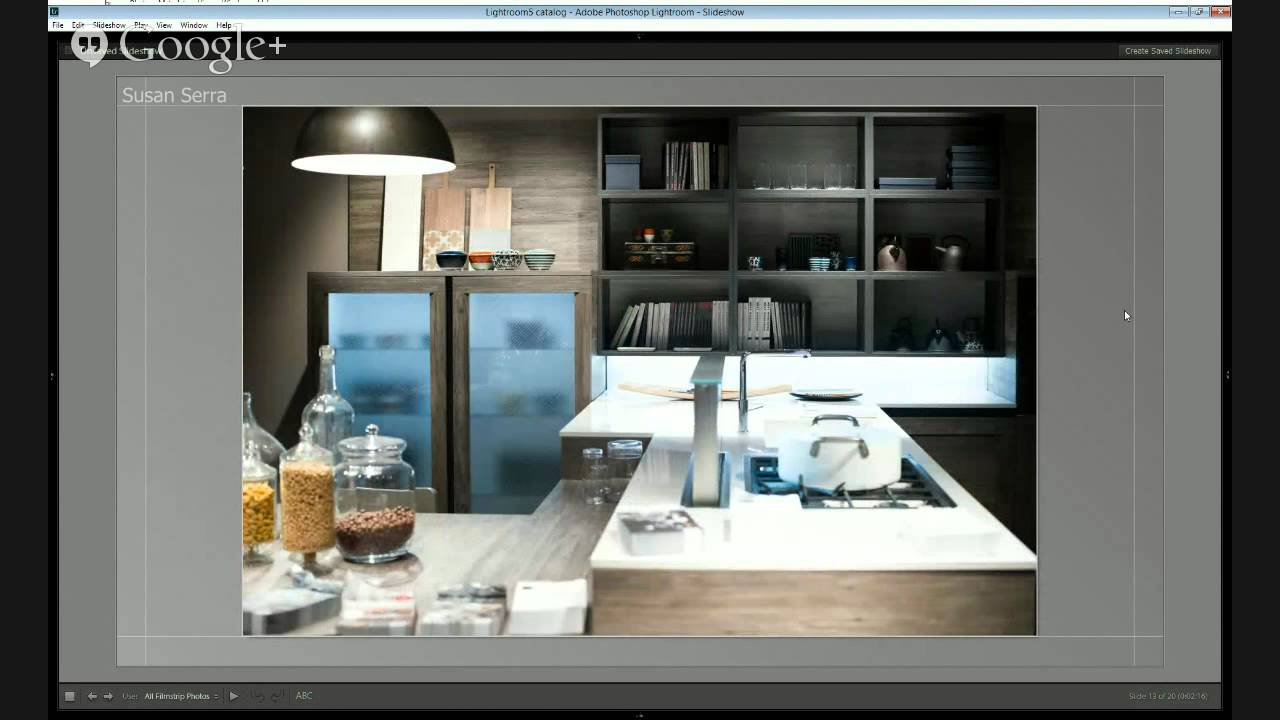
I do. So I'm going to talk about not too much in depth, but a little bit about baking centers and how we can design baking areas for a, you know, a family who bakes, an individual who really likes to bake. And this is not for every kitchen, but there's some ideas here. So I'm going over to the screen share, and which one— here we go. Okay, so first, now if you see, this is a typical kitchen island, and below it shows an eating area. Now, this can do double duty. It can do double duty as an eating area as well as a baking center, even a little prep area. I mean, if you have multiple people on occasion working in the kitchen, it's a whole separate workstation. So things should do double duty and you'll get more efficiency out of it. This I may have shown you before. Here's a KitchenAid mixer and this is a base cabinet insert where it pops up out of place if you don't want it on your counter. And it's a very, very sturdy, very strong surface. So it's a great solution for storing your KitchenAid, heavy KitchenAid mixer. Many of us have— this is a sort of a lazy Susan. Many of us have lazy Susans in our kitchen. It is not the place for a heavy mixer. Lazy Susans are— they don't carry a whole lot of weight. So just to, you know, kind of remind you of that, it's not for heavy items. And of course, when we look at a big kitchen island, I mean, that's the ultimate. This one has a marble surface on it, which we know is one wonderful for baked goods. So, you know, a kitchen island can serve so many functions and gathering and workstations and, you know, so that, that just can solve so many solutions. Now this is an interesting shot that I took at a kitchen show and this glass cabinet right here, I can almost see that as a partial baking center where you would store— you can even store the KitchenAid mixer here and then you don't have to lift it so far, you know, to the counter. It's right there. Or you can put it up above. So, for example, if you need and want counter space, this is, this is a place where you can put it inside or on top. Just a little different kind of look. I'll tell you, this is a base cabinet insert. You pull it out, and unfortunately we don't have a side view, but you can put so many spices. You can put several racks, all kinds of, all your millions of little spices. Here we have, I've shown you this before, this is an old-fashioned pantry, pegboard in the back. You can put all your baking goods here. You see jars with flowers and, you know, you can easily put your mixers in here. So this is your old-fashioned pantry, which is fun. Now, this is interesting because this is a double-height island. The lower section, it's actually on the back of the kitchen side, so you can have, you know, multiple people doing different things even in a sort of small kitchen. Here we have a kitchen table in the front with a chair. Our kitchen table is one of the best places to have a baking center because it's at a great height, which I've spoken about before. Lower height is best. Because you're using— you want to use the force from your shoulders, not so much your hands. So, this is a good solution. I'm not so sure I would use a table like this one. So, if you're in the market for a table, everything's going to fall through the cracks if you get one of these, you know, new trendy multi-board tables. And here's a countertop with marble. Marble is great. Marble has You do have to have a sealer on it. Lemon, for example, some acidic foods will etch it, which means it will make it matte, very matte. It'll take the finish off it, things like that, you know, but it's very sexy. I mean, great sex appeal for marble countertops. And here's a solution to put some of your mixers on the side, on one end. Chances are you're not going to be in front of that. Here's another design solution where again the countertop is dropped down. That could be for baking purposes or for other prep purposes, perhaps with a table, with a chair. Now, this is cool. This also serves— has two heights, which is really cool because the sink actually is at the height of the upper section. It's beautiful. You can get around the back of it, on the side, and the point is for some of the designs I'm showing you, people are not in your way. And I just have a few more left. The utensils can be decorative. Pantry items can be decorative. So keep that in mind. Look at this, how beautiful these utensils are. You can mix them with decorative objects and functional objects and it's just lovely. You can get boxes like this or baskets and put in your pantry items, your baking goods, and you're really, you know, it's form and function both. So that is the slideshow of some tips.
Very good. Excellent tips there. Alright, so moving on, we're going to go back to our pie crust. Now here I have two sizes, and one is for When I make crostatas, I don't always like to make full-size ones. You can. Now, the way I divided that dough into sections, one of those would have been like one bigger crostata, like an apple pie kind of size. But I like making smaller ones too because they look really cool. The individual ones come out nicely. So a lot of times I'll make smaller ones. So, and if you're having a party, these are really nice too. But the big one does make a nice appearance. So what I'm going to do, and I do— could not find my rolling pin. So never say that you can't— the show can't go on.
There it goes. I think we all have them around. Yeah, we're never for a lack of a bottle. Yeah.
So what I'm going to do— and I did warm these up pretty good, not hot, but so that I could work them— is you don't want to apply a lot of pressure. The mistake a lot of people make when they roll is that they push real hard. You don't want to do that because you don't want to— the dough will then get embedded into the board and you'll never get it off. Now this is a sweet pastry dough with eggs, so it is a little bit harder to work than some doughs. It's not quite as forgiving as a dough without egg, but it is very nice and is worth the effort. But I will put another one up as well.
And I noticed you're not putting that much flour on the board, and you're not throwing it on top and You're being kind of careful.
Well, you don't want to overwork your doughs because it will get tough. So you want to be careful with what you're doing. And if you do get a side that is really floury, make that be the inside that's going to see some juice or some of the ingredients, the wet ingredients, so it doesn't get that little strange, little like red glaze on it. And if you're afraid it's stuck, take a knife, run it under it.
Oh, there you go.
Because you don't want to have it come up in your hands in pieces. So now I have my cookie dough, my cookie tray, right?
I don't know, Chef, it takes me like a half an hour to fold. I usually try to fold the dough over onto the rolling pin, then transfer it, and you've done it in What, 3 seconds?
This is the nice thing about using the smaller ones as compared to the bigger ones.
You're right.
And this is the nice thing about not putting it into a pie pan. These are going to be free-form pies, so it's not as critical. They're not, you know, it's not like life or death if they're not perfect. These are called rustic pies for a reason. So I have actually 2 fillings today, and I did some apples, and I'm going to show you how I cut them in a little while. But I cooked these up Instead of doing plain raw apples, I cook these up in a little butter and a little sugar, brown sugar. And I'm going to place these— and when I'm making a crostata, no matter what size it is, I get the fruit in the center. Now I start to fold. I come up one side, I go to another side, I crimp, I come up, I crimp here. Crimp, and then the last one. So it's generally 5 sides, and then you can push the fruit down back in a little bit. And if you need a little bit more on top, you can always add a little bit more. Let me switch cameras again. Okay, so that's nicely— it's got your 5 little crimps right here. 5-sided croissant. Now I did the same thing, but I did it with with some peaches, and I actually threw some raspberries in.
Oh, come on!
Wow, this is a hand pie. So instead of the crostata— just a little bit too much in here too— I'm going to fold this over.
Pass it, pass that spoon over to me.
Yeah, and then I'm going to crimp the edges with a fork lightly to seal them.
Oh, what is that? Okay, I'm going to totally say the wrong thing. What's that, um, Jamaican pie? Is that an empiñata?
No. Yeah.
Okay.
Yeah, it could be the same thing. Same if you were making it. I just probably wouldn't use a sweet crust for it. Now I'm just going to take— you can coat these with egg, with milk, or with egg and milk mixture. The egg is going to give it a real pretty glaze. The milk is going to give it a duller appearance, and you can use heavy cream too. Heavy cream works really, really well. It gives it a little bit of a duller appearance than just the egg would, so it's not quite as shiny. Now, here's the trick. You want to take like a hard, a big granulated sugar, kind of like Sugar in the Raw, Mm-hmm. Sprinkle it. Now I can make a glaze for these hand pies, but I'm just going to sprinkle this brown sugar on them, and it's going to stay on the crust. It's not going to melt in, so you're going to see it.
Nice.
All right, so those are going to go in the oven, and these don't need it, man. They're smaller, and they're going to come out of the oven.
Wow.
And we have our little hand pie.
Oh, that's lovely. That is beautiful. So that's with the peaches and the raspberry. Oh my goodness.
And then we have our little individual crostata.
That's— yeah, move it over just a little bit. No, the other way. Other way. Yep, there you go, there you go. Beautiful, beautiful. Applause, applause, applause. Beautiful.
So these took about 25 minutes in the oven because they were smaller, and since the fruit is cooked a little bit, it's not as critical. Now the reason I didn't put the peach one in this as much is because it's going to look— it's not going to look as fresh or as big as the apples are. An appearance that's going to look baked in. It's not going to have that real pretty look to it because I didn't layer the peaches in. They're pretty much just sliced and thrown in there and cooked. It's all about appearance depending on what you want to do. Now, if I was making this, I would probably just put some fresh raspberries on top of it if I had done the peach in there.
Okay, so what are some variations on that in in terms of, well, two things. One, the shape, the shape of the dough. You couldn't— could you do something in a muffin tin?
Yes, you could.
Or is that too deep?
No, you could do a muffin tin. My fear with a muffin tin would be getting it out. So that's the only thing you'd have to think about is— and I'm thinking almost more like What are those, not muffins, that other shape they make?
Not a quiche, not a quiche. You can't do a quiche type of tart. You could do a tart.
This will make a very nice tart.
Yeah.
If you put this in a tart pan, it's going to make an excellent crust for you, and then you could do something like you could even put a cream cheese layer on and then put these cooked peaches on top of it and let it sit. Now here are— well, let me— I wanted to show you about the apple too before I forget.
Oh yeah.
Here's an apple, and I'm going to show you different ways you could cut it. And this would pertain to some of the fruits, not everything, because it's tough. Some things just won't hold together. But I didn't core it, I just peeled it. I do have a corer, but no matter how I try, it can't always come out dead center on it. So it's easier, less aggravating, just to cut it in half. And then to take this and cut on angle down. Lay it flat.
Okay.
Cut on an angle down again, and there's my core.
Oh wow, that's great.
So that's pretty much— you just want to cut on a little bit of an angle and then cut back again, and you get your core out. So now there's a couple different ways you can cut apples if you're making a pie. And one of the easiest ways would just be to slice it and to cut thin slices. This way. All right, and then when you're layering your apples, you're actually going to layer them. You're not going to throw them in. You're going to put them in, and you would put them in raw at this point. You might coat them a little bit in some sugar, but when you're making a tart, then you want them to be pretty, so you're going to actually fan the apples in the tart pan.
Okay, now what about the use of lemon juice?
If you're gonna let these sit, you want to put them in some water with lemon juice.
How about for flavoring? What do you think about that?
I don't think it really does anything to the flavor. It's just pretty much to keep them from getting brown. You can always use a little acidic flavor in anything we make baked, and lemon juice is good for that. But I don't think you're gonna taste it that much unless you put a lot in, and that might not be a good thing.
That's true. And vanilla? What do you think about that?
Not necessarily in some of these pies.
Yeah.
You could use it, but again, it has to call to you. It has to say, you know, speak to you that that's the kind of pie you're making for those kind of aromatics, for vanilla, for lemon, cinnamon even. Like, I use cinnamon with apples. I didn't use it in the peach. You know, and again, it depends what you like. If you want to get out there, I mean, you can make a tarragon apple pie or rosemary apple pie or basil apple pie. I wouldn't because I like plain apple, but I mean, people— I've seen different things out there.
I wonder if a liquor like a whiskey or bourbon or something, a little bit.
If you're going to use bourbon, then I would probably make like a caramel sauce with the bourbon. And I would use that. I wouldn't put straight bourbon in. I would take my sugars then and butter and make a caramel sauce, leave the apples plain, and then put that bourbon caramel sauce mixed into the apples.
Mm-hmm.
And that would be wonderful too. So, I mean, there's a lot of different ways you can go with it, but, you know, if you're gonna— if you want something decorative, the sliced apples like this is about the best bet. If you're going to go for a chunk look. Then all I did was cut it like that, cut it in half, and simply cut it like I would a potato. You know, just make chunks out of it. So that's, that's the other way. You can always go from this end and cut slices if you want them to be a little bit different shaped.
Yeah.
And you have a different thing.
Okay.
All right, if you want them to be thicker apple slices, then you can have thicker slices. So depending upon, you know, what kind of— like, I would use more of a deep dish pie, I would probably cut them a little on the thicker side, like if I was doing a 2-crust pie. If I was doing a tart, I would go with this shape for the tart so they would look pretty, and I could line them up and I could make them, put them in a design. And if I'm just going with something like a, like a crostata or hand pie, I'm gonna go with these. You just don't want the dice to be so small that people think they're not real apples, like they're those kinds you get in the store. Pies. Yes, they're all full of gel.
That's right, that's right. Well, that's— those are great techniques. I mean, again, we've learned so much. Do you want me to give you a few comments before we go?
Okay, a couple other tips.
Sure. Elena Bellametti is asking, can you use some honey instead to caramelize with water and sugar?
You could try it. I have not, Elena. I'm not that big of a baker. I bake for fun. I don't think honey tends to caramelize as well in a short amount of time that you have. If I have a longer amount of time, it will caramelize. Like if I'm roasting and basting with it, like I do pears that way, and I use wine and honey and in butter to caramelize those. So it's a matter of a basting. But if you're just— you know, it'd be interesting to try. I would say try it and see how it comes out. And it would probably depend on the kind of honey you had too, how pure it was or how raw it was.
Mm-hmm. Okay, and Christopher Vogelman, always the wisecracker, says Chef Dennis Littley has the fastest oven in the world.
Yep.
That's for sure.
What I wish. Every now and then we get the magic of TV.
Yep. And also Freeform Pies, hashtag beyond the pie Olympics compulsories. Love it. It's true. I mean, I couldn't believe how fast it went. Yeah.
And you know, and that's the beauty. And I tell you, I went to crostadas because I am not a great pie crust maker. I really am not. And they would fall apart at the bottom, get soggy, you don't eat it. I just— the bottom never came out well. The top sometimes would be just ugly as sin. So, you know, once I started learning to make crostatas, I mean, they come out so nicely. And I said, the big one does look impressive. And don't be afraid to always put more fresh fruit on top of it.
Yeah, and it's kind of that rustic feeling too. And Sean Mayan is saying, some beautiful kitchens in these images. Susan Sarah, better start saving my pennies for refurb. Yes, definitely get a jar for the pennies.
Yeah, more than plenty.
Few more, few more.
There are a couple tips I can give you.
Sure, let's hear it.
A lot of times I won't cook— if I was making a regular traditional pie, I probably would not have cooked the fruit as much. I may not have cooked it at all, in which case, like, I used to make a peach blueberry pie, and one thing with some fruits is there's so much liquid in them, they run a lot. I was taught years ago, and I honestly didn't believe it when they told me, was that they had tapioca to hold it together. I'm thinking tapioca pudding right away.
Yeah.
I've ever seen. Just regular old tapioca. What you do is once the pie is set, got everything in there, you sprinkle it over the fruit. What it does, you don't ever see it. What it does is it soaks all the juice up and turns it into more of a gel. Okay. That is a really good tip if you're doing pies that have a lot of liquid or pies that run when you cut them and won't hold.
Yes, yes, yes, yes.
That will help. The other thing is cornstarch. Cornstarch would be for a cooked filling. If I was cooking blueberries and I'm cooking them down, say I wanted to make a hand pie or crostata with them, I would take a little bit of water and I would mix some cornstarch until it was a nice little syrupy— not a paste, but where it was runny— and I would put it into the blueberries I was cooking when they were almost done, stir it in real fast. You have to be careful not to let it sit, and that will thicken up your topping as well. And that way you get more of a jellied consistency with it.
Good tip. You always have to be careful with cornstarch that it doesn't turn into glue, right?
Yeah, that's why it's got to be quick. And I never just put the cornstarch directly into the hot item. Always mix it with some liquid first. And it's even good to temper it with a little bit, like if you were doing— using it in a soup. I don't do many soups or sauces, but Oriental sauces tend to get cornstarch just because they have that kind of look to them.
Yes, they use—
I remember years ago, and I have never tried it, the Galloping Gourmet used to always use Arrowroot for thickening, and he always used to talk about that, except you had to really be careful with the heat with arrowroot because it would break. So, all right, so that's what I have. I have the pies that you saw already. Let me grab them back again.
They are good-looking, and look, you, you have plenty of apples to do, you know, a bunch more. Good excuse.
Grazie. And I have some peaches left, so I will do them. And I wanted to show you too, a few years ago I did get a little scale. They're not that much money. This is actually an OXO brand. One nice thing about it is I can put a bowl on it and I can zero it out, and then I can fill that bowl up and I can weigh just what's in the bowl. So, I mean, one nice thing about this is it has like that tare on it, so whatever you're using to hold the ingredients in, you can subtract it from the total. So sometimes it makes it nice and easy when you're measuring things out, like the butter today. I actually been buying pound blocks of it, and I didn't want to freeform. Yeah, I weighed it. I weighed it out. It was really—
oh my gosh, perfect. Like, you know, sometimes the simplest things are the most profound. I swear, that's great.
Well, anything to make life easier.
Yep. Well, thanks so much for your— this is just looks Delightful. So enjoy it. I wish I could reach over.
That peach and raspberry one looks really good. I may save that for Lisa though.
Okay.
Thank you all for coming today. Susan, it's always great to see you.
Yes, same here, same here. Can't wait till next week.
Next week when we're around our kitchen table. I hope to see you. Bye-bye. Bye-bye.









