Golden Angels - Lessons in love and loss
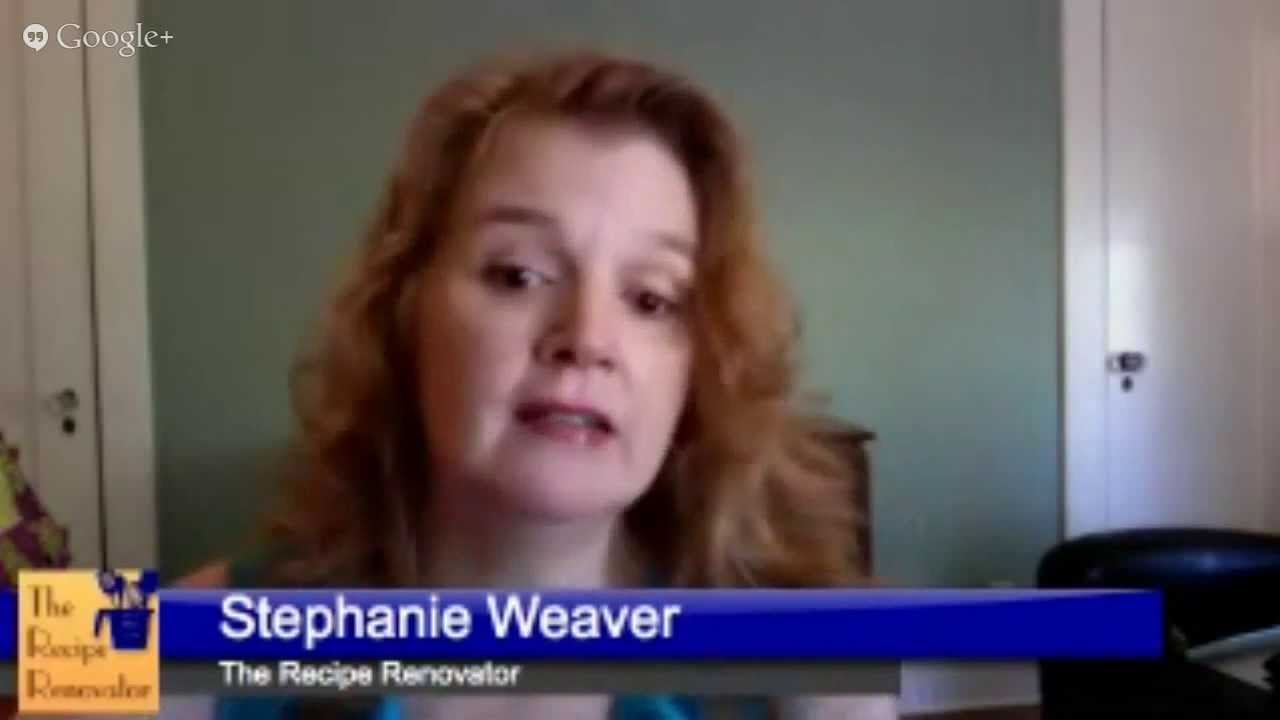
In this Hangout‑style interview, Chef Dennis Littley talks with author Stephanie Weaver about her memoir‑essay book Golden Angels: Lessons in Love and Loss. The conversation traces the project from its therapeutic origins—blog posts written after the death of Weaver’s dog—to a 13‑essay manuscript that pairs each essay with a recipe (three for dogs, the rest for people). Weaver explains her decision to self‑publish, the editorial process, and the challenges of formatting the book for Kindle, iPad, and PDF, including multimedia video recipes. She details the Kickstarter campaign she launched to fund a high‑quality print run, describing reward tiers, cost calculations, platform choice (Kickstarter vs. Indiegogo/PubSlush), and stretch goals up to $12,000 for 2,000 copies and a West‑Coast book tour. Throughout, she shares practical advice for aspiring self‑publishers—hiring editors, using Guy Kawasaki’s Author, Publisher, Entrepreneur, working with conversion services, and budgeting for design, printing, and shipping. The interview also touches on the emotional purpose of the book: helping people grieve pet loss, offering a resource for friends and families, and building community through events and online outreach.
Chapters
Hi, I'm Chef Dennis Littley, and today we're here with Stephanie Weaver, and she's gonna talk about her new book. It's called Golden Angels: Lessons in Love and Loss, and it's about her dogs. And she's gonna talk about her Kickstarter campaign and how she did that to get her book signing tour up and running, and also about the book and the process and everything combined in there. So Stephanie, thanks so much for joining me today. I'm glad you could talk about this.
Thanks for having me, Dennis. I appreciate it.
Great. Alright, well, we're just gonna get started, and you can just go right in and talk a little bit about your project, about your book, and then you can go into the Kickstarter, however you want to do it. It's all yours today. Great. Let's see if there's any questions out there. There is a question app, and you should be able to see it. You can ask the questions directly, or you can put them in the in the comments section underneath and we'll get to them. There you go. Stephanie, turn it over to you.
Great. So yeah, I'm looking forward to answering your questions if you have them, so please do feel free to chime in. We love to hear from you guys during these Hangouts. So I started working on what I thought was going to be a series of blog posts after my dog passed away at the beginning of last year, so the beginning of 2012. When we lost her, I started writing just really for therapy. I had no sense that it was going to be a book, wasn't really thinking book. And certainly being a blogger now has kind of changed my writing process because when I did write a book the last time, I knew I was writing a book. So it's kind of interesting to, you know, people have asked why are there recipes in the book, and part of that is because of being a food blogger, I really was thinking all along that there were going to be posts with recipes. And then as I kept working on it and ended up with 25 or so essays and kind of a manuscript, I started realizing that maybe I was I was actually working on a book. So it was an interesting process for me as a writer because I kind of started it really very personally as therapy and then figured out I had a manuscript, sent it off to an editor to find out what she thought of it, and that's a little bit of a nail-biting experience for those of you who have done that. And, but when I, when it came back, she said, you know, you either have a memoir, which is nowhere close to being finished, or you have a series of essays. And I really had always thought it was going to be a series of essays, so she— it was her suggestion. She helped me choose the ones that she thought were the strongest to develop further, and then she suggested that I have recipes for every single essay. So there are 13 essays in the book, and each one ends with a recipe that helps tell the story. So the biggest question I get is, are the recipes for dogs or for people? So the 3 of the recipes are for dogs and then the rest are for people. So I'm really clear in the book which are which. But it does help you when you're looking through the book because like the essay about obedience is where I show the juicer pulp dog biscuits or training biscuits. The one on parenthood is when I make the doggie birthday cake. So there's ones that really relate to the story and help tell the story and move it along. And that's how the process developed.
How long ago did you start writing the book?
I started writing probably mid-January. So we lost her January 2nd, and probably by the middle of January I was kind of therapeutically writing these blog posts. There's a lot of crying involved, I'll be honest. It was certainly very much a therapy process to begin with. And, but as I went along, I really— initially I thought I want to tell her story, and that was really, you know, I wanted to honor her and tell her story because she— we felt like she was a very special dog. The fact that we got 50 condolence cards from people in our lives kind of also spoke to what a special animal she was and how many people she touched. And at some point I thought, well, it would be cool if I could somehow capture her life in some form that I could share with friends and family. And I started thinking about maybe the ebook format, maybe an iPad version where I could capture some of the videos that we had of her. So that was how the process really evolved. I was not initially thinking print book. It really was always going to be an online or e-project initially because I knew I wanted to do the multimedia. And so that's, that's kind of how it evolved.
There's a lot of great pictures in there of her, and I know I'll admit to that while I was reading it, I was a little teary-eyed at good portions of it, so I can understand what you went through. What publisher did you take it to? Was it the one that had done your other book, or is this someone that you just found or knew?
No, I was— I'd always planned on self-publishing. I had gone through the traditional publishing process with my first book, which is a museum— a book for museum professionals. And really didn't want to go through the rejection process because it's a, it's a very long drawn-out process. And I thought, you know, if this book is meant to help people and serve people, I'll put it out as an ebook and see what the response is. The cost is relatively low when you're doing that on your own. Probably, I probably have about $2,000 or so into the book so far, and that there's a lot of costs involved, but none of them are particularly great high costs. And, um, and it— because it's, um, it's not a full memoir and it's not a recipe book, I thought it might be a hard sell because it doesn't really fit easily into a niche. And publishers are really looking for something they totally understand, and then they'll tell you, yes, we want that, or no, we don't. And for me, because it was such a personal project, I wasn't necessarily wanting to have to go through that whole process. I just wanted to get it out there and see if it could help other people go through their grieving process, whether they were grieving the loss of a pet or the loss of a human in their lives. The grieving process is very similar, of course, and that's what my hope was.
Right. So this was really therapy for you when you went through it, you know, initially, anything else, just the start of it. And then it'd be— you said, you know, as you, as you went through, you said maybe you did have something there. Now, when you said you sent it to an editor, was that just someone you knew, or did you find them online? Is there someplace that like as writers, if we decide to do something, maybe not in this vein, but in any type of book that we can send to a resource, did you have to pay that editor, or was it just a friend?
I did pay the editor. It is someone that I know professionally. She has a degree in creative writing, and I know she's a really beautiful writer, and I thought that she would be just the right person for it. I had another editor that I had worked with before who was not available, but of course there are, you know, through your network you'll be able to find editor if you're looking for that. But I think it's super important if you're wanting to self-publish that you do think of it as a professional project, that you are willing to invest some money in it. And paying an editor is critical because we're too close to our work. And especially this was so personal, I knew that I had to give it to someone else to tell me, you know, Stephanie, write a couple blog posts, don't pursue this, it's not— there's nothing there. You know, I really needed to hear that from her, which is why it was scary to send it out, but she loved it, loved it, and said, you've definitely got something here. This is the two directions you need to go, and you've got a lot of work ahead of you. And that was fine. I was willing to do the work, but you do need a professional who can sit down and really help you structure and think through what you're trying to accomplish. And when I came upon the idea of using the titles from angel cards— that's why the title is called Golden Angels. It's a little bit of a sappy title, but because we use these things called angel cards as part of our grieving process and to create some of these rituals, we, I felt that it was a strong tie-in to the book. And so once that structure sort of fell into place, then it started making sense. Then it was simply as really polishing up the essays that I did choose to include and figuring out which recipes I thought made sense. In some cases I developed new recipes for those.
That's what I was going to ask you, if you had developed recipes for those, or if there are ones that perhaps that your, your little fur baby had enjoyed too. I don't know if you fed her table food or not, but Well, we, we tried not to.
One of us did and one of us didn't, and I won't say who of the two of us, but she loved the Juicer Pulp Dog Biscuits, and I did make the birthday cake for her, which was scarfed down. It's got meat frosting, so what dog doesn't love meat frosting? I know it's disgusting, but it looks so beautiful when it's done. It looks like chocolate frosting. And she did— the rosemary olive oil biscuits, she did enjoy those as well. So both of my dogs have been very Very good appetites, but we do have to restrict their calories so they don't get chunky.
I think I have a few friends on G+ that would go for that meat frosting too. So I don't know, you might make that for some guy friends from time to time. You might have a real winner there on your hands.
It's a cornbread cake with liverwurst frosting. And so it looks like yellow cake with glossy chocolate frosting, and then you use the Cheez Whiz to write on it.
Oh, wow.
It looks exactly like a chocolate cake.
Throw some bacon in there, we're living, I'm telling you.
Yeah, I'm sure. I actually could probably develop it as a human treat. So yes, pretty funny.
Yep. Well, yeah, I know I'm guilty of feeding our dogs table food too, and they usually come to me at the table too. You know, they also— I have a rescue that would only drop his head as he walked through the kitchen. He never looked at me, never looked at me. And I mean, he would he would come up to me, but in the kitchen, it was just like passing through, passing through. And then one day I turn around and I see him just sitting there because he finally put together that food, me in the kitchen, came together, and it was— and he was going to get some. So he became my standard recipe tester from that point on.
Yeah. Yeah, they are really smart.
Yes, they are. So you got this all together. How long did this process take you then?
So I think The book was finished by last— about 6 or so months I had it pretty well in shape, and then I had to figure out the whole self-publishing process. Anybody thinking about going through that, I highly recommend you read Guy Kawasaki's book called Author, Publisher, Entrepreneur, or APE for short. It is an exhaustive, wonderful resource. Don't reinvent the wheel. Read his book, pay the $7 or whatever it is to get the Kindle version. It goes through every single thing you'll need to know and really helps you understand what is involved in what he calls artisanal publishing. So it's not vanity publishing anymore, it's not even self-publishing, he calls it artisanal publishing, and I like that. You can find an audience of a couple thousand people for pretty much any book because of the way that you can reach out online. And so my thought was, let's let's get it out there in the different e-formats. And so by February it launched on Kindle. I chose to do the 3-month exclusive with Amazon so that I could do the giveaway days, and, and I did pretty well. At one point I was the number one pet essay in the number one pet essay category, and I was number 2 in food essays right behind Anthony Bourdain for a short period of time. So that was pretty exciting. And then once the 3-month period ended with Amazon, then I put it up on iTunes and all the other services. And I used BookBaby.com. They were great to work with. They were super helpful. I do recommend using a conversion service because there's so much to learn in this process, and for $150 or $200, it's so worth it to send it to a professional who knows what they're doing. But you also have to plan on having friends look at the file with different devices to make sure that it's working. There's always funky little things that happen in the conversion, so you need to go through and check and make sure that it looks good. I chose to do an iPad version. I can actually show that because I have it sitting here. The iPad version actually has video in it.
Oh, wow.
You can actually play the video, and it's the recipes scroll, so it's a multi-touch version. So that was done, the PDF comes from that, so the PDF looks really pretty because I really wanted, you know, food is such a visual medium, I wanted the book to look as good as possible. And the Kindle version, I don't think Kindle, that format is great for cookbooks. That's why I chose to do something shorter as well, because I think it's really important for it to work for people. I think Kindle format is fantastic for novels,. And once, as soon as you start throwing graphics in there, you know, they're, they're so tiny because they have to fit on the size of a mobile phone screen. So there's a lot of discussion in our group, Food Bloggers Community, about self-publishing and cookbooks. And I think we do— the format has a ways to go to really support cookbooks well.
Yeah, I know Kindle seems to be the first that really has a good footing, but some of the other ebook book readers look like they do a better job with it. You have to format it for Kindle if you want it to sell, especially on Amazon. Now, was that the Amazon that you could get a printed book from too if someone ordered it?
You can. Well, so I chose— I'm choosing not to do that.
Okay.
I looked into CreateSpace, which is Amazon's physical book publishing arm. I personally wasn't happy with the quality of the books that I ordered through CreateSpace. That's not to say that they're not great books, but I One of them came and the back cover was crooked. I thought, oh my gosh, I don't want to put this out there and not be sure about quality control. Of course, if you're doing print on demand, you're not going to know whether or not those are arriving and maybe aren't the quality that you would want. I found a printer through another food blogger who self-published a beautiful cookbook. It was exactly what I wanted in terms of the look and the feel and the paper. And they're based in Minnesota. And so the pricing that I came up with for my Kickstarter campaign was based on doing that— basically her book, the specs on her book. We kind of guesstimated how many pages we thought this would be, because regardless of whether you do it through CreateSpace or another printer, you still have to have it laid out by a professional graphic designer who knows how to lay out books, and that's gonna cost you $1,500 to $2,000. So the reason I'm doing the Kickstarter campaign is because I wanted to make sure there was an audience for the printed book. People are telling me they want it, but that's different than actually saying, "Yes, I want to buy it." Right. And it also would allow me to at least cover the cost of the designer and hopefully some printed copies. So that's why I chose to do it in that way. And it's been, you know, we had a really nice response in the first week. We made our minimum, so that was exciting and fantastic. So I set a larger goal of $12,000, and the $12,000 will allow me to print 2,000 copies, which seems like a really reasonable first print run. It might take me 5 years to sell them, it might take me 6 months, I have no idea. But then the price per copy goes way, way down when you do that. And obviously pay my designer, and it'll allow me to do a couple of cities, do a set up a book tour. So that's what I'm hoping for, but we do know it is going into print, so that's really exciting.
Great. So, so on your Kickstarter then, when you, when you set it up, you originally set up— and I've just learned that you could do this, you could set other goals, I didn't know that at all— so you set it up basically just for the first goal you had, and when you saw how well accepted it was and how fast it was to fund, then you can go on and add some different goals to it. So how much more time do you have on your Kickstarter campaign, and how close are you?
The Kickstarter runs through August 18th, and we are, um, so we are 106% funded of the $2,500 that I initially set. So I'm about 20% of the way to $12,000. So that's why I'm still getting the word out, because I do want people to still be donating, whether they want to donate $50 to get a print version of the book, or they want to donate $5. It's all appreciated. It all adds up. And so the more people can share it and spread it and throw in $5 or $10, that's when they really do well. And that's what we're hoping to do, is be able to do a full print run and maybe visit a couple of West Coast cities. So what I did was I added— on Kickstarter you have to figure out the cost of the rewards. I know Jackie Gordon talked with you about this. You have to make sure that you're covering the cost of not just creating the reward, but shipping the reward, and all those costs need to be figured in. Sometimes people get into trouble if they haven't really thought all that through. So I did that, and we also— and I also wanted to keep the rewards fairly simple initially, so I only set 5 reward levels. And once those all had people signed up for them and I set the larger goal, then I've added like a book club level. So for $300, you get 10 copies, you'll get a Skype call with me and Daisy for your book club, and I will make you treats and ship them to you for your book club. So, um, but I wanted to make sure that I initially at least was going be successful and at least cover the cost of the design, because I really didn't want to do a Kickstarter and fail. So I set up what I thought was a reasonable goal, and then I thought, you know, we'll see how it goes. And it's really exciting, you know, people love their dogs and love their pets. Oh my god, they're such a wonderful potential audience for it. So we just— now it's just about spreading the word, basically.
Okay, well, good. Hopefully enough people will see this and they can come join in on your Kickstarter campaign. We do have a question here from Saving Dinner that came up. It's "Did you consider other crowdsourcing besides Kickstarter?" I did.
I looked at several. I looked at Indiegogo and PubSlush, and some of the crowdfunding sites, you get all the money that you raise, which is certainly very appealing. Kickstarter, it's that kind of nail-biting where if you don't make your goal, your project doesn't fund. I felt that Kickstarter had the biggest potential platform so that it was the best way for me to reach people I don't know and that it's just such a well-known name that I felt like there was a lot of strength there just in the Kickstarter name and the Kickstarter brand. So I decided— I did a lot of research though, so it's a great question. It's not necessarily the right platform for everybody. So PubSlush is one that's just for, just for books, and you get all the money that you potentially raise through them. So it really just depends on what you're trying to accomplish, I think. And for me, it felt like Kickstarter was was the brand name that I felt would give me the biggest platform to reach potential, potential funders.
I know Jackie had said with Indiegogo, if you did not raise the amount, you do get all the money that you raised, but they take a bigger cut of it. I know that— I don't know if everyone understands that Kickstarter doesn't do this because they're really nice people. They do get a cut of what you raise, just like anything else. But with Indiegogo, PubSlush, the same thing.
If you don't raise your goal, they get more of what you've I don't know about Pubsplash. I know that you get all the money that you raise through them during your funding period, and it may be there. I don't know, I haven't seen an infographic, but I'm sure someone's done them on what percentage cut people take. For Kickstarter, you have to figure about 10%, so about 5% goes to Kickstarter, about 5% goes to Amazon Payments. So again, when you're figuring out your reward levels, you need to make sure that you take 10% off the top And then, you know, whatever the book costs and whatever the thank you card costs to print, whatever it costs to put it in a box and mail it, you have to figure all that stuff out. So it is important to really understand what you're, what you're doing and be prepared and do your research.
Yeah, it'd be a real easy way to start losing money fast. And the more you got, the more you'd lose if you didn't figure that all in. I know she talked about the guy that was giving away pickles, I think it was 2 jars of pickles for $10, and you couldn't even mail them for that because of the weight of it. It's just, it gets crazy. So you have to factor all those things in. Alright, so we still have time. It looks like we have not quite 3 weeks but a little over 2 weeks for you to raise. Did you have— is there another goal in midway, or is that your goal then now is $12,000? Is there anything in between that you're trying to go to?
Well, if I can get, you know, $6,000 or $8,000, that will allow me to print 1,000 copies. And really, the book tour is— that's just would be gravy to be able to go to a couple of cities. I did put in, you know, if somebody really wants me to come to their city, there's a funding level for that. So you put that money in, and I'm happy to fly wherever you want me to come and, and do an event with you. But I think that the really neat idea is, is to be able to do a Skype call and, you know, share some, some copies with your friends, and I'll make you some delicious cookies from the book and ship those off to you. So there's a lot of ways, I think, to reach audiences nowadays, and I think it's important to really understand who your potential audiences are and That's something that I would encourage anybody who's thinking about self-publishing is to really think through, and that is the benefit to doing a book proposal. While they are a ton of work, you know, you should plan on 6 months of work to do a good book proposal. You really do understand your audience, your competition, your marketing plan, because you have to do all that for a book proposal. So I have thought through all that. I just didn't end up doing the formal book proposal because I didn't send it out to publishers.
Okay, great, good to know. I think the one thing important too is when you set the other goal on Kickstarter, it wasn't like you were starting over from scratch, so you don't have to raise that. Anything you raise towards it, right, you've met your goal already. So this is just something new for you personally that you set the goal, and if you get to it, great, and you can use what you can use then.
Exactly. Yeah, yeah, and actually it doesn't actually change— your Kickstarter page doesn't change. What I did was I updated the text on the page and I updated the image so that people see that I'm actually shooting for $12,000. I think there is one downside to meeting your goal early is that people think you're done and they stop sharing it and they stop donating. And so, you know, I told people yesterday, like, oh, you're not, you're not done? I'm like, no, I'm not done. Please keep sharing, please keep telling people. But ultimately my goal is to get the book out so that people you know, can give it away when a friend loses a pet. That's what I've been hearing, is people want to be able to give the book to somebody who's just lost their pet. Or I've had families read it because their grandparent is dying, or they lost a dog unexpectedly, and it was really helpful to sit down with the kids and read through the book and talk about how sad everybody was feeling. We don't do grief very well in this country, and so I think having an opportunity to have that conversation, whether it's about a pet or loved one, it's really important. And I know you said, you know, you just adore your dogs, and, you know, nobody likes to think about losing them.
So now, now we just had our rescue at the vet yesterday, and he's having a lot of trouble walking. So I mean, we know we're going to come to that day, and it's going to leave a hole that is so hard to fill, you know. It's hard to think about. So yeah, that's good. You know, that's something. And like I said, I did enjoy your book. It was funny. You know, you cried, you laughed, you know, you saw those pictures and they were great. So I mean, it was a nice way of getting a message around the people, you know, and help them deal with the coping with what happened and maybe remembering that there were a lot of good times to think about too. So it's just like anything else. So good. Yeah, I think it's going to be— it's, you know, it's a nice book. I wish you a lot of success with it.
Thank you so much.
We don't have— we haven't had a lot of other questions, but I'm sure people will get to watch this later and maybe they'll put some in the comment bar in the middle of the day. And, you know, it's, it's sometimes it's a great time to have them, sometimes it's not a good time. You just never know how these are going to go during the day. But, you know, it's been nice having you here.
Thank you Thank you so much.
Was there anything else you wanted to talk about your book or about— where are you planning your cities to go if you do get to go? What's your tour going?
So right now it would be West Coast just because that would be less expensive for me to be able to do, and I have friends I can stay. So it would be LA, San Francisco, probably Portland and Seattle, but certainly love to do Chicago. And again, if, you know, somebody says, hey, we'd love for you to come to New York or Boston or Oxford, Mississippi, or, you know, wherever. If the money comes in, I'm happy to do it because I think it would be great to get out there and see, you know, meet— you know, what I find when I do these events is that people start talking about the pet that they've lost. And so it's a way to be able to share their loss and what they experience and to talk to somebody else who really understands that. I think that's that's where I'm finding the connection with people, which is really beautiful and does honor my buddy girl. And so it's fun because Daisy is such a sweetheart and she's been so good at doing these events. She's very calm and mellow, so she gets to sit at the petting station and get loved. And so, you know, anytime I do anything in Southern California, of course I bring her as well. So that's been really fun. The recipes, I think, are a neat twist, and it's been a fun way to talk about the connection that we have with community and dogs and food. Everybody, you know, there's something for everyone in the book, so I do appreciate people checking this out. If you come to my website, reciperenovator.com, you'll see on the left sidebar you can click through to Kickstarter. We did a really beautiful video that makes us cry. We love the video to promote it, so we just Thank you so much for your attention, and if you want to send us $5 or $10, it's much appreciated. But even more than that, if you think there's 5 or 6 people that you're thinking, oh my gosh, they would love this book, please send it to them, because that's what we're trying to do, is really spread the word. Yep.
You know, it wouldn't hurt to have a couple of these books on hand. They'd be great presents, or, you know, just, just to help someone cope with the loss of their pet. You know, everybody— there's so many of us go through that. We have our pets and we do love them, so Absolutely. Well, you know, please do go visit. Are there any other links they should go to or anything else that might help them come your way? You want to share?
Just if you want to go to directly to the Kickstarter page, it's bit.ly/BuddyGirl, and B is capitalized and G is capitalized. But it's easiest to just go to reciperenovator.com and click on the left side, you'll see the the Kickstarter icon on there and just head on over and check it out. We really appreciate that so much.
Great.
Great.
Alright, well thank— oh, thank you, Stephanie. Thanks for coming on. You know, it's good to know, you know, you're sharing not just about your book and about the— it's the whole process. You know, there's other people out there that I'm sure are saying, you know, they would like to do something like this, and seeing you're being successful with it and been successful with your Kickstarter campaign is going to give them a little motivation to maybe try it themselves. So, yeah. And in the meantime, if you've been motivated, go to Stephanie's site and whatever you can give, you know, it doesn't matter what it is. It's just everything helps and, you know, go towards spreading the word. And, you know, you never know who you're going to help with this message. And with this book, you know, people suffer sometimes a lot more than they do with, you know, their personal loss. So a pet is a, you know, like I said, I don't know where we're going to fill the hole in our heart when, when this guy goes. So it's, it's going to be difficult to deal with. So if you have friends that are going through, save a couple books and just have them on your shelf so when somebody does have that happen, you know, you can send one to them. Sure.
That would be great. We're shooting to get it out by Christmas. We'll see how it goes, but certainly it's a title that I think, you know, will sell regardless of the time of year. So, oh yeah, that would be a nice bonus if we can make that happen by Christmas.
Yeah, Christmas would be nice.
I'm always happy to answer any questions if people have, other food bloggers or people who are thinking about writing happy to help. So do feel free also to send me emails if you have questions about specific things that I did or didn't do or why I chose to do it. I guess my biggest message about Kickstarter is really do your homework. You know, they have a whole Kickstarter school on their website that goes through all the steps. I would watch Chef Dennis Littley's Hangout that he did with, um, singing chef Jackie Gordon, which was extremely helpful. And really study other projects that have been successful and figure out what you think is going to work for you. But do know that you have to spend a lot of time asking people for money, and you have to be comfortable with that. And it is hard. There are times when I think, oh man, I'm sure people are sick of hearing about it, but I have to keep going. So it's something where if you feel comfortable and you believe in your project, it makes it a lot easier. And I just think about, you know, I'm doing this for BuddyGirl, and it's not really about me, it's not about money, it's really about getting this message out there and helping people who are grieving. So thanks so much for your time.
You're welcome. Alright, thanks for joining us, and make sure you head on over to Stephanie's website and get more information. If you have questions, ask them directly there. So, well, thank you for coming today, and we will see you later.
Thank you so much.









