Marketing Yourself to Brands - Second Annual Virtual Bloggers Conference
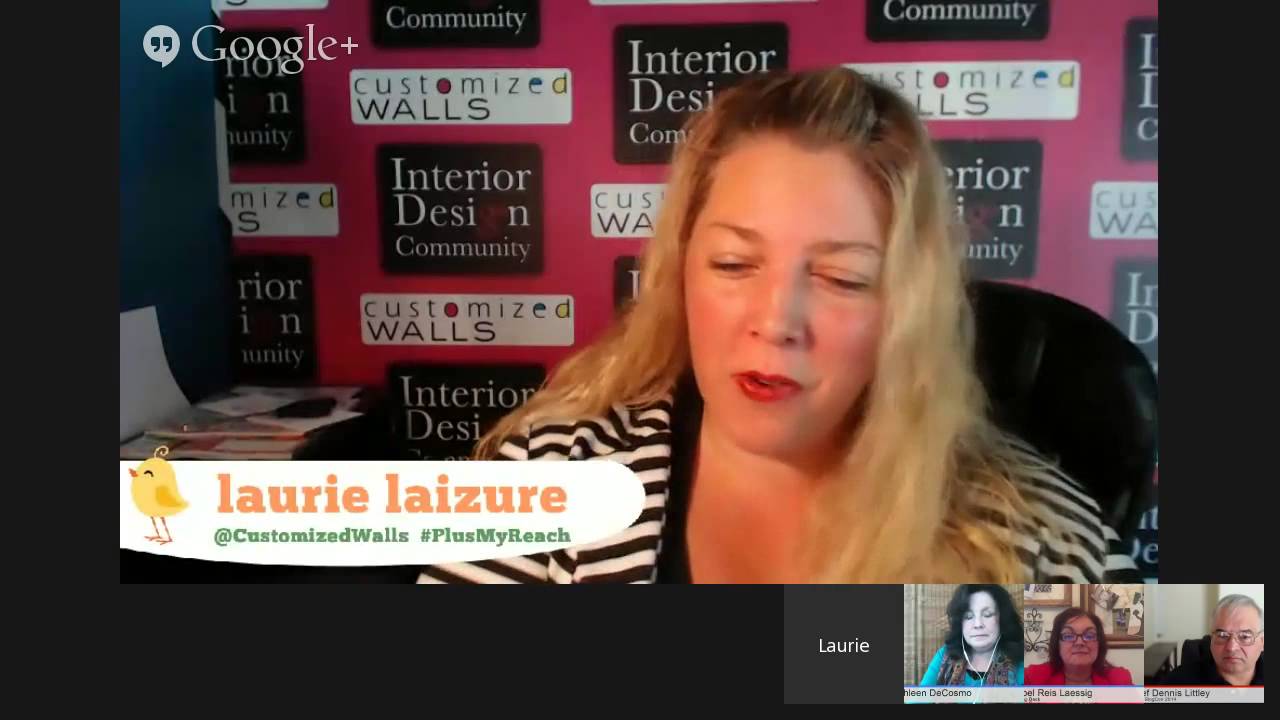
In this virtual panel, moderator Dennis Littley and three successful bloggers—Lori Lazor, Kathleen DeCosmo, and Isabel Lacyk—share practical strategies for monetizing a blog by partnering with brands. The discussion covers the foundational steps of presenting a professional media kit, gathering and showcasing audience metrics, and defining a clear mission and vision for one’s blog. The panelists emphasize the power of community and collaboration, describing how Lori’s Google+ Interior Design Community and its moderators amplify reach, and how Isabel’s Sunday Supper Movement leverages a large network of food bloggers. Platform‑specific tactics are explored, including pitching Google+ Hangouts, running Twitter chats, using Pinterest and Instagram strategically, and employing scheduling and analytics tools such as PlusMyReach, Tailwind, and Viraltag. The speakers detail the outreach process—DMs, email, PR agency connections—follow‑up practices, negotiation of compensation, and the importance of aligning brand values with audience interests. Authenticity, trust, and long‑term relationships are highlighted as essential for sustainable income, while cross‑platform campaign orchestration (the “Ferris wheel” analogy) is presented as a way to maximize brand exposure. The panel concludes with a strong call for collaboration among bloggers to create compelling, multi‑channel brand packages.
Chapters
Good morning everyone and welcome to the 2nd Annual Virtual Bloggers Conference. I'm thrilled to be here today to bring you an outstanding lineup of sessions. We're going to have 6 today and today we're starting with one of my favorites and it's working— it's, it's how to sell yourself to brands. It's a very important thing to anyone, no matter what kind of blogger you are, is to get some money coming in. And today we have 3 very successful women here to tell you how they've gotten to that level and some of their strategies, their tips for strategies, some of their ideas for you to try to use so you can become successful at marketing yourself to brands. So I'm going to introduce our panel today and then we're going to get started. And for those of you that are watching, if you want to leave your questions in the comment bar of this event, we will do our best to get to them and answer them. So let me start right away, and to my side, my, uh, left side here, I have Lori Lazor. And, uh, Lori, why don't you tell us a little bit about yourself and what you're doing?
Sure. Um, well, I have many projects I work on, so, uh, the first is that I own Customize Walls, which is a custom printing business. We print custom wallpaper and murals, and we have a blog on that, and we work with interior designers, we work with other brands. And in the— on my road to try to get to know interior designers, I developed a community here on Google+, the Interior Design Community. We have over 20,000 members now, and we have 11 moderators, and we work with brands in the interior design community and interiordesigncommunity.com. I also am a partner in a new venture called PlusMyReach, which is an analytics tool for Google+ Hangouts and events. We talk to brands there too. We have a lot of talking to brands going on over here.
Sounds good. We're going to come back to you and we can talk about your strategies and some of the things that you can share with us so we can learn to be a little more successful dealing with brands ourselves.
Sure.
Okay, and then next to Lori, I have Kathleen DeCosmo, and you're coming to us from New York today, and thank you so much for joining us. And you've been very successful working with brands. Your medium is more Twitter though, so you have done a lot on Twitter and become very successful with that as well. So would you like to just tell us a little bit about what you're doing?
Sure.
I'm Kathleen DeCosmo. I'm the owner of KBShade Design. Owner and creator of custom designed reusable cupcake wrappers. They're magnetic. That's one of our products that we have brought to market. I got started on social media because of research, and I ended up just dropping into this and really enjoying it, and conversating with brands was later on down the road. And that's pretty much what happens is the influence that you bring in the conversation is what the brands are looking for— influence, loyalty, and consistency. So as far as that is concerned with branding, I really think that that's the first thing that we, we could really focus on is what we do in social media and how we do it every day.
Sounds good. We'll come back to you and we'll talk a little bit more about that. Alright, next to Kathleen, I have my friend from Florida, Isabel Lacyk.. And in fact, I'm going to be at your conference coming up in July speaking, and I'm very happy to be there again for the second year. So, Isabel, you have been really very successful at reaching out to national brands, and I know there's some things you can't talk about, but what you can talk about you can share with us and give us some tips. So why don't you tell us a little bit about yourself?
Thanks so much, Dennis. Thank you for having me. I'm Isabel Lacyk, and I'm the founder of the Sunday Supper Movement, and I really believe in bringing people together, so I'm fine fine with sharing whatever I know with the rest of you. So the Sunday Supper Movement is a large community of food bloggers, and our mission is to bring back Sunday supper around the family table in every home. We're very active on all social channels, but especially on Twitter. We're now reaching over 3 million followers every week, and we partner with like-minded brands to put them in front of our audience. I also host the Food and Wine Conference in Orlando every year, which is coming up in 3 weeks. Very excited about it. And I'm also a blogger at Family Foodie, and really that's where it all started. I started my blog 2 years ago, the day my daughter left for college, and had no intentions of ever making a business out of it. But as fate would have it, I absolutely love what I'm doing. So thank you for having me today.
Oh, it's my pleasure. I'm so glad you could join us. Alright, so we're gonna get started and we're gonna let each panel member talk a little bit about some of their strategies and their ideas. And the rest of the panel, please feel free to engage and ask questions. If there's something you'd like to, to ask the panel member while they're speaking, you know, just go right ahead. Those of you watching, if you have questions about a subject, go ahead and post them, and as soon as there's a break, we'll open them up and answer them for you. So I'm gonna get started right away, and we're gonna start back with Lori. And Lori, why don't you tell us a little bit about some of your strategies or ideas or what has been successful for you, how you go about reaching out to brands.
Well, the very, the very first thing that you need to do is make sure you have your ducks in a row. You have to have, you know, for me, I had to have a media kit, I had to have, you know, present my numbers well, have a great idea. To pitch to, to a, to a brand. Um, you know, sometimes the brand will come to you and that, that's fantastic. And, and you also have opportunities when you work with a PR agency or, um, that, you know, they represent multiple brands, so they might think of you for one project and then again for another project. But when I'm pitching out to a brand, I usually do, do a little bit of research. I look at the brand, I look what they're, what they're sharing on Twitter, I look what they're sharing on Google+, what they're sharing on Facebook, and I see how that can tie into what I'm doing and how what I might be doing could benefit them. Because at the end of the day, that's what they care about. You know, how many numbers do you have? How can it benefit me if I'm going to invest in what you're doing?
Well, what tools have you been using to give them the numbers? I know we're using PlusMyReach now, but what other tools do you use?
—Uh, you know, it's, some of it is my social media numbers, so I have, you know, I have accounts, you know, like I have 20,000 followers on Twitter, on Instagram 5,000, Pinterest 15,000, right around there, so I give them a broad scope of what my, you know, my numbers are across the board. Um, I give them a broad, a scope of what my Hangouts produce as far as reach, you know, it's a 5 million reach typically on a week. I might say these are the, you know, these are the Hangouts that have that kind of reach and here you can go check those out here on this channel. I give them maybe an idea of who my audience is because we are very focused usually on interior design. We have a lot of interior design followers and they, you know, they can look at the— and even brands who follow our Hangouts so we show— our audience is very focused. You know, this is who, this is who's attending. And then it's more, then it becomes more about what, you know, what they are doing and how that could work for our audience, how they could benefit by working with us. It's all about collaboration, you know, really. It's how can we work together, you know, your brand would be great for my audience, my audience would be interested in your brand, but you know, these things take money. Producing Hangouts takes money, having a website takes money, so sponsorship makes sense in that regard.
You've also taken it one step further by getting work for your community on Google+. I think that's got to be the first. You have to be the first community that's actually doing something like that and getting—
Oh yeah, we definitely have. If one of the moderators is doing Something like, for instance, one of our members, one of our moderators was nominated for the best blog at the Design Bloggers Conference and we wanted to see if we could get a sponsor to send her there. Instead of having, you attend several different trade shows and conferences, it adds up financially. So we wanted to see if we could get a sponsor to link in with her and send her there. And I worked with people that I knew to get someone, a brand that was interested in bringing, that already was interested in that. Conference already was going to the conference and wanted to attach their name to hers and she blogged about them. There's always these great little opportunities for collaboration. You just have to kind of think outside of the box and figure out how it can work together.
I think bringing them a package with as many people as you have in your community and all the power that you have together, that would make it an even bigger force for a brand to consider.
I think so. I mean, our collaborator— you know, we collaborate with our moderator group. We have 11 moderators in the community.. And, you know, obviously my numbers are one thing, but they have numbers also. And they have influence also. So when we work together on a project, you know, it does make us look like, wow, you know, we're not just going to get tweets from this one person, we're going to get tweets from these 11 people. You know, we're not going to get, you know, maybe just a blog post from one person, it's 11 people that are interested. So, you know, financially there has to be some sort of compensation for that. It's a tremendous amount of work. We do help each other in any way that we can. It's worked that way since day one. It's not just with our moderator group. It's also with members. If we see an opportunity for a member, we reach out to the member and say, this would be great for you. I've developed that same strategy outside of Interior Design Community with my friends here on Google+. If I see a brand that would be interested in something, Mia Voss is on here that Mia Voss is doing, I might reach out to the brand and say, this would be a great partnership for you. And I think that that's what, that's what it's about at the end of the day. It's working together, you know, it's, it's creating alliances, you know.
And I think we see a lot of bloggers are initially reluctant to work with other bloggers or to work with other people in their field because they're afraid they're going to steal their thunder, when in fact You know, if you make an alliance like that, you can really— everyone can benefit from it.
Right. And there's so many times when your brand isn't a good fit, you know what I mean? Like, there's something going on for, you know, for a brand, and they're really trying to push a particular product, and it's not really a good fit for your audience, but it might be a good fit for someone else's audience. So, you know, if you're already working with these— with the people that you're working with, why not pass that on.
Sounds good.
I've actually been asked by brands too, by the way, and I can't go into who and whatnot, but I've actually been asked quite a few times with brands, okay, you wanna send us over to this other person, what do you want out of it? Do you want like a finder's fee, do you want compensation? And I have no agenda, I actually just want to help them do, you know, meet someone else that would do a great job on that, on that opportunity. You know, if I see it, if I see something that would work, it doesn't take much of my time to reach out and say, hey, I saw you're doing this, you know, I already have a relationship with them, maybe you might want to meet this person because they're doing something very similar, it would be a really great collaboration. And, you know, sometimes that's even met with suspicion, but they love, they love, they love it. I can't tell you how many times that's worked out for me.
That's good to know. Again, your competitor can become your best friend if you let them. Yeah. So that's a way to make another friend out of someone, and most times they'll be very loyal friends because of that too. Yeah. Okay, I want to shout out my sister Thelma's in the house. Mia Voss, good morning, ready to get my learn on with this fab crew of smarty pants people. Thanks, Mia. Happy to have you here. And, uh, Nazim Beltran did have a question, and before we move on, how do brands approach bloggers in the case of the panelists, or is it bloggers that canvas potential brands?
I can speak to that. I was looking at the comment tracker. It actually works a couple of ways. Brands, they can DM you if you're on Twitter. They can find your email and they can approach you, or you can put out feelers to them like Lori was speaking about. You can see what's in your area of expertise, you can approach them, you can pitch them with maybe a possible teaser of writing a blog, or tweeting a few things of theirs, and begin a relationship with them. But for me, I have been approached most times by the brands themselves that get in touch with me and ask me if I would be willing to either work on a project or lead a project. I do have a very large presence on Twitter. I have like almost 75,000 people, and Pinterest I have about 100,000 people. So I'm getting a lot of approaches because of the Pinterest, because I'm being told by the bloggers that I work with that about 80% of the traffic is derived from Pinterest. With that being said, brands are hunting. They're hunting for that.
Do you think Pinterest is really becoming that important to brands now?
As far as the visual is concerned, I was doing a lot of reading this week about the differences between Pinterest and Instagram and what it brings to the table. There's a lot of research going on right now because it seems the millennial group is very high into Instagram. Pinterest is more focused on, I would say, the age group is ranging from about 35 to late 50s, mostly female. Instagram is definitely more of a balance as far as the gender is concerned, but it is more millennial-based. So when brands are looking forward, forward in the future, they want to invest their time and their money in a particular area. So if they want to grow, if they see their potential for 10 years down the line, more times they will go to an Instagram type because that's where they're going to see the build with that age group. But I was looking at— I was listening to what Lori was saying about collaboration, and I do agree totally with Lori about the collaboration. I collaborate so much with other people, bloggers, social media people, and we do share We are loyal to one another. We could give something that fits better to someone else. That's really important when we're working in social media, to be able to do that, to share and collaborate and jump on. I can't tell you how many times I myself have jumped onto Twitter chats that I'm not even a panelist on because it's a friend of mine or somebody who has been loyal to me that I'll jump on and help out. I'm a brand ambassador for several brands, and that is my job, but As far as giving my loyalty to someone else, it's great because when you're doing your thing, people will jump on and help you out as well. As far as media kits are concerned, I have not used a media kit that much because for what I do, it's very transparent what I do. They might ask me for numbers for what I've done to show, you know, what I can bring to the table for like a day an hour, a month, you know, or long-term, 6 months or so. They want your statistics of your engagement, and then sometimes they will ask me for a pitch. I just was asked last week for first a 6-month pitch and then a 12-month pitch. And what people fail to realize though, a lot of times, if they're not a user as far as social media every day, as I say, consistency, they don't really understand So when you give them— when you ask for content, well, what content will I be sharing? What will I be curating? And if you don't get that full disclosure, you really can't give them the numbers. And that's one of the things that brands have to understand, or clients have to understand, that you have to see the full picture. You might see what they're putting out on their Twitter, but when they're asking you to do a project for them, as a social media person, you want to do your best. So you need that full disclosure as far as content is concerned if you want to disperse it at the right time, on the right social media platform, to the right gender, demographics. All of those take into consideration. So, and when they come back to me and tell me that, if I don't feel like it fits my— all of those criteria, I'll pass it to someone else that I know it fits, and vice versa. So I hope we answered.
I think so, a little bit more. So do brands always know what they want when they come to you? It almost sounded like they'll come to you with an idea, but they really haven't thought it through as much.
Well, yes they do. They do know what they want, but when you begin your dialogue and you start asking questions— because remember, we're in the field, we are actually in the field working— and so when you start asking questions of them, like, okay, what about this? And you know what I'm just throwing it out again, you know, what gender are we looking at, what's the income we're looking at, what part of the country, is it international, is it just concentrated in the US? You know, most times they do have those answers, but if you're dealing with a smaller company that's just starting out, they stop and they pause like, hmm, let's think about this whole thing.
There's really something you need to build, and when people come to you, you need to have questions to ask them to really get a better idea and maybe to make them think about what they really want out of this package. You need to get that full information package. I mean, for me, a brand comes to me selling candy and all I think is, "Mmm, Uncle like candy.
Okay, good." Well, the average interaction between myself and a brand is normally about 30 emails. Wow. Yeah. Because we're going back— Lori, if you want to weigh in on that?
Oh yeah, it's back and forth until you can get the parameters, because you don't want to let them down. So you have to really ask the hard questions. What are your goals? What are your calls to action? What is the project going to entail? Some of it— now I have to say too, listening to you too, because you were right on, is that Twitter is established, so they are more likely, you know, I have friends that do Twitter chats, Brandon, you probably met him, Brandon Smith, but KB Tribe Chat, and they, it's different because it's so much more established than trying to pitch Hangouts. So when I was talking, I just wanted to let you know that that's what it was about trying to pitch Hangouts, because brands for the most part are not super aware of Hangouts yet, and they're not super interested in Google+ yet. So it's always, at this point, if you're trying to pitch Hangouts, you definitely want to, if you're trying to pitch video, you have to go to them. But when the brands come to you, and you're right, it's like 30 emails back and forth. What's the process? How are you going to be sharing? Are you going to be sharing on these other platforms too? Are you going to be bringing other people into it? How are, um, how are you going to work this? Because it is a ton of work to put one of these things together. And when you're tied into a brand too, you're tied into that brand for, in some cases, for a long time. So you want to make sure it's a really good collaboration.
Well, what I normally do after I have an actual phone meeting with someone, I'll jump right on and I'll write an email and I'll regurgitate everything that was spoken about just to make sure that I grasp exactly what the conversation is about and also them. And then I do call to action. This is what I need from you in order for this to happen. This is what you need from me in order for this to happen. And from that point on is the beginning of all of those emails, right? You're going back and forth and you're basically, you're crafting exactly what you need. I had someone email me, a client, last weekend Although we had that conversation, something was added and I had to go back and say, you know what, I don't remember saying that. I apologize if that's what you grasped from it, but that was not in there. But if you want to do that, then I can suggest X, Y, and Z. I don't provide that service, whatever. So you have to be really, really clear. And even though you feel like you're clear, sometimes You're still not clear. So it is a lot of work, it's a lot of legwork and foundation that you have to lay before you even get to execute the job with the client.
Okay, Isabel, I know you work a lot on Twitter and you do tweet chats every week, don't you?
Yes, we do.
So why don't you offer us a little bit of insight on how you've come to use that and some of your different strategies.
Absolutely. So the one thing that I always say to any blogger that wants to take their blog to business is you really have to think of yourself as a brand yourself. If you want to attract other brands to work with you, you have to set yourself up as a brand. And what does that mean, right? So that means actually sitting down and thinking about what is your mission. Do you have a mission statement? And that should be very clear so that brands understand that when they work with you This is what your mission statement is. The next thing that I feel is really important is think about what is your vision statement. Where do you want to be in 3 years? Where do you want to be in 5 years? Put that out there for the brands to understand. When we work with brands, I don't really look at it as much as a sales pitch, so I don't really pitch to them. I look for good fits for my brand. I look for partnerships. Where we're going to help each other and help each other grow. And with our large community of bloggers, of course we look for brands that are a good fit. So one of the things that I see is a lot of times we get so caught up in the numbers, and of course numbers are important. That's initially what's going to attract a brand to you, but it's about so much more. So early on, Sunday Supper, when we started the Sunday Supper movement The first brands that approached us were actually frozen food brands, and not that there's anything wrong with that. It's still, you know, better than going through the drive-through. But really, the Sunday Supper movement is about creating family time, spending that time around the family table, shopping together, thinking about what recipes, getting your family excited for that one day a week that you could commit about sitting together. So, you know, I was so excited because early on I'm finally being approached by brands to work with, and I realized that I had to take a step back and really think about, is this a good fit for my brand? And it was really hard to do, to say no in the beginning, because at that point, you know, we were just blogging and it's exciting, of course, the first brand that contacts you. But it's one of those things that I've never regretted when I look back, making that decision that You know what, I'm my own brand and I need to partner with brands that are a good fit for my brand. So one of the things that I say to everyone is yes, it's about the numbers, of course a brand isn't going to be excited to work with someone with 5 followers, but it's about so much more. So you want to develop that trust factor. You know, for us, our audience knows that we only recommend and work with brands that we would serve at our family table, that we would want to have in our kitchen on Sunday. And I think that means a lot. One of the most rewarding things that we get from our audience is, you know, I love that every brand that you've recommended, you know, I love serving to my family. And so, you know, we take on a little bit of a different approach than maybe just the traditional media kit of here's the numbers, here's our reach. We try to, you know, Really, our target audience is moms that are cooking for their family, and we really try to partner with brands that are a good fit for those moms.
So, you know, I think the one thing you're saying that is really important for bloggers out there to think about is that they really need to believe in the product they're pitching, because you don't want to ever get caught in that lie of, I don't use it, but you might like it.
I agree, Dennis Littley. I think we're starting to see so much of that, that, you know, we're not going to ship you the product, but can you just post this on your blog? And I think you lose a little bit of credibility when you do that because you have to understand that brand. That's why we look for long-term partnerships, because we really want to work with that brand. And what we try to do is we're here to make them look good. How could I possibly make a brand look good that, you know, here's a pitch post this, you know, press release on your blog and tweet about it. So I feel strongly that you need to really understand the brand's mission and vision if you're going to be out there, you know, as an advocate for that brand.
You really have to believe in it, or you're going to lose your credibility too. And the last thing you want to be is someone who's just posting every brand that comes their way, that's going to throw them a sample. I think a lot— and when you begin in the game, I'm glad you said that, you know You're interested in getting— you're so anxious to get something that the first brand that comes your way—
the first time it was so exciting, right? Somebody contacted me and they want to work with me!
I know, that's the typical response. Oh, okay, I don't use it, but I'll use it for this. You know, really, you have to take that step back, take a deep breath, and go, is it a fit? And I think that's where a lot of people lose their vision. I mean, we can all do things for money, and it's quite apparent on TV when you see superstars doing ads for companies. Well, they're getting millions of dollars, you know. You're getting a box of cereal. So there's a big difference between money. You know, money means a lot.
But understand digital marketing, right? We're not a billboard. You know, if people want a billboard, they're gonna put it out there. Digital marketing is about so much more than just putting a message out there. It's about truly engaging with your audience, understanding your audience, and understanding the brands that you work with.. So I think that's really important for people to understand. Yes, it's marketing, and I come from a catalog background, so, you know, I was very used to you put on that page what your readers want to see. It's all about the square inch and your return on square inch. Well, this is very different, right? So social marketing, you really have to understand that, you know, it's not a catalog, it's not an ad, it's not billboard. What makes us special is that we engage with our audience who trusts our recommendations.
I want to speak to that. I had a brand ambassador moment yesterday. I was so thrilled. I was standing in the motor vehicle line, and who wants to ever be there, okay? And I'm standing there with my phone. I'm a Verizon ambassador, and I've been for over a year. So for Verizon ambassador, We get to try out all the new technology. We engage weekly in a tweet chat on Friday afternoon at 3 o'clock. But we write blogs. It was just, you know, here we are, we're doing it online, online. I'm in line, in the physical, with my phone, and this woman walks up to me and she said, "Excuse me, may I be so forward as to ask you what kind of phone that is?" and I was like, okay, let's start showing her the phone, and she's asking me a million questions. By the time I'm done, she was leaving to go buy the phone. So it's very important—
that's a true ambassador—
it's very important to know your product. Yes. Okay, this way you can actually demonstrate. I did a screenshot for her, something I love to do, show it, and she's Oh my gosh, she could do it. She got stuck on one feature. The one feature that I liked, she got stuck on it, and that was why she was going to go buy the phone. But again, knowing what you're doing, using your product, showing it how it's used, it's very important. And going with what Isabel said, if it doesn't fit into who you are as a brand, then you're going to have to say no. Yeah. Because you cannot have that enthusiasm. Enthusiasm is what sells. And if you incorporate that into your daily life, even in an olive oil or wine, you have to show that you're using it, you know, and I do use it.
I think it's about that loyalty to your followers first. You know, you have, you know, these people who trusted you and followed you, or they're, you know, or they, you know, for us, our community members, they're interior designers. I don't want to have a product on that I would be wasting their time. They're busy interior designers working every day. If I'm going to introduce something to them, I want it to be something that would actually make their lives better. I've even pitched with brands, like we had Wayfair on when they announced their Designer to the Trade program, and it was a way for our audience to tell them what they wanted in the trade program. So that they could actually maybe modify some of the choices that they were going to make in the program based on what our audience had to say. And that the brand took that seriously, that they followed through with some suggestions and worked with them. And you want that kind of relationship where they respect the audience that you have, and they genuinely want to hear what the audience has to rather than just sell to them.
Excellent. Alright, I want to pop up here. We do have a couple little comments and I'll throw them up. Naomi is saying Pinterest is great for bringing blog traffic. Pinterest to me is more results-oriented, as in here's what I was inspired by, here's how I remixed it. How do you do it too? Now you do it too. I warm people up normally into doing things that I wouldn't normally attempt to. Create or think of. So is that how everyone's approach to Pinterest is? I know everybody uses Pinterest.
I find Pinterest to be very inspiring because I'm a creative person and I always like to see something that can spur another creative idea, whether it be a recipe or a DIY, do-it-yourself, a craft project, whatever. I like to use it that way and it inspires me and When I incorporate it into a blog, I like to be able to show something physical that you can do. I think that's part of the craze here is that people— it's a big catalog that you just keep— people get stuck on it. My advice to people on Pinterest is give yourself a limit, a time limit, because you can get on there and just lose lots of time on that. I really do feel like That's what people are attracted to about that. It's inspiration.
I absolutely like cheat a little bit. I use Viraltag and definitely schedule out some pins that—
Oh, I do too. Okay, good.
I was like, I feel bad. I totally do cheat and I schedule out pins.
Well, that's great. Lori, I feel like I'm just cheating too.
You know what I mean? I do not just scheduling everything.
I do organic, but I also know when my audience is at the highest level, so I like to be able to put, you know, things that I deem that, you know, good exposure time, and that's when I pin. You know, schedule. It's important that way.
Yeah, know when your prime time is. How do you find that out?
I use an app called Tailwind, Tailwind app, and the package that I have shows me when my peak times are.— and that's when I— and you know, right down to the day, the time, the hour, it shows all that to me. And then it also shows me the boards that I am partnering with in the group and my own boards. It shows me the activity, the engagement, the repin number. So I can go there and I can look. It also shows me my pins, how many times my pins have been pinned, where it's been pinned. So it gives me a very good idea of my audience and how I would like to address my pins and tag them and post them to. So to me, that's one of the greatest tools that I have come across in the past year. It's a great tool, Tailwind App.
It's all about noting your audience too, right? That's one of the things that attracted me to start PlusMyReach. You two, because you're Twitter people, you probably recognize we actually started PlusMyReach as an answer to hash tracking or tweet reach because there wasn't anything. Here on Google+ that measured, you know, the engagement and some demographics.
Yeah, I've seen some of the reports and I think it's great. It's a great platform.
Yeah, we're going to grow more and more, but it's on every platform that I measure. I look at my reports, I look at, you know, what times are good, who is my audience, who are my engagers. It's hard to do because it's a lot of data, but it's worth it to understand your market rather than just putting— so many people get into the— so many companies get into the habit of just tweeting, tweet linking, you know, dropping a link every single time they're tweeting. They're not really engaging. And I watch it over and over again. Company comes in, it's look at this product, link, look at this product, link, look at this product, link. And they might get a few people who respond to that, but You're never going to build relationships that way.
When I see that, I'll go and look at that and I'll ask several questions of whoever the author is, and I'll ask, you know, maybe over a couple of days. If I do not get a response, then I will not follow back, I will not exchange, because to me, exchanging is important. And if you just want to be there just to sell and put out and not exchange, then that's not what I want.
Yeah. Great. Okay, here's, uh, Mike Alton asks a question, is there a good approach to use when explaining Hangouts to brands?
I have a sheet that's in my media kit that says why Hangouts are cool, and it says, you know, that they're cutting edge, that they're evergreen, that they're, you know, the brands like things like they understand that it's cross-platform by nature, that it has great SEO benefits, that it's video, so it's probably going to come up faster. There is an education there. They understand Facebook. They understand Twitter. They understand that Pinterest— now they're understanding that Pinterest and Instagram are really important. They're not really sure about Google+. They hear the same news that we hear. There are brands that are here. And frankly, I would pitch to the brands that are already here before I would go to someone who isn't on Google+ yet, because they have to have decided in their company or with their PR agency whether or not they are going to market here on Google+. And if they're not marketing on Google+, most likely they're not going to be interested in sponsoring a Hangout yet. So I'd work with the brands that are here. And I notice brands host Hangouts pretty regularly and no one comes. And it's partially because no one— they don't understand Google+. They don't understand how to reach out to us. But for some of the audience out there who— I know some of you are really great Google+ influencers. Reach out to them. Share their information. Talk to them on Google+, that's a perfect time because they are trying this out and they want the feedback and you're going to be helping them get a little bit of feedback and it's a great time to build that relationship with them. If it's a brand you like, it's something that would work for your audience and you're enthusiastic about it, pay attention to these brands that are coming in here and trying Hangouts. I mean, for you two, I saw Epicurious was on here. Doing a Hangout and like 6 people showed up, you know what I mean? It's not fun to do that when you're trying this new platform and no one comes, you know? So it's sometimes good to just go in there and support them and, you know, maybe something will come out of it. Maybe you guys can work on a collaboration, maybe not, but at least we're sort of understanding that we're all in this together.
I think that's excellent advice because, you know, for engage with a brand that's not getting any engagement there has got to be a little something. It's a way to get you involved with them.
Yeah, we're doing something on Monday for Social Media Day. There's a team of us, Dennis' team, we've invited brands that don't necessarily have a huge presence on Google+ but are excited to learn.. So we'll be bringing them on Monday and I don't know how many people are going to show up, but at least those people that will be joining us will have that whole view of Google+ and get that experience of getting on and learning the tools and seeing what Google+ could bring to their brand. Yeah, it brings a lot.
I mean, there are a lot of really great features. Most of the brands I talk to, they're they've heard through their IT department that Google+ is important. But they themselves are not using personally Google+, so they're not sure about it. Should we spend the money on Google+? I'm seeing more and more action in that regard. I mean, I've seen Cosmopolitan, Redbook, Epicurious, GoDaddy, Logitech all coming in and doing Hangouts. I saw Mad Mimi yesterday. There are brands that are coming in. PicMonkey is coming here. I brought PicMonkey onto their first Hangout when they, like, I think a year ago, over a year ago. So it's just when they get into it, they absolutely love it. They are like, whoa, this is so cool. When can I do this again? It's video. I get to say what I want to say. I can make it really personal. But they don't— they don't always understand those steps to get into it, and then it's a financial commitment if they're choosing to do another channel. So, you know, obviously the easiest way is to work with brands that are already here, I think. But I think that's awesome that you're going to do that, bring in more brands, because you'll probably see the same thing. Are you going to bring them onto a Hangout just so they can actually see what it feels like to be on it, or are they going to be in the audience watching?
No, they're going to be brought in. Oh, that's—
I mean, once they're on it, they don't— they're like, I get it. This is fantastic. Let's hope. Let's hope.
It's going to be a real quiet Hangout. It's going to be fun.
Definitely. The most common sentence I hear after we brought someone on a Hangout was, when can we do this again? This is so great. So, and they love that, you know, you do, there's a little bit of selling in the beginning, but if you're, you know, if your audience is the right fit, if you're, you know, someone that they can trust and you're going to not make them look bad, then, you know, opportunities come again and again from them. So, and sometimes it comes in different ways, like they maybe don't want to do a Hangout, but they want you to do a blog post for them, or they want to do another project through another of your social channels too. So there's just a lot of, a lot of ways you can work together with a brand and I think the main focus is, Isabel, you said this, it's just finding that right fit. Absolutely.
I agree with you. And for me, I look at it a little bit different so that just like I think the best campaigns are when bloggers work together and we all come together to deliver what that brand is looking for, I also think all the social media channels should be working working together. So I think that digital marketing is almost, I always explain it to the brands as it's almost like a Ferris wheel, right? So everybody has their little niche and you want that Ferris wheel just moving seamlessly so that when you put together these campaigns you could put that brand in front of Instagram as you're, you know, for us most likely doing a recipe or sending out that message, you're Instagramming. You could write your blog post and of course that's going to go out to all your followers on your blog post. Then you know you're going to pin that so we'll have this very specific Pinterest board that's very visible that we'll be pinning on. You know one of the latest things is we have been adding the Google+ element to it. You know now we could put that brand in front of a live audience. We also have our Twitter chat that's now reaching over 3 million consistently every single week. We're starting to be seen as an online source for recipes where you could get feedback. Our audience knows they're going to get new recipes every week. So I really think it's about, you know, how do we make all these channels work together to create that message that really excites our audience? Because I do think we reach different people on every single channel. And, you know, I've seen a lot of people, you know, one of the biggest complaints that I hear about Instagram is I don't get traffic to my blog, but I have developed some very loyal followers that have come from Instagram because they see my pictures, and that does translate into other channels. So, you know, really think about how do we make that all work together to have the best presence across all digital marketing that we can.
Yeah, cross-pollination of all social media platforms is key, and that's why it's very important to know what time to post for each one of those. Absolutely.
I'm a big believer in scheduling. I know some people say it would— I have to schedule.
I mean, I've been to your audience in person, but scheduling is— how do you not? I mean, it's one of those things. If you don't schedule, you don't get it done at the right time. We can't always be doing social media. You're writing, you're doing Hangouts.
Right, so we do Sunday Supper, but we also do weekday supper. So Sunday Supper is that, you know, longer recipe that you're gonna sit around the family table. Weekday supper are those quick and easy recipes that you're gonna get out there and get the kids to sports, or, you know, but they're still nutritious and healthy. You're not going through the drive-through. Well, our audience knows that every day between 5 and 7, and we start off in the morning because we know that moms, our audience, get up and before they get their kids ready for school, they're online. And so that's a great time for us. So by between 6 to 8 AM we're posting, and then again we know after work in the evening moms are on again. So we know for us that's when our recipes and our message really needs to go out there. It would be impossible to do every single day because, you know, we're in front of our audience every day. Without scheduling. So I, I do think that there is a need for scheduling if it's done properly and sending the right messages.
Well, it's fair to say that there isn't one social media platform as a standalone. If you listen to this conversation, I think the audience is probably starting to see that, that it's a collaboration. That's why collaboration amongst bloggers and social media people is very important, to be able to be supporting on all those ends. And speaking to, as far as the scheduling is concerned, My audience is aware that there's a particular time of the day that I'm on live, and I exchange— it's normally later in the afternoon now, around 5 o'clock. I'll get back to people. But my audience is used to knowing that I will be there. And that's what happens. You develop that with your audience, and they know that it's literally impossible for you to be on all day. And if you're working with a brand, you're getting their message out at your peak times. For that to be out, but people want that live element too. Like we were talking about before, that if you see a company that's constantly putting out links, it's a turn-off. So you really need to establish a presence, a physical presence, on whatever social media platform you want to exchange with and make sure your audience knows that you're there.
Absolutely.
Yeah, I think another key to mention for the people out there, I know that there are a lot in the audience who are really great influencers here on Google+ too that you'll see that overall the same common thread is that the brands want to work with influencers. And there are a lot of great influencers here on Google+ who aren't getting the sponsorships yet because the platform, you know, is still so new. But, you know, just try to reach out, you know, go, you know, you might have to pitch to them. They're not coming to you. I think that your audience matters, and I think that's where a brand coming in here and just starting a Hangout and getting, you know, 5 or 6 people coming, it would make their path to success so much shorter if they team up and collaborate with some of, you know, some of the great influencers that are already here and already building successful HOAs. So, you know, if that's part of your blogging platform that you're doing video. That's what I would suggest. Just know that you're an influencer, you know.
I want to encourage the influencers that you're talking about that if 5 or 6 show up, because it's such an evergreen, Google+ being out there on YouTube, that it really doesn't matter if 5 or 6 show up because in the long run that exposure on and on and on It's really important for the brand. So I just think it's encouraging even just to get on, whether you have 1, 5, or 20 or whatever. It's just encouraging to get on.
Oh, absolutely. I mean, it's going to do the brand— I've even seen brands grow. You know, they're doing the right thing. They're starting to build an audience here too and have a conversation here too. But I think that path to success with working with influencers and influencer campaign, it really helps jumpstart that brand getting to know this whole new group of followers. So it's good to know that you are an influencer and that maybe you can make the, you know, you can reach out and say, how can we work together? You know, I have this great audience. You're building, you're here, you're new, you're building an audience for your brand. There might be, you know, I use your product, I love it, you know, that kind of thing. I'd love to work with you and see what they say. It's always a possibility that they are looking for someone like you.
Absolutely. You know, you have to continue to reach out and give them that opportunity. And you know, a lot of times you're not going to get that yes the first time. Most times you're not going to get a yes the first time. It's about developing that relationship, continuing to keep in contact, have relevant content to contact that brand, and Usually, you know, it might take a couple of months, but eventually you will see those results of, you know, continuing to touch base with those brands.
Right.
I think what a lot of people are just beginning to realize too is that, you know, everyone has a specific social media that they are really in love with and that they do the best at. And I think it's important now to try and find these other people as collaborators partners to bring another social media into it where maybe they may have a following but not a great following or be an influencer. But now we're adding value to what you already have, so you're presenting a package to a brand that is even more attractive because you're offering a greater influence in different media. Again, this is this— don't be afraid to work work with other bloggers mentality. Don't be afraid to share some of that spotlight because in the end result you'll all win.
Or like cross-platform, you might be really strong on Google+. I work with 2 different, 3 different Twitter chats that they have, you guys have Twitter channels so you could say, look, Twitter chat's great but then after the Twitter chat how many people read the, you know, transcript, not very many people. So maybe you could have a video going on at the same time and then you have, you can bring, you know, through Comment Tracker, you can bring the Twitter comments like, you know, like that onto the screen, you know, that kind of thing. And you can make it a cross-platform event that has video and the, you know, and the Twitter stuff going on. And there, there are great ways to collaborate. You just have to kind of think about how you can make it work with, with other people. And, oh, you're doing this, I'm doing this, I can see how that could work. You know, that, that kind of mentality. Absolutely.
Great. You guys have any other questions out there? Now's the time to ask them. We're just about ready to wrap up for the day, but we've had some great comments here. Know your mission statement and your vision statement. Very good one. And I have people I'm cutting my lawn outside right now, so if you hear that in the background, it's not an airplane taking off. That's always good. The good thing is Dennis doesn't cut his own lawn, but the bad thing is he always needs to cut it when I'm in a Hangout. Anyway, let's go through the panel one last time and any last advice or offerings you might have for people out there looking to work with brands.
Lori? You know, I think it's just It's just know your numbers, know your strategy ahead of time. But at the end of the day, make sure you're working with people that will work well with you. And reach out to make friends and collaborations here on Google+, on Twitter in a great way. I know I'm going to be— I already probably have circled you two ladies, but I'm going to be reaching out and saying, hey, you guys do this, I do this. I have brands in the kitchen space because we're interior designers, there are a lot of kitchen brands, so there's just ways to work together. Don't be so competitive.
Absolutely, that's a great philosophy to have. And Kathleen, anything you'd like to offer?
Oh, I welcome that collaboration. I look forward to that, and I'm just really happy to be here to hear that other people are on the same mental level as I am as far as that's concerned. I think that Google+ is a great place to meet people, to get what we're talking about right here and to distribute across all the social media channels. Google+, I see that it's becoming very successful and I want to help other people find out that it's successful through my other social media platforms and collaboration.
Very good. And you know, I think you're doing a service to your brands that you represent by letting them know about this because it really is an up-and-coming platform. Mm-hmm. And Isabel, any last words of advice or strategies you'd like to help us with?
Sure. For me, it's all about collaborating and coming together as a community. You know, one of the things that I learned early on, I had a really hard time selling myself, but once I came up with that mission statement and really believed in it, and that vision statement, and, uh, brought that community of bloggers— we have a very large community, the Sunday Supper Movement community— together, it was so much easier for me to pitch to the brands and to put campaigns together because now I felt like I was making a difference in the lives of others. So in our audience, we're encouraging, we're behind a great mission, and also in the community of bloggers that we work with, we're now— it's not just about me, it's about giving all these other bloggers that are in our community the opportunity to work with those brands. So collaborate, come together, the more the merrier. I really think that's what social media is all about.
Collaboration. Stop, collaborate, and listen.
Yeah, the key message we're hearing here is collaboration. And, you know, although everyone is in this to make some money Money cannot be the driving force behind everything. It has to be a good fit, has to be something that works well, has to be something that you believe in. So, you know, you put all that together and collaborate with your friends, and I think we have an amazing package here that you can offer to brands. Well, ladies, thank you so much for coming on for our first session of the Second Annual Virtual Bloggers Conference, and I was thrilled to have you on. You offered a lot of great advice. We had a lot of people watching., and I hope to see you all again soon.
Thank you for having us. Thank you so much.
Take it easy. And thanks for putting this together. I mean, awesome. Yes, it's free. Absolutely. I thought you were going to be like, vacation after work.
16 HOAs over 4 days, or no, what was it, 16? Yeah, I think it was.
This is huge. This is a huge undertaking, and the free advice people are getting, I can say it again, it's just amazing that you put this together, and I know our community could definitely use it.
So awesome job. I'll be putting it out to my community, all of it.









