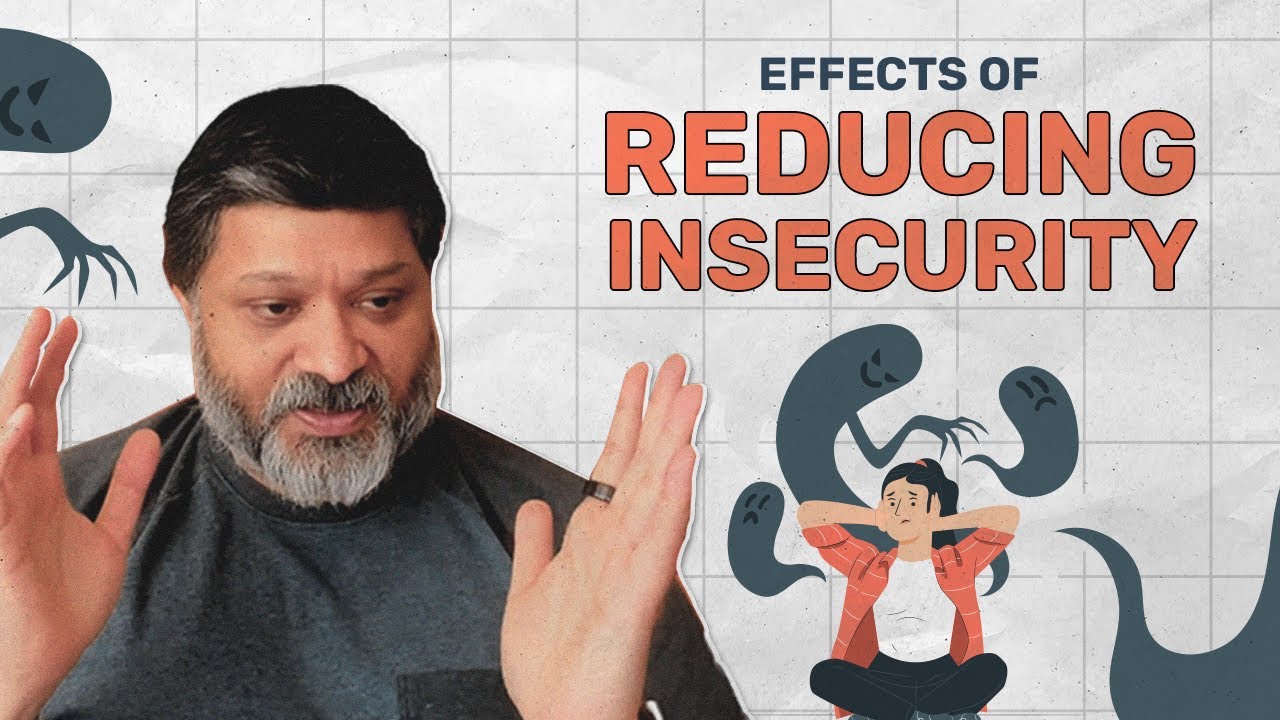
Dharmesh Shah argues that insecurity suppresses risk-taking and creativity. He recommends tracking not just experiments attempted but ideas deliberately left untried, citing Bessemer Ventures' public anti-portfolio of companies they rejected as a way to surface blind spots and unlock better decisions.
Chapters
Insecurity is probably one of the worst dysfunctions. If you can, like, manage to take insecurity out of a team, amazing things happen, right? Wow. If you can take insecurity out of yourself, amazing things start to happen. I never thought about that. When people are worried, they're just not feeling secure, they tend to take less risk, they're making worse decisions. And that's the thing that makes first-time entrepreneurs' lives so hard. It's because if you're self-aware at all, you're like, you're insecure for a reason. You're insecure because you don't know what the heck you're doing. We've got 50 people in the company and I have no idea what I'm doing. But then you power through it. Yeah. And if people feel more secure, they can be more creative. Definitely. Take more risk. Yeah. One of the things I'm thinking about on culture is I think as you grow, and this has been well documented, it's like, you know, you just have this risk aversion. The stakes get higher, right? Mistakes are more expensive, at least in theory. And you actually have to actively push people to take risks. You can't just say, oh, like we accept risk or we're okay with failure or whatever. We're going to start rewarding failure. And so the other thing we're doing is lots of companies track the things that they tried, but the things that you essentially failed to try, you deliberately said, eh, we're not going to do that, that never gets documented. We're going to start tracking those things. And the reason is, are we misguidedly avoiding certain kinds of classes of things we don't even try, essentially? And the best kind of corollary, which I love, Bessemer Ventures, one of the VCs, has the anti-portfolio. So they kind of publish, here are the companies that we had the opportunity to invest in that we didn't. The anti-portfolio. The anti-portfolio, right? And how did that perform versus the ones they selected? Exactly. And so that kind of stuff starts to surface when you're doing things just wrong, the data starts to show it. Right. Otherwise, we're losing this entire body of data when we only track the things that we actually track.