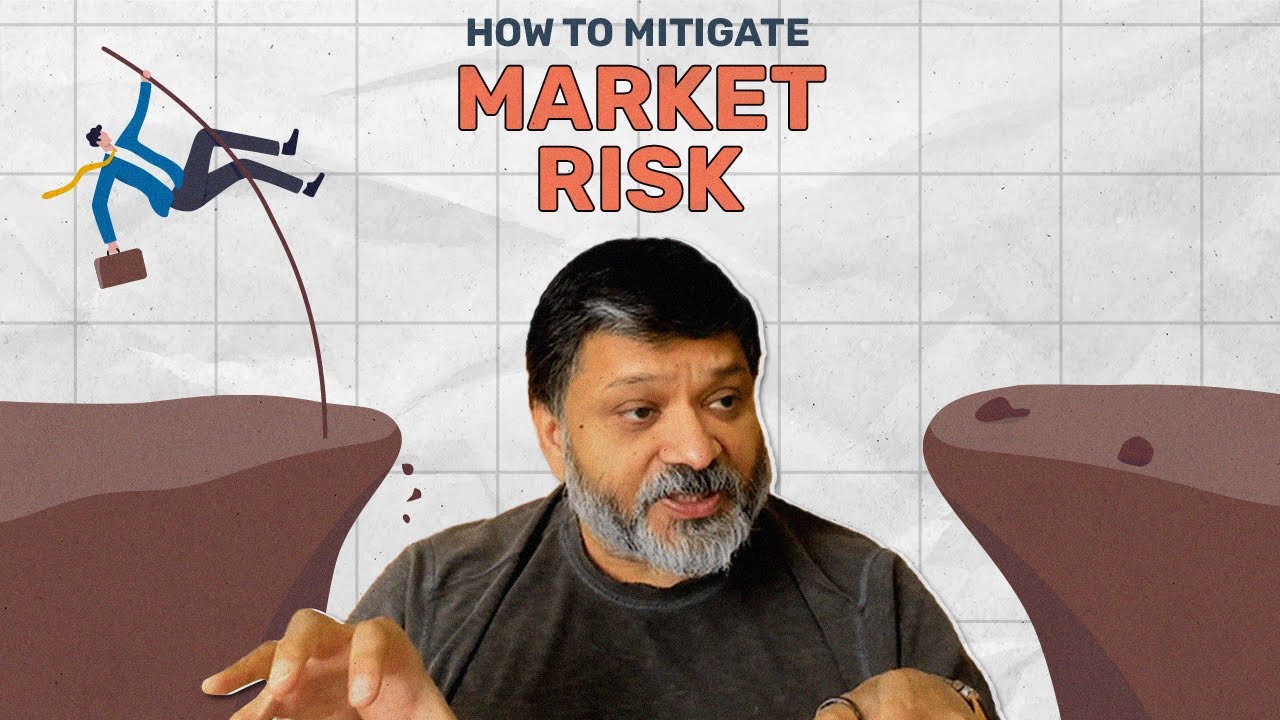
Dharmesh Shah explains how HubSpot uses a Customer Happiness Index to test if an idea works. The key: charge customers from day one and bill monthly so they can leave anytime. If they stay despite an imperfect product, you've found something people actually need. Shah's wife was HubSpot's first paying customer and stayed subscribed, proving real revenue validates demand.
Chapters
On the list of things that have made HubSpot modestly successful, we have this number at HubSpot called the Customer Happiness Index. It tries to approximate the degree to which a customer will continue to pay us money over time. Like, are they gonna cancel next month or not? It's a probability score. And the thing we kind of realized over time is that, A, we were able to sell customers. That was good market evidence, and we never gave the product away for free. My wife was our first customer, and she's paid from day one and still paying today. And we wanted to mitigate market risk. First thing we did is we charged early. And the second thing we did is we charged often. We wanna do this kind of monthly thing. We want every single customer to be able to walk out the door every single month Because the fact that they didn't walk out the door tells us something. The fact that they bought tells us we're reasonably good at sales and the pain was acute enough. If they stay, that means even though the product sucks, they're staying. That means they really, really need the product. Essentially, there's an acute market need. And so once we kind of figured that out, it's like, okay, well, customers are buying, but more importantly, they're staying despite the fact the product sucks. That's sort of kind of when we had suspicion that at least we had found a market opportunity.