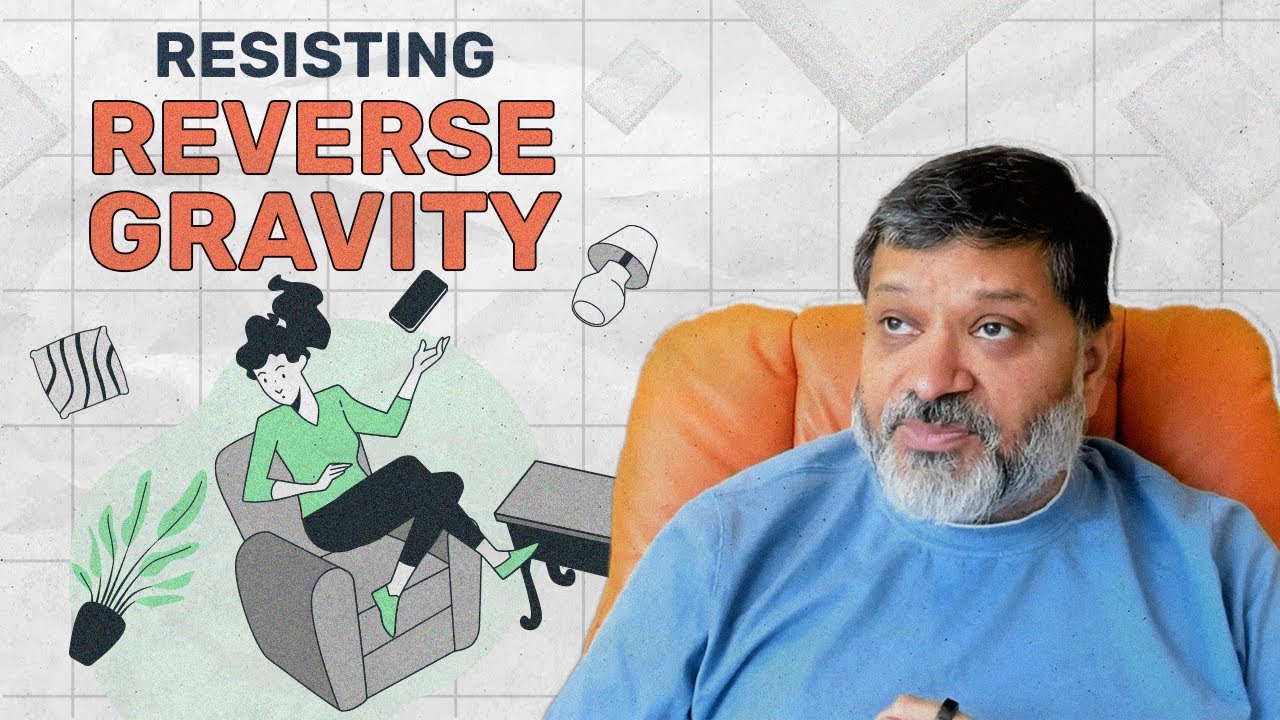
Dharmesh Shah explains HubSpot's "reverse gravity" thesis: software naturally gets more complex and moves upmarket unless you fight it. Enterprise customers concentrate revenue and control your roadmap. Starting in SMB gives you high ground because scaling up is easier than scaling down.
Chapters
Our thesis at HubSpot is that in the software industry, you have what we call reverse gravity, that over time, unless you actively resist it, the product will get more sophisticated, more complex, and you'll be able to charge more money and you'll move up the enterprise spectrum regardless of where you start. And so we actually actively resist it. And the reason we don't like enterprise software is not because it's like bad or evil or anything. It's just really hard in today's day because then you have all the evils of enterprise software, which is revenue concentration, where a single customer is writing you a big check. And so they influence the product roadmap, which makes it hard to build the business that you want. So HubSpot essentially actively resists the degree that that we can getting pulled up. We know over time it will get pulled up and revenues per customer are going up, but we're going to push back on it as hard as we can because if and when the time comes, it's like, oh, it has to be like we have to move up or whatever. We think whoever has a lower price point, lighter weight product in the stage in the software industry, the right strategy is to be smaller and lighter. That's high ground because it's much easier for a company that's in the SMB space to go up than it is for the reverse. So if we got it wrong and we start with enterprise, like, ah, that didn't quite work out, we want to move to small business, that's near impossible. Very little precedence for that.