Consumul de alcool provoacă daune serioase pentru creier si organism.☝🏻👨🏼⚕️

A short multi‑speaker YouTube discussion (host Mihail Pautov with two experts) about why alcohol is the most harmful drug: it causes wide-ranging physiological damage (brain, heart, liver, stomach) and societal harms, partly via the toxic metabolite acetaldehyde. The speakers also mention policy levers to reduce alcohol harms (reducing availability, lowering drink‑driving limits, taxation).
Chapters
More from Mihail

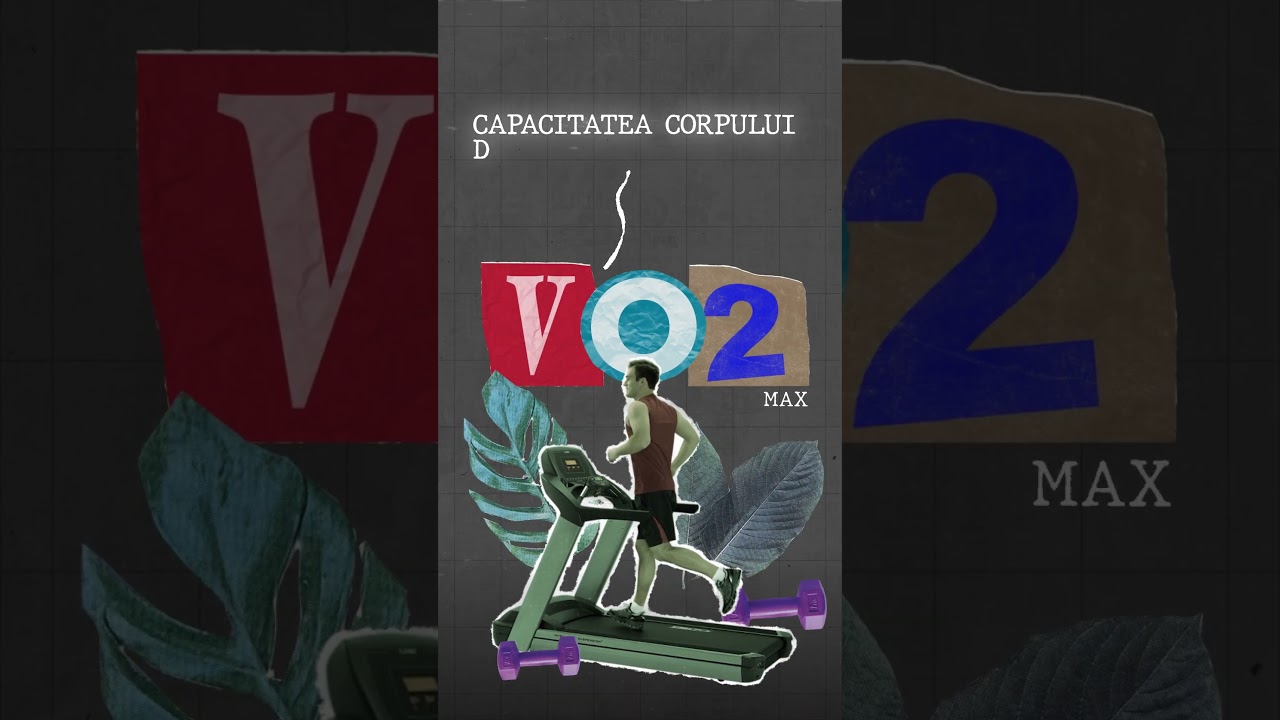
Faci sport constant? Ți-ai măsurat vreodată VO2Max? Scrie-mi în comentarii ce valoare ai. 👍🏻

Tu cât de des consumi gustări dulci? Știi cât zahăr rafinat se ascunde în alimentația ta zilnică? 🍬

Uitându-te doar la încheietura unui pacient afli deja ce trebuie să știi despre el.
Tu ce crezi despre asta? Cum ar putea să te susțină partenerul în timpul nașterii? 🧑🏻🍼



Ai făcut vreodată o spermogramă? Orice bărbat care vrea să fie tată, ar trebui să o facă.