Iată care sunt efectele THC-ului, substanța activă din cannabis, asupra creierului. ☝🏻👨🏼⚕️
16 Sept 2025 · 1 min

0:50
Mihail Pautov explains how THC binds to brain receptors and alters function, producing relaxation or intoxication. The video covers how endocannabinoids act as neural brakes and accelerators to maintain balance, and mentions THC's potential to reduce pain or treat epilepsy.
Chapters
More from Mihail

youtube.com
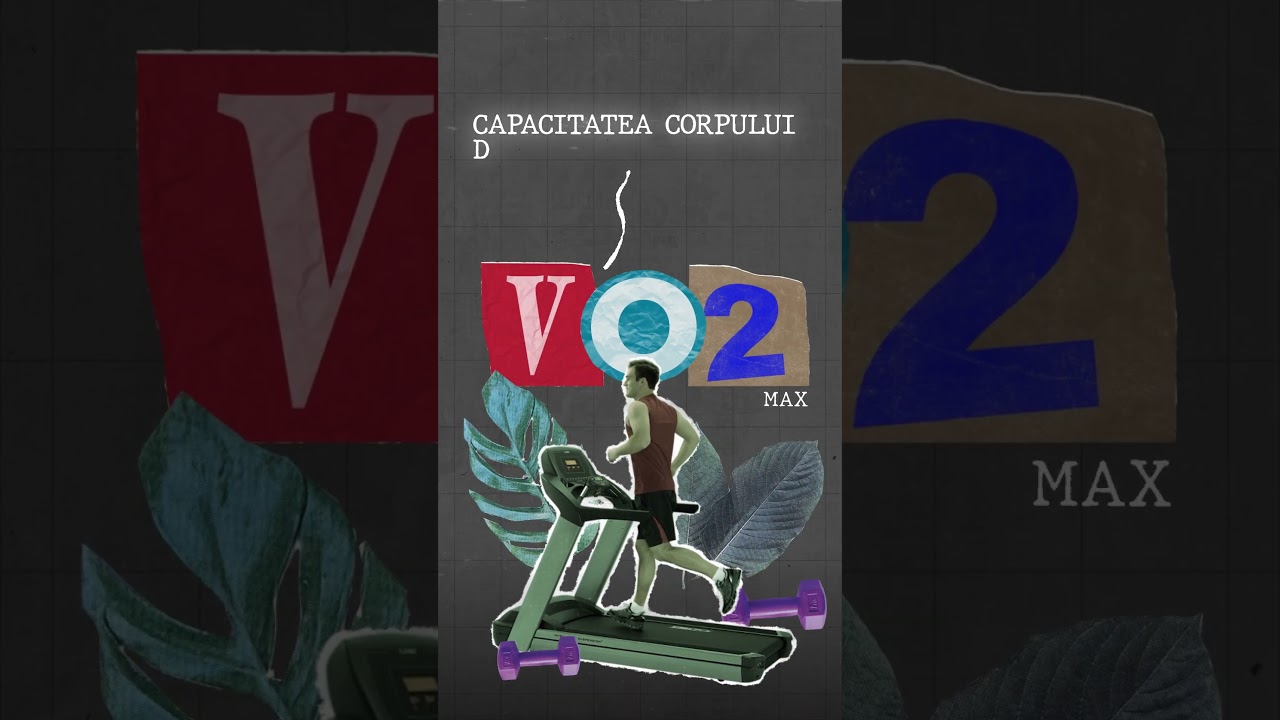
Faci sport constant? Ți-ai măsurat vreodată VO2Max? Scrie-mi în comentarii ce valoare ai. 👍🏻
3w ago
youtube.com
Tu cât de des consumi gustări dulci? Știi cât zahăr rafinat se ascunde în alimentația ta zilnică? 🍬
3w ago

youtube.com
Uitându-te doar la încheietura unui pacient afli deja ce trebuie să știi despre el.
3w ago
youtube.com
Tu ce crezi despre asta? Cum ar putea să te susțină partenerul în timpul nașterii? 🧑🏻🍼
3w ago




youtube.com
Ai făcut vreodată o spermogramă? Orice bărbat care vrea să fie tată, ar trebui să o facă.
3w ago