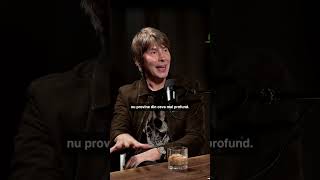
Nu avem încă informații certe despre când a apărut Universul sau când a început timpul☝🏻👨🏼⚕️ 🌠
11 Jun 2026 · 1 min
0:59
Einstein resisted the idea of a cosmic beginning until evidence forced him to accept it. We still don't know what time actually is or how the universe started, but that uncertainty is what drives science forward.
Chapters
More from Mihail

youtube.com
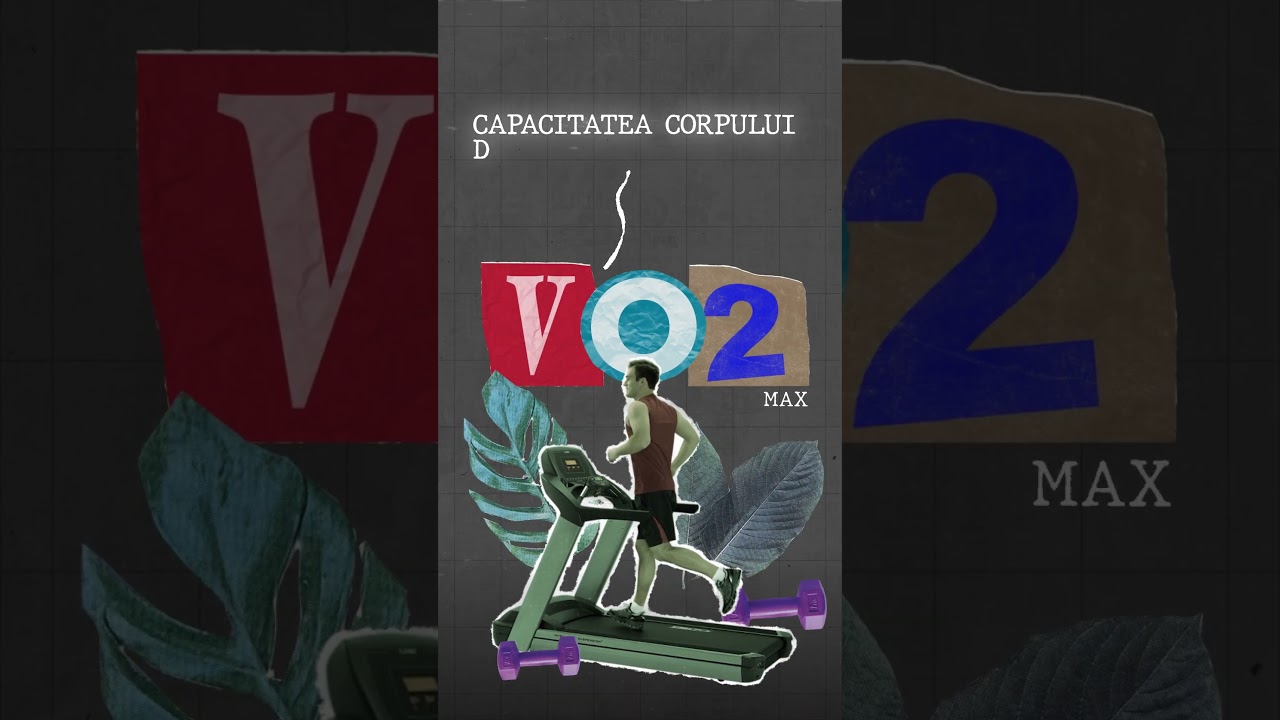
Faci sport constant? Ți-ai măsurat vreodată VO2Max? Scrie-mi în comentarii ce valoare ai. 👍🏻
3w ago
youtube.com
Tu cât de des consumi gustări dulci? Știi cât zahăr rafinat se ascunde în alimentația ta zilnică? 🍬
3w ago

youtube.com
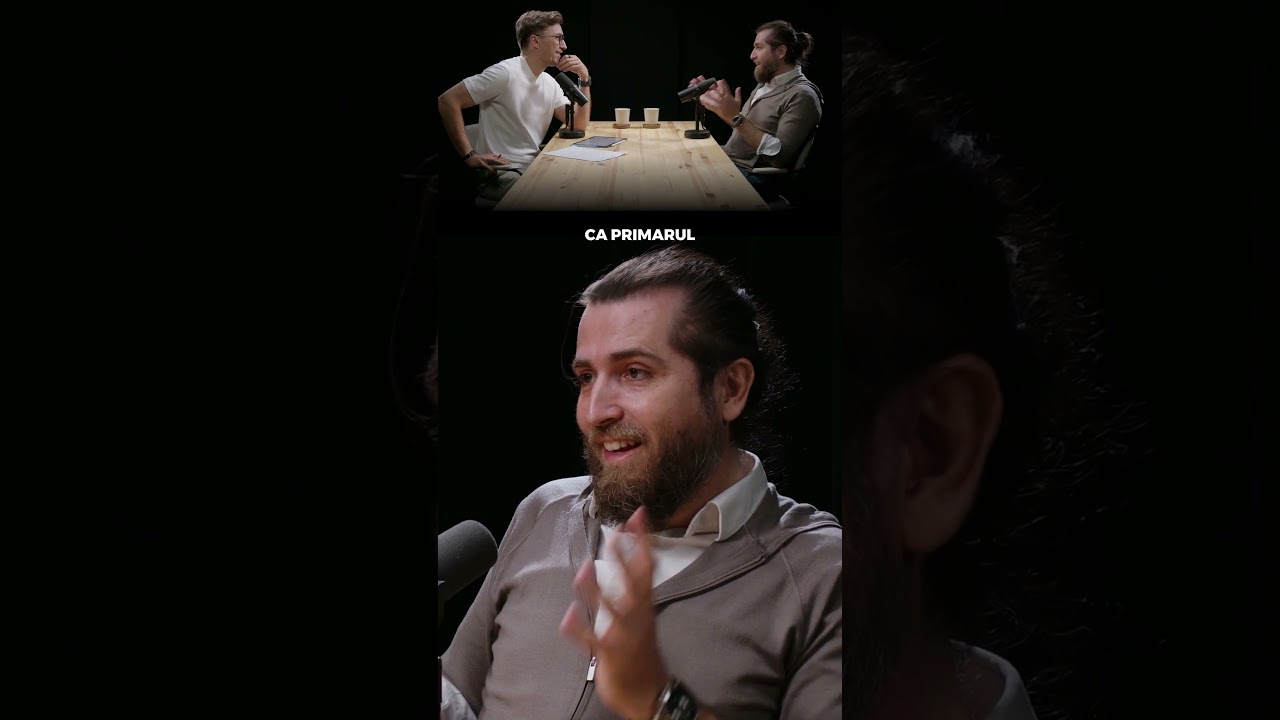
Uitându-te doar la încheietura unui pacient afli deja ce trebuie să știi despre el.
3w ago
youtube.com
Tu ce crezi despre asta? Cum ar putea să te susțină partenerul în timpul nașterii? 🧑🏻🍼
3w ago



youtube.com
Ai făcut vreodată o spermogramă? Orice bărbat care vrea să fie tată, ar trebui să o facă.
3w ago