Rușinea îl face pe copil să se perceapă pe sine greșit. Tu știai asta?☝🏻👨🏼⚕️👧🏼
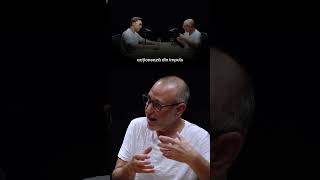
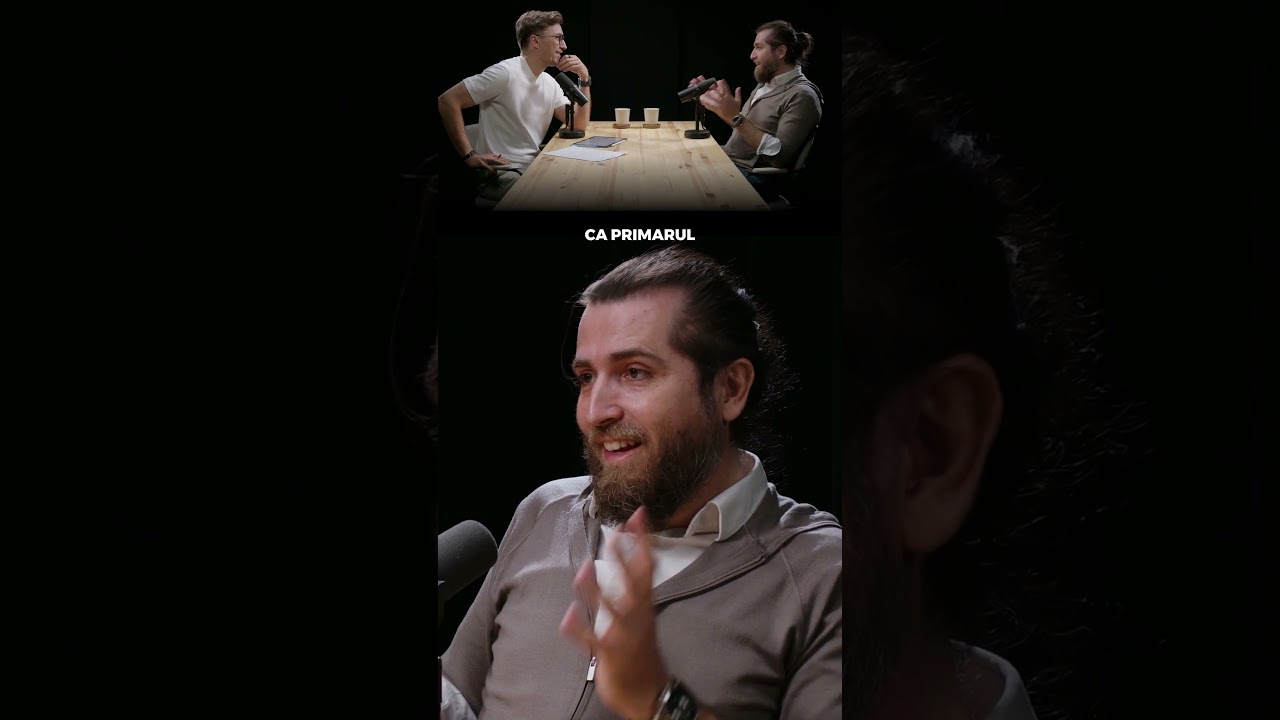
A short excerpt from a YouTube interview (host Mihail Pautov and a guest) about the harms of shaming children. The guest explains that using shame can lead children to internalize a sense of being fundamentally wrong, truncate parts of their personality, and lose uniqueness; by contrast, a loving parent–child relationship with apologies and resiliency can reduce long-term harm.
Chapters
More from Mihail

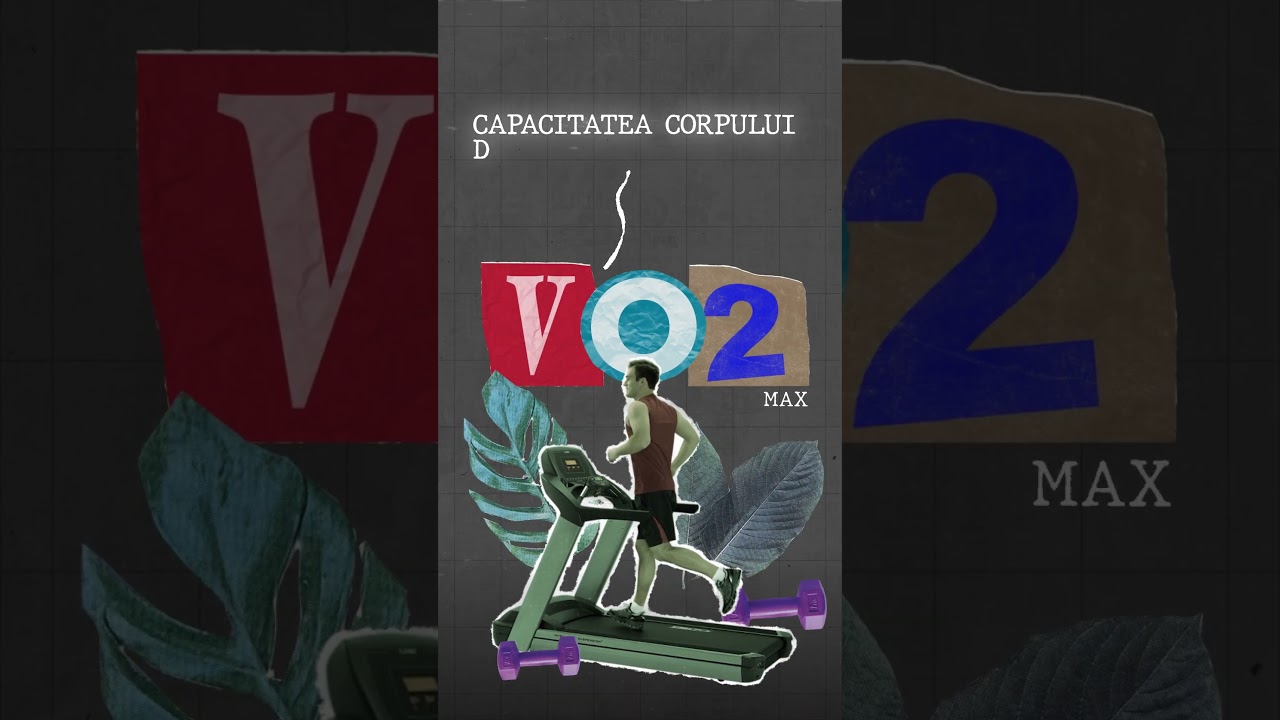
Faci sport constant? Ți-ai măsurat vreodată VO2Max? Scrie-mi în comentarii ce valoare ai. 👍🏻
Tu cât de des consumi gustări dulci? Știi cât zahăr rafinat se ascunde în alimentația ta zilnică? 🍬

Uitându-te doar la încheietura unui pacient afli deja ce trebuie să știi despre el.
Tu ce crezi despre asta? Cum ar putea să te susțină partenerul în timpul nașterii? 🧑🏻🍼



Ai făcut vreodată o spermogramă? Orice bărbat care vrea să fie tată, ar trebui să o facă.