Te simți diferit și îți e rușine? A fi unic nu e un defect, ci un dar. 🌟👨🏼⚕️☝🏻
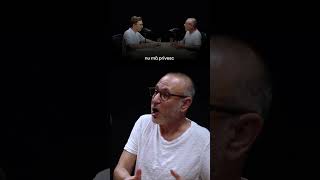
A short monologue from a YouTube self-help/mental-health talk addressing the shame of being different. The speaker emphasizes the importance of solidarity and finding community (or reading others’ accounts) to normalize experiences, contrasts cultural/internalized criticism with supportive micro-cultures, and reframes uniqueness as non-pathological.
Chapters
More from Mihail

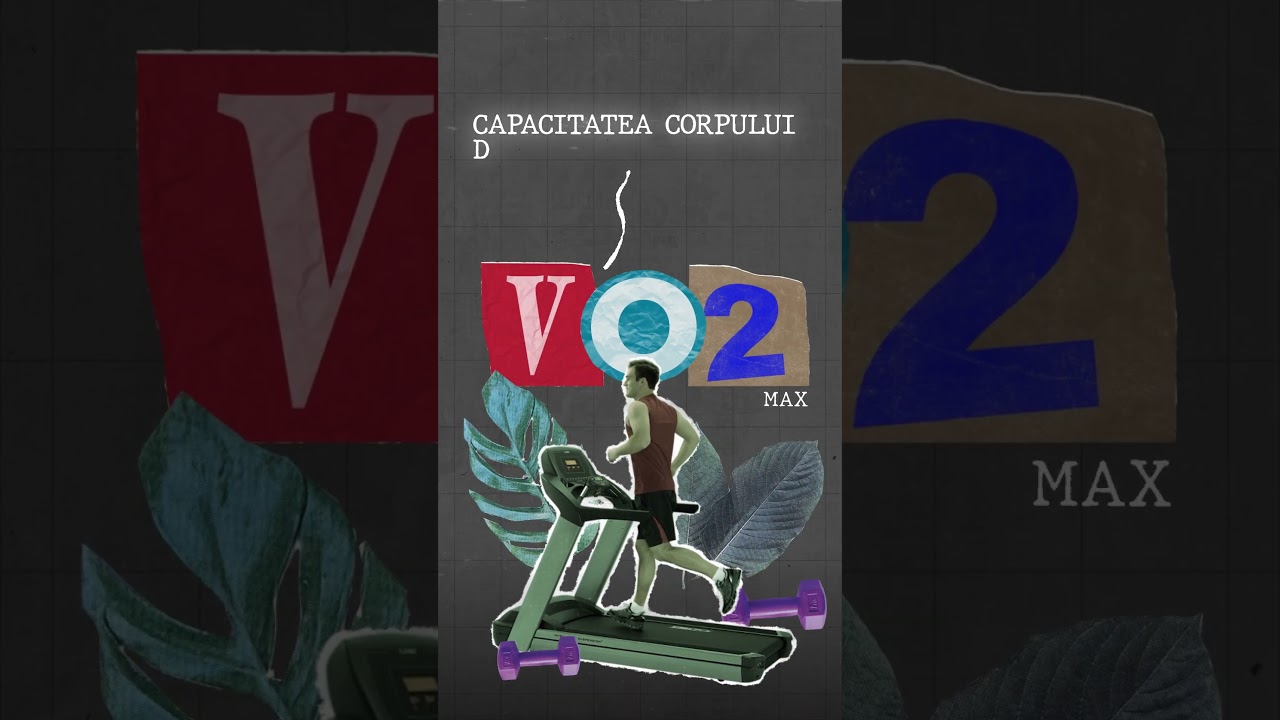
Faci sport constant? Ți-ai măsurat vreodată VO2Max? Scrie-mi în comentarii ce valoare ai. 👍🏻
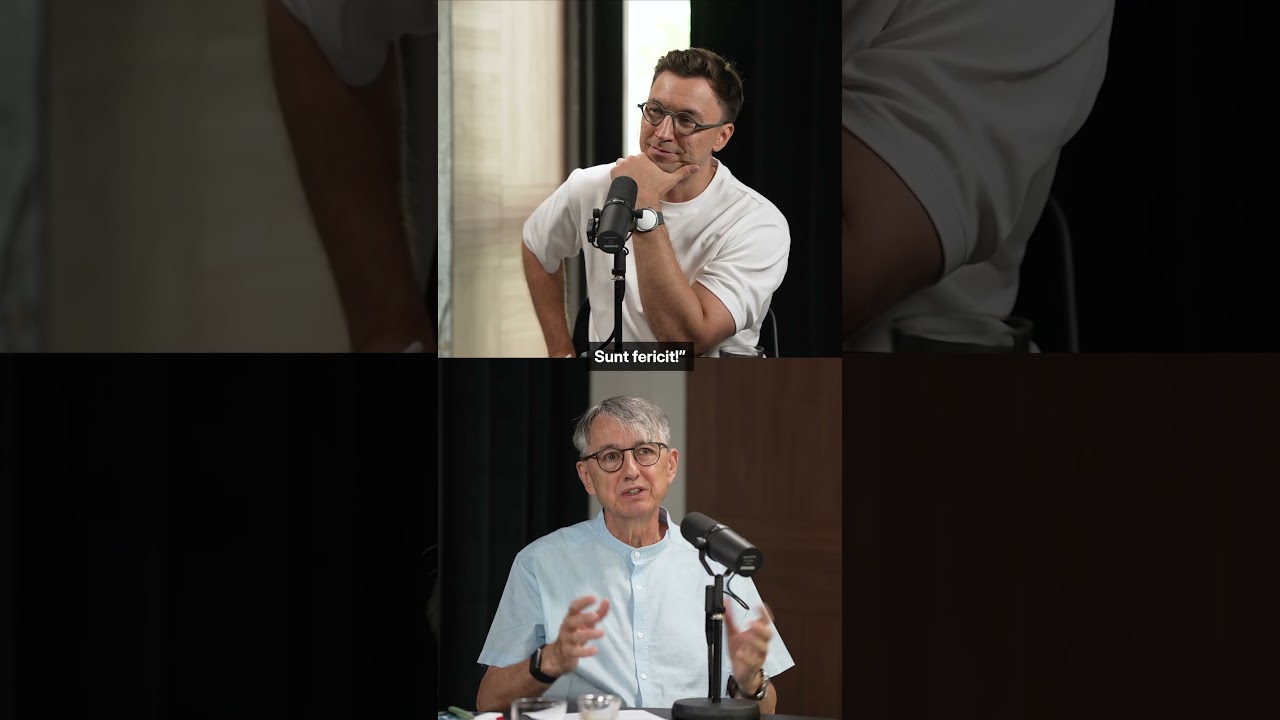
Tu cât de des consumi gustări dulci? Știi cât zahăr rafinat se ascunde în alimentația ta zilnică? 🍬

Uitându-te doar la încheietura unui pacient afli deja ce trebuie să știi despre el.
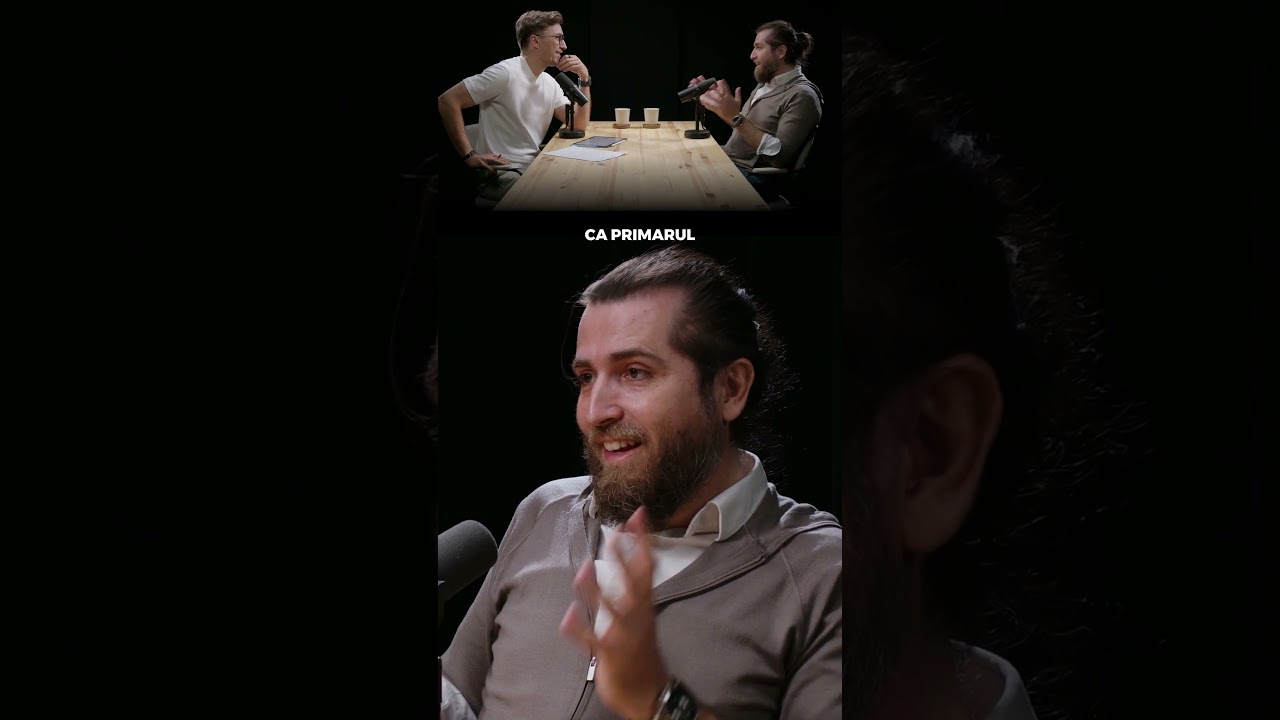
Tu ce crezi despre asta? Cum ar putea să te susțină partenerul în timpul nașterii? 🧑🏻🍼



Ai făcut vreodată o spermogramă? Orice bărbat care vrea să fie tată, ar trebui să o facă.