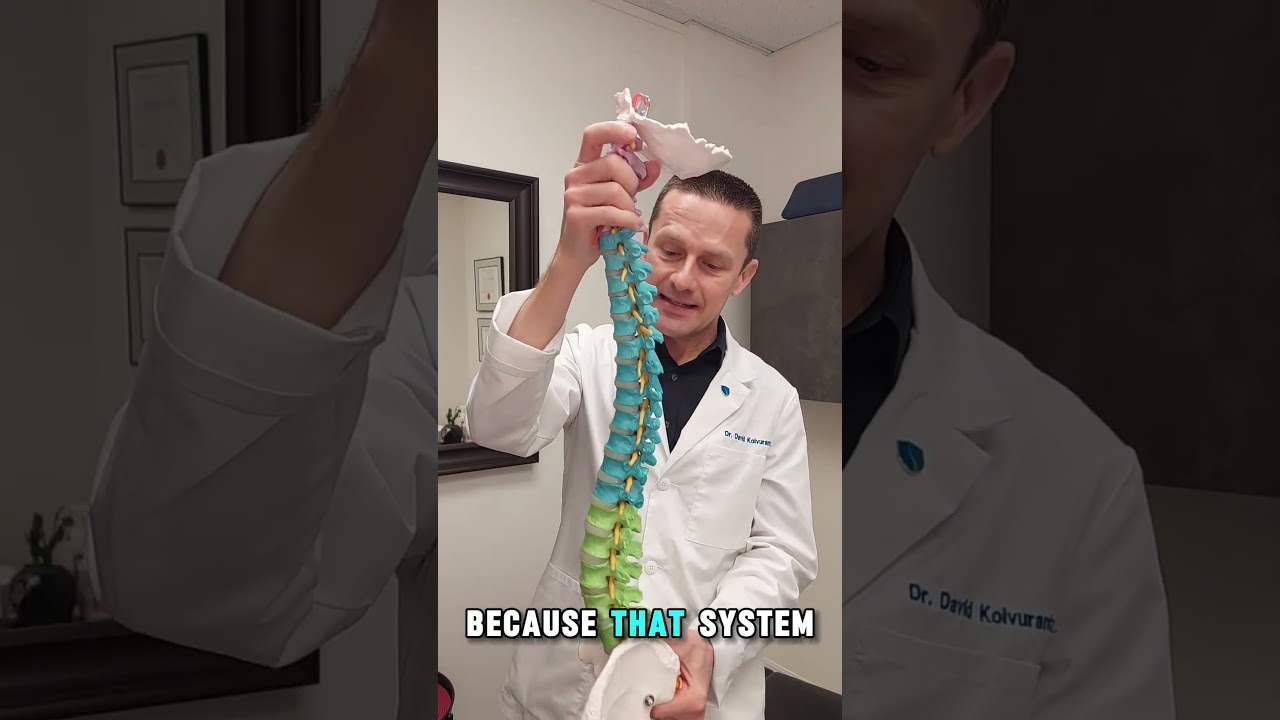
In this concise health‑advice monologue, Dr. David Koivuranta uses the everyday task of doing laundry as a metaphor for maintaining neck and back health. He explains that, just as we schedule time to keep up with laundry, we should proactively schedule time for preventive exercises, posture checks, and overall self‑care to avoid chronic neck and back pain. When pain does arise, he stresses that the immediate response should be rest and healing rather than jumping into corrective exercises. Once the acute phase subsides, the focus shifts to strengthening, improving flexibility, and stabilizing the spine to prevent recurrence. He also emphasizes the importance of seeking professional advice—whether from medical doctors or paramedical providers—early in the pain episode to receive guidance, motivation, and a tailored plan. Throughout, the speaker encourages listeners to view these steps as simple, manageable habits that, when consistently applied, lead to a healthier, less stressful life.
Chapters
Sometimes life gets really busy and we fall behind. We fall behind on our taxes, we fall behind at work, we fall behind in our relationships, and we even fall behind on our laundry. But if we don't take the time when we have the time or we can make the time to do things like our laundry, you don't want to find out on a Tuesday during the week that you have no clothes and you now have to do laundry on the worst day that you want to do any laundry, which is in the middle of the week. So when it comes to our Well, sometimes that would— that's what we discover with people who have neck and back pain is that by the time they have the pain, they suddenly decide that now I'm going to do the things that I should have been doing that would have maybe helped keep this from getting this bad or not happening in the first place. And yet, depending on the nature of the type of the problem, when you have the pain is not the time to be doing those things to try and get it better or make it better. Sometimes in pain you do need to think, let things rest and heal, and then once they're better, you support that with trying to get them to be stronger, more flexible, stabilized, and that's okay. Now it just depends, every case is different, but don't let your health be like your laundry. Take the time, make the time, find the time, and we will fall behind. And just knowing that that's the truth is enough of a reason to motivate us to at least make an attempt. All right, and when that pain does come and we know we've fallen behind, it's the best time to go out and see somebody. It doesn't matter who it is, medical, paramedical, get some advice and encouragement and motivation to get get that situation improved so that it's optimized, or at least has a better chance, so that when you've decided now that you don't want that to happen again, and I'm going to go back to doing those things and make the time and take the time to keep myself well, it's going to be easier to do. Because sometimes if we don't improve those problems and we leave them there even though we're feeling better, it's hard to accomplish avoiding those problems if we aren't operating from a place where we can actually do that successfully. So I hope that kind of makes sense. Basically, don't let your health be like your laundry, or stay on top of your laundry and health, and life will be better in so many different ways. All right, little tidbit of information for you today. Hope you found it useful.