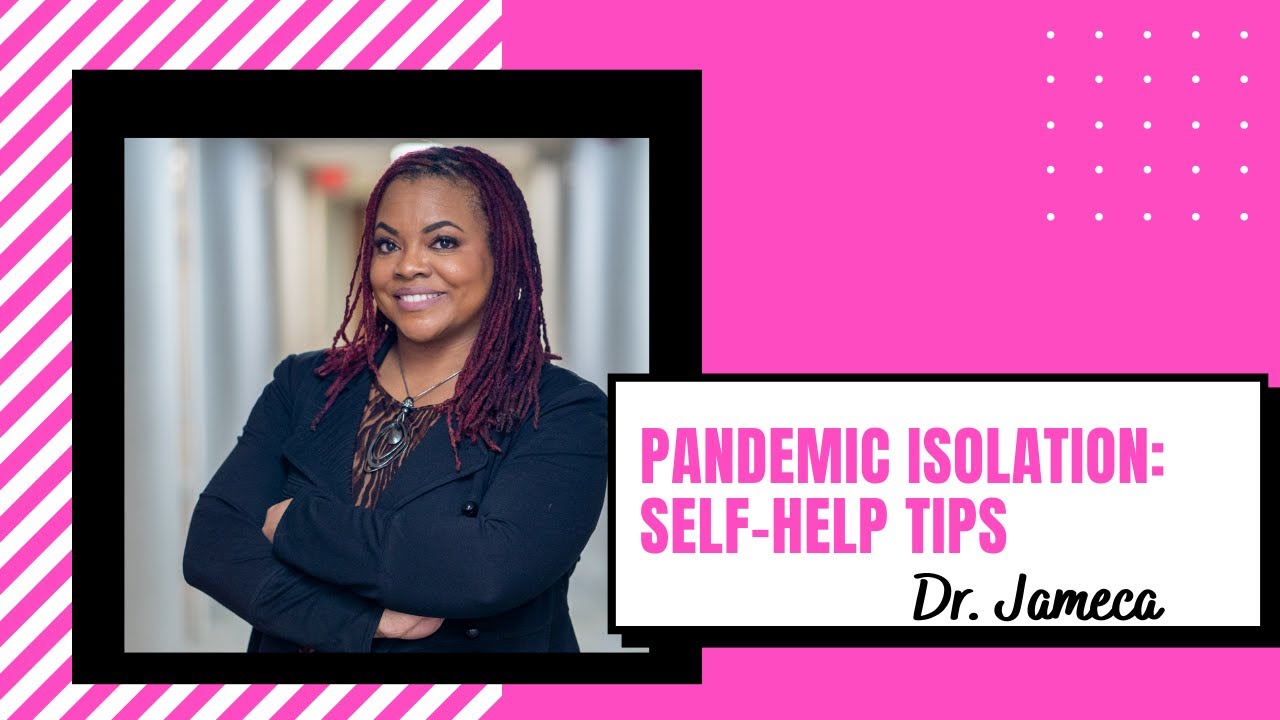
In this video Dr. Jameca Cooper, a clinical psychologist with 15 years of experience working with older adults in the St. Louis area, explains why pandemic‑related isolation is a serious mental‑health risk for seniors and offers practical self‑help strategies. She describes how isolation can increase depression, anxiety, hopelessness, and overall health decline. Dr. Cooper then outlines three main avenues for mitigation: (1) proactive outreach to family, friends, and neighbors—including peers in assisted‑living settings—to foster regular conversation; (2) learning and using technology—smartphones, text messaging, and social‑media platforms—to stay connected with younger relatives and broader networks; and (3) overcoming cost barriers by repurposing donated devices (older phones, tablets, computers) from family members. Throughout, she emphasizes that even modest steps can enrich seniors’ lives, reduce feelings of loneliness, and improve mental well‑being. The video concludes with an invitation to watch a follow‑up video on helping loved ones and a call to subscribe.
Chapters
Hi, I'm Dr. Jameca Cooper, and today we're going to talk about how to help older adults that may be isolated as a result of the COVID-19 pandemic. And I have a couple of different approaches to tell you how to help someone in that environment or in that condition, because it really depends on if you are that person or if you know someone who would be that person that is the older adult. But I'm going to give you a couple of tips today that I think can help with that isolation. What I've seen in my practice with older adults is that those who are more isolated from society or from the community that they live in, those adults, older adults, tend to suffer from higher levels of depression, higher levels of anxiety, and also with the depression tends to come symptoms like hopeless, feeling hopeless, feeling helpless, and not really being interested in what the world has to offer. So that in and of itself can contribute to poor health conditions later down the line for older adults. So we definitely want to change that in the lives of older adults if we can. Why am I talking about older adults? Because as a clinical psychologist and— in the Midwest, one of my areas of concentration is working with older adults and mental health. I've been doing it for about 15 years now, and I am one of the few practitioners in the St. Louis metro area that specifically deals with older adults. So I have a good amount of experience in, um, what their needs are. So how to help someone that is an older adult suffering from isolation. So if you are the older adult in question. So some of my tips would be for you to, number one, reach out to your friends and to your family for more communication, for more connection, for more conversations. Sometimes what I see with older adults is that they don't want to interfere with the lives of— they see younger people who are still working as being busier and maybe not having time for conversations or phone calls, but My suggestion to you is to reach out to your friends, to your family, whether it's your children, your grandchildren, reach out to them and call them more to get that conversation, that dialogue, so that you can feel more a part of their lives. So that's one thing. The second thing I would say is to connect with your neighbors if you have neighbors, um, people that you can talk to, and hopefully some of those neighbors are your peers or similar ages., just to connect, to see what is going on with them in their lives and in the lives of their families. If you live in a place like an assisted living or a nursing home, then again, you would still connect with the neighbors that you have. It's just that those neighbors would be in closer proximity than they would be if you lived outside of the facility. My one big tip if you are an older adult is to learn technology. As you can see, in 2021, most of the communication that we see is based in technology. We all have to learn technology and stay up on really what the trends and the changes are so that we know what's going on. So if you're an older adult that's isolated, you can learn technology by learning how to use a smartphone, maybe purchasing a smartphone, and then finding out what that smartphone can do other than call. So in other words, getting involved with text messaging. Maybe you haven't tried that before, but this is— would be a good time for you to try it and learn how to use it. Because if you're an older adult, what you've probably noticed is that most young people communicate via text. So if you can start using text messages, that will get you way ahead, and you could be able to feel more a part of the lives of the younger people that you know. So text messaging is part of technology. Social media is also a part of technology. So what I found with my older adult patients is if they can cross that barrier of learning technology and to learn how to use social media, they can find that their lives can be really, really increased, really enriched. They seem to be more alive, they really enjoy it, and they are surprised at all the capabilities of social media. They're surprised that, oh, they can see all their other family members, and they can send messages, and they can comment and like. That really fascinates them. It's quite intriguing to an 80-year-old individual that they can see people who live all across the country in a whole different state, um, and still connect and talk to them that way. That, that's really new and cool to them. So if you're an older adult and you can learn technology and learn how to use smartphones, get on social media, text message, that would be great for you and would help you feel less isolated. I know, I will say, it's not always an option for an individual to just go out and buy a smartphone because it is cost prohibitive in some ways. It's not like smartphones are cheap. They are quite expensive. And if you're living on a fixed income, you may not have the expendable income to be able to go and purchase a smartphone. So what are some things you could do if you can't purchase a smartphone. Maybe you would have a computer, maybe you would have a tablet. And what I can definitely say, what I see with my older adult patients, is that if they don't have the technology, usually their family has the technology. So in other words, they have children or grandchildren that have tablets or phones that they don't use anymore. They could donate those to their older adult relatives so that they could learn how to use technology that way. Um, many younger people upgrade their phones every year, so they would probably always have older phones or older tablets or laptops just sitting around not being used that an older adult could use. So those are definitely some ways that I would say to, um, increase your communication with the outside world if you are an older adult and if you feel that you have been more isolated during the pandemic. These are some things you can do to hopefully feel better about where you are and to feel like you're still a part of something, to feel like you're part of your family and your community. And these are my tips for you if you're an older adult today. Make sure you tune in for another video on how you can help loved ones and family and friends around you that may be older adults. So make sure you subscribe.