Herbal Antibiotics for SIBO with Dr. Hawrelak
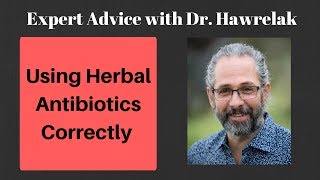
Video interview (YouTube, Aug 27, 2019) of Dr. Jason Hawrelak by Josh (SIUBA Survivor) discussing use of herbal antimicrobials for SIBO. Key points: confirm diagnosis (breath tests using lactulose, glucose, fructose and clinical history) before antimicrobials; many herbal agents (pomegranate husk, oregano, clove, thyme, garlic) can be effective and some are selective (garlic, pomegranate husk, ajwan, caraway oil) while others (berberine-containing herbs, concentrated enteric essential oils) are less selective and risk colonic damage; Dr. Hawrelak typically uses tinctures (≈60% ethanol) to extract both volatiles and polyphenols, which may be more microbiota-sparing; typical herbal antimicrobial course ~10–12 weeks with many patients improving by week 4; caution about extended high-dose use (>~3 months) of potent non-selective agents (risk loss of bifidobacteria, reduced diversity); probiotics and prebiotics (e.g., hydrolysed guar gum) are used alongside treatment to improve outcomes and protect the colon; rifaximin appears relatively selective among pharmaceuticals.
Chapters
Hello, everyone. Thanks for tuning in today again on the SIUBA Survivor show, and I'm super excited to be able to sit down again with Dr. Jason Horlik. I interviewed him in the past about probiotics and kind of going over some details and some nuances about how to use those if you're dealing with intestinal issues, specifically IBS and sibo. But today I brought them on and I wanted to chat about the topic of antibiotics and herbal antibiotics, just because this topic I think people need to become more educated on because there can be risks with these things. And it's best if you kind of go into this with the right approach and the right questions to talk to your doctor about as well.
So.
If you didn't see the previous episode with probiotics, feel free to check it out. But I'll do another little quick intro about Dr. Jason Horlick. So he's a naturopath, an herbalist, nutritionist, and a gastrointestinal consultant. And he's considered one of the leading experts in the treatment of gastrointestinal conditions with natural medicines. So his passion for gastrointestinal health, the microbiota and probiotics, was ignited during the final year of his naturopathic training. And then subsequently he did honors and PhD degrees in the areas of gastrointestinal microbiota, IBS, and the clinical applications of pre and probiotics. And he's written extensively in Australian and international textbooks and journals on these topics. So he is the perfect person to ask about how antibiotics and herbal antibiotics can have an effect on the microbiota and on your population of bacteria. So welcome, Dr. Horlick, and thanks so much for joining me again.
Thanks, Josh. It's a pleasure to be back on your show again.
Definitely. So I guess is there anything else you want to add about yourself before we get going?
I mean, I think that was probably a lot of information. It's probably too much. I mean, I think the only thing I'd flag is that I've been a natural clinician for that time period, too. So I've been in practice for nearly 20 years, and essentially I graduated in 1999 and started doing my research looking at gut microbiome at that time point, and particularly we were looking at the impact of herbs on the microbiota as part of my PhD project, which was done in the early 2000s. So I've been fascinated with the interactions between diet, herbs, prebiotics, probiotics, and the microbiome for that whole time. And it's fed in really well to my clinical practice, which is just related these days.
Very cool. So let's just start off first. I just want to kind of discuss with you, I guess when you have a patient or you're seeing someone who's having these intestinal issues, IBS or maybe they've done a breath test and they're showing sibo. So how do you determine what goes through your thinking and your diagnosis, your diagnostic process to determine if it'll be beneficial for someone to use antibiotics or herbal antibiotics just because. And I think a lot of people these days with the term SIBO focusing a lot on just killing. So I want to kind of just understand when, how you decide it's best to use antimicrobials in this treatment process.
Okay. And I do think it depends on what they're presenting with. And I think a lot of the, my first consultation is really about taking a thorough case and hearing their story and trying to pick out details because you're a bit like a digestive detective, is how often explain it to people that we're really trying to work out what's going on, what's causing these symptoms. Because there's a whole range of different, you know, gut conditions and diseases that can cause bloating, distension, abdominal pain, changes in bowel patterns. So I think it's foremost, it's not just making assumptions or self diagnoses, but actually getting a good clinician involved that can actually help determine what's going on. I think that's the key. And once you do the right suite of tests, then I think we clearly know what's going on. And if I can, you can discern, you know, SIBO cases that are presenting with a label of IBS versus a post infectious IBS that might actually have the same symptoms picture but actually are very similar, but not have any SIBO component. So a post infectious IBS that doesn't have sibo. I'm not going to use herbal or any sort of antimicrobial treatment versus a positive sibo. Then I often in the vast majority of my cases I present with a positive SIBO test. We will use herbal antimicrobials. I think there's the odd exception of kids, young kids particularly, who have a hard time dealing with foul tasting tinctures that I prescribe and those extremely sensitive adults that by the time they see me have had years of treatment with other people that result. Where they're at now is they can't handle sulfates or amines or oxalates or this whole Range of different things and they're eating like eight foods and it's far harder to work with because the tools that you know, would be super reactive to. So and those people, it's about finding the right right herbs for them in the right form and the right dose, which is not as straightforward as it is for people earlier on in their sibo journey.
Gotcha. So basically it sounds like first year you want to make sure that they have sibo. Right. Because you're saying that some people can have these issues. Let's say it's post infectious IBS and maybe they don't present with Sibo when you do testing or whatever.
Yeah, for sure. And I think that that's huge because you might have someone that goes to Bali or Mexico gets tribalist diarrhea and then their gut's never well since, you know. So I think there's a few things that we need to tease out about that is one, is the bug that made them sick still present, which can occur. Two, SIBO can occur post traveler's diarrhea or food poisoning event, but you can also just get post infectious IBS where you've got this residual inflammation and damaged nerves in your gut that isn't sibo related, but it was caused by that initiating infectious agent which is gone. And antimicrobials are going to be useless. And actually I'd argue if using the wrong ones, it's going to be harmful for the healing process and getting that gut working properly versus the scenario where there's an infectious agent that's still present, then we will target that. And then obviously if sibo is present on testing, then we'll target that. I think comparable antimicrobials have a key role in that scenario.
Yeah, definitely. I think it's really important because step one is just making sure that you have Sibo or that you have some type of infectious organism going on. Because like you're saying you can be having these symptoms without having that bacterial overgrowth.
Yeah, that's huge. And there's so many people that I've worked with over the years and who make it self diagnosis, I suppose that they got sick all overseas and therefore the bugs are still present. Or it's obviously sibo because of something they read in the blogosphere and they haven't been properly tested. And, and you do see patients that have essentially self restricted their diet dramatically taking lots of pharmaceutical and self prescribed herbal antimicrobials that have left their gut in far worse state than what it ever was before they commenced Treatment. So, yeah, I appreciate the importance of actually working at exactly what's going on and not making assumptions based on the initiated event or symptoms, because so many conditions can present with those very vague, essentially symptoms from a gut perspective.
Yeah, definitely. Very important. So, next, so basically, when you've decided it's going to be beneficial, let's say someone is presenting with SIBO or an infectious organism and you decide it's beneficial that you can target either herbal antibiotics or conventional antibiotics. Like what is your. What is the typical timeline for using these type of drugs, essentially? Or antimicrobial.
Yeah, and I should probably clarify that too, that in Australia, naturopathic clinicians don't have pharmaceutical prescribing rights and that's where I practice from. So I don't ever prescribe pharmaceutical antibiotics. I just use herbal antimicrobials and pre and probiotics and dietary changes. The core the way that I approach sibo, and in the very rare cases that that approach doesn't work, I'll consider the suitability of referring onwards for what I would see bigger ground treatment with pharmaceutical antimicrobials. But thankfully that I can't say my practice is extremely rare. Yeah.
So you're saying, I guess you're saying that for the most part, Right. Herbal antimicrobials can be just as effective as these other pharmaceutical options from your experience. Right.
Well, they're effective and I suppose because I don't use a pharmaceutical, I can't say they're one way or the other, but I can say that in the vast, vast majority of patients, herbal antimicrobials work. And I think sometimes it's a matter of finding the right herbs for that person. Because we're limited with the technology we have for a diagnosis with placebo, we're using breath tests, which, you know, they're debatable accuracy, but I mean, I do rely on them in practice. And what they will tell you is that there's bacteria making hydrogen or methane in your small bowel or not. Do they tell you what species are involved with that? No, not really. So you can get a bit of data around methane and going, okay, you're a methane producer then. Yes. You've probably got methane and river bacteria Smithii as a key player in that scenario. So that's useful bit of data, but otherwise we're not. So we're having to guess what species are involved and then we try to target our herbs to go, okay, what are the most likely? Well, it's how I approach anyone. We're the most likely species we find in people with sibo. And then I choose the herbs based on that data, but it's not. We can only individualize that so much because we don't have that specific data for that patient, let alone not even. We know the antimicrobial susceptibilities go beyond species but down to strain specificity for that patient, you know, So I would say that sometimes we need to do a bit of trial and error to get the right herbs for that person, because their overgrowth, the bacterial strains that are. That are involved with overgrowth, are unique to them and therefore will. May well display unique attributes. Now, luckily, most people will respond to a set of herbs that I would typically use, but there will always be a small percentage that down, which require a little bit more trial and error to get there.
Gotcha. So you're trying to determine basically, you know, the organisms that are caused or the gases that are being produced and the organisms that they have. And then from there, you're deciding what type of herbal antimicrobials can be the most effective for this person.
Yeah, in the way I do breath testing, I do. I don't just use latulose. I use lactulose, glucose and fructose. So three. Three sugars. One, because I think we get a. I can say clinically, you get a much better accuracy rate that the number of people I see flatline on lactulose, but then spike on glucose or fructose, particularly fructose, is huge. Lbt. I'd actually miss a diagnosis because lactulose is a selectively fermented substrate. Only some gut bacteria can ferment it. So you're limiting what it's going to pick up pretty dramatically if you just rely on matchulus for one and two, that can give us data, because if you have microbes in your gut that don't eat lactulose but do eat fructose or glucose, then it gives me a bit more of an idea of what species might be there and how to target. And conversely, if I have bugs that eat all three sugars, then I might select my herbs a little bit differently based on that. So I find those breath tests can be helpful for obviously, diagnosis primarily, but you can get a little bit of data around that guides the use of herbal medicines as well. Not just a hydrogen methane perspective, but also what substrates are used by the microbes.
Very cool. And it's, you know, very complex and fascinating. So I guess my question is, and a lot of people are probably wondering is like, do you have, let's say, a few herbs for each type of, you know, gas that's produced? Like, how do you usually go about selecting these herbs?
Yeah, so it does go back to what I sort of laid out before about. But because we can't work out what species are there, Barbenthin or Riverbacter, then we're sort of working on other research that has essentially sampled people's small bowel and go, okay, what do those studies say? What sort of correlates with some of those common species that are found in people's small bowel that have sibo? And then that's what I'll be basing that on. So I think there are some herbs that tend to, based on some research I did as part of my PhD, but looking at the broader herbal antimicrobial research is out there. And there's actually a fair bit out there, most of it sadly just in vitro at this time point, but because of the cost involved with doing actual human research. So there's a number of herbs that I would use commonly, like pomegranate husk. I would use oregano, clove and thyme would be very common herbs I would use to treat both methane dominant sibo and hydrogen dominant, as well as garlic. And we know that allicin rich garlic extracts can be useful for both types of sibo. And the cool thing is that we know that garlic from other research, and certainly some that I did as part of my PhD, is very selective in terms of microbes that it kills off. So I'm not worried about it having collateral damage effect on the ecosystem. And also same with pomegranate husk is clearly based on the data we have selected and how it works. And then the other herbs that I would commonly use, like oregano, the clove and the thyme, the form that it's in is immensely important and that if we choose a form like an enteric coated essential oil form, we're getting super concentrated up the antimicrobial components, super concentrated up of those, a little small suite of the phytochemicals of those herbs, which makes them extremely potent and I'd say not very selective and how they actually work. So for me, I use tinctures and tinctures where we've chosen the alcohol percentage carefully so that we're extracting some of the volatiles, but we're also getting the other polyphenols and that's what's missing with the entericoted preparations and the polyphenols. Have antimicrobial effects as well, but they're selective and we've got lower concentration of the volatile oils that are less that aren't selective. So essentially I find that we can get the best components of those herbs and I think they may well take a little bit longer to work than the concentrated up into coated essential oils. But you don't get damage to the chronic ecosystem. And that I think is huge. Particularly when we're looking at long term, not just trying to get your symptoms reduced for two weeks. But let's go. What do we want to do to prevent this from happening long term? What do we want to do to improve your overall health long term? And I think that so much stems from microbiota nourishment and microbiotic care. And I think that where the choices herb is really important whether we're using agents that are going to damage the colonic ecosystem and potentially long term versus agents that are selective and leave the good guys intact in the colon.
Yeah, very interesting. So I'm actually studying herbal medicine a little bit myself. And so basically when you tincture, right, like you're pulling out different extracted and you're saying that the polyphenols, are they acting as, are they feeding good microbes? Is that how they act as a buffer or.
Yeah, polyphenols are very cool compounds because in general they exhibit antimicrobial effects against pathogens and gram negative food spoilage and food poisoning type bacteria. And some of these ones we see commonly in sibo. And on the other hand, the polyphenols do work as food sources for our beneficial anti inflammatory gut species. So you get that, that double aspect to them, which I think is very cool.
Very cool. Yeah. And then so you're saying with the enteric coated oil capsules that someone would take, they don't, they're a little more destructive because they don't have those other extractives, right?
Yeah. And the concentration is much higher too. I mean if I took, you know, a big bottle of oregano tincture in one dose, I reckon I would get aims for destructive qualities from these volatile components as I get from an intercoated capsule. It's just the quantity because the amount of oregano that goes into making one of those tiny capsules is huge. You couldn't sit down and eat a plate of oregano, you would get sick and feel horrible to eat that much oregano to get the amount that's in that capsule. And the tincture is an in between concentration. So we use alcohol often, we're using 60% ethanol or alcohol to extract out the quantity of the volatiles. But we're also getting those lovely polyphenols at the same time. And it's slightly more concentrated up than just chewing on the plate of oregano. But. And we probably get a slightly higher concentration of the volatiles because we're using alcohol added to solid. But we do, as I said, they tend to work more selectively. And I've done so much in the way of pre approach microbiome assessment with my patients that I've seen this clinically over here, which has been brilliant.
Yeah, really cool. So basically you decide at this point in our kind of our conversation selecting the proper herbal antimicrobial based on someone's gases and the bacteria that's causing issues. And then another thing that people probably need help or need help understanding is timelines with these things. Because, you know, there are people out there who maybe take number of different protocols a few times. And so what are your kind of guidelines on timelines that you use these protocols? Is it like a month and then you take a couple months off? How do you go about the timeline?
Yeah, so for me we would. A typical treatment pattern for someone that has a very positive clear SIBO diagnosis would probably be about 12 weeks. 10 to 12 weeks. Yeah. And as I mentioned before, I think about the herbs that I tend to use in the tincture form for many people work probably slightly on a slower rate than what a mega bomb of berberine and mega bomb of essential oil capsules will actually do. I would say that the. I do get people that get relief in a week or two, but the median time is around week four. I don't know why, but that's something I can say from working with hundreds of patients as week four something switches and all of a sudden their gut symptoms go or start to start diminishing rapidly from that time point. And then we continue on that for longer than that. And through trial and error with patients I've worked at, that 12 week span is generally good that if I stopped it at week six, then symptoms would come back in a certain proportion relatively quickly. But when I do it for that period of time, we're generally remission for a longer time period. For most patients, then we will move them on to a maintenance phase that might be around, you know, using prokinetics, et cetera, to just help make sure things are moving, make sure they're pooing frequently, make sure they're eating the right, the right things and avoiding the wrong things. That will Essentially have a greater risk of bringing people back.
Yeah. So is there really like how long would you say is too long if you're going over 12 weeks or if someone is taking like you know, herbal antimicrobials for longer than, let's say two or three months, is that just too much? Like what, what do you advise people on, on those?
Yeah, no, those are good question. And it really does depend on what they're taking. Yeah. So if you're taking mega doses of berberine, then three months of megados of berberine will cause negative shifts to ecosystems. I've certainly seen it and I've seen that even, you know, completely eradicate bifidobacteria from people. So it's extinct. So I think certain herbal protocols we need to be more cautious with mine, for the occasion person, I need to go over that. I'm not particularly worried about that because I've done enough testing to be confident that we're not causing collateral damage to the colonic ecosystem. But when it comes to the volatile oil, essential oil and terrac coated products with megatives of the berberine, then I think there's got to be more caution around the duration time that you take it. You can always do microbiome assessments every, you know, if money is not such an issue and you're very curious, you can do one every couple weeks and go, okay, what impact is it having? Sadly there's going to be a couple week delay even if you're in North America to probably find out what the impact is. But it will help probably get a bit of a feel for how things are going. But I've got more caution around the more potent non selectively acting antimicrobials for more than three months and if possible they might sooner than that. And for me it's more a matter of it because I'm not using those tools for that time period in practice. So what I've observed is the microbiome assessments pre and post for people that are seeing other practitioners taking those medications and going, okay, this is what the consequence has been. You've had a massive loss of diversity and no longer have bifidobacteria. And your. But microbes have decreased dramatically.
Yeah, very. You know, I think it's important and it's something that I, even as I learn more about the microbiome, like, you know, I think it's important to do a pre and a post, you know, when you use any type of herbal antibiotic or any antibiotic just to see what kind of a Shift you, you know, amass in your system.
Yeah. And then to see how well you've. You've gone to restore things back as to the best of your capacity, I think it just brings awareness to the, of the importance of that ecosystem. And I think that's, that's grown lot. I mean, really, when I started reading my first microbiome papers in 1999, there weren't that many people that were passionate about the importance of this ecosystem and protecting it. You know, we'll call cost because it's such a vital place, so many vital roles in your overall functioning. And I think it's really challenging to be optimally vital if your ecosystem is shot really. And with plenty of data showing that's the case. Case now. So I think if we're doing anything that brings awareness of the importance of this ecosystem and cherishing it and looking after it and then nurturing it after, we have to use agents. You know, there are times and places for using antibiotics. They save lives, they save limbs, save organs. Otherwise we'd lose them, in which case we need to take them. But then I think it's looking okay. How can we minimize the damage and help repair it afterwards? It's got to be huge on our agenda. And I think we just need to flag that herbal medicine, some have got the capacity to cause damage to the gut ecosystem too. And I'd say not as much as thankfully as most antibiotics would do, and perhaps need to take it higher doses for longer periods of time before we'd see those similar sort of shifts. But it should be something that's on our radar as both users and prescribers of her medicines.
Yeah. So I mean, talking about the maintenance or, you know, helping not to cause major issues while you're doing these things. So is there anything like, do you usually use pre and probiotics alongside these protocols and do they help this, you know, prevent this alteration?
I would suggest yes. I think for me, using pre and probiotics in my sibling treatment is something I've always done, which probably is somewhat unique to some practitioners out there and some patients, ears too. Cause I know that, that in some circles they're controversial. Not for me, based on the research data that we have, nor in my clinical experience that we get good results using them. And I would see prebiotic parts through hydrolyzed Oregon would be a core aspect of treatment of sibo, whether it's hydrogen dominant or methane dominant. For example, we know from research that it brings down methane overproduction. We also know that it improves the Efficacy of antimicrobials for hydrogen dominant sibo. So it's like, how can we. Those are both good outcomes. Plus it's going to help protect and nurture some of those butyrate producing bacteria in the colon that might otherwise be getting a bit of a rough trot. So yeah, for me it's a bit of a no brainer to use that now. There is occasional person that can't tolerate that, but thankfully it's extremely rare and most placebo patients can. Most patients I guess can take that. Well, unlike some other prebiotic fibers that might need a bit of gapcon first before they're capable of doing. But that's one that is, and there's certainly a huge body or a growing body of research and I think quite substantial now showing the benefits of taking probiotics alongside or as a component of SIBO treatment or even just as SIBO treatment based on some of the data that's there. There was a lovely meta analysis published, I think it was last year where they looked at probiotics and SIBO treatment and the data was clear that these are useful agents to help with sibo. I think the reality is we as clinicians have to be more selective in terms of going, yeah, just take a probiotic, this will work. It's multi strain, high cfu. It's like, no, choose the strain that has the right action that's going to help this patient, you know, that's got data showing is helpful for the treatment of Sibo or for speeding up transit time or for healing up a damaged gut. If we choose probiotics, well, we get much better results and better tolerability as well.
Yeah. So with the. Have you seen, with your pre and post microbiome assessment tests, if you're giving someone a treatment and you also tell them to take pre or probiotics alongside their herbal antimicrobials, do you see a difference in the shift at all? Have you seen that?
Well, I've never not done it. I can't say that protocol has always included it and I'm not going to go. I'm curious what impact it has deprive you of this treatment that's probably going to help and protect you and do that for a few patients. I'm not going to do that for my patients, so I won't have that.
Yes, that's interesting because the people who probably don't do it probably don't want to get the data right. So it's interesting.
Yeah. And I do wish there's more of that done by practitioners treating sibo. What impact is it having on the clonic ecosystem? And for me, from my research, I just fell in love with the colonic microbiota when I started delving into the research from late 90s, early 2000s. And it's just so vital for good health that we all have flagged since that time. And particularly since I did some of that research looking at herbs and their ability to damage good species in the gut back in that early time window too of going, we should be aware of this and we really need to cherish this ecosystem and avoid the use of agents that will cause harm unless they are necessary. And we've tried these other things first. And it goes back to this idea, naturopathic medicine. We talk about this idea of a therapeutic spectrum that we use agents that are least that are going to be affected and least likely to cause harm first before we move further over into the more harmful agents. And there are times that we have to start, as I mentioned before, in that range because it's going to save this person's life. But there are other times where we're working in like we've got window here, we don't have to pull up the big guns yet. We can actually work with agents that are safer, more selective, less likely to cause harm first.
Yeah. So speaking of selective and non selective agents, can we just discuss which herbal antibiotics are more destructive to beneficial bacteria and which ones have a more selective action.
Yeah, so that was one of the, the things I was curious about. So we did some research on my PhD. So there's some data that's coming there and there's other data now starting to look at that. Now if you look at that, most of the data looking at herbs and as antimicrobials, they're really interested in what it killed. So they're only testing good pathogens and it's only more recently they were going, okay, what impact do these herbs have on the beneficial bugs? So that's nice to see that field blooming of the last few years. But before that all we had was more destructive, destructive data. But my research I think was pretty fascinating because we took representative species that were seen to be prominent in people's guts based on the data we had back in the early 2000s. And we essentially just exposed them to different concentrations of a range of herbs that were typically used as antimicrobials or just for gut disorders more broadly, like peppermint essential oil. And we wanted to see what impact it would actually have on the growth of that species, whether it would inhibit it or not. So it was fascinating from my perspective because we come up with ones like garlic that was very selective. You could get a dose of garlic that would inhibit the growth of pathogens completely but leave the vast majority, all the beneficial microbes like Bifidobacteria lactobacillus for example, alone, which was great. And we also looked at caraway oil and an ayurvedic herb called Ajwan and that also seemed to have selective activity. Even though we looked at the essential oil component at the doses at a certain dose, we could actually find preparation that was good at killing off pathogens, but left the good guys intact. Other research, as I mentioned before, has shown pomegranate husk to be a fantastic agent for a range of both fungal and bacterial and protozoal infections. Bifidobacteria actually encourages bifidobacteria growth and, and it's been on to lactosilize and has got anti inflammatory effects. It's a very cool herb and very underutilized herb, which is starting to change, I must say. But I've been pounding on about the wonders of Hombregap has for the last decade and so commercially available more so in the last couple of years, thankfully what the research was saying. And then there was herbs that were not selective really much at all. And those were the berberine containing herbs know, so people often think of berberine as a substance is one alkaloid that's found in a number of herbs like goldenseal and coptice chinensis to be two that are probably more commonly used and that those herbs were not particularly selective, that the dose we were using that would kill pathogens would also kill off beneficial bacteria, particularly bifidobacteria was very susceptible to berberine, for example, and then oregano oil was good at killing most things. By our Lactobacilli we could find a dose that was acceptable for killing pathogens like Candida albicans, for example, that didn't kill Lactobacilli. So I've used Organo for vaginal thrush, for example. And we can, because there we want Lactobacilli but we don't want Candida. So we can use the right preparation of the right form and get good results in that regard. And then things like peppermint oil and fennel oil that were not particularly selective. So the dose required to cause antimicrobial effects killed good guys as well as, you know, potential pathogens. And then last but not least, I should have to mention grapeseed extract or citrus seed extract as a natural preparation. And I put that in quotation marks purposely because we know it's generally spiked with triclosan and benthodium chloride and methylparaben, which is why it is so effective as it was. And it killed everything at tiny doses, everything across the board or even more so than our positive control, which was clindamycin, which is a more potent antibiotics that you can use. But this was far greater than that. But it's not natural. I think that's the thing that people need to flag taking arthrograde disinfectant type chemicals which not recommended in general and certainly not from a gut microbiota damaging standpoint.
Yeah, it's crazy. So it's with that it's probably just the chemicals killing bacteria.
It is. The researchers actually tried to make an antimicrobial compound out of citrus seed and they could not, no matter how they prepared it, what makes them. And they did a market basket survey. So the products on the North American market that weren't spiked with these chemicals did not have any antimicrobial activity at all. And really all the antimicrobial activity was due to the triclosan and benthodium chloride.
Yeah, interesting. So definitely stay away from that one.
Yes, yes.
So when you're, you know, when you're using these. I think you kind of already mentioned it before, but do you, do you usually start with the selective ones and then like kind of work your way, last case scenario, move towards the more destructive ones? Is that how you approach it?
It is, it's definitely how I approach it. And thankfully we're generally able to get there. Even if it's not the first first go, the second or third go, we're able to still choose primarily selected acting agents before and get results. So seldom have I had to take my fallback position, which would be hydrogens of berberine and enter coat essential oils. Seldom had.
Yeah. And then the other interesting thing that you kind of discussed was how you know the type, the form you take it in. Right. Whether it's a tincture or a powder or you know, an essential oil capsule. So you're saying that all of those different extractions have a different effect on the microbiome. Right.
For certain herbs, definitely that would be the case. So if you look at oregano as a case in point, that if you, if you grind up some lovely dried sort of. I'm just looking because I've got some organization, Oregon growing right out there. But if you if you try it out and mill it up and then encapsulate it, you're going to get everything. You're going to get some fibers you're going to get which is going to feed some beneficial microbes. You're going to get the polyphenols and you're going to get some volatile components. Yeah. So that, that actually is, I think it a very effective and safe way of taking oregano, like clonic microbiota. Safe, I should say explicitly the tea. The tea actually will select out the polyphenols, but not much of the volatiles. You get a little bit of the volatiles floating on the water. Most of it has like steamed into the air. That's why you can smell it. And there's a good chunk of it left in the herb. Yeah. So you're not going to get much of that, but you're going to get more polyphenols. So that can be. And I've used oregano tea to treat SIBO before in some patients too. And you can get good results using the right herb is tea. And you're relying more on the polyphenols to do that, the sort of killing than you are the volatiles. But there's a little bit there now with tinctures, it depends on the alcohol percentage. Now if you use a low alcohol, you don't pull out the volatiles very well or the essential oils, but you use 50, 60% ethanol like we do. You actually pull out the volatile oils, but you also get the polyphenols. And as I said, for me, this is the happy. The happy medium, easy to take. No, no preparation involved. You know, you just take it down a shot and stuff. It tastes foul, but it's. It's otherwise easy to take. And we're getting the benefits of both those categories of herbal compounds. Whereas the volatile oil were only. So the intericodescent oils were just getting a super concentrated volatile oil. And we're leaving everything else behind. And you will get different impacts on the gut with different preparations.
Yeah, definitely. And like we discussed before, adding the other extractives like the polyphenols that you get from the alcohol concentration, these, these kind of work as a buffer. Is that correct to. I don't know, but actually maybe not a buffer, but like they work to kind of protect beneficial bacteria a little.
Bit more, is that I'd see it that way. And because they. Polyphenols do work as food sources for our beneficial species in our gut. But you're also. But they're also working as antimicrobials? Yeah, in the same. And they're also working as antibiofilm agents against pathogens, too. So it's like we're getting an additional suite of actions from these compounds that we're improving the antimicrobial activity, I'd say making it broader in terms of the compounds that are there working. But then we're also getting these similar compounds having a dual role of actually feeding and nurturing up some of the species in our colon as well.
Yeah, definitely. So if someone uses herbal antimicrobials and they work a few effectively, but then they relapse and their symptoms come back. As far as a guideline for future treatments with herbal antimicrobials, do you usually allow a certain period of time after a treatment? What is kind of that? What does that look like?
Okay. I mean, I think if there was a very quick return, then I would actually go right back onto the treatment that was working before. I would see it as insufficient treatment duration that we're able to knock back numbers, but not actually eliminate would be the wrong word. But knock back enough. And then I'd be thinking, okay, let's look at the maintenance strategy that we've devised for you. Hasn't worked. If you just come back two weeks later, I'd see it mostly as a matter that we haven't done treatment duration for long enough. It came back six or eight weeks. Looking at, okay, what's wrong with our maintenance strategy? What have we done? Or what have you accidentally done that may well have inadvertently brought the back. Like, I had patients where binge drinking was the driver of sibo returning and Christmas in the years, so they just drank more than they otherwise would have, and then boom, sibo comes back in early January. And that was the driver. So it wasn't as if the maintenance protocol wasn't working. It was just. It couldn't deal with the effects of alcohol stopping, slowing small bowel motility and selecting for the growth of gram negative proteobacteria in a small bowel, which is what alcohol tends to do.
Okay. So, yeah, I guess. So if you're gonna. Let's say, you know, like. Like my question, if you're gonna. If someone did the treatment and it came back, like you're saying, after a couple of weeks, like, you don't. You don't really have an issue, like, treating them again, like, I wouldn't.
But I'm also using herbs that I know aren't going to cause that sort of collateral damage. Okay. So I would be In a different mindset, if, if I was using high doses of Bern or Entericot essential oil preparations that had herbs that weren't selective in terms of the herbs there were and the dose that they were in, then I'd have caution around frequent use because I've certainly clinically seen patients and particularly this would be a combination of being on very plant fiber restricted diets and then doing herbal antimicrobials and sometimes plus or minus some rifaximin and some other antibiotics occasionally thrown into the mix and their gut function deteriorates. Yeah, the placebo might have gone, but their colon is far worse and their symptoms are worse than what they were averaging to begin with. And I think that's due to the overall damage that's happened to the colonic ecosystem, increasing colonic inflammation because we've managed to not feed and or kill off the BJ ray producing microbes and bifidobacteria who play a key role in healing, keeping the colon functioning properly and protecting against visceral hyper and nerve inflation colon, for example. So I've had more caution around frequency of use in that scenario.
Yeah, gotcha. So, yeah, that's, I guess that's kind of what I was trying to get at is like with what you're doing, you're going to be careful with the selective activity. But if someone is using more destructive herbal antimicrobials, is it wise to space it out and not keep doing that? Right. For a long time?
Yeah. In that case, you have to try to balance these two things of how much has the return impacted your quality of life? If it's just a little bit of bloating and distension has returned, then maybe you could just go in with, you know, if you're doing garlic and berberine and intercoential oils, maybe just go in with garlic at that point and then we don't have to worry about the killing off, you know, colonic bacteria as part of that treatment approach. So there might be ways of fine tuning the treatment so that we're not going to get that damaging aspect. But it's also, I mean, if you're impacted and your quality of life is huge and your fatigue is absolutely massive and your depression comes back roaring back and then you've got these horrible gut symptoms as well. It means you can't leave the house. Then you have to seriously think about how to get out of that hole. And then you weigh up the pros and cons of different situations that scenario. Look at the previous treatment you took, how Effective, was it? How long did it last afterwards? Is there a different way we could have tried approaching it that might have longer lasting effects?
Yeah, definitely.
Very important.
And then kind of the last thing that I'm curious about, I think it's a good question is, does someone's, I guess, colonic microbiome and their overall physical health in general have an impact on the way these antimicrobials will work? So if someone, for example, has certain populations, do they have an effect on the herbs that you use?
Interesting question. I do think some of it comes back to what I mentioned before about that individual select antimicrobial susceptibility for people. So you'd have to argue that the ecosystem composition will dictate the efficacy of herbal products and argue antibiotics too, because we know that, you know, even, you know, proven antibiotics for SIBO don't work for a good chunk of people either because the bugs aren't being impacted by them. So I think there's that susceptibility issue that's across the board. No matter what antimicrobial agents that your class of agents you're dealing with, that has to be considered. But I think if you're looking at overall vitality, then obviously I think that that will come into it potentially more so on terms of tolerability, I'd say more than anything else that the people that are. That are the most rundown and the most damaged, the colonic ecosystem, the ones that are least likely to be able to handle taking herbs and robotics. And that's where it becomes tricky, because I know these agents are going to help, but they will flare up certain symptoms in the short term. So we just can't go in there and do that. He has to do lots of prep work first to get to the point where they can potentially tolerate those agents.
Yeah, gotcha. I think the reason why I put that question down is because, you know, in one of your, in the lectures I was, you know, studying how or you. You put down one of your lectures how, like, different, you know, herbal herbs can affect, you know, different populations of bacteria and that can have like, an effect on the way they work. Right, Their actions.
Ah, yeah, yeah, okay. I see your point here too. And perhaps I'd see that less relevant to SIBO efficacy, but certainly relevant for other herbal agents, because a lot of medicinal herbs rely on polyphenols as their active ingredients. And 90, 95% of those herbal compounds aren't absorbed. They reach the colon. And essentially it's the colon that actually clonic bacteria that convert those compounds into something that's medicinal. Yeah. Don't have the right species, and they can't do that. It's not medicinal. And you may not have any effects from that herb. And this, I think that's what I was getting at.
I was wondering if that had an impact on the herbal antimicrobial treatment.
I think less so from an antimicrobial perspective, but I think certainly for other herbs that we're using for other conditions and more broadly because of that change in the clonic ecosystem. And I think, if you really think about this, is that we've really altered our colonic ecosystem from what we've had from an evolutionary perspective, from C sections and bottle feeding and generations of antibiotics, generations of a fiberless western diet, we've made huge shifts to that. And there's numerous species missing that we used to have. And that could explain why medicinal herbs, some medicinal herbs may not work as well as they used to in previous generations or even in a study where you include 50 people. If some of those people have taken mega doses of antibiotics and were born by a C section and formula fed and are missing certain species, they may not work for them, but they might work in people that have the right species present. It's really fascinating to consider all these potential ramifications. And again, it puts that weight on us as prescribers of going, okay, God, I want to make sure that one, these species are around for this person so they can get optimal physiological benefit. Secondly, for future generations, I want to make sure I don't make these species go extinct so they can't get passed on, on for future generations. And also just for future efficacy of other age, other conditions I might be treating. Like maybe I'm treating for Sibo now, but I want to treat them while we're treating them for menopause in five years time. Well, I want my herbs that work for menopause to work in five years time. And if I use really potent antimicrobials and use really restricted plant fiberless diets, there's a decent chance that my herbs won't work in five years time because the species that eat those classes of polyphenols may be gone. And I think we need to keep these things in our awareness when we're making decisions around prescribing.
Yeah.
Wow.
So much to think about, right? So much complexity. And that's why I wanted to chat with you about this, because just to show people and educate them about how you need to use caution and kind of really talk to a practitioner, work with a doctor when you're kind of of going about these treatments.
Yeah, definitely. And I think it's choosing people that have got the right knowledge around the tools that they're using too. Yeah, because I think it's easy to just. I think there's Sibo is popular and there's some people that have got more training and experience in treating it and have more knowledge of herbs and there's others that don't have knowledge of herbs and training experience. And I think you're not going to get the same quality of care and finesse with treatment if you're choosing people that don't have knowledge of herbs to provide you with herbs. As simple as that.
Yeah, definitely. And then I guess one last question I thought of. I need to ask you. This is so the conventional, I know you don't use them, but the conventional antibiotics, let's say rifaximin and neomycin, those type of antibiotics, do those from the research that you've seen, are those a lot more destructive? Because I know there is some talk about Xifaxan having selective capabilities, right?
Yeah. And I would put Rifaxim in a slightly unique category based on current data. It does appear to be far more selective than most antibiotics do. And it seems to even some research show having a bit of an additional anti inflammatory effect effect as well. So I think that deserves to be considered a little bit separately versus neomycin and other antibiotics. That research tends to show an increased colonic inflammation and expression of inflammatory genes for months after the use and certainly don't display that any sort of degree of selectivity and have a much greater capacity to cause collateral damage to that colonic ecosystem as part of their treatment. Yeah. But I can't speak from experience of using it and doing pre and post testing. I can only speak from looking at the data, the research that's been done to date looking at the impact of rifaximin on the gut microbiota of patients. There's only been a couple studies that's looked at it, at least that I'm aware of. And it does appear to be more selective.
Okay.
Very much so. Compared to people.
Yeah, yeah, definitely. Good to know. Well, hey, it's been so fascinating and so, you know, I've learned a ton. I always learned a ton talking to you and I just. Thanks so much for coming on and helping educate us about herbal antimicrobials and some of the best practices and cautions people need to take with these substances.
It's brilliant. To chat to you. I enjoyed it thoroughly. And for me, getting the message out there to patients and practitioners is important because it is something that I'm passionate about. And I think we need to think more about the long term implications of what people, what we're taking or prescribing in many cases.
Definitely. All right. Thanks so much, Dr. Horlack.
All right. Take care, Josh.
More from Dr.



Ep. 72 Interview Dr. Jason Hawrelak: The Last Microbiome Episode You Will Ever Need







