SIBO Breath Testing with Dr. Jason Hawrelak
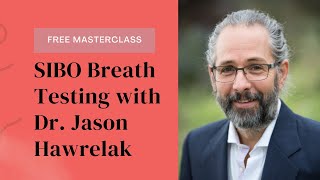
Transcript of a podcast interview (Feb 20, 2023) where Dr. Jason Hawrelak explains clinical use and interpretation of breath testing for gut conditions, especially SIBO. Key points: breath testing is essential for gut-focused clinicians; choice of sugar substrate (lactulose, glucose, fructose) critically alters sensitivity and what overgrowth is detected — Dr. Hawrelak emphasizes fructose as often identifying small-bowel overgrowth missed by lactulose/glucose. Interpretation challenges discussed include small-bowel transit time, elevated baseline gases, oral/oropharyngeal sources of methane, and pre-test diet. The conversation broadens to gut ecology: proteobacteria (e.g., E. coli, Klebsiella) and gram-negative LPS/endotoxin driving systemic inflammation (endotoxemia), the roles of methane and hydrogen-sulfide in transit, mucus degradation, pH effects on microbial behavior, and clinical implications for treatment and diet.
Chapters
Doctor Horolak, welcome back to the Health Path podcast. It's always a real treat to be able to pick your brain for an hour.
It's a pleasure to be back, Alex. It's always good chatting with you for an hour too.
So we were just kind of chatting off air and deciding that we'll go with the theme of, of breath testing ultimately as something that we can dive into today. I mean, I have all sorts of different, I guess, quite specific questions that I'd be interested in getting your opinions. But I always like to, I guess, throw the ball into the court of our guest. So is there a, do you think, quite an organic, natural part to start if we're talking about breath testing, I mean, maybe just its overarching role within gut health compared to some of the other tests out there.
Okay. But I think breath testing is an essential tool that in clinical practice for a gut focused clinician. So people that see a lot of gut conditions, I think I'd be hard pressed to actually very hard pressed, diagnosing, accurately getting an idea what's going on with my patient without it. So I do a lot of breath testing and that that's been, it's sort of grown from, you know, over probably the last 15 years. I dare say when I think back to having a little bit hesitancy initially around it and a little bit unsure to now it's like a mainstay and anyone presents with a certain symptom cluster, then I'm like, I'm not going to guess or I'm going to presume what's wrong. Let's do testing and get some accurate data around that. But I do think for me it is the importance of, yes, breath testing and doing it frequently for the patients who require it. But I think it's what sugars we test as well. And I think this is the huge thing too, that I really have a passion about. And this to me, evolved, I think, used him organically. It did evolve organically for me in terms of my strategy for breath testing. And I think it just grew out of the fact that I was teaching natural approaches to Gastroenterology at University of Western States and their Master of Science in Functional Medicine program was teaching people fructose intolerance as well as placebo. But when I had patients who, who presented with, you know, potential reactions to apples or to watermelon or to cherries. Okay, well, those are fruits very high in fructose. Let's, let's test that. But I also want to test because the symptom pattern, it matches sibo. So let's, let's test the, you know, SIBO sugars. And obviously there's like, you know, a drive for using lactulose as the only sugar in North America and then there's a drive in Europe for often glucose. So as a Australian trying to straddle both worlds, I was like, okay, well I'm going to use lactose and glucose. And then when I start doing fructose testing on these patients too, because I suspected they were reacting to fructose. And well, what I found was really quite an interesting pattern was that essentially the classic fructose intolerance pattern that I'd read about in my papers did not occur. Very few, Very, very common at all. And that's where the fructose is not absorbed, reaches the colon and then the breath gases spike up at the colon time point. I was not seeing that. For very, very few patients was that pattern showing up. What I was seeing is these massive spikes on hydrogen and or methane at the 20 minute mark and 40 minute mark. So like, you know, small bowel territory. And it just became quite interesting. So I was like, oh, well that's, that's fascinating. And then you treat those people for, who have fructose intolerance for Sibo and their fructose intolerance goes away. It's like, oh, that's not what the books tell me either. Like all the papers are like, oh, it's lifelong low fruct diet, or, you know, like all these sort of long, long lasting, irreparable things you couldn't fix, you know, kind of scenario. And it's like, well, this is quite different than that and that this becomes a immensely treatable condition. And I also had patients who brought me, when I started going through this process, I had patients bring me their previous breath tests that their, you know, practitioners, they saw years ago said, hey, you got fructose intolerance. And they, you know, been off. I think one patient who was like six years on a low fructose diet when she came to see me, her symptoms definitely improved on that low fructose diet, but she still had reactions that were just less so in and than what they were before. But when I looked at her breath results was like, oh, well, you've got SIBO induced fructose intolerance. Let's treat that sibo, which we did. And all of a sudden, after six years on this restricted diet and still having symptoms, she was able to completely expand her diet and eat all these different foods. Again, without getting symptoms because we cured the fructose intolerance because it was essentially caused by sibo and that's kind of grown organically. And so now for me, it is really pivotal that we. Because a number of cases every, like, probably at least twice a month, I have patients sometimes twice a week where if I had only done lactulose, I would have completely missed the diagnosis. The lashes look normal or the lashes kind of flatlined. But thankfully I did rely just on lashlose because I did a fructose and sometimes a glucose as well. And boom, I see this massive spike on fructose. I had one of those patients just last week where, you know, she came to see me and said, oh, I just got this look at my black with breath test. I don't have sibo. I'm like, well, you can't say that actually, you can say that this one was normal, but let's do a fructose to be sure. And we did the fructose and she was. Her blackilis was totally normal, but her fructose, she was spiking at the 20 minute mark and it was like 110 parts per million hydrogen. It was outrageously, it was really high. Very obvious that SIBO was still there. It's just that the bacteria in her small bowel were not lactulose consumers. So hence we don't actually get to see a rise in breath gas.
Okay. I mean, there's a lot, there's a lot of significant findings there from your clinical experience. And I guess, you know this idea that fructose. And I think I'm right in saying lactose, you know, can often be secondary to sibo. So you need to be around the substrates that we're using in the testing, as you say. And, and also that you can see these different spikes with the different substrates.
Yeah, yeah.
And is that, is that related to the. The actual type or species of bacteria that has overgrown in the small intestine? Essentially they're selective for one of those sugars.
Yes. And I think that's my hypothesis anyway. And it makes sense because we know lactulose is selectively fermented. Not all bacteria have the mineral equipment required to consume lactulose, whereas fructose and glucose are avidly consumed by pretty much all bacterial spec. The challenge with glucose, as we know, is that it is really avidly absorbed as well. So that if you do have SIBO in the proximal bit of your small bowel, glucose is good at picking it up. It's just that if your SIBO is in the middle bit or the dispute of your small bowel, glucose won't see it. And I think this is where the other value of fructose is that fructose is poorly absorbed. It's a facilitated active diffusion I think is the term for it. So it's very slow. So that dose of fructose is going to reach the middle of the small bowel and potentially more towards the distal small bowel in people. And everybody who takes a dose of sort of 25 grams that we're using breath testing so we're able to see that that small bowel in its entirety. Like we're always talking, people are talking about latchless for. But it's just that we're not using a selectively fermented substrate. We're using a universally selected substrates. We're able to see a bunch of different species that we might miss and we clearly do miss when we're just using lactose.
And what are your thoughts on the, the dose of fructose that's used in a test? Because I've read that there was certainly one paper that kind of criticized a little bit the amount that was being used and compared it to the amount of fruits you would have to consume to consume that amount of actual fructose. So do you think that's an issue? Do you use sort of a lower than typical dose or do you think actually it's all okay?
I think it's all okay. And I suppose that comes from my experience. But as well, doing the test and seeing the results and seeing the. Yes, the positive test results and then we treat it and then it thinks normalize on that same dose of fructose at a later time point. And I think there's, it's long been known that, that there's a dose threshold with, with fructose for, you know, fructose intolerant people because of, and that was a classic fructose intolerance where as I said, it reaches the cold and it's fermented. And you know, there's if, if you genetically speaking you're able to, to, to absorb that fructose better, then you'd have less reach the cold in other people. But you know, if you gave everybody 75 grams of fructose, I think pretty much everyone would show signs of, of malabsorption and rise from a colon perspective, you know. But I think from that this dose seems to pick up, I can say just clinically speaking, small bowel overgrowth really well. It's not to say that, you know, 15 gram might work just as well. You know, I don't know. But I think that a 25 gram probably ensures that there's some fructose that will reach the middle and distal bits of the small bowel. Whereas I think if you use a 5 gram dose or 10 gram dose, then you won't. And you're often ordering these as to. In people that are reacting to half an apple or a couple. A couple of cherries, which makes me think that they're already pretty sensitive to even a low dose of fructose. But, you know, as far as I'm aware, no one's been like particularly systematic about it, going particularly with this by grabbing this cohort of people who have placebo and induce, you know, secondary fructose intolerance because we're better off calling it and doing different systematic doses of fructose and cok. Was there some that are better than others? Because I think really it's been a neglected sugar for assessing for SIBO as well, which I think I'm hopeful that discussing it, getting information around that and you know, working with a PhD student who we're doing different sort of breath testing suites on patients for fibromyalgia, which is providing interesting data around fructose specifically, that hopefully it'll drive more research into this area. Because I personally would say from. From my clinical experience over the last decade, that I think fructose is actually the most accurate single sugar to picking up placebo. Interesting.
Very interesting. Okay. Which then I guess almost opens up a nice segue into the interpretation of these tests, which, you know, some will say can be quite challenging. And certainly experience can be really helpful. I think within that and the. From my perspective, the most common theme or conversation would be obviously how transit is a big factor in being able to interpret these results. So what are your thoughts on sort of, I guess, the interpretation of these within the context of transit and all the other variables that come into this?
Yeah, I mean, I think that is something we always definitely have to have on our mind. And I think it's been interesting again being in this field for long enough to see where it used to be, like what I'd call the wild west of breath test interpretation that people would be 140 minutes, it's still small bowel, or 120 minutes, it's still small bowel. And it's. And research never said that, by the way. So it's nice to see that there's been a bit of. Well, from that North American consensus document in 2017 was like, okay, well they're basically most people said 90 minutes is where the cutoff is. And I think that's what the science said. And I was, that's what I was basing my decisions on previous to that, the consensus, because I think that was my reading was too. It's like 90 minutes is the average time. But there are people that are less than that. I mean I know from what is it? I think people from, you know, Indian subcontinent will have a quicker transit time and they're the mean one was actually before or under 90 minutes. I think people from Taiwan. There's one study too showing it's like 80 some minutes. So I think looking at that with your patient taking on board things like anxiety, you know, we know the patients who are anxious sometimes have a sped up transit time too. And there's certainly research suggesting that's the case. They're going, okay, well you know, is that rise at 80 minutes actually colonic or small bowel? Whereas I think there's less debate to me when it's at the 20 minute mark or 40 minute mark. But there will obviously be like if you took, you know, 5,000 people and you give them breath tests, there would probably be people who would have a colonic fermentation at 20 minute mark. The, in that, in that huge cohort. But I think it is really rare for that to occur. And I think ideally if we could actually do something to measure small bowel transit time at the same time would be wonderful. And they certainly do that in research settings. Yes, simple. In that scenario we use scintilligraphy or a smart capsule and boom. You can correlate these things when it actually reaches the colon, when the breath gases went up. But we don't have access to that so much in our day to day practice as yet. That might change with you know, smart pill technology in 15 years time or something. But on the short term. So yes, you have to, I think take that to account. And that person again, if they're doing six bowel movements a day or ten bandwidths a day, clearly diarrhea like I do bowel transit time tests like the, you know, the low tech variety. Pretty much all my patients where they have some, you know, corn on the cob, some sweet corn, some black and red quinoa, write them eat it when it, when they first see it come at the other end and when they finish, it's coming out the other end. And if it's coming out in four hours time or six Hours going to be pretty clued in that their gut transit time is really quick and I should probably interpret their, you know, take that on board when I'm considering their, their test results. So I think there, there, there is that to consider too. Whereas I think some people who have 10 day transit times or 15 days when they actually see the, you know, corn come out the other end, then you might even look at, okay, well, we don't know what the small bowel transit time is because that's obviously mostly colonic. But again, you might have a little bit of flexibility with how you interpret things. If there was a rise at the hundred, you know, not even mark, 100 minute mark, or, you know, you might correlate with their symptoms and everything else and go, okay, what's going on? But I mean, I think mostly for those people that they've got methane issues anyway and that will show up early on the test point, honestly, with a, sometimes with a spike obviously, but sometimes it's there at baseline, you know, that high methane.
Okay, now I just want to check on something that I pretty sure you said in our last conversation, and I'm hoping you did because I've said it about a thousand times since that last conversation.
Let's hope so.
You know, we touched on the sweet contest, as, you know, as you say, a low tech at home evaluation of transit. And I'm sure you said that, you know, you've done that with clients and you've actually found that they might have a good Bristol stool charts, bound movement. But yeah, they still might be having a transit time of several days. So we can't just use kind of consistency of the stool as any real marker of what's going on there.
No, I mean, I think obviously if they're doing type one pellets, I think we can assume that it's very slow. But I think what was probably surprising for me was having a patient who, and I've had a few now in that boat who had Type 4 on the Bristol, a single bowel movement every single day, never missed a day. So certainly not even close to, you know, no straining and no, no remote closeness to definition of constipation. But we did a sweet corn test, you know, and then 10 days and, and she, she was the one that made me most because she had such, you know, perfect bowel movement on. If all I would have gone through with the Bristol and stool frequency, I would have gone all good, no worries there, you know, whereas that other people were, yeah, they're pooing every two or three days. And I think 26 days is to win my. My champions. Slow ones. Yeah, I know, which is incredible. But I had a patient who was just, just last week, and this was a young lad. I think he was consistently, I think it was type 4 pooing at least once a day. But. But we did a fecal X ray in his case because we were suspecting fecal loading and he was still fecally loaded despite the fact he was pooing every single day. And his transit time was slow. Not surprisingly too, you know, which. But we wanted to get a bit more of external kind of confirmation about the hypothesis in this, in this case, because there were other things that were making me think of fecal loading like, like bedwetting, for example, and, and, you know, fecal urgency issues as well as urinary urgency issues.
Okay, interesting.
Yeah.
And that kind of opens up a sort of topic around transit time and also ph as, from what I see, the two of the most important components of what's going to really influence the small and large intestine in regards to the microbiota and how, what they're functioning. So I've seen a paper that discussed how PH is an incredibly important environmental factor that's going to influence the bacteria's production of butyrate, if they're butyrate producers, for example. So can you just touch on, I guess, you know, these two, these. We've kind of touched on transit a little bit in regards to interpretation of sibo. But what about from a slightly more general gut health. Gut function perspective?
Yeah, I mean, I think it just fits back well with the old naturopathic idea of bowel toxemia, you know, and even Hippocrates said, you know, death sits in the bowels and, you know, poor digestion is a root of all evil. But I might convert that to, you know, poor gut health is the root of all disease. And I, you know, firmly believe that. And I'd say science is coming quite around to that conception. And I think, yeah, microbiotic composition in a small bowel leakiness, I think we definitely need to be looking at. But I think it's, you know, colon or bowel, you know, leaky colon too, for a way of describing it. And I think that happens a lot when we have that slow transit time. So we actually have the fecal contents. We've got bacterial metabolites, endotoxin that actually has got 10 days to get absorbed rather than moving through in 12 hours or 16 hours. You know, that's. That's Quite incredibly different. And I think people, I mean I think even we know this. Geez, what are the sayings? We have a feeling like crap. You know, it's like yeah, we intuitively know that what happens when you actually are full of poo backed up and, and how toxic you feel and how yucky you feel because you're absorbing all those things out of your fecal feces. It's like we, we kind of know that I think we should have this very clear in our, our minds as clinicians that this is really important. And when things are backed up and they're fecally loaded, then they are reabsorbing. You know, comments are trying, the body's trying to get rid of toxins and rhino toxins etc but also lipopolysaccharide, which I think is, is a huge one because we're just seeing the. Again the, the research is really blooming in the role of endotoxemia as a, is a causative factor for a range of western degenerative diseases from cardiovascular disease to Alzheimer's disease, type 2 diabetes, obesity being linked in with excessive absorption of endotoxins. And I think slow transit time is certainly a core driver of that as well as you know, microbiotic comp for.
Our non practitioner listeners. Can you just expand on sort of the endotoxemia and what we're, what we mean by this?
Yeah, so, so gram negative bacteria, I suppose take a step back. We've got two basic sorts of bacteria. There's gram positive and gram negative. And it's whether their ability to, to actually absorb the gram stain which was made by a microbiologist called gram essentially and the gram negative ones do not. And, and one of the things that these all gram negative bacteria have in common is they produce something called lipopolysaccharide. LPS or endotoxin is another term for it. And they grow it just like we grow fingernails, we grow hair, they grow endotoxins. So it's not designed, they're not, not releasing toxin to make us ill, you know, directly in a way that they're like, it's a, it's a conscious wave. You know, some bacteria produce toxins, you know, know this is, this is not what they're doing. They're not trying to poison you directly. It's more of an indirect thing that they live and they die. When they die, they release that endotoxin into your gut and we can cope with the bit endotoxin quite fine. Like our, our intestinal cells can deactivate it, our liver can deal with it. And you know, the small amounts that are normally produced aren't generally an issue. And not much gets into the bloodstream. But the term endotoxemia, and particularly metabolic endotoxemia, is relative. Like a lower amount of endotoxin reaches the circulation on a constant basis or, you know, certainly after certain meals in higher amounts, but maybe 24 hours a day you've got this endotoxin leaking through. And that's just a core driver of inflammatory changes in the body. And I think that's the thing. It's like endotoxins cause inflammation. How that may manifest may differ a bit per person. But we now know that endotoxins are a core driver of cognitive decline and Alzheimer's disease and Parkinson's disease. And when we start looking at multiple sclerosis, we start looking at more neurological conditions, even depression, anxiety. We can give a dose of endotoxin to a happy healthy person, they get anxious for five hours afterwards. So just imagine if you've got constant leaking of endotoxin into your system and damages the blood brain barrier, it changes what neurotransmitters reproduce, makes your insulin less sensitive, so your body has to use more insulin to try to get your blood sugar levels down. It's just a nasty substance. And you know, what determines how much of that is in our bloodstream depends, as I said, on how much gram negative bacteria you have in your gut. Number one, Particularly this group of bacteria we call Proteobacteria, which things like E. Coli, Klebsiella, Citrobacter Haemophilus, Clivera and cousins release really pro inflammatory super inflammatory endotoxin. And then we have other gram negative bacteria like in the Bacteroides phylum, which would be things like Bacteroides and Prevotella and Parabacteroides alistiabes, ones like that, where whose LPS is like maybe a thousandfold less inflammatory than what we have from, from Pokebacteria, but it still adds up a lot. If your ecosystem is like 80% Bacteroides, you're still getting a ton of relatively low potency LPS in your system. Yeah. So we look at the composition, like how much of your interest is composed of these gram negobacteria? What's your small bowel integrity like? So are you potentially having stuff that leaks through there? Do you have sibo? And is that sibo composed of gram negative of bacteria protobacteria, which is kind of what the more recent studies have found. I mean there's older studies suggesting that they weren't uncommon to have protobacteria there too. But I think Pimadol's more recent stuff is suggesting that protobacteria are probably more common drivers of placebo. So if you have them in the small bowel and leaky small intestine, you get more coming through and then as I said, you get the slow transit time means that you're getting endotoxins leaking through your colon wall into your bloodstream where they cause harm. And particularly initially, I think your liver can cope with it for a bit, but then it becomes overwhelmed and then it reaches your whole water circulation. And even diseases that we. Alcohol induced liver disease. It's endotoxins that are causing the liver damage. Alcohol causes leaky gut and alcohol causes. So you get increased absorption of endotoxin. Alcohol causes shifts in the gut ecosystems. We have more gram negative bacteria, more Proteobacteria specifically. So we have alcohol and it causes small intestinal stagnation and it causes sibo. So you have these things that alcohol is causing, but it's actually the bacterial byproducts of causing the damage to liver. You know, even non alcoholic fatty liver disease. They're now linking with endotoxins as well. So that's where you know, your body can deal with it for a bit, but eventually it starts causing damage to the liver and then more of the endotoxin gets into your system.
Brilliant. So if I was to try and summarize the main message there. You know, recent research is showing us that some of these proteobacteria like Klebsiella E. Coli are the common organisms that are overgrowing in people with sibo and they're gram negative and when they die they have this endotoxin LPS that is both able to contribute to leaky guts and as they get through the gut lining are triggering an immune inflammatory response which can then if chronic contributes to a long list of all these modern conditions which are getting to epidemic proportions. Ultimately, yes. Okay.
Yeah, yeah. Like type 2 diabetes, obesity and I don't think even congestive cardiac failure like heart failure. And they're even think it's, it's causing the, the atherosclerotic plaques in our bloodstream are caused by the way endotoxin is causing inflammation changes in our blood vessels. You know, so it's, it is I think one of those core, really core things that, that we as clinicians have to have on our, our radar and as health conscious people need to be aware of so they can do something to change that because you know, healing leaky gut, we can do that. Improving gut transit time, we can do that. Treating Sibo, we can do that. And changing the microbiota, colonic microbiota composition, we can do that too. So there's a lot we can do to change that scenario if people are willing to put the hard yards in from a dietary intervention perspective, lifestyle intervention perspective, and sometimes, and obviously, obviously supplements and herbs play a role too.
Yeah, so I guess I was going to actually ask around that because you mentioned obviously one of the, arguably the most important thing is the amount of gram negative bacteria that you have in the gut. And I'm assuming that diet is obviously one of the primary ways that we can therefore modify this.
Yeah, it is. And I think it kind of depends on what's actually growing. And typically in Westerners we'll have an overgrowth of Bacteroides, which is sort of the key pe genera in the, or genus, sorry in the Bacteroides phylum. And it just tends to thrive in western diets. And I always tell my patients the Bacteroides is the omnivorous peak out of the gut ecosystem because it, it eats a bunch of everything. It can eat some fibers, it can eat some sugars, it can eat some proteins, you know, acids, and eats bile, you know, so it's got the bases pretty, pretty covered. But on a western diet, the typical western diet, which is like low in fiber fiber but higher in protein and fat, for example, which then we have more bile, it tends to be more dominant because while it can consume fiber in general, it's less effective at doing so than something like the Calibacterium or Eubacterium or there might be some other, you know, beetar producing species in the gut that are, that are actually more apt at digesting fiber. So we have a fiber rich diet. We tend not be donated by Bactroides. It's quite a rare thing. Thing. We actually have a range of other species who dominate in that, that situation. And interesting enough that's talked about ph bit before too. But it is, you know, and some of that has been known for a long time too is that Bacteroides doesn't really like a more acidic environment. So if we actually create more short chain fatty acids through fiber and prebiotics and polyphenol consumption, we're able to actually change the ph and that brings down the Bacteroides level. But as you commented on before too, it, it changes the behavior too so that you know, Bacteroides Produces beta glucuron, which is one of the main enzymes that re releases toxins that we're already trying to get rid of or hormones the body's trying to get rid of. So we get a second whack at them. But when we change the ph, it doesn't do that anymore. You know, it can produce ammonia, but we change the ph, it doesn't produce ammonia anymore. It doesn't putrefy amino acids at a lower ph. So we were kind of getting the better behaviors even of bacteria when we have a more optimal phone. And so it's great to hear you talk about that now. But there was research looking at this in the 1990s onwards even about changes in ph being important to change the behavior of certain species in the gut.
Yeah. I'm so glad you reminded me of that because the, you know, I did a little bit of a PubMed dive into this maybe last week and yeah, all the papers were really old and it's not the first time that I've kind of gone into the research and you find that it was almost this kind of wave of really interesting research that was really clinically valuable that kind of then doesn't seem to be present in more recent research that's kind of just being. Being given up on.
Yeah, yeah, no, there was some brilliant stuff that was done in the 90s. You know, I think Cummings and the McFarlands I think retired. The last paper I think was 2012. But they spent like, I don't know, 30 years researching fiber fermentation dynamics in the colon. Like they added so much to our current knowledge. And yes, some of that stuff would have got forgotten. Which actually reminds me of a paper because I recently moved and when I was, was emptying my garage I found all these boxes of papers that I brought with me back before PDFs were common. So you'd always, you know, special order in these, the, these papers. I'd go up to the library and photocopy these things. But it was a paper from the 1980s and they had people who high methane producers who were constipated and had slow transit time. 1980s, wow. And they were like. Because you know, we always think of, okay, this only happened in the late 2000 something we can aware of the role of methane. All those people talking about it back then, it just got lost. But what was particularly interesting in this study and that that itself was to me but they gave these people sulfate, I can't remember what sort of sulfur based compounds. And it sped up their transit Time and they can they, they became hydrogen sulfide gas producers instead and thought that's amazing that they were talking about this so long ago going, okay, let's shift the, the dynamic of the hydrogen gas consumers in the gut by adding some sulfur compounds which then preferentially feeds hydrogen sulfide gas producers. And that resulted in speeding up transit time and conservation went away. Yeah, it was a fascinating paper and you're like, man, it was pretty cool that people were talking in the 80s, but it was one of those ones that was lost.
Yeah, yeah, you remind me. A paper from. It was 92. I don't know why I remember that, apart from probably the, that it's so old and there is, as you say, research that we think is very new that actually was going on a long time ago. And it was the exact same thing. They gave a group of people the sulfurous compound and you saw methane go down. That did really. That sort of correlated with the symptom improvement as well. And I've always hypothesized why. At least I think clinically I see benefits in things like nac, in sort of my methane based client, so to speak. So just using some type of sulfurous compound, as you say, to sort of support that hydrogen economy as they talk about it.
Yeah, hydrogen economy is a good term for it. And I think it also explains why some people, and this used to kind of blow my mind too. But people who go carnivore, for example, who are constipated, they're constipated before they go carnivore sort. And then their bowel movements get better with like no fiber. So your brain's first going, what's going on there? But it's that hydrogen. They're feeding their hydrogen sulfide gas producers and instead of the methane producers that may have been there before and they're completely changing that dynamic. And then the gut transit time speeds up as a consequence. I mean there are negatives having got overgrown with hydrogen solidified gas producers for sure, but they were certainly pooing more than before. And I thought that's just an interesting thing in the short term how such an extreme diet that, that you know, we would argue has lots of negative shifts to the ecosystem does make them poo more some of these people than what they were actually doing before.
Okay. Which is an interesting. I mean that also just fascinates me kind of the extreme diets that are out there and some people just thriving on them, it seems. I was speaking to Dr. Tom Wood recently who released a paper which you've probably seen. It was entitled Reframing Nutritional Microbiota Studies and It was with Dr. Lucy Mailing and one other author. Apologies for the third author, I forget your name but the general. One of the things they spoke about was how there are different subtypes of butyrate. So for example isobutyrate or beta hydroxybutyrate I think it is that you might be producing more of on a keto or a carnivore type diet. And they claimed there was some research suggesting that those sort of, of different types of butyrate do interact with the same receptors and therefore may be another mechanism by which these diets that can be very lacking in fiber might still be okay from a gut perspective.
Like enough to keep you know, your, your gut cells colonocytes alive for example. Yeah, yeah. And I listen I haven't delved too deeply into that but I know when I have looked around that there was certainly evidence that I saw that, that the human made sort of bead rate analogs don't do all the same things as the micro derived be to red does. Some of it, yes but, but not all of it. That was really my takeaway from my reading but it, I, it's been a while since I've read up in that particular area. Yeah. But thankfully I would say that there's some overlap there because otherwise be like manocytes, you know, 70 of the energy needs are met by you know, shorter fatty acids and butyrate. And if they're getting very little of that then it's bodes particularly poorly for long term health. And you know, so I can't say I've seen particularly. This is the thing about clinically too is you know, you, you get to see people who haven't thrived on, on said diet and you get to look at their ecosystem and you're like oh yeah, well I can see the, the, you know the, the, the bloom of hydrogen sulfide gas producers and the actual so lack of butyrate producing species, you know and the increased and worsening inflammation in your gut that's come on as a consequence of that kind of dietary approach. But that doesn't include, I don't see people that are, that are blooming on and going fantastically healthy as to see what their ecosystems look like and how their every other aspect of their approach is too. So you know, it's yeah hard to comment on the people that are apparently going bully on it because I don't get to see them in clinical practice.
We need to study study looking at those guys?
Yeah, I reckon, I reckon very much so because you'd be just very curious and, and I think it's also the short term versus long term thing too. Like, okay, like, you know, if you're creating a dietary approach or a following a dietary approach that ends up increasing your proteobacteria load and your lipid polysaccharide load in your gut, increase hydrogen sulfide gas production in the gut and decreased speed rate production and long term I think that's going to be detrimental even if it does have proven to blood sugar regulation and some other things in the shorter term.
And do you think it's possible that some of these people that have been on these diets for a while.
Is.
It possible that we're seeing that shift in the microbiota towards what you just described, but for some reason it might just not be creating a symptom profile at this point in time that connects with it because certainly I've seen plenty with significant dysbiosis who, you know, they don't have kind of your classic IBS symptoms. Maybe they have some low level other things going on, which is why we did the test. But then you look at that profile, you go, oh wow. Actually this is looking like there's quite a lot of work to be done.
Yes, I think he's a simple short answer that one. I do, I am concerned that, that things will manifest potentially a little bit differently in patients, but probably just more over time as well. And I suppose my experience with these patients have been that the longer they follow that diet, the harder it is to deal to work, help with them, help them because they're often become so hypersensitive to any sort of plant material or essentially gas, any sort of hydrogen gas production causes them extreme pain or discomfort because they're, I would argue the hydrogen sulfide gas overproduction over, over months to years has caused visceral hypersensitivity because become full on so that even a small amount of gas breeze causes extreme pain reactions that it can be really tricky to come back from that because how do you change the ecosystem composition without changing diet? But you can't change diet because they cause its excruciating pain. You know, so you're in this really tricky situation. So you're doing these tiny baby steps and you're trying to get some healing going and you're trying to alter things so maybe there'll be less, you know, how do you target the hydrogen sulfide gas production? How you do, you might supplement with External butyrate in a case like that. Okay, well, this will. You can't feed your butyrate producers yet, but at least we can provide a lot of external butyrate to nurture and help deal with that. Visceral hypersensitivity is one approach, but I just know that some of the hardest patients I've had to work with from a microbiome alteration perspective have been those that have been on those diets long term, because what obviously is the amount of damage that was done to their gut integrity and gut ecosystem system as a consequence. Interesting. But. Excuse me.
And I don't know if this is a term that I've read in the research or whether I've just sort of thought of the concepts. I'm sure it's the former. But, you know, I've used this term of a resistance dysbiotic microbiome, like what you're saying here, a dysbiotic state which just seems to be very resistant to any positive perturbation. You know, it's kind of just got set in it, its. In its way and it doesn't want to.
Yeah, I think sometimes we see that with methane all too often where it's just like some people respond so beautifully to the typical ways we, we, we approach, you know, methane overproduction in the gut. And there are others that are just do not budge. You know, it's, it's an interesting one, Interesting area. That one, that one, I think, to me can certainly fit that picture at a higher percentage of time. Time than other, you know, dispotic patterns.
I would say, which then brings on a question around. You know, I've certainly read primary research that can indicate that both methane and hydrogen sulfide might be an adaptive sort of response. And that there was one paper and there was a sentence along the lines of how hydrogen sulfide might actually help positively sculpt the microbiome. So do you think there is a time when the body's is, you know, doing what it's doing for a reason and actually it's, it's kind of making up for something maybe, but as a result, there's a bit of collateral damage along the way?
I, I'm not sure about that. Yeah, I do think that a little bit of hydrogen sulfide is, is healthful. All right, So I think that that is clear. It's just that when there's too much being produced that it's. That it's problematic. And for me, it's been so often where it's been people's dietary choices of Going, all right, they're having tons of dairy fat and then they get this bloom of bilophila and then they have visceral hypersensitivity to that and we take up the dairy fat below, goes down and we address hypersensitivity. And then all of a sudden they no longer have bloating or distension and their abdominal pain goes. You know, I've just worked with enough people in that thing where it's the drive, the diet is the driver of the hydrogen sulfide gas producing species overgrowth that I'm not convinced that it's. A positive sort of adaptive response. Gone a bit.
Okay, interesting.
Even if I do totally get that just like a little bit of methane is good, a little bit of hydrogen sulfide is, is good, is, is, is helpful for us too. It's just that when we have too much of those things that it's, it's problematic.
Sure. And what about the possibility that, that both of these gases that we're analyzing in the breath are coming from somewhere other than the gut? Do you think that this is ever a possibility?
Yeah, I think for methane definitely is. And I think we share in Ardrich, one of the PhD students I'm working with. We've published a paper around exactly that of, of different sort of oral hygiene regimens actually changing methane gas levels. It was quite an intriguing finding. And then you delve into it more and in terms of there are methane producing bacteria in the oral cavity. Because we could essentially, if you did a. There's a few different things we talked about in the paper. One of the main takeaways was if you did a, like a antiseptic mouth rinse, for example, before your first breath sample, it would artificially lie lower methane and then it would kind of normalize again. After 20 minutes. You'd look like you might have placebo when you actually, if you didn't do the breath rinse beforehand, you'd have a. Yeah, you wouldn't get the rise. It was, it was interesting. So it did suggest there definitely are methane producing bacteria in the oral cavity, which could impact on breath test results. And it also means too, I mean, one, you know, wonders whether that, you know, for some of those people that are really recalcitrant methane producers, maybe we need to target something in the oral cavity to be, you know, interesting. I haven't really gone down that way clinically, but when I speak about it now, it's like, okay, maybe that's something that might be worth trialing to see whether they're, you know, if the methane produced in the oral cavity, does that somehow impact, you know, flow and dynamics of what's happening downstream? Don't know. We haven't researched that yet. But it's worth having on the radar that it is certainly occurring, at least in some cases, patients.
Okay. And I'm sure I'm not going to be able to get this particularly well, accurate enough is what it will be. There was a study, I'm sure, whereby the researchers gave the participants. It was a little bit like your 80s study. They gave them a sulfurous compound medication or something. And I think it was. It may have been something like intravenously as well. And they saw an increase in hydrogen sulfide in. In the breath as a result of that, which I thought was. Was quite interesting.
Intriguing indeed.
Yeah. I'll have to dig out the paper and I'll share it if I can find it because.
Yeah, please, I'll be curious with the timeline of that too. Was it like an hour, two hours, six hours? You know?
Yeah. Off the top of my head, I can't remember. But it's definitely an area that's really intriguing me at the moment, this idea that how much of this gas might be coming from. From, as you say, the oral microbiome with methanom oralis, for example. And I know there's a study of nine refractory sinusitis patients where they found oralis in the sinuses. And a paper kind of theorizes that the mouth, the sinuses, the small and the large intestine could be sites of methane production.
Interesting. Yeah, it really is. And we just don't know what the impact of methane production up here is, you know, whether it is impacting. Because I think the thing that we see most problematic with methane, obviously, is the slowing of transit time that comes as a consequence of that. And we get to. And we see that in the classic castrated patient, but also the biotoxemia cases we talked about before in endotoxemia that related to that slow transit time. So that's where it's obviously problematically produced lower in the gut. But is it having impact lower in the gut when it produced up high? I don't know. And I think we'll have to wait for more research to be done around that.
Okay. And then I would be a real idiot. I've just realized a question that I. I'm desperate to ask you, which is around we're seeing an increasing number of people with elevated baseline samples in hydrogen. And yeah, in the research, they often just talk about Maybe it was inappropriate pre test protocol, but it's not like the hardest protocol to get right. So I know I've always questioned like that being the only strategy. And then I've also read in the research that it could be hydrogen that's just lingering from that last meal that did contain fermentable fiber. And maybe there is a bit of a transit issue that's blurring it. But in so many of, yeah, I've seen the baseline sample is elevated, but the second one's really dropped, which would be incredibly convenient that, you know, they've timed that test wrong by maybe 15, 20 minutes and now.
Yeah.
I don't know if you've got any thoughts on kind of elevated baseline samples, whether and if we, you know, maybe two answers, one where they then drop, which is just baffles me, and then one where it stays.
Yeah, I'd say baffles most of us.
Alex.
I think elevated methane to me is, is, is for the most part I see that as colon fermentation. So if you have people who are, you know, 5, 6 day, 10, 20 day transit time, you know, fibers they consumed last week are still in that colon fermenting, you know, if they've gone fiberless for two days, it doesn't, you know, so I think that to me is pretty clear. But the hydrogen one is interesting. You know, I don't necessarily buy because I think you get people who say I followed it, it's a letter and they still have this high baseline hydrogen. And interesting enough, some labs, the older style protocol was to just toss that sample out and then come back again tomorrow and do it again. It's just that for people testing at home, that's not an option. You don't know until the lab or all the results are analyzed. But I think it was the thought was there was improper prep, but I think we know that that's not going to explain all those cases. And I concur that it seemed like it was to me mostly colonic, likely colonic in origin that hydrogen because it could have been from stuff fermenting for a while beforehand, depending on the person and their transit time. So I think it's always the transit time when looking and have that I'm analyzing at the same time analyzing my brain breath samples for the vast majority of patients so I can at least have those things there to help fill in some potential gaps or to help explain things. But that secondary drop, yeah, that is just bewildering because it's like what is, what is happening there? Because yeah. How convenient would that be that that was randomly just occur that it like that was their peak hydrogen and then it dropped down. Yeah. And I think there's still stuff we don't know about breath testing, particularly around that. And I don't think that's an area that's ever been particularly well researched at all actually. But what does that actually mean? Because as I said, the default answer has always been blame the patient, they haven't done the test properly versus this is something real. What does it mean? Where is that hydrogen coming from? How do we, you know, put it in context? So I don't think any. There's any data showing that provides with an answer. And I think I'm still perplexed by that one too, particularly the sort of second drop that comes after that. And other people I spoke to who did a lot of breath testing stuff are still. No one's quite sure what's going on.
Well, I'm glad you said that. In some ways.
Yeah, I wish I could provide a definitive answer, but I don't think we've got one now.
Yeah, I mean, I got some relief when I read in one paper they quoted a doctor who works in a hospital setting doing a lot of sibo testing. And, and he. His point was similar. It was like, well, I just started seeing it so much that I just thought it was normal. So yeah, we don't have any real rationale there. I have seen one paper that shows if participants go for a gentle walk beforehand, it can lower breath. The baseline.
Yeah, I think I've heard that too. Which is also intriguing because it's like how do we standardize breast testing, you know, pre preparation? Because I think that's a huge thing even in even diet. You know, it's like how strict do we do that diet from the eat just white rice and meat to just do low fodmap diet for, you know, a day beforehand? It's different Labs handle that one a bit differently. Sorry. And. And I think I could even from a methane perspective, I think sometimes have having higher fiber diet for leading up to the test can actually be more valuable because it will tell us whether you are definitely a methane producer. But if you went like no fiber for a week and your baseline methane is obviously not going to be there. And just have to hope that the lactulose reaches your colon in three hours, which is quite likely, but there'll be the odd person where probably may not if the small bile transit is immensely slow, which I think is rare. But yeah, I've always be more comfortable with a less extreme diet. Pre breath testing. Personally, I think for a few reasons. One, because I think it's easier for the patients. My patients tell me that they're like, oh, this is so much easier than the white rice and meat version for a couple days beforehand. And I think we get a more accurate picture of normal methane levels as well with such, such an approach. But probably higher risk of higher hydrogen at baseline too.
Yeah. Okay. So I guess you could say, depending on what you are thinking, you want to prioritize in some cases whether you're more interested in evaluating that methane.
Yeah. And I think there's even some research looking at, you know, I can't remember it was relatively recent publication came out of the states and they were just doing all. It's just, just kind of spot methanes and they kind of compare that to other ways of assessing methane then that would end up being a very accurate way. And so if you have your own lab, breath lab, it's great. You just need the one breath sample and go, oh, are you increasing methane or not? Simple to get above that. 10 parts per million. Great. We can, that means you're positive we can treat you, which I love the idea of, but I don't have my own breath labs. My patients have to do like the full Swedish sugars. Then we get all that sort of data back. But I think it is in that sort of area that. Okay, well for methane that I don't know if there's any great advantage to going on a really super low fiber diet for numerous days beforehand because we kind of want to know what the normal methane levels are for you.
Okay. And maybe my final question, because I'm mindful of time, is there any, any theory or even research around sort of, I guess, hydrogen production within the context of sort of our mucus layer and what could be going on from that perspective? I'm just wondering whether certain bacteria degrading mucus does that produce gas that would then impact on any of these things?
Well, I think the degradation mucus often leads to more hydrogen sulfide gas production. And it's not unusual for you to see a high level in people with lots of mucus in their stool have higher levels of hydrogen sulfide gas. And I think there can be a, you know, vicious circle thing there too because we can know it can cause inflammation, large amounts. But then I think inflammation and excess mucus production can actually be a driver of increased populations of that micro microbe group of microbes as well.
Okay. I do have One other question. I just don't know when I'm going to speak to again, Dr. Horat. So I'm just picking your vein.
Okay. Oh, good.
Yeah, right. What was my question? It was around. Oh, am I going to even remember it? Ah, yes. Hydrogen sulfide. And going back to this hydrogen economy that, you know, our bacteria fiber, they produce hydrogen, that hydrogen then can be verted to acetate, hydrogen sulfide, methane.
Yes.
There's a paper that was discussing how we're only going to see those sort of secondary pathways when the hydrogen pathways have been saturated and therefore you might not see. You're only going to see methane and hydrogen sulfide in a breath test. If it's able to detect both growth once those metabolic pathways of hydrogen production are full. I was wondering what your thoughts were on that changes how we interpret these things.
It would. I haven't read that, that paper, so I have to plead a bit of ignorance around that and the theory that they're working with there. I mean, I think there would always be a degree of that because there will be some places where the hydrogen goes too. But I've just read so much about that, the hydrogen economy, where it's more talking about the hydrogen being shunted, not really staying as hydrogen that much. It's either becoming one of those three different pathways that I'm unsure how much of a role that actually has. And I don't know if I haven't read that paper. So it might have a lot of beginning research around, trying to tease, decide whether it's more of a theoretical thing going. Okay, well, in theory, hydrogen can do all these things and yeah, that. That might be impacting the amount of hydrogen left to feed other microbes.
Yeah.
Yeah. Which is a bit different from other concepts that I've read around the hydrogen economy.
Yeah. It's very, very different, but I quite like different. Different perspectives are always.
Yeah. Well, sometimes it helps us stretch and, and grow from where we. We knew before.
Yeah.
You know. Yeah. So to, to challenge sort of the, the thinking around things even. And that. That's challenging in a huge way, but it's challenging a bit of going, okay, well, what if it's only, you know, which again goes into the, you know, perhaps accuracy around breath testing too. Yeah. But as I said, I can't comment more than that because I.
Fine. I appreciate it. Thank you, Dr. Harak. Dr. Horlak, thank you so much for your time. It's always a real treat, as I say, to be able to speak with you and to learn from your experience and your knowledge. So thank you very much.
You're very welcome. It was a pleasure and a stimulating conversation. Two hours? Yeah.
More from Dr.



Ep. 72 Interview Dr. Jason Hawrelak: The Last Microbiome Episode You Will Ever Need







