Strategic Tips for Stress, Immunity and Hormone Balance During a Pandemic - with Dr. Zen!
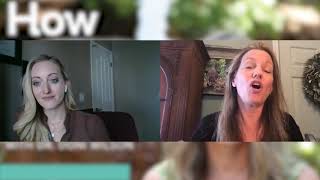
A recorded interview (April 2020) between naturopathic physicians Dr. Doni Wilson and Dr. Zen about health strategies during the early COVID-19 pandemic. They describe rising local cases, evolving symptom presentations (including fatigue and digestive symptoms), increasing access to drive-through and at-home testing, widespread use of telemedicine, and stress-driven behaviors. The core advice emphasizes returning to foundational measures (sleep, hydration, stress management, whole-food nutrition, meal planning/juicing) over ad-hoc self-prescribed supplements and consulting a physician before starting new supplements.
Chapters
Sam.
Hi, I'm Dr. Donni Wilson.
I'm a naturopathic doctor and I have.
Been practicing for about 20 years.
I love to help people understand their bodies, especially how our bodies are affected by stress and how to help our bodies to be healthy even when we're exposed to stress.
So thank you so much for listening.
And you can find me at drdonnie.com it's jusT-R-O-N-I.com or on social media as DrDonnieWilson. Thank you.
Hi there, it's Dr. Donnie and I'm very excited to introduce Dr. Zen to you today.
She is also a naturopathic doctor. A naturopathic physician, practices in Scottsdale, Arizona. In fact, her clinic is NMD Wellness in Scottsdale. And I'll be sharing with you her.
Contact information as well.
But I want, it's a great chance for Dr. Zen and I to connect here and we wanted to talk more about the current situation that's going on.
In terms of the high stress and.
And this virus that's, that's been happening around the world and talk together about.
What we're seeing and what we're hearing in our different areas and, and how to support you with this situation.
So tell me more.
How's everything going there in, in Phoenix, in Scottsdale?
Yeah, sure. Well, first I want to say thank you for having me.
I really appreciate it. Connecting with you again, it's always so fun.
So here in Arizona, it's a little bit different. We're starting to see more and more cases come about. I think there is still very much we are doing social distancing and isolating as many patients as possible. Our hospitals are running as quickly as they can, which has been very helpful. We've had outside hospital testing that's starting to become available. So that's also big and huge for a lot of patients. So, so that's really nice. I'm able to send patients that are sick either to go get a drive through test or actually get it done from home. So that's been really helpful. But I think the main thing that everyone is experiencing during this very trying time is the stress related with will I get sick? Am I transmitting the disease? What do I do if I am sick? What does that look like for me? So I think that's something that everyone is facing. They, you know, the symptoms for Covid, we're still learning so much about it, still very, very new.
So I think that seems to be really changing. You know, we're hearing, you know, sometimes I hear the same thing. Sometimes people are, it's starting with this.
Cough and fever, which was what we.
Were originally really watching for.
But yes, now there's, you know, sometimes more people. It's fatigue and even digestive symptoms like diarrhea or, you know, even some respiratory like, you know, sinus congestion type symptoms.
So it is, it's a very, it can be very confusing for people, whether.
It'S, they're thinking, is this a cold or is this the coronavirus?
And so like you're saying it's.
So to be able to have more testing available can make a difference so that you at least know whether you.
Know what you have and how careful to be. Of course, if you have a cold, you don't want to give that to anyone else either.
Right.
And so, you know, just if you're.
Not feeling well, you know, being able to reach out to us.
Are you finding that your patients are reaching out and you're able to connect with them by phone or.
Yes, we're doing a lot of telemedicine. Luckily in my practice I do telemedicine already. So that's been really helpful to kind of jump on the curve. I know some doctors have really struggled.
With that because if your practice isn't, you know, formatted for telemedicine, it can take a little bit of adjustment, but we're definitely having patients reach out. The other problem here and pretty much anywhere but our temperature starting to rise is the plants are in total bloom.
Allergies is really bad right now.
So people are asking, could this be a symptom of corona? Is it allergies? So a lot of it comes down to stress and management and really talking to patients. So I think a lot of us are offering either free consultations or check ins or things like that. So I hope that people reach out because there's so much on social media, there's so much going on and it can be really difficult to know where to look and who to ask for help for.
Yeah, it's very true. I can be. And it's, yeah, the allergies here as well on the east coast are really kicking up. So it's a really good point. You know, sometimes you can really get in your mind about what is this and what am I going to do. So let's talk a little bit more about stress.
You know how I love to talk about stress and I'd love to hear.
Your perspective on what do you encourage.
For people to do with all of these uncertainties and unknowns. What are you suggesting that People do as just some basic foundational steps.
Yes. I think one thing to mention is that right now on social media, on the news, everywhere, we're hearing about immune boosting.
Support your immune system. But what does that really mean? And I think I've been telling patients it's really important at this time to go back to basics. Think about what you're eating, what environment you're creating, your stress, what kind of stress management tools are you using, are you hydrating, and how's your quality of sleep? I think those are way more important at this time than any supplement or herb that you can take first. This virus is still very new, so we don't know how it interacts with. The other thing I always tell people, too, is you want to make sure that you're reaching out to a physician before you start any supplement. Supplements can interact with medications. They can be contraindicated with certain diseases. So just going online and ordering whatever that could be actually dangerous for your health. So making sure that they're getting the right guidance during this time is really helpful. And as we stay up to date with the information and we learn more about how certain vitamins work, we will be there to start those therapies as quickly as we can. But for now, I think sticking to the basics and food is such an important part of holistic medicine and naturopathic medicine. And really using food to heal your body and to help support your normal immune system.
No, it's such a great. It brings us right back to food as medicine. Right.
And this is a perfect chance to really choose your foods carefully. The hard thing is that when we're stressed, we tend to almost go straight.
To sugar or junk foods because we feel like we need some sort of.
Like, comfort foods, you know?
Right. So it's almost like this paradox. As soon as we most need healthy.
Foods is when it almost seems like it's hardest to choose healthy foods.
But I think to some degree, that's an illusion. What do you think about that?
Yes. So a. I think a big part of it too, is our cortisol levels are changing. So as we get more stressed, that cortisol level is going up, and so our body feels like it needs more.
Of that salt or sugar. That's a reason or a trigger that we're getting. I think that right now we have a great opportunity to really use meal delivery services to our advantage and choosing those healthy foods to be delivered to our home. That way you have less of that crap food around. It's easy for all of us. We're now all working from home quickly grab a snack in between calls. But if you have access to the foods that are really going to feed your soul and your body, I think that's going to be huge.
Yeah, so it's like that planning ahead or having the foods available as much as possible. And I know I've been hearing this from patients and I experienced it myself.
Sometimes when you even order a food.
Delivery, sometimes there may be a delay before it can arrive or they might not deliver what you're asking for.
So, um, let's think of some strategies people can have for that situation. What? You know, like one thing that popped in my mind was I'm really trying to get some like frozen food. So if you can get like maybe frozen organic vegetables or frozen fruits, but what else can.
Do you have any other thoughts on how to kind of. I love this idea of being prepared, but how to do that when sometimes.
You know, it's trickier, you know, it's.
Not as easy as it sounds.
Yes, I think preparation is huge. Something that I've been recommending patients to.
Look into is juicing. So obviously we would love to juice ourselves and all of our own fruits and vegetables or anything that we can find at the store. But if it's limited, there's at least an option that could be a little bit better. So Suja, they're available at Costco. They come in a. They're an all organic juicing company. So that way you can at least get some of that extra nutrient density in a rather quickly, quick fashion. Yeah.
Oh, great, great idea. Yeah. Like things where you can just so you can start to think like a naturopathic doctor when you go shopping, you.
Know, look for where's the nutrients in like a highly efficient way that also, you know, isn't. You can keep say in the freezer or use in a, you know, use.
Before it goes bad kind of a thing. Because I think that's probably, you know, say if you go and you buy.
A huge amount, some sort of vegetable.
Or fruit, you're not able to eat it all before it goes. Right, Right.
So it's like how to prepare it.
So sometimes what I'll do too is even if, say I buy some vegetables.
Or I make soup, then, and if.
I have more than I'm be able to eat in the next couple days, then again I'll put it in.
I get these glass, you know, containers.
That I can put in the freezer and freeze it so then I can extend the use of it over time. You know, is another strategy. And it does take a little bit.
Of thinking ahead, you know, to kind of go, okay, what kind of soup.
Am I going to make? Okay, let me make sure I get some carrots and celery. And another favorite of mine is shiitake mushrooms. Do you like shiitake?
Yes. Very good. And very nutrient dense, too.
Right. What's your favorite soup ingredients?
What do you like to go for?
So I.
More from Dr.

How to Reverse #Autoimmunity and High-Risk #HPV: Addressing the Root Causes of Both


#Hypothyroidism and Hashimoto's: How to Know if You Have It and What to Do Next






