Mental Toughness – What It Takes To Keep You Moving Forward With Chriss Smith
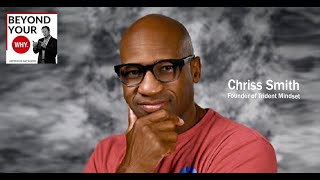
Former Navy SEAL Chriss Smith discusses two extreme endurance races: the Echo Challenge adventure race in Fiji and the Talisker Whisky Atlantic Challenge, a 3,000-mile ocean row completed in 33 days. He covers the physical breakdown, equipment failures requiring hand-steering, and the mental toll of two-hour rotations in a 26-foot boat.
Chapters
Welcome to beyond you'd why Podcast, where we go beyond just talking about your why and actually help you discover and then live your why. You see, we believe that knowing your why, that driving force behind every decision you make and every action you take, is the essential first step to really knowing yourself. It allows you to move forward faster and have a bigger impact. If you're already a fan of the show, then you know that every week we talk about one of the nine whys, and then we introduce you to somebody with that why so you can see how their why has played out in their life. This show will be more powerful for you if you've already discovered your why. If you still need to do that, head over to whyinstitute.com and discover your why today. It'll only take you about five minutes. Now let's meet today's guest.
And so today we're going to be talking about the why of better way to find a better way and share it. So if this is your why, you are the ultimate innovator and you are constantly seeking better ways to do everything. You find yourself wanting to improve virtually anything by finding a way to make it better. You also desire to share your improvement with the world. You constantly ask yourself questions like, what if we tried this differently? What if we did this another way? How can we make this better? You contribute to the world with better processes and systems while operating under the motto I'm often pleased but never satisfied. You are excellent at associating, which means that you are adept at taking ideas or systems from one industry or discipline and applying them to another with the ultimate goal of improving things. And so today I have a great guest for you. I have been looking forward to this for a while now. This is a revisit of somebody that I had on the podcast, gosh, a couple years back and since then a lot of crazy things has happened with him. He's accomplished a lot of things and we're going to talk about that, but let me tell you his bio first. His name is Chris Smith. He is a former Navy SEAL with decades of experience in the SEAL teams and other special missions operations. He's the CEO and co founder of Trident Mindset, an online mental toughness training course. He's the founder and co owner of Trident athletics, formerly Trident CrossFit with one of the largest CrossFit gyms in the country. Chris is an entrepreneur, extreme adventure athlete, husband, family man and dog lover. He says it's not just about becoming a seal, but also about the journey Once we leave The SEAL teams. Chris believes that the psychology of sport, fitness and fun play a vital role in the success of a healthy lifestyle. His mission is to help others overcome self doubt and perceived limitations by developing the mental toughness to unleash their warrior within and solve their happiness equation. Now a competitive ultra endurance athlete, he recently completed the Talisker Whiskey atlantic challenge, a 3,000 mile rowboat race across the Atlantic Ocean. He was also part of Team Shut up and Row, the fastest American team ever that beat the previous record by 14 days. They finished the race in 33 days, 17 hours and 38 minutes. And you didn't have this Chris on your bio, but going to add this too. You were also part of the world's toughest race that you can see on prime television. So, Chris, welcome to the podcast.
Gary, it is so good to see you again. It's been way too long since we've talked, man. Just way too long. Yeah.
And you, and you've done a lot of stuff, man. So I was following you on a line when I, you know, when I saw that you were rowing and let's, let's talk about that. So, so for those of you that haven't listened yet to Chris's first podcast interview, please go back and listen to it because you're going to hear the fascinating and mind blowing story of how Chris went from a businessman or engineer. Right.
To engineer. Yeah. Join.
Joining the Navy, becoming a SEAL and then everything that happened to you after that. It's a, it's a fascinating story. You actually went through it twice, right?
Yes, I went through Hellwig twice. Yeah. A little bitty skinny guy, hyped out all the good stuff, but made it through. Went up to a special missions unit, graduated from that. Worked that for a while back in the civilian sector. Just trying to change lives and make the world a better place, you know, that's my mission.
Okay, so let's jump into. Hopefully you'll go back and listen to that. To his interview. But since then, then you, I think during that interview you couldn't talk about what you were doing. Is that right? I kind of.
That is.
Or something. And you couldn't talk about it because it hadn't aired yet.
Yeah, I think back then I was. We're reasonably sequestered. I think that might be the right word for the world's toughest race. Echo Challenge, Fiji. So it was a race on Discovery Channel. It was race on primetime tv. Uh, Bear Grylls kind of put it on for us. Um, I raced with a team called Team Onyx that time, which was the first ever all African American team to ever race an adventure race as a 11 day adventure race in Fiji. And it was absolutely incredible. Like most things in life, things don't go as planned. So you have all the ups and downs that came with that as well. But yeah, last time we chat I wasn't able to discover that. But now the show's been aired for a little while. Um, team did okay, had some challenges, but yeah, I'd love to talk about that if you want to. And then I just. Yeah.
So tell. What, how long was the race? What was the race? What were the events in the race? Cause I was blown away by what you guys had to do and I was blown away by what it looked like the toughest one was. But tell them a little bit about this race.
Yeah. So if you're unfamiliar with adventure racing, adventure racing is an amalgamation or accumulation of a lot of different sports. Sports like running, trekking, rucking, mountain biking, kayaking, canoeing, rope climbing, descending, rappelling, like all these different things. What made Fiji really exciting? Probably a good word exciting is we use a lot of native Fijian craft. So the race started with a native Fijian outrigger sailboat, which is like a canoe with one outrigger on the right side and a, a sail made of canvas basically. So local tribe made all the boats for the race there. I can't remember now, but maybe 50, 60 boats in the race. So race started with that. Another exciting event there was called a bilibili. So a bilibili is, imagine a stand up paddleboard that is made of bamboo and uses a bamboo stick for an oar. So we had 70, 80 miles to go up river on a bilibili. And that was.
Needless to say, long and exciting. Really. Yeah. Long exciting. Yeah.
You know what was amazing to me, Chris, was how far each race was. This was not like jumping in a little, you know, outrigger and going a couple of miles, which to the average person would be mind boggling to go that far. Your race. Well, how far was the first event?
The first event was the. It was a beautiful day, everybody's got a line, the sailboats are going out and it was supposed to be maybe 50 miles. Remember I said native Fijian outrigger sail? Of course there was zero wind, just turned into basically a paddle, a canoe paddle. So that first event took us 12 hours to get to the other island. Just to put things in context, it took my team, which is a beginner team, newer athletes, which was Part of the, our, our mission for that race is to bring this sport of venture racing to minorities or people that don't usually do adventure racing. Teams that do really well. We'll say the number one team that finished the race was a team from New Zealand who just crushed these events all the time. They finished that thing in like six hours. So.
So it took us a 12 hour paddle. Took them six hour paddle. And that led into.
Yeah, imagine for the listeners what it's like to paddle for 12 freaking hours. I mean that just doesn't even seem A fun but B doable in any way.
That's just the first leg. This is an 11 day race. That's just the first leg. You're paddling for 12 hours, jump off the boat, do like an eight or a 10 hour trek around an island, back in the canoe for another 12 hour, pedal back. Welcome to day one.
Mind boggling.
Yeah.
If you watch it on TV. Well, that's what was going through my head as I was watching it. A, you got a lot of airtime, which was great. Yeah, great. But B, I was blown away by the distances that you did everything. So okay, day one, you do the, you do the 24 hours of paddling and eight hours of running and.
And then what after that we did what was really cool about this. This race also was at each, we can't say junction between different events. You had to find treasure. So after that we had to dive maybe 25, 35ft down to get a nice little bullion to move forward that turned into a traditional stand up paddle board. Right, an inflatable stand up paddle board which that event was 12, 14 hours long. Followed by a mountain bike leg.
Something 8, 27, 28 hours long fall into another foot trek that was 15, 16 hours long, which fall into the bilibili that was 12 or 14 hours long. So like you said, nothing is short, but everything is exciting. It's long enough that you feel pressure and the fatigue and the suffering and the tiredness and all the things that make you not want to finish or at that particular leg. But short enough that you want to go fast to get it done quickly. Right. A lot of team building there. A lot of like negotiation with self, mental, mental work. A lot of for me, finding a better way to get it done quicker. Yeah. So it's a super, super exciting, kind of super exciting race just to begin with. Yeah.
So you did not mention what I thought, at least based on what I saw on the tv what the hardest event was. There's one that seemed like it was absolutely brutal.
Well, what did you see? What did you see? What did you think?
The swim up the river.
Up the freezing river, you know, freezing river. It was a freezing river. So here's the sad part of this journey. It's an adventure race. Good things happen. Bad things happen. Our team didn't get to that point because we had a massive bike crash. Our team tapped in, crashed his bike, got a concussion, so he didn't get that far in the race. So we didn't complete that race. But that's okay because our. What we set out to do was expand the idea of event racing for different types of people. We did that. We wanted to build team. Want to work on team building that team. Team Onyx started with five members, right? So four members that race and our. The girl that did our camping stuff. Now we have 64 members on team Onyx doing adventure races around the world. So pretty awesome there. So. Yes, you're right. That was super, super hard. But I didn' to experience it.
Probably a good thing.
Yeah, probably a good thing. Yeah.
How far was that? It was swimming up a river.
It was swimming up, up a river after a storm, and I heard the water was absolutely frigid. It was the breaker of many teams, you know? Yeah, it was the breaker of many teams. The Italian team suffered really badly in that. In that, that leg. But, yeah, it was super hard.
So one of the things we talked about the first time that we had you on the podcast was and what became really evident was your desire to never, ever, no matter what, quit.
Yeah. Yeah.
And you talked about the one time that you did quit and how it messed with your head. Still and still does.
And.
And it became really obvious in the. When you had to stop. Yeah, that bothered you.
Yeah, it did. It did. Like I said. So that race, our team captain crashed the bike and people don't know. Just before that, our team captain was also primary navigator. Right. So it's map encompass navigation, no electronics. So he comes, he comes to me, he goes, hey, Chris, why don't you captain right now? I'll just be primary navigator. Literally just before the bike crash. Right. So maybe 25 kilometers before the bike class, I was taking over team captain. Super excited to do that for the team. It was awesome. Bike crash happened. Now I'm responsible for finding a way to keep the team moving forward after a horrific crash. Super challenge for me. Just managing people, trying to be safe, trying to make the right decision, trying to do the right thing for the right reasons, like all that Was on. On my plate now. Just happened that by doing the right thing, we didn't get a chance to finish the race, but it was the right thing to do. So inside, I'm not finishing the race. I'm feeling like I'm quitting the race. But in reality, sometimes you just don't get to finish races. Yeah, right. Sometimes you just don't get to finish races.
Yeah, it was. It was. You could see what from. I could see watching it, what was going on in your head. Just like we said, we were doing this. Now we're not quitting, no matter what.
Yeah.
You could see when you were resigned to the fact that, hey, you know, what if we don't quit? He did not make it.
Exactly, Exactly. Life over. Life over. Finishing first and foremost. Right. Like I said, super hard decision to make. Emotionally, physically, like we were super strong. We were super strong. Ready to race. Just had a night's sleep. Super engaged. Crushing the bike, ready for the next leg. Ah, just. This wasn't. The cards weren't in our favor that for that particular moment. But again, you can always rest on the. Did you make the right decision for the right reasons at the right time? And even though, yes, I was visibly disappointed and emotional pain that we weren't moving forward. Still the right decision to make. Right. Still the right decision to make. So Cliff and I are still friends. We still do things. It's nice, right?
He's okay. He's okay.
He's okay. Yeah. Yeah.
Okay.
He's like so much into this. Growing, just growing. Are expanding the knowledge of adventure racing. So, yeah, he's doing. He's doing great. You know, he's actually a professional chef, which is crazy.
He is. Yeah.
Good one, too. Yeah.
Wow. You would never know that from the. Caked all over him.
Yeah.
And so, yeah, that gets back to why you guys crashed. Because remember the. What? The tires were so full of mud.
The tires were full of mud. Just got new packs on and literally we had had a couple hours sleep and we were flying. Passing team is feeling super, super good. Like, you know, we struggled on some of the water events, but, man, we could ride bikes, right? So we were like catching up, making places, making places. Road just goes downhill real fast. Takes it too. Too big of a turn. Just miss. Just misjudged the turn and off we went. You know, bike gets smashed all over the place. Helmet fault gets big crack in it. Falls off his head. Crazy eyes like, ah. So, so painful. So painful.
So did you stay there to the. To watch the finish or okay, yeah, we did.
Yeah. Because, you know, these kind of races too, it's not just about how your team does in the event. It's a community. Right? Like there's. I can't remember how many teams were in the race, maybe 50 teams. I can't really remember. But you know, people are finishing all the time. It's a community. People are still, wow, tough break for you. But we're still part of this whole thing, you know, making the sport really, really nice, putting on a good show for TV and everything. Like, it's just really, really nice to be part of just people who want to move forward and get past adversity and just keep doing hard things. So, yeah, we stayed to the end, went on a couple more bike rides, just real small ones and a couple walks, you know, just kind of took it easy a little bit. Cliff had to spend two days in the hospital, you know, so it was just like a lot of things there. But yeah, we're still there to support the race.
So what is your interest? Excitement. Why the heck do you do these? Why do you do an adventure race? I mean, it looked excruciating. It looked like a freaking nightmare to be out there. There was nothing that looked fun at all about any of it, at least from the perspective of somebody watching it on tv. Why did you.
Yeah, there's a lot of suffering involved, but it just goes down to maybe drive a little bit like it after a while. It takes a little bit more to look inside to see what you're made of. Right. I remember when I first was an athlete, I remember a 5k was a long, a long distance. Right now a 5k isn't a long distance. After the 5k, a 10k was a long distance half marathon, marathon, hundred miler. Okay. A three day race is now exciting, right? So it kind of gets pushed out a little bit. And yes, you can go too far, you can go too far, but it's just the excitement of looking in and maybe talking to yourself or having that mental toughness to keep moving forward when you really, really everything is trying to tell you to stop. What's it take for you to keep moving forward? I have to move forward fast all the time. But keep moving forward, what that takes and races like this also. I am a huge, huge proponent and I just love these team sports where the suffering isn't just about you. Can you be a beacon? Can you inspire people? Can you mentor people? Can you galvanize your team to keep moving forward when all the things are going bad? Nothing's going in your favor. Are you that person that people can lean on? Are you that person that can find a better way to get something done? You that person people can count on to keep moving the team forward? I got the chills, like right now. I really do. That just jazzes me up so much to be part of that. Not just being a leader of that, but also being a good follower of that. You know, just being on the team is just super important to me.
How do you do that? So I'm on your team. There's four, you know, four of us on the team, obviously, and all hell's breaking loose. What goes through your mind? How do you step up? Why do you step up?
Well, the good thing about team is you don't have to be the only person that steps up right as the race goes on. You may have your high days, you may have your low days. So not only you there to support your other teammates, well, they're there to support you as well. So understanding relationships, understanding communication, understand when somebody's crying and whining for no reason or there's an actual reason why they're crying and whining, you know, the support, being able to understand people. Right. To find a better way just to make sense of the things, just to understand what they're actually what their problems are and kind of work through that with them is super liberating. It's super exciting for me. So I think it's just having the wherewithal to want to communicate, to want to keep that relationship for the right reasons and moving forward there. So it's good listening skills, good communication skills. Sometimes not good listening skills. You know, like all the things inside there, it's like we're just going to keep moving forward. Let's go. You know, just. And. And being part. Like actually being part of somebody's comeuppance. Right. They're in a very, very low. Their feet hurt. Whatever's bothering them. Like, okay, you were in that. That. That dark, shallow part with them, and you are able to give them, encourage them, something that made them come out of that trough. And now the next day, they're hours later, they're feeling good. Whatever is bothering is not happening. Like, wow, got to be a part of that with somebody. You know, you talk about deepening relationships, talking about making connections with people. Yeah, yeah. Listen first, talk later and just kind of. Yeah.
A lot of good lessons in there for us in the business world, it seems like.
True. Yeah. Yeah. Sometimes we just think about just ourselves or we forget that the team is. Is as important, if not more important than whatever you're trying to accomplish. Right. Just having. Having where I thought maybe put all of your jazz behind you and just say what's important for this person. How can we make this person better so that we all can move forward. Right. Yeah.
Okay, so let's go to the next.
Thing that I heard you were doing. You sent me this text or something, says, hey, I'm about to do this row across the Atlantic.
Now, I think your response, Gary, was, did you journal today?
Yeah.
Like, holy cow, you're gonna do what? Like, you know, how do you a come up with this? Who. Who thinks of these things? Yeah, why the heck. I think I asked you. Why are you doing this?
Yeah.
You love to row, then you're freaking hate rowing, man.
It's the worst. It's not even a sport. No. Roman's Challenge. So for me, I'm a storyteller. I like sharing stories. I found myself maybe a year, two years ago, three, four years ago, whatever it was, being in a place where I felt I was just regurgitating past experiences and past stories and nothing new to contribute. Had I not experienced anything new in my recent time. That's exciting. It's worth sharing. That's inspiring for people. Am I talking the talk and walking the walk, or am I just, like, sitting back in my rocking chair telling, oh, back when I was this, I was that, you know, like, I just needed. I just wanted a test. I wanted to stay engaged, stay involved, keep myself. Like I tell people all the time, sometimes you got to choose hard things. You have to choose the wrench to do hard things. That makes everything else easier. But I found myself in a place where I really wasn't doing that. Right. I was doing things, but I knew when I looked in the mirror, I wasn't doing the things that I should be doing to keep myself spirited, to keep myself inspired. So I was looking for a challenge that was going to scratch that itch, if you will. And you have to be careful what you put in the universe because it comes back at you 50 fold fast.
So it sounds like what I'm hearing is you were feeding others. Because I've seen you at your, you know, at the CrossFit. Yeah, I know that you are constantly feeding other people. I mean, if you go into Chris's Trident Athletics. CrossFit or. No, it's called Trident Athletics now.
Yeah, we just changed the name to Trident athletics. Still a CrossFit gym, but just change the name of Trident Athletics.
It's a broader market.
Yeah.
Chris, you can't really tell it from just listening, but Chris has a very loud voice and there is nobody that doesn't know he's in the gym at that moment. Because you are encouraging and yelling and harassing everyone everywhere you go. Right. That's your thing.
That's just. And that's my whisper voice. That's just who I am. Right. Like just the energy manager. I love what I do. It just, it just comes through. It comes through in races. It comes through like even now my voice is getting loud. I should turn my thing down. But it's just who I am and what I do and I just, I not changing that. I just, I just love it, you know. But yeah, just looking for stories, looking for experiences. Just wanting to walk the walk and not just like, we give advice to people all the time. Do we listen to our own advice? Do we do the things we ask people to do? Well, I ask people to do hard things all the time. I'm like, well, then go do something hard, son. Right. And this was it. Sure. So, yeah.
What came through your mind when somebody asked you, well, how did it happen? How did it happen that this is what you guys chose to do?
Yeah. So this was a third party experience. Our team captain, Brian Nicholson and his buddy James Hein worked together and they were slotted to do this race maybe five, six years ago. Right. It's a very unheard of race. There's only been less than 1200 people that ever do it. For some reason, that race didn't go but it was on Brian's mind for a long time. So Brian was looking for people to make a team of four. Reached out to a friend of mine, Dan Cirillo, and said, hey, and I think I'm going to quote this. Do you know any idiot fools who want to row the boat across the Atlantic Ocean? Novaez is like, do you know anybody that would even entertain this crazy thing? And of course, you know, Dan and I have a good relationship. He's all like, I know the two perfect people. It was myself and Brian, Shawn, Tosh. So, you know, it was cavalier. Brian called and said, hey, does it sound exciting? I'm like, heck, yeah, it sounds exciting to me. No research, no nothing. Talked to Tosh. He's like, well, if you do it, I'll do it. And we said yes. And that was like two and a half years ago.
Wow. You're. I mean, I can't imagine. And you're not somebody that rows all the time. Right.
I am 5 foot, maybe 9, 165 pounds. I'm not even built for rowing, man. You ever seen rowers? They're gigantic. They're 6, 7, 2, 40. They're huge. Yeah. So, yeah, this was totally not up my alley. And that was also really exciting for me also, Gary, if you ask me to ride a mountain bike, I've ridden mountain bike. I can go faster, slower. If you ask me to run, I can run faster, slower. I've run before, Paddle a kayak, canoe, done all those things before. I've never rode a boat, definitely never rode a rowboat and definitely never even had a boat in the ocean. So everything was new, everything was exciting, everything I had to learn. And that like jazzed me up. It fired me up so much, I'm like, holy cow, this is going to be awesome, you know? Yeah.
So was it more excitement or more fear or was there any fear in.
The beginning or post?
Well, probably in the beginning and during. I mean, we haven't even gotten to the during. But I know when you're thinking about doing, like if I was thinking about doing that right now, it would be petrifying to me thinking, I don't just like what you said. I don't know what the heck I'm doing. I don't even have a concept of what I just said yes to.
Yeah, I felt the exact, I felt exactly the same way. But that was exciting for me. I'm like, holy cow. This is completely new. This is completely exciting. I'm capable of many things. Well, let's see if I'm capable and can kind of do well in this event that I know nothing about. So. Yeah, remember this was like two and a half years ago when our training first started. When our training first started. I don't know if you remember or not, but remember I broke my neck. That's right. I had to get four new vertebrae in my neck. Yep. So I didn't get a chance to train for six months, then started training again like at the two year mark, you know, concept two, weightlifting, all that kind of stuff. Got a coach, our team got a coach to kind of help guide us through this experience of what we're supposed to, you know, be looking for late later on. So it was nerve wracking. And you know me very well and I'm an excitable guy. Like variety. Well, rowing is not variety.
Yeah, mundane. Back and forth, back and forth.
Okay, so now let's go to race day. You say, well, you trained. I remember I sent you a text. I don't know, let's just say six months ago. And I said something like, you know, what are you up to this weekend? You said I'm gonna just do a little trial run or something for trial row?
Yeah.
And I said, what does that mean? And he said I'm gonna go out and row for 12 hours or something like that. 12 hours? Who rose for 12 hours?
Yeah, we did some 72 hour rows in a garage. We've done some, yeah, just a lot of rowing. Yeah, we rode from like Florida to Georgia. A lot of rowing. Cause we trained in Florida, so did a lot of rowing, like a lot of rowing. But all the rowing that we did didn't even compare to what we experienced on the ocean.
Okay, let's go there. So that take us through the start of the race. What was the start? Like how many boats were there, what was going on and what was going on through your head?
Yep. So 42 boats, I believe in this race comes in different classes. You have single people doing the whole 3,000 miles by themselves who are still out there rowing. Wow. Right now, right now there's they definition like three and a half months. So they got a ways to go. Still.
No thanks.
I know even I'm saying no thanks to that. So you got singles, doubles trips, fours and fives. Right. We were a four person boat. All the boats are lined up. The Atlanta campaigns runs the race. They do a really, really good job of making it seamless from showing up in Spain to getting your boat prepped up to starting the row. Right. So all the boats have a two minute start, separation.
Our goal was to win, right? First place, first American team ever to win. And that was our goal. So our team manager is like, hey, we're going to start, we're going to do what's called three up, which is two hours of rowing, 40 minutes of rest, two hours of rowing. We're gonna do that for three, four or five days, right? Yeah.
So funny is when I say it, it doesn't even make sense.
No, no. Listening to this, I'm thinking who came up with that? And is that even possible?
Yeah, it is possible. But yeah, it's crazy. But yeah, that worked out really, really, really well for us. We got out front, quickly maintained that first, second, third place for a long time, got into first place. We're like 12, 14 days into the race, right around Christmas time, we were like literally us in another boat, neck, neck in the big Ocean, you know, five, 600 miles offshore, just actually racing, you know, which is insane to think about.
Yes. Well, hold on a second. Hold on, Chris. So if I'm listening to this right now in my mind I would be trying to picture what the heck does this boat look like? It's not like a little kayak.
No.
What does it look like?
Yep. So it's 26, 27ft, has a small cabin on in the stern, right. About six feet long, maybe three and a half feet high. You can sit up in it, you can almost lay down flat in it. In the front of the boat, the bow of the boat, you have about a six and a half, seven foot cabin, about three and a half foot high that you could almost lay down in. It's about five, four, five feet wide in between those two. Flat hull, three sliding seats and six oars. That's it. There's some whole space to put food. There's a water maker on board, poop and piss in a bucket. Full ocean going electronics package. So full electronic navigation, AIs like all the things that actually real boats have. So all that was there as well. So.
So it's small, it only had three seats.
Yes. Yeah.
Because only three people rowing.
Well, typically most people row two hours on, two hours off. All right, 24, seven, two hours on, two hours off. That's the typical way most people are doing the race. So you get two hours of rest of which you have to make food, cook food, eat food, clean your body, make sure your body's recuperating in that time, sleep, recover, get back on ore right, rinse, repeat, 33 days.
All night long.
Just all night long? Yep, just real one.
So what is the ocean like way out there in the middle of nowhere on a little 26 foot boat?
Well, first of all you might have to BLEEP this out, but mother nature does not give a fuck about you.
She is going to do what she is going to do regardless of what you think she's going to do, what she's going to do. She wants to bring a storm. You get a storm, wants to rain, you rain. What's hot sun? Hot sun, you got you. There's nothing you can do about it. So you feel your place in the universe real quick. You feel your sense of scale in the universe real quick. You are a very tiny boat in a gigantic ocean where as far as you can see is as far as you can see. There's like nothing in your way. Yeah, it's just you, your boat. You don't see any other boats in the race. It's very awe inspiring where you have the entire majesty of the sky where you see every star that you can see, there's nothing in your way. It's like you can see through the galaxy. It's crazy. Like absolutely crazy. The nights are dark as dark. The days are hot.
So what's the temperature like out there at night?
It was gorgeous. It was gorgeous. We rolled without shirts on at night, short pants. It was just, it was nice. We got closer to Antigua, got a little bit hotter. Right. A lot of guys roll naked. I wore some sleeves, just keep the sun off my skin during the daytime. Some guys had no shirts on so the temperature couldn't be better. You are sequester or succumb to their storms out there like all the time. Right. It's mother nature. High winds, big water, big seas, 30 foot swells, 35 knot winds. Like you're out there. Yeah. You're out there like a little cork in the big ocean. Floating around. Right. Going 3.5 to 4 knots. Yeah.
So biggest challenge you guys ran into was what?
We had a myriad of challenges. We had some boat mechanical issues which other boats didn't get to experience that like.
What do you mean a mechanic? It's doesn't seem like there would be mechanical issues.
Well, they're solar powered boats. Right. So the boats have two lithium batteries run by solar power. That allows us to run all of our electronics and run all of our. Our water maker. Right. So the water desalinators on board. So we make our, we make our water that we use to make our food and then all the electronic package is run off solar power. For some reason we lost our batteries. Our solar power wasn't working, so we didn't have. The boats are auto steered so it's a GPS rudder, but without power you don't have a GPS rudder. So you have to like what we call hand steer. So you have to like hand move your rudder with some lines, which is super challenging. So that kind of hung us up a little bit. That's not true. It hung us up a lot. Not just physically, but also kind of emotionally. Right. You're in first place. All of a sudden your boat shits the bed. Now boats are starting to pass you and you're trying to rectify or problem solve. Our team did a fantastic job of navigating the six or seven relatively major problem sets that we had on the boat. Mechanically fixing things, just managing things. We did a fantastic job with that.
How did you keep going with no water?
Oh, so we have. Every boat has 15 days of emergency water and 50 days worth of food. So we're allowed to drink some emergency water. One of our solar panels came back up, so we're able to make 20 liters or whatever for the team during the day. So you just had to ration stuff a little bit, which is cool. You know, the boat still got a rope boat stress. To get to Antigua, you just make different decisions, right? If your car's got one wheel flat, well, don't drive so fast, right? So you still have to get to where you're trying to go. Manage that emotionally, manage that mentally, manage that physically. Just keep moving in the right direction. You know, I kept having this saying in my head, one more stroke closer to Antigua, one more stroke closer to Antigua, right? Like some things you just can't, can't control Mother Nature you can't control, right? You can give the same amount of effort every single stroke. For two hours you're going 4 knots and for the next two hours you're going 1.2 knots. Same exact effort. So. So, yeah, so you have to manage a lot of emotional management, a lot of physical management. It's, it's a lot. It's a long race.
So now you're how many total miles was it?
3,000 miles. Just so we did two 970 something miles.
Okay, so 3,000 miles, you're now a thousand miles in.
I know there's a point. You're like, I am 1500 miles from the nearest land and there's a bird.
What.
What the heck goes through your mind? 1500 miles in and you got 1500 more miles to go.
He's joking. Yeah.
Did you ever want to quit?
No. No. 100 emphatically. Never wanted to quit. I can honestly say too, that you're not trying to be egotistical or braggadocious or whatever. Like, there really wasn't a time where I actually didn't want to get to row. Like, rowing was way more manageable than the two hours off. Two hours off. You have to manage so many things, right? You have to manage your motion, your sleep, your food, your body. Like all these things you had to do. And it's a very short time when you're rowing. Like, all you had to do was row and there's not much else you can do. Just row. So I made a goal of mine. Every, every guy on our team did. It's like, hey, basically you're rotating every hour with a partner. You're like, my partner's not going to row one of my minutes. Not one. I'm going to do my 120 they're going to do your 120. So for a team, we did really, really well with that. Just making sure that everybody's like participating as much as they could. And that was just, it was awesome. You know, I took rowing serious, I took resting serious. So, yeah, that was my little idea.
And what was your, were you wearing gloves or no gloves or how did, what were your hands like during all this? Like, what broke down the. What was the part of your body that broke down the most during this event?
Yeah, so me included. But most people have three contact points that just wear out. The first one would be your butt. Because you're sitting on a seat no less than 12 hours a day. Sitting on the same two sits Bones, the skin starts to chase because you're wet, like most of the race, right. Either with sweat, salt water, so your skin is just sloughing and eroding off. It's miserable. Right. So that part. And you're sitting on the same spots over and over and over and over again for two hour blocks. Even when you get off the seat, right? You get off the row seat, you go back to your cabin, which is literally half a step away, and you're sitting again. So you're sitting for 23 hours, 24 hours a day. So your butt takes massive trauma.
Secondarily and surprisingly, your feet. I don't know if you've been on a concept two rower where the strap comes across your feet. Your hands are kind of used to working and being tough, but your feet are always in shoes and it's relatively soft. Well, that strap creates a lot of blisters on the top of your feet. Unexpectedly, that kind of triggered my brain a little bit. I was like, oh, I didn't expect that to happen. And then the third thing would be hands and hands. Most people.
Either gloves, grips or bare handed, bare hand is probably the best choice. Since your hands are in the same position, they blister, the blisters dry out, create callus. Your hands are good to go. And that takes about two weeks, maybe 10, 15 days. Two weeks, wow. Yeah. Right now my wife is like, do something with your hands because they are like 60 grit, sandpaper.
Don't touch me.
So you rode straight for 33 days?
Yeah, 33 days? Yeah, 33. 33, 18.
And that beat the record by quite.
A bit by the American record by 14 days. Right. I was just doing a little research just the other day.
Obviously we wanted, we wanted to hit first place. We didn't, that didn't happen. We took fifth place. In the four man boats and sixth place in the overall race. Right. Emotionally, you want to roll hard and you want to hit first place. And that was what we're telling our sponsors and everybody, hey, man, sometimes that doesn't happen. So, you know, when you're racing things, sometimes they happen, sometimes they don't. And it was kind of emotional that we didn't kind of do that. But I was kind of. People kept telling me, like, hey, don't let not being in first, second, or third place erode from the overall accomplishment. So I've been really trying to come to grips with, to wrestle with not hitting podium. But still, what a magnificent accomplishment. So on the Taliskowiski site, they have every race, every race, every racer since 2015. So I put our score in there, our time in there. And before this year, only seven or eight boats were ever faster than us.
Wow.
Since 2015, this year was a fast year. So they were obviously four or five boats faster than us. But still, that's a huge accomplishment. Right. The last American boat that finished was 14 days longer than us.
So believable. Can you imagine 14 more days than what you did?
Let me tell you something, Gary. There are still people rowing.
Oh, my God.
There are still people rowing. Like, I wake up every morning just looking at the app that shows people, I'm like, they're still rowing. How freaking awesome is that? I'd be bonkers by this. You know what I mean? I'd be bonkers. But the mindset we talk about kind of mindset and different ways to attack the problem. We wanted to race fast, so we didn't take some things. We trying to stay hard and committed to our goal. So our experience was different, I'm imagining, than someone that knows they're going to take two and a half months to finish the race. They're just attacking the beast, right? They're attacking the race differently. Maybe not rowing as hard, maybe not rowing as much, maybe taking more sleep, maybe eating better, like all the different.
Ways that you can tackle a race. So even though I'm good, I'm like, oh, there's no way I want to still be rowing. But, you know, if that's what you set out for, it's probably an amazing experience. Sunsets, sunrises, moon rises. Just all the different things that mother Nature throws at you. It's absolutely mind blowing. It's so inspiring. You feel, you feel your place in the universe. Like you feel the sense of time in your space in the universe. And that's a gift I want to say thank you for. Because, wow. Before that, I was just racing through life, not really aware or paying attention. Now I'm like, you know what? I'm just gonna be me right now. Yeah. Super interesting for me. Yeah.
Well, was the hardest part of the race mental or physical?
The hardest part of the race was mental.
Yes. Because the physical became routine. I just gotta row. Intensity of rowing, how hard I row or how hard I don't row is modular. Right. It modulates a little bit, but you're still just rowing. The mental thing of holy 14 hour nights, I gotta do it again. I gotta eat this food. I gotta make sure I drink water. Oh, my butt hurts. This hurts. Like, all the things that get in the way of people accomplishing goals, they're there and they don't go away. They're coming back every two hours, just slamming you in the face. Oh, my butt hurts. Oh, this hurts. Oh, my. Whatever kind of things it's bothering you, they don't go away and they don't get any better.
He's got to create a different relationship with them, right? Yeah.
So take us to the finish line. Now. You're, you know, you're half a mile from the finish line and what was that, or what was it like to ac.
Land? Yeah.
Then get to the finish line.
Yeah.
I'll talk about scale for a second. What was it like to finish the sea? Land. Well, you can see land about a day before you hit land.
Wow. You can see land about a day before you hit land.
So for this race, every. What I love about what Atlanta campaigns does, they celebrate every single finish like it's. It's an awesome finish. So you're in contact with the race coordinators. You're like, hey, I'm eight hours away, Whatever it is. They're like, all right, here's your last bearing. Take this direction. You're rolling your own. You're on your own rowing. When you kind of get close, they send out a jet ski and a video boat. So every finish for this race is live on Facebook. So your last, whatever, 20, 30 minutes of crossing line is film. There's flares and all this chaos, and boats are spinning around. You're videoing. And what you don't realize is that you've been sitting down for 33 days and you haven't taken more than five steps a day. So they're like, stand up and put your flare up. You're like, I don't even have any legs. Wobbling all over the place, you know? So you finally finish that you know, they get the photos and everything for you in the video and you know, you're, they're like, all right, you got to get to the, to the, to the piercing. It's a frickin another mile away.
So you get, you do the mile.
They pull you up to the, to the, to the dock. The race coordinators are there and they're announcing your time and telling about everybody. And your family's there. My wife was there, my sister was there, Other teammates, families was there. And it's big O. You haven't seen people in like 30 plus days. You've seen nothing or talk to nobody except the other three yayas on the boat for 35 day, 33 days. So it's so overwhelming. You're, you know, you're holding the American flag and you're like, you're on the boat still. So you've got your sea legs and stuff and they're giving you your plaques and you're filling all the photos and asking you questions. And then you take the first step off of a boat that you've been on for 33 days. You haven't stood up, you got no muscle. I've lost 17 pounds and the world is rocking.
You're talking about sea legs. Oh, my God. Like, you just, you can't, you can barely even stand up, you know, and everything's just wobbling around and people trying to give you hugs and you're like, oh, it's so loud.
It's a lot. It's a lot. You're trying your best not to man cry, but you do it anyway.
That's so.
Yeah. And your wife, she loves you so much and she gives you a big hug. She's like, you stink. Still gives you a kiss and hug and it's so amazing, you know? Then, you know, you've been talking about eating food, real food, for weeks.
And. Yeah. And you getting. There's food and drinking beers and it just, it's. I really don't have even the words really describe how surreal.
Like, it's just so much and so surreal that it takes you days just to realize that when you wake up, you don't have to row.
Right?
You're rowing your sleep. You can't sleep more than 15 minutes because when you're on the boat, you're like, oh, is it my turn to row? Like, you're taking like 15, 20 minute naps just because you don't want to make your partner wait for you, Right? So that doesn't go away, like immediately. I didn't take a. I didn't stand up to take a pee or a poop for 33 days. I couldn't even stand up and pee. I had to get out of bed and wobble and hit the walls and try to get to the bathroom and sit down.
Unbelievable.
Yeah. It's so overwhelming. And I'll just share whatever. It's so overwhelming that, you know, three or four hours after you finish and all this stuff starts to settle down, we go back to our hotel or go back to the hotel. I'm taking my first shower in 33 days. Hot water hits me. I break down, bro. Crying, sobbing. Just like, finally, just.
So overwhelming that this journey is. That part of the journey is complete. Like, literally just sobbed in the shower. Sobbed in the shower. The water hit me. I couldn't even stand up. I had to take a shower bath, had to lay down in the water just because. Yeah, it was just. It's just overwhelming because your emotions just all over on the boat, right? I mean, and you find like, oh, my gosh, I'm done. Wow. Like, I'm done.
Happy or sad?
I don't even know. Like, I don't even know if it was happy or sad. It was just such a release of something, like, everything, right? Oh, my God. I don't have to roll. Holy cow, look what we just did. Could I have done better? Could I have done worse? Could I have, like, you know, like, all the things. Was I ever addict? Was that NASA? Was I awesome? Was I. Was I lifting? Was I demeaning? Was I. All the things that just. Oh, just floods out of you, right? I'm speaking for me. I don't know about my other teammates yet, but just floods out of you and you're like.
Your tolerance for people is very short. Like, everything is just so different. Time is just different. It's just different. Everybody, let's do this. Let's do that. You're like, I really don't want to do anything, but I want to do everything. Yeah. Exhausting. I mean, you have no land muscles. Like all your land muscles, your leg muscles, your arm muscles. I didn't push anything for a month and a half. You know, just everything was just wobbly. I'd walk five steps, like, ah, Take a nap.
And. Yeah, just amazing right now. This was just, what, last week, right?
Yeah, we finished on the. When we finished the 15th, I think something like that. We finished on the 15th. So when is that? Yeah, like two weeks ago.
Yeah, this is two weeks ago. This isn't like years ago that you Have. And I was trying to get you on the podcast even sooner. I didn't. And you were kind of avoiding me.
Which I was because I couldn't process. Like, I've been. You know what's crazy, Gary, is so it's been, we'll say what, 15, 12, 15 days. I really just stopped wobbling like five days ago.
Wow.
And like there's so much like you're one of a couple people is like, oh, let's get on the pockets. I'm like, I don't even know what I even say in the pockets.
I haven't even.
I haven't even processed enough yet. You know, it's like an integration reintegration to the world about all the things.
Yeah.
So last week would have just been. We rode hard and we ate shitty food and we finished. You know, like there's just. It just hadn't come. Hasn't. I'm still having trouble articulating, obviously. Right. Like, there's just so much to lessons learned. What could you do better? Would you do great? Like all the things, hey, you didn't hit podium, but you still did a fantastic race. Like all the emotions are. It's taking time to kind of to intellectually and emotionally bubble to the surface to share.
Yeah. So it's been.
What was it like walking into your Trident Athletics for the first time?
Yeah. So I voted it. So I secretly came home for two days. Didn't tell anybody because it's just a lot. Just overwhelming support. The gym put up two rowers in the back of the gym where people rode for the whole month, which is awesome. Yeah. Crazy. Don't we raise a lot of money for our cause? Big Fish Foundation. I actually two part story here. I had a bittersweet finish. I didn't share this, but I had a bittersweet finish because my dog died five hours after I. Or maybe six hours after I got off the boat.
Right.
So finish. Yep. Our dumb pincher was diagnosed with DCM like six months ago. I've been gone for two months, you know, rowing. He's been taking care of my wife. Just doing other things. I laid down that first night, try to get some sleep. Popped up like I had a freaking visceral conversation with my dog. Wobbled to the bathroom, sat down, peed, got up, hugged my wife. Phone rang. Oh, your dog died. So kind of a bittersweet thing. But here's what's super crazy. Another teammate's dog died the day before the race. So it's just weird of how this was bracketed in with sorrow, emotion in relation, depression, excitement. Like all the emotions like you put four Navy seals and Marine on a boat but they can do well is freaking real hard.
Can you handle all this other shit that we're gonna throw at you? Right? You know, can, can you handle this other stuff that mother nature is going to throw at you? So it's been more than just like a pad. A rowing race for, for me personally, it's been just like a journey of like all these different emotions, all this different. You're talking about coming back to the gym. Like there's so much support and say everybody's so excited and it's awesome. It's awesome. It's hard to receive everything at one time. So I've been kind of pittering in a little bit because I want to show my appreciation for support as much as you're supporting me. Right. So I'm doing a little bits. If one or two people come up, I'm like, wow. I want to let you know I'm gracious and I'm grateful for you and I appreciate all the stuff that you've just helped with my family and wife when I was gone business. Like all the things. I just want to show appreciation for that. So taking it slow. Still taking it slow. And I can do 10 push ups right now, in case you wondered.
Well, you're used to giving so much. You're used to being such a giver and encourager and then it's probably hard to accept.
Is it? Is it, is. It's hard for me to like to just interest. It's just so new. It's like, it's just so new. Like everybody is so excited and they see some things that I am learning to see now. What a great adventure, what a great accomplishment. Because half me still like we didn't make podium right? So they're. I know, but they're helping me with that, which is really, really, really good. Which is like, man, I can't. I'm a, I'm a blessed man. You know, I'm so grateful.
And on their side they're thinking, at least for me, I'm thinking not a chance in hell I will ever try something like that. So I just happy to know somebody that did. You know what I mean? It's like, yeah, it ain't ever gonna be me.
And yeah, so that's crazy. My wife was, my wife was doing a little research. She's like, hey, you know there's a stat out there that says over 25,000 people have summited Mount Everest and less than 1200 have done this race.
Wow.
I was like, whoa, that's pretty awesome.
That's super. You know, and I don't think I want to if. I know if I should ask you this question, but it's.
Go ahead, man, put it out there. You know me, I'm an open book.
Well, it's. What's next for you now? I mean, what can possibly of that? I mean, I can't. Have you even thought of that? It's only been 15 days, so.
Yeah, it's so interesting too because, you know, my whole life I've had. I've always had something out that I'm kind of struggling for or working for some kind of goal out there, which is one of the reasons I chose this race because I was missing that for a little bit. I kind of on the boat, me, my bff promised each other we're never doing anything harder ever again.
Never doing anything hard. I'm never suffering again. I'm off the boat. I'm like, ah, I might have lied to him, you know, But I don't know. I don't have a specific event in mind, but I know I just want to have fun during that event. I want to do it with people I care about. I want to have fun during that event. Right now I'm telling myself I don't really care about how I finish or whatever. And I think that's the truth. I've already signed up for five or four.
Four, five mile, like trail hikes, my local area here. Just because I need to do something to kind of get my body strong again. So I'm going to walk those. I'm pretty excited about that. I've got a little small half marathon scheduled in end of March, which I'm going to walk that I might run and walk that one. We'll see. Just to do it. Just. I just need something to kind of. For me, it's really hard for me to train with nothing at the end of it. It's really challenging. So I love training. So I just need something to kind of. Oh, that's on the books. I'll just go and piddle through that. You know.
In my dark soul, my darkness. The angry Chris. The dark Chris. You were talking about quitting earlier. I don't know if you remember, but I didn't Finish the arrowhead 135S. 135mile, middle of the winter sled pool. That's kind of my mind don't know about that yet. But that's where I'M at. I'm not in a rush to. Not in a rush to do anything. I'm in a rush to, like, support my. My family. I'm in a rush to be a better human. I'm in a rush just to have relationship with people. I'm in a rush just to, like, share experience. I'm in a rush to, like, mean my hugs, you know, I'm in a rush to say God, thank you and mean it. You know, I'm in a rush to just stay in touch with my emotions.
Last question. Like what? Because I'm betting somebody, I'm guessing somebody listening is probably thinking this. What were you thinking? Like, when you're doing all those. That rowing and it's got to have been monotonous, Are you guys talking? Are you quiet? And when you're quiet, what are you thinking about?
Yeah. So like I said, our boat had a lot of challenges. So maybe two and a half.
Maybe two and a half. Three weeks into the row are two Bluetooth speakers that we brought the saltwater destroyed. So before we listen to music on the boat. So the last three weeks, no music. So we had. Guys had earbuds or whatever. I mean, you have music or you're listening to a book. But it's so weird on the boat because it's not like this interaction or this, this collaboration anymore. So sometimes you did that while we had music. It was great. You'd sing, you stay in tune, you play. Right. Once that was gone, just added another complex layer of like, ah, fuck. This challenge is really not really about rowing a boat. It's way more than this. Just added that complexity, but also gave you a chance to get in touch with self. Also gave you a chance to be open with your teammates and talk about man, I guess, I don't know, like, gave you an opportunity to really be a good listener. Gave you opportunity to encourage when people are down. It gave you opportunity to express your suffering and not be judged for it. Right? So it gave you all these different opportunities to. That we do it normally, taking alpha males lives, right? Like, you just don't take those opportunities. Like, it gave you plenty of opportunity to express.
So, yeah.
Yeah, maybe this is the last question then, since I said that was going to be it, but I came up.
I just wrote two hours on, two hours off for 33 days. So it doesn't end, it just keeps coming, baby.
What's the biggest thing you learned about yourself during that 33 days?
That it's okay to be quiet.
So, which is hard for you why?
Because I'm a better way, which is hard to share it. I'm going to share it. Right? So our team name is Shut up and Row. I'm a better way guy. I like to share my ideas. I stepped on the boat with the intention of doing more listening and contributing than, like, sharing my better way. Right. We got a team captain. We got four strong alphas on the boat. Like, hey, you know what? You don't need another chef. What you need is somebody just to kind of be the yes man for a while. So I took that role on, which was illuminating for me. How much more I heard. It was illuminating for me. I'm like, wow, I have so much to say right now, but I'm not.
And just see what happened. It was illuminating for. It was inspiration. It was exciting for me to go. Like, I would have done it so differently. This problem happened. They fit. Ah, man. I could have done it faster. I could have done it better. You know what I mean? Like, but not. And be okay with that. Right? So that was a really, really big takeaway for me, Like, a big learning experience for me, using that in the off world now, the real world now I'm like, it's okay just to listen. I don't have to, like, always share my better way. I mean, it's still better. Let's not get crazy. But I don't always have to share it.
So if there's somebody listening to this and they're like, man, I would love to have Chris come and talk at one of our events or so I'd love to follow Chris or learn more about him or see what he's doing, because I know you have a whole program on the mindset, the Trident.
Yeah. Yeah.
So, yeah. And maybe just spend a second, you know, spend a couple minutes, talk about the. What you teach in your mindset, because you live it on top of just teaching it.
Yeah. Yeah. You know, it's funny. So the program is called Try that Mindset. It's an online education program.
That helps people develop mental toughness. Now, the rub is this. Most people think that mental toughness is just about being hard, physically hard, only doing hard things, and it's not. It's about being in choice. Because when you're in choice, that's when your happiness starts. So Trident Mindset is really an app that helps you discover how to be happier, how to remove some anxiety, how to relieve stress a little bit, how to ask for the things that you want and need. So it empowers you, Empowers your mental toughness that gives you an opportunity to be in choice for the things that make you happy. So people forget about that. So basically we have 12 tactics that there's a lesson every single day on how to employ some of our tactics in your normal everyday life. Not super rocket, scienty, not fathui or Woo woo. Just some tactics that you may be able to apply in your life to relieve some stress, to reduce some anxiety and to increase your happiness. That's what it's about. Like I said, you can reach me at C. Smith pretty simple. @tridentmindset.com I answer every single email. Not timely, but I'll answer it.
And of course it's to say, and what's your website?
Yeah, so try to mindset.com is the website for.
Try to Mindset and it's the same for Instagram.
Awesome.
Yeah, I'm trying to simplify and keep things simple. I had like all these other things out there. I'm like, woo. We just got to bring it down to one thing. Yeah. Yeah.
Well, I had been looking forward to this and I'm so glad to talk and catch up and I'm sure we'll talk more as soon as I hit the stop button. But amazing stuff. You're doing things that the rest of us wouldn't even consider. So thanks for, for pushing through and completing those and making it back.
Yeah. Feels good to be home and thank you. Thank you.
I really hope you enjoyed today's episode and that through today's guest, you heard how important it is to know your why and how impactful it can be be in your life and the lives of those around you. Be sure to head over to whyinstitute.com and discover your why today. Remember, the more you know about yourself, the more you'll know about others. I'm Dr. Gary Sanchez and I'll see you on the next episode.
More from Dr.




Women In Leadership: A Need For A Greater Systemic Change With Belinda Clemmensen






