How Smart Women Take Control of Their Breast Cancer Diagnosis Masterclass Replay
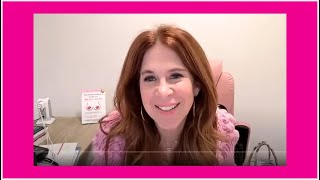
A masterclass replay by Dr. Jen (Jenn Simmons, MD) aimed at empowering women with breast cancer or risk concerns to take control of their diagnosis through a personalized, integrative approach. Dr. Simmons shares her personal cancer journey, critiques aspects of conventional care, outlines three core steps (know your why, know your genetics, nurture your nature), and introduces a paid program called the Breast Health Blueprint that includes testing, coaching, and weekly masterclasses.
Chapters
Great. Here we go. Waiting to see everyone. The countdown of everyone flying into the room. Hello, hello. Hello. Welcome. I'm so happy. Holly, what are you doing here? I'm happy to see you. It's so nice to see friends in this. In the Zoom Room. Hello, everyone. I'm Dr. Jen. Thank you so much for being here tonight. I'm excited to be here with you. I'm happy to have you here, and I would love to hear why you're here. So I know that some people are just here to figure out what I have to say. Some people are here because they've recently got a diagnosis or they have someone close to them who has recently had a diagnosis and they want to support them. Or maybe you're in treatment, or maybe you've completed treatment and you're wondering, now what? What do I do now? Maybe you have. Maybe you're living with metastatic disease. Maybe you have a gene mutation, like a BRCA mutation, and you're wondering, you know, what to do about it and what the right decision is for you. You know, you could be here for any number of those reasons. There are lots of people that are just, you know, have a family history alone, and they're. And they're worried about breast cancer. So I would love if you could get in the chat and let me know why you're here. Okay, so some people are here because they've had a recurrence. They're working on prevention. Someone's in chemo. Jade's in chemo. And thank you for the hellos. Hello, everyone. And I'm so happy to see you. In treatment for triple negative, three years from their diagnosis, trying to treat breast cancer naturally. Just want treatment. Scared of recurrence. Dealing with stage one breast cancer. Some people are just here to listen and learn. All of you, I'll tell you, you're in the right place. And I've got you. I've got you. And I want to start off by saying how truly grateful I am that you have taken the time out of your day to spend it with me. I know that you could be with your family. If you're on the east coast, you could be eating dinner. It's actually still even light out if you're on the West Coast. Maybe it's the end of your workday. So I am super grateful that you took the time to be here, that you made the commitment to yourself to be here, that you're curious and wanted to be here. And. And I promise that this will be worth your time, that we're going to learn some things tonight that you're going to absolutely be able to take with you walking forward. You're going to leave here with some clarity. You're going to leave here with a special gift from me. And if you hang out to the end and you have questions, I will hang out for 30 to 60 minutes afterwards and I will answer those questions for you. So please don't put your questions in the chat right now, because if you put the questions in the chat right now, they are going to get buried and we won't find them. So let's try to save our questions to the end. And I promise that I will hang out and spend some time with you and address those questions. And again, I want you to know that we're going to learn tonight, but just know that we're going to be here for maybe a little over an hour tonight, and there is no possible way that I could teach you everything that you need to know to, to have complete clarity and move forward in this time that we're spending here tonight. So tonight I am also going to give you the opportunity of how we can work together so that I can give you that clarity that you need, so that I can give you that support that you need and so that you can move forward with confidence and the knowledge that you did the right thing and the right thing for you. So we're going to get to all of it and I and I'm also going to introduce my team who they are here tonight. They are working with me. They're monitoring the chat. So if you have questions for them, you can send them in the chat and they will be there and monitoring. And we're going to talk all about my programming so that we can finish tonight with everyone feeling like they got their they that it was well worth your time. Well worth your time. So I'm curious, how many people are hearing me for the first time? Can you put first in the chat if this is your first webinar with me or the first time that you're hearing me talk? Oh, so we have a. We have a good amount of first timers. All right, good. So not everyone will be bored with my story. For those of you who have heard me before, how many of you know my story? If you know my story, put story in the chat. All right, so we have some people that know my story. Well, I'll try to keep it entertaining so that you're not. So that you're not bored. So pretty much what I want you to take away tonight is that there is a path forward, and there's a path forward for everyone. And no one person's path is going to be exactly the same. And what's right, what was right for me may not be right for you. And what's right for the person next to you on the grid may not be right for you and vice versa. Because we are all individual. We are all bio individual. But that there are some common threads. And those common threads are why we're here tonight. So that I can make you aware of them and you can start out today with a better plan for tomorrow. So doesn't matter why you're here, whether you're newly diagnosed, whether you're in the middle of treatment, whether you're years out and you're still wondering, like, what's next, you're in the right place. And I know that you didn't come here tonight because you were bored. I know that you came here tonight because maybe you hear a whisper inside of you. Maybe you're like me and you waited to hear the scream. And the. The message is, no matter what, that there has to be more. That there's more than just what is offered inside of that conventional medical box. There's more than just surviving. There's more than waiting for the next pill or the next treatment or the next drug or the next procedure or the next scan. There's more than just living in fear. And what I hope to give you tonight is hope, is clarity, is direction. And I want to give you three steps that I think are so essential for everyone so that you can move forward. Move forward towards healing, towards empowerment, towards peace of mind, towards that place where you feel stillness and peace. So again, I'm not solving anyone's entire journey tonight. I wish I could, but you know, that is something that only God can do. But I can show you a path, and I can show you a path forward that has worked for thousands of women. And they all wish they knew this sooner. That is the one resounding sentiment that we hear over and over and over again. I wish I knew you sooner. I wish I read your book sooner. I wish I joined the group sooner. Right, because the more time you spend away, like I always think about this analogy, that if you want to get to Florida and you are going 600 miles an hour, but you're going due north, you're never going to get there, right? Like we need to go in the right direction and that. And you can only go in the right direction if you know where you're going. And so What I'm trying to do is I'm trying to create a roadmap for people. And that roadmap that I have created is called the Breast Health Blueprint. So I want to talk tonight, and then I want to introduce you to the Breast Health Blueprint. And this is a way that we can work together. And this is a way that you can create your path forward, all in the comfort, the safety of a group of people who have the same exact goal as you. They don't want to just survive. They don't want to just get through it. They are tired of being scared, just like you. They're tired of feeling crappy, just like you. They're tired of waiting for the other shoe to drop, just like you. And when we go through this process together, it is such a beautiful, rich, amazing experience and place. So let me tell you why I'm here tonight, because people ask me all the time, how did you get into breast cancer? How did you find breast cancer? I want to be very, very clear. I did not find breast cancer. Breast cancer found me. I come from a breast cancer family, and I come from a very big family. My grandfather was one of 13, and all of the women had breast cancer, and all of their children had breast cancer. So growing up, I do not remember a time where I didn't know about breast cancer. Breast cancer was absolutely part of the tapestry, the thread of my family story. So growing up, I have this first cousin. Her name is Linda Creed. She is a singer songwriter in the 1970s and 1980s. I'm going to seriously, seriously date myself now. She writes all the music for the Spinners and the Stylistics. She is beautiful, brilliant, larger than life. The Queen of Motown sound in Philadelphia walks into a room and lights the place up. She was my hero. Linda wrote 54 hits in all. And her. Her most famous song that she wrote was the Greatest Love of All. So she writes the Greatest Love of all in 1977 as the title track to the movie the Greatest, starring Muhammad Ali. But it really received its acclaim In March of 1986, when Whitney Houston would release that song to the world. And at that time, it would spend 14 weeks at the top of the charts. Only my cousin Linda would never know, because Linda died of metastatic breast cancer just one month after Whitney released that song. I was 16 years old, and my hero died her life. And ultimately her death gave birth to my life's purpose. Because I never wanted another woman, another family, another community to have to suffer the way that mine suffered. And so I Did the only thing I knew how to do. I became a doctor, the first doctor in my family. I became a surgeon. I became the first fellowship trained breast surgeon in Philadelphia. I became the first oncoplastic surgeon in Pennsylvania. And I did this really well and for a really long time. And I did it long enough for my aunt to be diagnosed, and I did it long enough for my mother to be diagnosed. And when I was arguably at the top of my surgical career, and I'm running the surgery program for my hospital, I'm running the cancer program for my hospital. And I'm an author and a wife and a mother and an athlete and a philanthropist. And I am probably one of the most high functioning people that you've ever met. And I go from that to I can't walk across the room because I don't have the breath in my body. And so I literally go from being the doctor to being the patient. And so I undergo this huge workup and three days later, I find myself sitting in the office of my friend and colleague and physician and he tells me that I need surgery and chemo, radiation, and I'm going to be on lifelong medication. And believe me, I appreciate the irony. And despite the fact that these are things that I say all day, every day, without hesitation or reservation, when these words are coming at you, they have different meaning. And despite the fact that I knew that what he was telling me was standard of care, I could only hear one voice in my head. And you can call it God, you can call it universe, you can call it whatever you want to call it. The only thing that I could hear was, there's something more. Go find it. Now. I am deeply steeped in the conventional medical world. I had no idea that there was anything else. I didn't even suspect that there was anything else. And yet I could not quiet this voice. It was my instinct coming alive. My instinct that I have been told, just like you probably have been told not to trust. Right? Because what happens when we get sick? When we get sick, we literally give away our power. And we're giving away our power and we're giving away our vote to people who do not have our best interest at heart. Now, please know I am not insulting your doctor. Your doctor is a wonderful person. Your doctor is well intentioned. But we are being harmed every single day by well intentioned, uneducated providers every single, single day. Our doctors are not trained to heal. Our doctors are not trained to cure. Our doctors are trained for one thing and one thing only. And it's symptom management. So I walked out, out of my that office that day. I refused treatment. My doctor said to me the same thing that I had said to thousands of women before. When I told him I was refusing treatment. He told me I was going to die of my disease. And that is a question that I got day in and day out as a breast cancer surgeon. What will happen if I don't treat my disease? And I would tell them that they're going to die of their disease. And that's because that's all I understood. Because I understood that the only treatment was surgery, was chemo, was radiation, was drugs. That's all I knew. That's what I was trained to do. And I wasn't trained to think beyond that. And that was intentional. Doctors are intentionally trained not to think outside of that, not to think beyond that, because if they do and if they empower the patient, they lose their role. Our entire system, unfortunately, is fueled by this narrative that doctors only get paid if you get sick. Hospitals only make money when you are sick. That is the only way the system works. And the system is very broken. So well intentioned, misinformed doctors who are offering you treatment are doing what they are trained to do. These are good doctors doing exactly what they are trained to do. But what they are not trained to do is help you. What they are not trained to do is heal you. And seldom few are looking outside of the system. So I left and I walked out the door and I went on a journey. This was not a journey to figure out how to heal my patients. I assure you, this was a very selfish journey to figure out how to heal myself. But God is great. And I found myself sitting in a room and this tall, lanky guy walks on the stage, big toothy grin, and he introduces himself as a functional medicine physician. Now, despite the fact that I have this voice in my head telling me there's something more, I still don't know what that something is. And I'm still pretty cynical. So my snooty booty self said, there's no such thing as a functional medicine physician. What is this class talking about? And then I remember that I'm sick and I'm there for a reason. So I check my ego at the door and I tune in and thank God I did. Because in that moment, in that time, in that space, I figured out exactly why I got sick. I got sick so I could be in that room on that day, at that time, listening to this man talk. Because not only what he would have to say over the next two hours, not only was that going to be the door that opened my path to healing, but it would also change my. The. The trajectory of the rest of my life. It would also open my eyes to my purpose. It would also be the pathway to which I am going to fulfill my mission and do what I was put on this earth to do, what I was unquestionably meant to do, and that is to heal millions of women, to prevent millions of women from suffering, to change forever, change the way that we diagnose, the way that we treat, and the way that we screen for breast cancer. The quack on stage happened to be Mark Hyman. And the thing that I learned in that two hours was that in all chronic disease, but especially in cancer, we are focused on the wrong thing. We're entirely focused on the symptom. But the symptom is not the problem. The cancer is not the problem. The tumor is not the problem. The tumor is the symptom of the problem. And in order to heal someone, in order to truly heal, you need to back up 10 steps and think about what is causing the symptom, what is causing the tumor, what is driving the disease. Because unless you do that, unless you back up those 10 steps and figure out how that person got there, how I got to sit in that seat, how you got to sit in that seat, unless you do that, what is stopping the cancer from coming right back? Even if you do surgically remove it, even if you do radiate it, even if you do chemotherapy or any of the chemotherapeutic drugs, if you don't remove the reason why you got sick, that's just going to come back, or maybe it's going to present itself differently. We talk all the time about the fact that most women who get breast cancer do not die of breast cancer. Most women who get breast cancer die of cardiovascular disease. And the reason is twofold. First, yes, certainly almost all of the treatments for breast cancer accelerate cardiovascular disease. But the second reason, and it's not a far second, is that the same exact things that lead to breast cancer are things that lead to cardiovascular disease. So if you get breast cancer and cut out the tumor, but never ask the why, then there is going to be another manifestation of the disease. And maybe it's a recurrence of breast cancer, but maybe it's heart disease, maybe it's dementia, maybe it's osteoporosis. And that may seem unrelated or insignificant. But again, most women who get breast cancer don't die. Of breast cancer. Most women who get breast cancer die of heart disease exponentially. More and less. We forget every single year, the number of women that die of breast cancer is equal to the number of women that die as a result of a fracture. So think about that. And if our treatments for breast cancer are contributing to that, if our treatments for breast cancer are contributing to heart disease or are contributing to osteoporosis, or if we're not dealing with those things, then we're not really making an impact. So my first thing, my first lesson, my first take home that I want all of you to know today. This is so important, and I hope you have something to write with, because this is something that you're definitely going to want to write down, that you're definitely going to want to take away with you. You have to know your why. Your why becomes so tremendously important. And sometimes that why is very obvious, and sometimes that why is not very obvious. And one of the major things that we work on in the course of my group, in the course of the breast health blueprint, is that we talk a lot about the why, and we really help you dial it down and figure it out. And not only do we help you figure it out, but we help you figure out what to do with it also. Because if you just know, but you don't know what to do with it, it doesn't help you very much. So I want to just stop, take a pause for a minute and just ask, like, is this resonating with you guys? Are you. Are you feeling this? Do. Do you. Do you feel like there's a reason? There's a story there? There's. There's some reason why you. Why you got here, why you came here. I'm trying to follow up. Yes, yes, yes, yes, absolutely. And, you know, I can. I can tell you my why, but the truth is that my why is going to be different than yours. And so I would rather share a story with you because this is happening so much now, where I am seeing these women younger and younger with more aggressive disease. There are things that I have to take into account now that, quite frankly, when I started doing this, when I moved from functional medicine, I mean, from surgery to functional medicine to integrative oncology, I didn't have to think about. I mean, certainly I was always thinking about the why, because that's such an important part of functional medicine. And the functional medicine approach is that we're really focused on the history, focused on the why, And I'm thinking about the causes of Breast cancer, like things that cause chronic inflammation like diet, like, like the water that you drink, whether or not it's, you know, what it has in it. If you're on a processed food diet, if you have a sedentary lifestyle, if you're over exercising, if you've been exposed to radiation either in childhood or from repeated mammograms, or maybe whether you have some element of chronic disease, being overweight or obese or diabetic, or if you have thyroid disease, celiac disease, inflammatory bowel disease, miss. All of these things tie in. If you have chronic infections. I mean, they're everywhere. Viruses, fungus, mold, Lyme parasites, bacteria. There are heavy metals everywhere, like drinking water, or is, is your mouth a problem? Are there dental amalgams? Do you have chronic dental infections like cavitations, chemical exposures? There are so many more chemicals now than we ever had before. Plastics and pesticides and herbicides and fungicides and phthalates and xenoestrogens, or chronic antibiotic use for frequent toxin exposure. You know, we've normalized alcohol. Everyone knows not to smoke. But do people know that alcohol causes as many problems, Chronic constipation, insomnia, sleep deprivation, shift work, the electromagnetic fields, having chronic stress from a difficult relationship, a hard job, a move, a difficult boss, a divorce, a job loss, any of those things. And now we have to deal with what happened in 2021, because we're seeing all of these cancers in very, very young people, different strains of cancers, aggressive cancers, we're calling them turbo cancers, all from the MRNA vaccine and vaccine injury. So where I'm thinking about it differently and I'm seeing differently. So I want to talk about Rachel, because Rachel is a young woman who came to me with a breast cancer diagnosis and she was originally diagnosed and underwent treatment and shortly thereafter, really shortly thereafter had a recurrence. And so in the course of getting to know her a little bit, I, yes, she had some metal amalgams in her mouth, but they had been removed years ago. And yes, she did have early antibiotics, but worked really hard on improving her gut and healing her gut. And she had worked with functional practitioners before. And the two things that no one had talked to her about that ended up being the game changer for her and the revelation that she needed to really start to heal is, first of all, she had two MRNA vaccines and never did any vaccine remediation. And the other thing is that this is horrible, but she watched her brother drown as a child and sorry. And never had the opportunity to mourn him Never had the opportunity to deal with that trauma and never was able to put it behind her. And it wasn't until she worked on that that she was able to start to see all of her markers change. Her tumor markers go down, her white blood cell count come up and her immune system come back online. Everything started to improve once she started to deal with this trauma. So these are things that are happening in my community that are not happening in other places. So the first thing. Know your why. Know your why. It is so important to know your why. Okay, the next thing that we're going to talk about is know your genetics. Now, breast cancer is not a genetic disease in the way that we think about a genetic disease. It's not like you're born with the gene for breast cancer and you're getting breast cancer. I know a lot of people would like to think that, but it's overly simplistic, it's reductive, and that's not what's happening. Even in the case of BRCA1 and BRCA2 mutations, where we do see a significant penetrance, meaning that a lot of people, a high percentage of people with those genes actually do develop that disease, but it's not 100% right. And even people with those genes, I want to tell you that that penetrance that that percentage that developed the 80 some percent that develop breast cancer with BRCA1 and BRCA2, that was not true 50 years ago. These genes have not changed, the mutations have not changed. Do you know what's changed? Our environment. The thing that's important to know about your genes is how do your genes interact with your environment? How are your detoxification genes? What kind of diet should you be on? How should you be exercising? How do you optimize your sleep? How do you optimize your cardiovascular health? Because. And what supplements do you need? What supplements don't you need? What form of those supplements do you need? Because all of this ends up being really important because if you don't know your genetics, then you cannot possibly create the optimal environment for you. You don't know what to get, you don't know what to avoid. So number two is know your genetics. I use the nutrition genome and we are using this test, so we're providing testing for everyone and we're using this test in the course of the breast health blueprint and you are being given the opportunity to work directly with your coach to go through that test to find out what are your genetics and how do you use that information to create the Right. Plan forward for you. Because otherwise, you're just guessing. Otherwise you're just wondering, is this the right diet for me? Is this the right supplement for me? I mean, who here has a supplement graveyard? Be honest. Be honest. Who here has a supplement graveyard who has 1000 supplements in their cabinet, right? And you have no idea. Are they working for you? Are they not working for you? Do you need them? Are they helping? Are they not helping? Do you have really expensive urine? Like, who here can relate to that? Because I will tell you, my supplement graveyard before I was tested was scary. Now I'm going to be honest with you right now and give you a little peek into the nightmare that is my life. My husband is so stubborn. And every single thing that he sees on tv, he has the. He has shiny object syndrome. Oh, I want that. Oh, I want that. Oh, I'm gonna take that. His supplement. He has a trash bag that's filled with supplements that every single day, he takes all of these supplements. And I'm like, what? What are you doing? How do you even know they're working for you? Please take this test. No, no. This is the best. And this is this. And I saw an infomercial on this, and this one takes this. And it's crazy, and it's insane, and it's extremely expensive, extremely wasteful. And let me give you just a little bit of a cautionary tale, because I am seeing this. More and more and more people are coming to me and saying, I need your help. Here's my liver function tests, and my liver functions have been steadily creeping up and creeping up and creeping up. And I say, show me your supplement list. And their supplement list is 20 and 30 deep. And I'm horrified by this, right? Like, this shouldn't be. So the way to know that you are taking what you need and not taking what you don't need is to test. And that is what we are doing in our Breast Health Blueprint. We are testing and you are getting guidance as to what is right for you. So, number two, know your genetics. Can I see that in the chat? Who are my good typers out there? Know your genetics because it's so important, Okay? Now, if you know your why and you know your genetics, we all have a lot of information. There is so much information out there, right? None of us. None of us suffer a lack of information. What do we suffer? We suffer a lack of implementation. We don't know how to do it. We may even know why to do it, which is really, really motivating, right? Everyone is here because they want their health. They want their health back. They want to live as long as possible. They want to live as well as possible. And inside our current medical system, that is not happening. That is not happening. Now. What is happening, unfortunately, inside of our medical system is that people are treated for breast cancer. They're given, everyone's given a treatment plan, right? And you have surgery. Actually, it's kind of scary because you get a diagnosis and you are so pressured to get on that fast train to treatment, right? So surgery and chemotherapy and radiation and you know, all the anti hormonal drugs and you're not given time to think because they really don't want you to. And you're scared to death. And by the time you look up, it's all over. You're, you're like wondering what's next. And you're told, like, go, right, I'll see you in six months. And be grateful that you're alive. And you are grateful. You are grateful. Of course you're grateful. But it is so hard to feel grateful when you can't sleep, you can't think, you can't remember names and words, you have brain fog, you have anxiety, you have depression, you're scared, you lack confidence, you've gained weight, you've gas, bloating, heartburn, nausea. You look and feel deformed, you have palpitations, you're weak, tired, you have dry skin, dry hair, dry nails, you have no libido, frequent urinary tract infections, yeast infections, you're leaking urine. Sex is unwanted and painful. Your relationship is suffering. I mean, this is how we leave women. And it is hard to feel grateful when all of this is happening. And yet most of these things are the usual side effects of breast cancer treatment. Most of them. Fatigue, diarrhea, lymphedema, breathing problems, loss of appetite, taste changes, cognitive dysfunction, skin changes, hair loss, premature menopause, poor immunity, neuropathy, heart problems, osteoporosis, breast deformity, low libido, depression, hot flashes, sleep disturbance, mood disturbance, joint and muscle pain. This is not the exception. I am not talking about the exception. This is pretty much the rule. This is pretty much how we leave most women tell them to feel grateful. It's hard to feel grateful when all of this is happening. And so we need to know how to restore our health. We need to know how to create a healing environment, and we need to know how to implement it, how to nurture our nature and create that nurturing environment that helps us to get back our health, to get back our life so that we can go on living in a way that is worth living. Because this, that, that I, I've just presented to you. When you're living with all of those symptoms, it doesn't feel like life. And there are ways to create, to restore your health. There are ways to create that healing environment. And that is what I give you inside of the Breast Health Blueprint. So the, the third thing that I want you to know is that you need to learn to nurture your nature and create the environment that you need to thrive. And again, the information is out there, but it hasn't been curated, it hasn't been put together for you in one place. And most people find, feel tremendously overwhelmed, unsure of where to start, how to start, what to do or how to do it. Can you relate, can you relate to that? Is that, is that something that you guys are feeling? I don't know why I can't. Oh, yeah, there's my. So in the chat, can you tell me, can you relate to that? Yeah. Yeah. So everyone's feeling that and that's normal, that's usual. That's happening all the time to everyone. And that is the problem that I want to solve for you tonight. So who here wants to hear about my solution? Because I really want you to be able to heal. I want you to be able to be free from your diagnosis. I want you to be able to redefine yourself as a healthy person who feels great and looks forward to life. So I created the Breast Health Blueprint. We have two groups going now and everyone is resoundingly positive. And this is life changing. So what this looks like, and this is an opportunity to work with me and to get one on one individual attention and to get testing and to get a plan and to get a path forward, because this is what you need. What everyone gets when they get a diagnosis is a treatment plan. But what everyone needs when they get a diagnosis is a health plan. Can I get Health plan in the chat? Yes, yes, absolutely. Absolutely. So what we have for you are ten weekly group sessions that are led by me. And these are literally opportunities where you can ask me anything. And every single week is a new masterclass. Every single week you are getting the opportunity to have your testing reviewed, to ask questions, to work on your plan and to get a masterclass on whatever you need right now and whatever you want to hear about. We are doing the nutrition genome. And not only are you getting an interpretation of that report, because that report itself can be overwhelming. I'm going to be honest. It's an 82 page report. But what you get are the important parts of that report as they apply to you. And a recommendation for this is what you need. This is the diet that you need. This is the movement that you need. This is how we can optimize your sleep, and this is how we can optimize your cardiovascular health. This is how we can optimize your cognitive health. This, these are the supplements that you need. And I'll tell you, it wasn't until I did this for myself and really learned about how to optimize my health that I really got healthy. Now, my healing journey took a long time, mostly because I probably should have gotten help and I tried to figure too much out by myself. But my healing journey took a long time and I got way worse before I got better. And part of the reason that I got way worse, I think I saw someone put MTHFR in the, in the chat. There are multiple variations of that gene and I was unaware of what my body could do and what my body couldn't do. And so I was supplementing, but I was supplementing the wrong way with the wrong thing and my body couldn't see that supplement. And I got so bad that I literally lost feeling in my face, I lost feeling in my hand, I lost feeling in my foot, I was tripping. I, I got so bad because I was so nutrient deficient, because I didn't know what I needed and I didn't know how to properly nourish myself. And I'm telling you, when you saw my diet, it was gorgeous. It was gorgeous. And that's where everyone goes, right? Everyone goes to the diet place, like, get a diagnosis, okay, I'm cleaning up my diet. Everyone goes to the diet place. And I am not saying that that is not important. Of course, of course, of course that is important. However, there are so many nuances beyond that and so much individualization beyond that that you can't possibly get without testing, you can't possibly get without knowing. And I want you to know, I want you to know for sure that this is your path forward, that this is how you're going to heal, that this is how you're going to restore, that this is how you're putting that diagnosis behind you and moving forward with confidence because this is the right place plan for you. Now, in addition to that testing, I give you access to our huge resource database where you're finding lots of educational materials, you're finding a supplement guide with the ones that I know work and in the Forms that you need. And there are various forms for various people who need the various forms. And we have a cookbook. And I literally am creating these videos every single week that become a part of this comprehensive data database. So if you want to know about is hormone replacement safe after a breast cancer diagnosis, guess what, I've got a video for that. If you want to know how to properly do a parasite cleanse and why you might need a parasite cleanse, guess what, I've got a video for that. We have all of these resources curated for you so that whatever you need, you have access to. So we're including that. We're including a beautiful welcome kit with the things that I love that I know will enrich your life. The way that they've enriched mine. We have a secret chapter from my book, so I know probably how many of you have read my book, the Smart Woman's Guide to Breast Cancer. Oh, I have to get. Oh yes, okay. So I do have a secret chapter that I only release to my, to my private membership and my private group. So you will absolutely be able to get access to that if you join us. So hint, hint, more incentive to join us. And then we have four one on one coaching sessions with an FDN so that that person can review your testing with you individually and help you to create that individualized plan so that you can go on to make that healing environment which is healing for you. Because again, what I'm going to create is not the same as what you're going to create because what works for me doesn't work for you and vice versa. And this is all about individuality because I, I need you to get what you need, not what I need. I need you to get what you need. I need to get what works for you. And so you're working through that with your coach and then your coach is there to help you with accountability. Although obviously you're here and your health is important to you. But what I think about more is, you know, we all, we don't suffer from a lack of information. The information is out there. And God knows in this day and age of ChatGPT and all of that, like there's more information than you could possibly, possibly comprehend. But what we all struggle with is implementation. It's putting it into action. So what your, what your FDN coach is there for is to help you make it fit in your life, help you make it make sense, help you create the habits that you need to carry you through forever. Because this is what you need. And this is the first step in the journey to the rest of your life. And we want to go to paradise, right? We don't want to go back to hell. Now, the healing journey is not linear. And I am not promising you rainbows, okay? There are always going to be challenges. Everyone has them. But if you're moving in the right direction, if you're moving towards paradise, I promise you this boat will get you there. Right? It will get you there. So also with this course, we have eight video modules. And I'm going to go over what we deal with every week. And I do ask people to try to do it weekly. Don't watch them all at once. It's going to be too overwhelming. And that's the last thing I want to do. I don't want to overwhelm you. You're overwhelmed enough. You've been overwhelmed from the second you heard those words. You have breast cancer. All you've been is overwhelmed since the second you heard those words. You have breast cancer. I want you to slow down. I want you to take a breath. I want you to pause. I want you to know that you have time, that you have space, that you have the ability to stay right here in stillness and know that this, it is going to be okay. That there is hope, that you have so much more power than you think, so much more control than you think. So in week one, I help you to understand your diagnosis. In week two, I help you to assemble your team. In week three, we talk about how is breast cancer treated and what are all the implications of that treatment. And even if you're already in treatment, it's okay, because I want you to understand I can help to make that treatment better, or we can help to deal with what's happening in treatment, or if you've completed treatment, we can help you deal with what's happening after. So no matter where you are in this process, this information applies to you. In week four, we're talking about sleep, we're talking about movement, we're talking about the pillars of health that help to drive your health. And by this time, you will have already gotten your testing back. And so we're figuring out how to optimize these things for you. In week five, we talk about stress and your mindset. Because what you think, the thoughts in your head, the story that you're telling, this is of the utmost importance. Your body is paying attention. Your body knows exactly what you're saying. That dear, sweet Rachel that I was talking about before, do you know what the story she was Telling herself was she was saying that she didn't deserve to live. When you think you don't deserve to live, this is when breast cancer happens. The story you tell yourself matters. We're talking about toxins, we're talking about detoxification, we're talking about testing. What kind of testing should you be doing every six months? Because it matters. The test that, you know, all my tests are normal. That story that you hear from your doctor, well, you know, if you're not looking for it, then you don't know if it's normal or not. And also, my version of normal is not their version of normal because my version of normal is optimal. Their version of normal includes 95% of the population. No, thank you. I don't want to be like 95% of the population. Right. I want to be optimal. I want to be way up here, like 1 or 2% of the population. And then lastly, we're talking about how to truly establish health, health after a breast cancer diagnosis, which I assure you is possible. But you have to know how. You need to know your why, you need to know your genetics, and you need to know how to nurture your nature. So normally what we would do is have you sign up for a call and those calls we normally charge for. However, if you're here tonight, if you've made it this long, if you are interested in taking that next step, if you are committed to your health, if you want a plan forward, a path forward, then we have opened up spots with Heather to talk about what you're going through, to talk about what you need, and to give you a clear plan and path forward. So we're going to put the link to sign up for a call in the chat and I want to hear how many of you here tonight are ready and committed to your health, how many of you are. I just need a yes. How many of you are ready and committed to your health? So this is amazing. So I really look forward to seeing all of you very soon. If you have not booked your call yet, here is the link. It's right there. I think Stephanie, who is here for my team, just posted it. And so you can go ahead and schedule your call with that link. I'm telling you that this is for the people that are here tonight now. So tomorrow that link will no longer work. So if you want the opportunity to work with me, if you want the opportunity to be something, be part of something special and know that once this group fills, there are limited spots in this group. So we, I, I, I'M only one person. I can only do so much. So we only take 15 people for per group. We, we sold two spots today, so this group will start in mid April and once this is filled, I can't start another group until we finish one of them. That's going now. So it's going to be at least six weeks until we will be able. It might be a little more, but it's going to be at least six weeks until we can start another group. So if you want to be a part of this, if you want a clear path forward, if you want to get your health back, if you want to be optimistic and feel safe and secure for your future, make sure you sign up for that call and get one of the spots. So I'm, I'm so grateful that you all have been here and hung out this long. And if you want to, if you have questions and you want to go ahead and put those questions in the chat, I'm happy to address them. If you have questions about the program, Heather is here on the chat and she can talk to you about that. But that is who your, that is who your call will be with. Your call is going to be with Heather, Heather Gray. She should be, she should be in the chat. And then if you have questions for me, I'm happy to address them. Go ahead and put them in the chat. And then, Stephanie, why don't you go ahead and unmute and let me know if anyone has questions. You have questions for me, Stephen, or not yet? Not yet. Nope. We are waiting for them to come through. That's rare. Unfortunately, that can be very verbal. So, Teresa, that's something you'd want to discuss with Heather. You'd want to grab one of those slots which are falling. You know what? We can, we can put the link to sign up. Normally we ask people to get on a call because we want them to know what they're getting, what they're joining and, but we, I did talk about the program a little bit tonight. So if you, if you, if you know you're ready and you know you want a spot. Stephanie just posted the link. So. Will I hold, will we hold spots until the meeting? We can't hold spots. So what's going to happen is that once the program fills, you can certainly get on a wait list. And I'm telling you, this program is going to fill. So once this program fills, you can get on a wait list for the next one. And the way to do that would be to reach out to Heather, schedule a call with Heather. And then Heather can make sure that she keeps your name and will put you in the next group. So that's the way to get on the wait list. So I know that we have some people who are here from Europe. Unfortunately, I don't think that we can do the testing in Europe. Steph, am I right? Correct. Unfortunately, that is correct. So that the nutrition genome doesn't go to Europe, right? No. So we cannot do the testing in Europe. Can you still participate in the program? Yes, but we can't, we can't give you the testing as part of it. You can certainly get my course. But. And, and we can have you join the group. But we, the testing does just. We can't send it to you there. Unfortunately, there really should be. They should extend this to Europe. I don't know why they don't. We should talk to them about that. Okay, so someone wants to know my feelings on tamoxifen. So this is a longer conversation. I'm going to give you the really short answer and know that when you read my book, the long answer is in there. But tamoxifen is an estrogen receptor modulator. A selective estrogen receptor modulator. That's what it's called. It's called a SERM Selective S E R M Selective estrogen receptor modulator. Now, the reason that we but that women are prescribed tamoxifen is if they have a hormone positive tumor, like an estrogen positive tumor. Which means that when they look at the tumor underneath the microscope and they look at the cells, they have estrogen receptors on them. So I'm going to tell you something that you may not know. Normal breast cells have estrogen receptors on. It is normal to have estrogen receptors on breast cells. A cancer cell, a breast cancer cell that has estrogen receptors on them. That is a variation of normal. It means that it has not departed from the normal that much. An estrogen negative breast cancer cell is a far departure from normal. That is more of a mutation, that is a more abnormal cell, that is a less developed cell, that is a less normal cell. Okay. Estrogen does not cause breast cancer. I cannot say this enough times. There is no way that estrogen causes breast cancer. If estrogen caused breast cancer, it would mean that every woman was put on this earth for the purposes of getting breast cancer. It would mean that every woman on this earth gets breast cancer and they don't. If estrogen caused breast cancer, we should see more breast cancer in times of estrogen excess like teenagers, like pregnancy. But that's not where we see breast cancer. In fact, the times that we see breast cancer and we're seeing this more and more and younger and younger, and I'll tell you why we see breast cancer in times of estrogen deficiency. It is a disease of estrogen deficiency. So we have been told this narrative that estrogen is bad and estrogen blockers are good, and we think of tamoxifen like an estrogen blocker, but that's not what it is, and that's not what it does. Estrogen, a tamoxifen is a synthetic modified estrogen. That's what it is. It sits on the estrogen receptor and acts like estrogen. So why. Why don't we just use estrogen like we used to use estrogen to treat breast cancer? The reason that we don't use estrogen and the reason that we use something like tamoxifen is because you cannot trademark a molecule of nature. The pharmaceutical companies can't make money if you're taking estrogen. They can only make money if you're taking something else. So they give you something that's like estrogen, not exactly estrogen, but it's like estrogen. Now, what's the problem with that? Well, because it's like estrogen, but not exactly estrogen. It doesn't work exactly like estrogen. So while it's beneficial in the breast and it does decrease the risk of recurrence in the breast, it's not so beneficial in other areas. And women who take tamoxifen are two times as likely to get uterine cancer as women who don't take tamoxifen. So in the uterus, it's acting like a carcinogen, and that's what it is. Tamoxifen is a carcinogen, and it's classified as a carcinogen. So when we talk about whether or not we should take tamoxifen, it's so much more important to know, why do you have breast cancer? Why does your breast feel unsafe? What are those breast cells being threatened by? Where is that stress chemistry coming from? You have to know your why, you have to know your genetics, and you have to know how to create that correct environment. So that was. Well, I guess that wasn't such a short answer. But that. That's my tamoxifen answer. And if you want to hear more and more details, definitely read my book, the Smart Woman's Guide to Breast Cancer, which I think is somewhere in the chat. Okay. It is. Yeah. And. Let's see, what else do we have? See question About Tamoxifen, same answer applies. And if you need to know my narrative even better, get my book, bring my book with you, whatever you need to do. The problem is, and what most people are going to find inside of conventional medicine is that many very well intentioned doctors who spent a lot of time in training, a lot of time in school, a lot of money and now are finally out working, doing what they're doing and doing what they were trained to do and doing a good job at what they're trained to do. But they don't know what they don't know and they feel really uncomfortable with that and they confuse I don't know with no. And so much of the time what they, what you're hearing, what they are getting is I don't, is no because they don't know and they may not be open to having the conversation with you. Mostly because if you're going to say no to their drug, how are they going to get paid? So what they're going to say to you is if you're not going to take the drug, then I'm not going to treat you and you're going to feel abandoned and they're going to feel disrespected and it's very, very difficult. Things are changing. I think that the younger generation coming up is definitely more open minded. They're more open to the importance of diet and lifestyle. They are more open to individualization and individualized plans. They're more open to dosage adjustments. But the old guard is still very much the old guard, doing things that astound me. But it is what it is. So I think you need to know your audience and I think that you need to listen to that voice, to that intuition. And my friend Satchin Patel says the patient is the doctor of the future. Now I don't want you to take that too literally in that I don't expect you to be your own doctor. That's too much responsibility and no one expects that of you. However, there are, if you, you need to be the leader of your team, you need to make your own choices and you need to be the decision maker. And you will, you will learn in this process that some doctors are very open to partnering with you and some doctors want to maintain that paternalistic position and not, and, and they're not listening to you, they're not considering you, they're not considering what you have to say. So you have to read the room. And sometimes it's going to take 1, 2, 3, 4 consultations before you arrive at that person that you feel like hears you, that's listening to you, that can work with you. So this is. This is. It's a process. It's not easy, but it's. It's worthwhile. Yeah. Okay. Anything else? Oh, someone is asking about. She just received her test results from Aria that say clinically significant. So this is something that's really, really exciting. I am offering a whole course just to address this, just to address the people that get a clinically significant ARIA test. Just know there's a masterclass coming up on that because it's a whole masterclass in and of itself. So I'm going to do that soon. And then we have programming for everyone that has a clinically significant result on your ARIA test. So, Jean, I'm talking about you sign up for a call with Heather and she'll tell you all about our program that we built just for you, just for people who have a clinically significant ARIA test. Okay. And unfortunately, I know people are asking about New Zealand and Europe and Australia. We're happy to have you join us, but we cannot do the genomic testing. And I really believe that that's an important piece of it because I want you to know how to best take care of you. Okay, great. We have so many people that signed up for their call. So that is amazing. Sam wants to know if progesterone causes breast cancer. That's a hell no. And when I was first training, in fact, we were still in the days where we used progesterone to treat breast cancer because progesterone is anti proliferative. And actually there is a doctor. Why can't I ever remember her name? She's in San Francisco and she is actually using testosterone to treat breast cancer because testosterone is also anti proliferative in the breast. And so progesterone does not cause breast cancer. Testosterone doesn't cause breast cancer. Estrogen doesn't cause breast cancer. These are the hormones that God gave us to make our bodies function ideally. Now, there has been a lot of interference by our environment and there have been things like. I can tell you, this is my favorite. I have this wonderful patient, Kellyanne. And I remember what she told me after she got her two MRNA vaccines. She called me, she said, doc, my period is bananas. So there are so many things. I'm really picking on that MRNA vaccine tonight. But there are so many things that interfere with our hormonal health. But our hormones doing what they're supposed to be doing in the way that they're supposed to be Doing it do not cause cancer. No cause breast cancer. They don't cause ovarian cancer. They don't cause endometrial cancer. For the men. They don't cause prostate cancer. They don't cause testicular cancer. That's not what. What's happening is iron my. Is our environment changed? Yes, for sure. We are not living on our grandmother's earth. We're not even living on our mother's earth. But it's not our hormones. I promise you. It's not our hormones. Okay, what are my thoughts on radiation? This is a great question. So of course I'm going to give you the short answer. The long answer is in my book, the Smart Woman's Guide to Breast Cancer. You can see it right behind me. But radiation does not improve survival. I'm going to say it again for the people in the back. Radiation does not improve survival. So I have a hard time recommending a treatment for anyone that is not going to improve survival. Are there exceptions? For me, yes. If you have bone metastasis that is causing pain, it is impossible to heal. If you're in pain, I say radiate that. If you have brain mets, you need a quick fix, a quick solution. I say radiate that. If you have extensive disease somewhere that we can't control, otherwise, I say radiate that. Outside of that, I need a really good reason. I need a really good reason. Because if you're going to suffer the side effects and the consequences of a treatment, it has to be worthwhile, it has to be for the good, and it has to be for the long term good. Again, there's a much longer explanation with the studies, with the data that radiation does not improve survival. In my book the Smart Woman's Guide to Breast Cancer, which you can get on Amazon. But that, that is my. That's my quick answer to my thoughts on radiation. Someone is asking about micro calcifications. I have a great YouTube video on micro calcification. So if you have micro calcifications and you want to know what they are and what to do about them and what they mean and yada, yada, yada, I have a. You can just google YouTube Dr. Jen Simmons calcifications, and it will pop right up for you. But calcifications themselves are never an issue. These are tiny deposits of calcium into. Into the tissues of the breast. And the calcium isn't the problem. The calcium is the symptom of the problem. So what you need to do is figure out what the problem is. And for Everyone, it's different. But even if it's dcis, even if what's happening on a cellular level is DCIS or ductal carcinoma in situ, I'm, I'm saying here, that is not breast cancer. That is not breast cancer. I don't believe it should be treated like breast cancer. I think we are over diagnosing women to the detriment. I think we were over treating women to the detriment. And last year, I think it was like 90,000 women. So all of these women are going from a disease which would never affect your, your life, never affect your health. And we are affecting your life and affecting your health by treating it like breast cancer. So I have a big problem with it. There are a lot of people that have a problem with it. And so watch my video. And then if you want to learn more about DCIS, Donna Pinto, the DCIS 411. She has an amazing group and we have a lot of people in my group who are learning what they need to do to revert to halt and reverse this condition. So get on a call. Okay? So. Oh, Jacqueline said my book is so amazing and informative and confirmed her feelings and thoughts. Jacqueline, thank you. Thank you. You know, I, this book was, when I tell you, a labor of love and a year and a half of a lack of sleep, working nights and weekends, time away from my husband and my children. And so anyone who has love to send me for that I will take because I need it to refill my cup. Because these are hard decisions that that providers have to make. When you, when you want to, when you want to do something that you want to put something out into the world, first of all, it's pretty scary because lots of people judge you for it and you want to know that you're really going to make a difference. And it would feel really bad if I didn't, if I didn't put something out that really made a difference and having taken all that time away from my life and my family and all of that. So thank you so much for the compliment and anyone else who wants to send one, I'm wide open. Do I address balancing hormones in my program? Hell yes. Hell yes. And if you are a first timer around here and you haven't heard my take on hormones, you're getting a little bit of it in that I'm very clear that hormones don't cause breast cancer. And I think hormones are really important. And it's really when we lose our hormones that we start to experience the most dysfunction so we talk all about that. And not only do we deal with your why, not only do we help you learn your genetics, not only do we help you create that healing environment, but we also tell you this is what you need going forward. This is how you stay on track. This is what you do and how you know if you get off track. Because again, health is not a destination, it's a journey. And healing isn't linear. It wasn't for me, and it's not going to be for you. And I'm not saying that because I want to scare you or anything like that. I want to be honest with you. I want to prepare you. Life is not this life is this. Right? But the main thing is that if you want to get to Pleasure island, you got to head in that direction. And that's what I can do. That's my. That's my intention. I want to be your guide. That's what I can offer you. I'm putting you on the boat that takes you to Pleasure Island. Okay? So people are asking about more testing. Now, know that inside of this group, you. A truck just drove by and my whole building shook. Know that inside of this group, yes, we're going to do that testing. And you have four individual visits with your fdn. Now, your FDN is highly trained, highly trained. And these people are trained to do all kinds of functional testing and to help you to interpret that testing and to help you create an individualized, specialized plan to deal with that. So if in the course of your four visits with your health coach, you want to know more and do more, by all means, know more and do more. I believe in testing. I don't think we should be guessing what's wrong with us. I think we should be testing. And so this is your opportunity to do that. And then know that I am still here to support you. I am still here as your resource. I am still here as your go to guide. Right. And so. And listen, I know a lot of people want to work with me one on one. It's just not possible. And to work with me one on one costs four and five times what I am offering inside of this group. But know that I am here, that I am available to you, that you have my support, my input, my guidance all along the way. So this is all here for you inside of this group and more. Because you can build out and get exactly what you need once you're inside of this program. So Julie is asking if we also discuss Leol. Yes. Lupron. Yes. Ibrands. Yes. Mistletoe. Yes. Off label drugs. Yes. Exercise. Yes. All of it. We are talking about all of it. And again, I have created this library. So every time we have a conversation about this, we are clipping out these videos because we're recording all of these meetings and we are creating a library. So then you can go in and say, hey, what did she say about mistletoe? And listen to the mistletoe module. What did she say about hormone replacement? And listen to the hormone replacement list. Wait, what did she say about soy? And listen to the soy or phytoestrogens. Right. It's all there for you. Jackie, I'm so jealous of your red light glasses because here I am sitting at my desk, realizing that I didn't put mine on, and now it's dark and I'm getting exposed to all this blue light. Man, I left them on. They're at my other desk. I have to bring them in. Okay, so, Janetta, I hear you. I know you're frustrated about your hrt. Trust me, I am changing that. I am changing that. And so the only way to get into my HRT program is to start in my group program. Because I won't take anyone into my HRT program until they've gone through the basics. And I know that they have all the basics because, listen, just like I can't give you everything in this hour and a half tonight, I can't give you everything in a one on one meeting that I have with my hormone patients. But if you go through the course, I know that you've had hours and hours and hours with me and you have access to all my resources. So if you are frustrated and you want your HRT back, this is where to start. Join the group. Get your foot in the door. Because this is the only way to get to me. This is the only way to get your foot in the door. And I think I may be wrong, but I think that I'm the only person out there publicly saying I am treating women who have had breast cancer with hormones. There are some people doing it on the sly. There are definitely people doing it on the sly. But I am, if not the only, one of the only ones, certainly the only breast cancer surgeon turned integrative oncologist doing it. Because there aren't a lot of people out there like me. I haven't met them yet. If you know them, introduce me to them. Because I want to know where my people are. But I think. I think my people are here. I think my people are right here. Are you My people. Let's see. So I know. Yes. Thank you, Christina. Yes. Alicia. Thank you, Heidi. Thank you. Yes, thank you, my people. So thank you, Elisa. I. What does this mean? Like, does this mean like, like the spirit in me sees the spirit in you or is it hands up? I don't know what it means. I know it's a good thing and I love it and use it, but I don't really know what it means. Oh, it's high five. Says high five praise. Yeah, I'm not positive either. I thought it was. Thank you. I hate like not knowing high five praise. Thank you. Yeah. Amazing. Kimberly, thank you for the thumbs up. I know what that means. Amazing. Okay, so guys, I hate to admit this, but I still have a lot of work to do today. So while, while your day, I. Please God, please God, it should be over and the work that you have to do today should be over. Mine isn't. So I am going to say goodnight. It was amazing to be here with you. I look forward to seeing a whole bunch of you in the next group. Please know if that group is already full. Make sure you schedule your call with Heather because we will get you into the next group. And as soon as one of these groups that is going now finishes, you'll get to get in into the next group. So I thank you so much for your time tonight. I hope that this was helpful. I hope that you all can see a path forward. I pray to God that you all find your why, that you learn how to nurture your nature and create that healing environment so that you can move forward with confidence, put that diagnosis behind you and live a long, healthy, full, beautiful life. Thank you so much for being here tonight. Good night. Thanks everyone. And you can show me some love on the way out, everyone. Oh, I love all the hearts. So nice, so sweet. Thank you. Thank you. Beautiful. Good night, everyone. I. Do we want to. For one, do you need. Do we need the. The call link in the chat once more for people? Does everyone have Katherine? You're so welcome, tb. You're welcome. We just put the link to the call with Heather in case you didn't get it. Make sure that you copy the link to the call with Heather. And thank you so much for being here tonight. Remember to schedule your call because that link will not work after. After tonight. Right, Stephen? Yeah, might even be midnight, but definitely after tonight. All right, so make sure you use that link tonight and because it will not be available tomorrow. Thank you so much. And then everyone go to sleep by 10 because we all need our beauty rest. And it's when we sleep that the healing happens. So I need to skedaddle so that I can finish my work and get my beauty, everyone. Thanks, everybody.
More from Jenn






Stem Cells, Peptides, GLP1s and the New Blueprint for Preventative Medicine with Dr. Vass



The Truth About GLP-1 Drugs and Who Should (and Shouldn’t) Take Them with Dr. Susan Brian

What 100 Days Underwater Revealed About Aging and Healing with Dr. Joseph Dituri
