Keeping Abreast Episode 78: The Truth About Cancer Healing with Dr. Sharon Stills
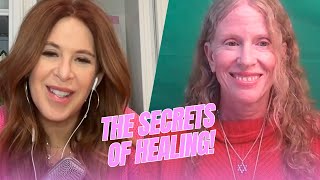
Interview (Keeping Abreast Ep.78) featuring Jenn Simmons, MD and Dr. Sharon Stills. Dr. Stills describes her path from naturopathic pediatrics to building an oncology-focused practice after early patient remissions, and outlines a holistic, terrain-based approach to cancer care emphasizing: oral/dental factors (meridian links, root canals, metals, tonsils), scar and fascial clearing (neural therapy), lymphatic drainage/extracellular matrix health, nervous-system regulation and emotional/energetic work, individualized nutrition/metabolic optimization (fasting, insulin targets, GLP‑1s used judiciously), and advanced adjuncts (ozone, IV therapies, mistletoe). They discuss screening/monitoring tools (CRT scans, circulating tumor cell assays—newer provider claimed high sensitivity/specificity—ARIA tear-based test) and practical decision-making (non‑emergent nature of most breast cancers except inflammatory, pathologic fracture, or brain mets). The episode blends clinical techniques, patient mindset, and preventive public health commentary.
Chapters
Hi, there. It's Dr. Jen. You know, so many of us that have found ourselves in the cancer space have found ourselves there because of our personal journey. But when you dedicate yourself to the cancer space, it really is commitment that I think is above and beyond what.
Other people are doing.
And our level of engagement, our level of dedication to our patients and to the cancer community is. It's really immersive. And my guest today is no exception because she has spent her life immersing herself in the data, immersing herself in patient care, and providing a really special, valuable, and needed service to women. So I'm going to welcome Dr. Sharon Stills to the show. Sharon is a brilliant, brilliant physician and a dear friend, and I have learned so much from her. And it's always just every time that I'm with her, she enriches my life and therefore the life of the people that I touch. So, Sharon, welcome. I'm so, so happy to have you here today.
Thank you for that beautiful. Those beautiful words. And I feel the same about you. And it's truly an honor to be here and share with your community and with you. And I always just look forward to a good conversation. Yeah.
And it. And it always is. It always is. So I would love for you to just share a little bit about your story and tell people how you arrived in this space where you do what you do for people struggling with a cancer diagnosis.
Yeah, it's actually. I didn't have a personal diagnoses. I actually went to naturopathic medical school to be a pediatrician. I was at the time.
I knew that part. Yeah. This is different.
I had my two boys, and my elder son was having all sorts of ear infections and different things. And this is the late. This is 1989. This is no podcasts, no Internet, and this is me.
You pretty much had to figure it out by yourself.
Exactly. Well, on the floor of Wegmans, it was like the holistic supermarket up in Buffalo. And on the floor Reading this Dr. Mendelsohn book about pediatrics. And so in helping my son, I then decided. I got divorced and decided I wanted to go to school and become a naturopath and so forth. And I thought, I'm gonna go help all these parents, because it's really hard to figure this out on your own. And I've spent so much time. Let me go be a pediatrician. So I went to naturopathic medical school. I started in 1997. I graduated in 2001. I never saw a patient dealing with cancer while I was in clinic. I really just focused on pediatrics and psychiatrics because I feel like psychiatric psychology, no matter what you're dealing with, that's part of the. The game, part of what you need to be paying attention to. So I go open my clinic. I'm a brand new doctor. I wasn't even planning on opening my own clinic. It just unfolded that way. I wanted to go work with someone. But I open up my own clinic, and the seventh patient in my door is a gentleman and his wife. They were driving by, they saw my sign, and he was about 68 years old, and he had just been told to get his affairs in order, that he had pancreatic cancer and had about three months. And I was. He was like my seventh patient. I was a brand new doctor and I had never worked with anyone with cancer. And so I was like. But I like, took a deep breath. I really believe the universe, God, the greater being, whatever you want to say sends you, like, what's coming your way is coming your way for a reason. So I took a deep breath and I just said, to be totally honest with you, I have never worked with anyone who has a cancer diagnosis, and certainly not as serious as yours. But I do have a philosophy. I do understand how the body heals, and I'm happy to do that with you. I just. I can't make any guarantees. And I actually, I. I didn't even feel comfortable really charging them first time. Like, I don't. Because I just thought, I'm just. I'm just trying to figure something out here. So, long story short, he ended up getting cured and he took me to his church. He went to this big Pentecostal church, and he took me there to, like, pray for me and celebrate me. And so of course I went. I mean, you know, they invited me, but because of that, it was like all the people in the church were like, oh, she can help us cure our cancer. And so the next thing I knew.
Very much bound you.
Yeah. So the next thing I knew, I just had this huge oncology practice that was blood looming. And then I had another patient very soon after, maybe, I don't know, a couple months after, six months. The latest who had been to Dr. Nick Gonzalez in the city and told him he had stomach cancer. And Nick Gonzalez actually turned him away. And so, I don't know, somehow he found me. And so we worked together and he got cured. And he was from an orthodox Jewish community. And so he went back and told his whole community. And so my waiting room turned into a Very interesting place because it was all the Pentecostal Christians and all the Orthodox Jews. And so it was a lot of fun. It was a place of worship, very lively discussions. But so that's how I. It just, it did, it just found me. It wasn't in my plan. And I think, you know, from the flip side, as a patient, sometimes disease just blossoms, sprouts, it finds us, and there's often a reason. And when we can really step back and get curious about what's going on with our bodies and, and be in response rather than in reactivity, we can go on this journey of healing ourselves. And I say this all the time, but it's something I constantly see that especially my patients dealing with a cancer diagnosis will always at some point say, I'm so glad that I got cancer. And it sounds like such a crazy thing to say, but that it woke me up. It changed my relationship to myself, to my life, to my kids, to my, you know, fill in any blank because there's so many different scenarios. But often that is from the emotional, psycho, spiritual perspective. We get a disease when there's imbalance and we're not paying attention and we need the big giant sledgehammer to make us pay attention. And often that can show up as cancer diagnoses.
And I think that if you do approach a cancer diagnosis with curiosity and if you can see it as opportunity rather than punishment, why is this happening to me? Victim mentality, that kind of thing, or blame or shame, or a place where a lot of people go. If you can instead see it as an opportunity to forever improve your health, it does resonate differently. It does take on different meaning and it does take on different implications. But most people are not seeing it that way because most people are engaged in a pretty toxic, conventional mindset and approach. Whereas, you know, those people that you had very early, early on, they were, for all intents and purposes, sent home to die.
Yeah, they. They for sure were. And they had. The first patient I was talking about, they had no, no awareness of natural healing. And this was, this is 2002, so a long time ago. And I remember sitting in my office with them, like the first visit and having like a 40 minute conversation on why butter is not a good choice anymore. And I mean, not butter, margarine is not a good choice. Right. And if you're going to do it, do butter. And it was like, you know, they're in their late 60s, it's harder to make change. But he had a will to live. And they, they did well that goes.
A very long way. So I would love to start to get into what is your special sauce?
Because for those people who are essentially.
Told to, for lack of a better phrase, go home and die because what, no one had anything to offer them?
What.
How are you different? What are you doing that's different?
I think the first thing is just how I approach someone. My word is one of my words of the year is curious. And I think that's who I am as a physician. I'm very curious. And rather than thinking there's nothing we can do, I'm thinking, oh my God, there's so many opportunities, so many things we can do, almost. My job is to figure out what's the hierarchy for you? Because everyone is coming to a diagnosis for a different reason. And we were saying about seeing it as a gift. And yes, that's where we, we want to end up, but it's not always where we begin. And of course it can be very scary and we can start to blame ourselves. And I think that's part of the, the theme, and especially breast cancer can be that we're not giving ourselves self love, we're not self nurturing what the breasts are representing, that we are not in a good relationship with masculine energy, whether it be our own masculine energy or the men in our lives. And so we have to give ourselves grace and we have to know that, you know, I never promise, you know, first of all, I'm not curing anyone. I'm just an intermediary. Right. Giving something.
We don't talk about curing anyone. Right?
Yeah, right. You know, it, it, we just help.
Them to pursue their health.
Yeah, exactly. It's between you and, and the universe. And sometimes, you know, the, the cure is that it is your time to transition. And so I don't come in with any expectations. I come in with what is there for you to learn here and how can I best help you. And so my extensive training, I was very fortunate when I was a baby doctor in naturopathic med school to get involved with the European biological medicine community. Talk about, again, things coming to you. I'm a big believer in, you know, let things come to you, don't chase them. And so this came to me and I got to learn a very different perspective, a terrain based perspective, because a lot of, even naturopathic medicine, certainly functional medicine, it's definitely a step in the right direction. We're getting away from pharmaceuticals, we're getting more to the root cause, but we're still seeing the body kind of systematically and we're still saying, let's look at your microbiome and let's give you the bacteria you're missing. Let's look at a nutrient panel and let's give you your magnesium because you're low in it. And I'm not saying those are bad things because they're important things. They're things that I include in my treatment with patients. But it's really this. This global looking at the body as a terrain, as the body as a system, as an energetic system, as an emotional system, as a nervous system, flow. And so the first thing I do when looking at a patient is really look at the nervous system and look at the flow in the body. And it might seem weird because I'm not a dentist, but the first place I go is the mouth. Because again, and I'm really happy because this has become much more spoken of and well known in the States, at least in. In our. Our circles, maybe not in the general population. Maybe someone listening to this is like, what? But when I first started doing this back in the late 90s, it was not really talked about here in the States. You had to go to Europe to get these things done. And so I. It was really drilled into me. My teachers, you know, from Austria, from Germany, from Switzerland, you know, very brilliant, maybe not the best with bedside manner, but really drilled it in. And I remember one time one of my mentors from Austria came to the States and he came to my clinic to see patients with me. And he was like, I'm going to watch you see patients. And I was like, no, I'm going to watch you see patients because I'm going to learn from you. And so we had a woman come in. She had just been diagnosed with. Gosh, it was so long ago, it was either bladder or kidney cancer. And he was this big, gruff man from Austria, and he just said, open your mouth. And he drew the mouth and he drew the teeth and he numbered the teeth German style and was like, you gotta get this done and this needs to be pulled. And, you know, and it was. So I had to do a little bit of, like, trauma work with her after, because his approach was. But it really showed me how important this is. And in the clinics over in Europe, the ones that I still work with, you see the dentist before you see the doctor, because the regulation of the body, I'd say a good 70% of it is getting blocked in the mouth, whether it's from metals or galvanic currents or periodontal disease or patients or root canals. And so I just had a patient a few weeks ago who I said, look, if, you know, if money is an issue because this isn't covered by insurance and you have to make a choice, then you go see the dentist, you put me on the back burner and go get your mouth taken care of and then do work together later. But that's first and foremost. We have to clear the blockages. We have to allow what's the root cause. And I've been doing computerized regulation scans which are different than thermography picture. They're actual temperature readings of the whole entire body where they're looking at the impact on the teeth and the liver and the lymphatic system. It's one of the only ways to really reproducibly measure the lymphatic system. And so I've been seeing this from the beginning. Beginning root canals on the upper molars almost always see them. With a diagnosis of breast cancer, it's kind of crazy. When I first I was like, what? What? But now I just kind of expect to see it. It's not 100% of the time, but it's a very, very high percent of the time. And I agree with you. We start to think of things from a meridian perspective. And the upper molars is the stomach meridian, which goes right through the breast. And that's how there is that connection. And so I. So I do a lot of work and people start to ask me very detailed questions about their teeth. And I. I'm a big fan of staying in your lane. So it's like, I know enough to know that this is causing a problem in your body, but I don't know enough to really, you know, you have to go see a good biological dentist. Yeah. And they have to handle your teeth, but that's going to open up the system. In addition with that, we're also looking at scars body, because scars are a big blockage to regulation. They're big blockage to the autonomic nervous system, to the polarization of the cells. And scars hold toxins, both physical and emotional. And so we got to go through and clear scars on the body.
So.
And then we got to release the fascia and get the lymph moving and just doing those things, which is not a. Just, you know, this is a big deal. But clearing the, Clearing the mouth, opening up the fascia, getting the lymph flowing. We're starting to get movement in the body. We're starting to get flow. We're starting to get communication, which is super, super important. Important.
And then now, as a surgeon, I'm super curious about scars on the body, right. Having put thousands and thousands and thousands of scars on people's body, how do you clear that? What does that mean?
So I, I do it with the technique called neural therapy. So neural therapy, also from Germany, is just using. I use different homeopathic remedies and procaine, and it's injecting with a tiny needle into the scars. So you're not going into the scar. And I guess if you're not watching and you're just listening, then you can't see that. But you're going, you know, parallel, very subcutaneous, just under the skin and breaking up the scar, opening it up with procaine, which can reset the membrane potential. I put some remedies in there to increase flow. And then I'm using muscle testing to see because you can, you know, it's a great party trick, but you can muscle test someone, find a great strong muscle, then have them test their scar. And I would say 99% of the time, their muscle then go. Go weak. Actually had a patient a few weeks ago who, her scar didn't weaken her. I was shocked. I was like, you are a unicorn. I rarely see that. But for the. Most of the time, the scar scars are. Are weakening our flow. They're weakening our system. And so it's, you know, there are other ways.
Is it all scars everywhere or does it matter where they are?
It's all scars. So it's. It can be the original scar, the belly button, and then, you know, certainly C section scars, because the meridians are running down the front. All these important meridians are running down the front of our body. And then you have this big, giant scar. And then there's also the trauma associated with it, the emotions associated with it, whether it's a scar here for. From an accident. And neural therapy was discovered by the Hunecke brothers, and they actually discovered this. They called it the lightning effect. And you can. You can have a bad knee, and it's coming from a scar on your shoulder due to the connections through the meridian. And so you can inject another part of the body. And like lightning, it lights up and you find relief in other places. Just again, bringing home the emphasis of we are. We are not just a body part. We are a whole matrix living in a. Living in a system together here. And so it's, you know, there are people who don't inject, who do it with color or magnets or, you know, there's other Ways to do it. I'm pretty old school. I like to inject the scars. A big one that I see because I see it when I do thermography scans, I can see the blockage. So a big one is tonsils. And the tonsils are the gateway to our immune system. And so when tonsils swell, we have. Like in children, they call them kissing tonsils. And what do they do? They take the tonsils out, but they don't stop to think, well, why are they swelling? And they're swelling in reaction to the small intestine till the immune system being overwhelmed. And so then it's backing up into the tonsils. And so the tonsils, whether you have them or not, because you can have them and they can be blocked and necrotic and full of all sorts of infection, or you could have had them removed, and then you have a tonsil scar where they were removed that needs to be injected. So.
But there are. That sounds fun.
Actually, is. Is not as bad as it sounds. It's one of those things where I was like, you're going to do what to my wife? But it's really an in and out. It's. It's a pinch. It's not as bad as it sounds. And I'm a wimp, trust me, so. But it really can open up because we want to open up drainage. And there's so much going on in the neck. I mean, I think of the thyroid, and I see a lot of thyroid disease connected with breast cancer. And so.
Absolutely, yeah.
We need to open the neck up. When I do CRT scans, it. It's almost always the neck is lit up like a Christmas tree. It's just so congested because there's the lymph, lymphatics going there, there's the thyroid going there. And we don't really do anything with our necks, right? We don't. We don't pay attention to our neck. We don't even. If you go get a massage, they barely touch your neck, especially on the front of the neck and on the front.
Yeah, yeah.
It's kind of why I started getting upset, obsessed with the lymph system, because I saw it in every scan. I was like, oh, my God. Like, no one's lymph is moving. And part of it is because we don't even. We only think about the lymph. If you have lymphedema or. Or your cancer is spreading to the lymph, you don't think about. There's no blood test for the lymph there's no lymphologist. You know, you go get your cardiac checkup, but you don't get your lymph checkup. It's such a.
You're so right. You're so right. And it's an organ that is only examined when there's a disaster.
Yeah, right, right. Disaster relief. Yeah. So it's just so, so misguided. And so I'm really looking again from a European perspective. I'm. We have a lot of focus on the cell, which I think is great. We have a lot of focus on the mitochondria, which I think is great. But we forget that these cells are swimming in a soup. And so the soup that they're swimming in is actually the space between the cells. It's the extracellular matrix. It's where the lymph is flowing, it's where the fascia is. And this is really, to me, where disease begins and ends. Because this is the communication system. This is what's taking in from the external terrain as well as your internal terrain and giving that information into the cell, into the mitochondria, saying, it's safe out here. It's not safe. It's congested out here. That's the highway that the garbage is trying to exit, the ramp, and the good stuff's trying to get on the on ramp. And so we need to be paying attention to this space. And we don't really talk about this space in medicine. And this has a lot to do with mineral balance and ph balance. And it has to do, I mean, I talk a lot about, but it has a lot to do with our emotions and, you know, just negative thoughts. And it's easy to say, don't have negative thoughts. Right. So I, I'm saying it kind of simple, but this is sometimes something we have to do a lot of work on, because negative thoughts can be just as, just as acidic. That's a mouthful. As drinking a can of Coca Cola. And so we have to really, we have this powerful medicine in our thoughts that we, we need to learn to harness, which we, we were never taught, we were never talked about. I, I, I wish, you know, we, we could get a, we should put together, like the handbook for being human. And then they give it to you when they give you the diapers and the formula at the hospital. Like, yeah, and here's this. Start thinking about this because your inner child is now being developed and will be developed over the next seven years. And what you learn will be what you project and what starts showing up for you in your world as you age. So, so it's very multifactorial. We're really looking, we're also looking constitutionally because we have different constitutions. And so you see that in Oriental medicine, you know, whether you're wood or water element, we see that in Ayurveda, whether you're kapha or vata or pitta, and we see that also from, from a pleomorphic perspective in biological medicine, whether you are mucor, whether you are nigger san, whether you are inflammatory. No to kill. And we tend to have different diseases as different constitutions. And so it's that, you know, one man's medicine could be another, another's poison. And so really looking at someone, because what diet you need may be different than the diet someone else needs with the same diagnosis. You may need a really hardcore keto diet to help overcome what's going on, and the other one may need a really pure vegan diet. It's so, so there's a lot of individualization that goes on. I mean, in, in my world, no matter whether it's cancer or menopause or diarrhea, it, it's, there's never like, oh, let me just pull out my protocol. Here's your treatment plan. Because yeah, we, we get imbalanced for so many different reasons.
Yeah, it's so true. And even, even with that, even with that environmental piece and us getting imbalanced for different reasons, we also come to it from different genetics. And I'm not implying in any way that genetics are the be all, end all. They're certainly not. However, I think that in this age of information highway, without question. Right. We have some of the answers and we still need to respect people's genetics. Yeah, right.
I mean, you want to know your constitution. You know, when I think about constitution, I kind of throw genetics in there. And you know, we know that you can, you can change the expression of your genetics, but it's good to know where your, your weaker links are, where you, you know, because otherwise, why do seven women get exposed to a mercury plume? And why do they, why do three of them? Nothing happens at all. One of them gets ms, two of them end up with K. Like, why do we have different expression when we go through the same experience? That's being. Yeah, course we have different weak links in our, in our systems.
Yeah.
And.
So we started to touch on this a little bit with you talking about mercury or the issues in the mouth. You know, what's really amazing to me is when I went to medical school which, you know, admittedly was a long time ago. Even then we were starting to read papers about gum disease and its connection to cardiovascular disease. And yet none of the other areas picked it up. Like cancer didn't pick it up. Cancer didn't pick up the mouth and any connection to the rest of the body. So it's amazing to me that we, we can be so short sighted in medicine. We can be so. We can be so blinded where we're just not seeing the landscape. We're thinking that everything is so siloed.
Yeah. I remember when I, you know, when I first learned about it, I was like. Because, you know, I had to grow and become a physician who thinks this way. I didn't start out like this and I remember being like, oh my. I was like, blown away because I just thought like, your teeth were just. You just went to the dentist to make sure you didn't have cavities.
Yeah, I didn't.
Oh, wait, they're actually part of the body. They're actually organs. They actually connected. Like, oh, it's actually the beginning of our digestion. Like, I. You just.
We.
We're just not taught to think that way. We're just taught to make sure I.
Don'T have cavities or that they had any importance beyond chewing in cosmetics.
Yeah, right. I know, it's crazy.
Well, yeah.
And the other thing I think is how we think about illness, because I'm sure you've heard this too. Another one of those. Everything I hear, but almost always like clockwork. When I'm doing an intake on a patient who's been diagnosed with cancer, it always comes up. I don't understand, Dr. Stills. I haven't been sick in 10 years. How do I have cancer now? And that again, goes back to how we think. We, we're. We're. So. I don't have time for this. I don't want to be bothered with this. Let's just papa over the counter and let's stop whatever's trying to come out. And when you look at it from a homotoxicology perspective, which is another German way of thinking, we realize that excretion is. Excretion is a sign of health. Excretion is gold, whether it be saliva or tears or snot coming out your nose or diarrhea coming out your bottom. But this is the body's wisdom. This is the body's wisdom of saying, this doesn't belong here and I'm going to excrete it. I'm going to keep my highway clean. Whether coughing but what do we do? We go, oh, no, I don't want to deal with this. Let me take Tylenol. Let me suppress whatever's excreting. Let me take an anti diet, you know, diarrhea. And so rather than excreting and getting to the next phase, which is fever and inflaming, we shut it all down. And so we're telling our immune system, you don't matter. You don't need to work. You can go to sleep. And so when we shut down our immune system, we also shut down the surveillance of cancer cells, of parasites, of bacteria, of viruses, of fungus. And so we're shutting down our system. And so patients are always like, you want what? The top of my to do list is not to, like, eat more broccoli. It's, I gotta go get a cold. I gotta get sick. We gotta learn. Teach my body how to get sick. And I'm like, yes, we. We have to. When we go through homotoxicology, it's these six phases of excreting, of inflaming. And if we don't inflame and burn it off, then we deposit. And so we deposit, and if nothing gets cleared, the deposition in that extracellular space then crosses over, and then it starts to affect the cells, and the cells degenerate, and what do we get? We end up with de differentiation, which is a fancy word for cancer.
Yeah. And so I think it's also interesting that those people that don't get sick don't get sick because they can't mount a response.
Yeah.
So at the time when their ultimate challenge comes, which is DNA damage in the breast and an issue with the initiation of cancer, that same immune system that couldn't respond to viral pathogens, that couldn't respond to bacterial pathogens or to yeast or to mold or to parasites, also can't respond to what's happening in the breast. And so cancer happens.
Yeah. So we have to. So we have to get sick. So if you're listening, you know, when was the last time you were sick? And, you know, for those with children, like, let your babies have a fever. Let them get sick.
Oh, that is such an important point.
Yeah.
Such an important point. Like, it's. It's New Year's Eve, and My son has 103, and my husband's like, give him Tylenol.
And I'm like, let it burn. Exactly. Yeah. And it.
And it is.
You know, we have these modern medicines, and we don't want to be bothered. I don't have time to be Sick. It's an inconvenient time. We're on our way to the New Year's party, but we have to, because we're setting up our kids to be unhealthy. We're setting their immune systems up to not know how to function. And so, like, I often. Whether it's with kids, because I still do some pediatrics, or whether it's with patients dealing with cancer, I use remedies that are apathogenic bacteria so you can take them in and your body thinks, ooh, I gotta fight. But it. But it's not bacteria that's actually gonna affect you in a negative way. It's just a. I call. It's like boot camp for your immune system to turn it back on, for the neutrophils, for the granulocytes to start going, oh, we have something to do here so we can retrain and let our system start working again. But we have to start stop suppressing. We have to realize the value of a fever. We have to. You know, when I get sick or like people used to always ask me when my kids were younger, you know, what do you do, Doctor, you know, what do you do for your kids? Like, because they want to know, you know, am I giving echinacea, giving elder, you know, what's the magic? And I'm like, I don't do anything, especially for the first 24, 36 hours. I just lie with, you know, give them some love and just let the body do its.
Actually do the Jewish penicillin. I immediately make chicken soup, but. But quite frankly, I don't let them eat it until they're actually hungry. Because I think that fasting is such an important part of healing. Both. Both in acute illness. Like, I don't believe in feeding a cold or a fever.
I don't.
I don't believe when you're in the.
It was like, starve. It's.
It's starve a cold and feed a fever. But not really neither. Neither one of those are right.
Yeah.
Like, you should not be eating unless your body sends you hunger signals, which is a great sign that it's ready for food. Like, no one should be eating out of habit or because it's time to eat. Like, if you have a fever, the only thing that I am prescribing 100% of the time is rest, sleep. That's what your body needs. Your body needs to repair, and it does not need to be distracted by food. And I think that that translates into cancer. I think with very rare exception for Those that are cachectic that you, that they're hyp, they're so hyper metabolic because the tumor biology has really taken over. With that exception, I'm fasting people because it is kicking all of their body's inherent repair mechanisms into place. Yeah. And our bodies are so smart.
Right?
Our bodies are so smart. Sometimes we just need to get out of the way. Sometimes it's what we're doing that's actually blocking that healing from happening. Because we're not enabling it.
Yeah, we, we often, you know, and it's not to be blamed. I mean we're all a part of this society. We're just unlearning things that. It's so funny like you said. Yeah. Because it's time to eat. And I thought, gosh, I haven't thought like that in so long. But I mean, yeah, growing up, it was time to eat. Right.
You know.
Yes, it's time, it's dinner time. And you know, rather than listening to our body, rather than having a relationship with our body and interacting and listening, I always say symptoms are sacred messengers. Right. And getting curious. Just like we get with a baby when a baby cries. So we might not be crying, we may be crying. Crying is good. But saying, okay, why, why am I having this? Why do I feel this way? What's going on, on here? And listening and communicating with our body. We, we, we're so like, we want to live, like not in our bodies. We just want to ask for what's outside that I can take to make it stop.
Hello, my beautiful listeners. I'm taking a quick break here to share something truly transformative with you today. If you're ready to take control of your breast health journey, then you need to get your hands on a copy of my book, the Smart Woman's Guide to Breast Cancer. I wrote this book to make a massive impact in the world of breast cancer, empowering women everywhere to make informed choices and educated decisions. You have so much more power and control over your health than you might think. And this book, this is a roadmap to harnessing that power. And inside, you'll uncover the truth about conventional treatments. They're often overestimated benefits and underestimated, under explained and under disclosed long term side effects. But more importantly, you'll discover the true drivers of health and how the choices you make at home every day can lead you to the best health, the breast health of your life. Even after a breast cancer diagnosis. Whether you're looking to prevent a diagnosis, avoid recurrence, or simply live your healthiest life. This book is for you. Join me on this journey to empowerment and health. Grab your copy of the Smart Woman's Guide to Breast Cancer today, and let's revolutionize the way that we approach breast health together.
I. I had this very interesting conversation as we were talking about your body getting rid of toxins and all of the. Well, first of all, the birth control that we know contributes. Hormonal birth control absolutely contributes to breast cancer diagnoses and especially the hormonal birth control that prevents menstruation. So people who are taking birth control, preventing them from bleeding. So just being on a continual pill or having an implant or whatever that is, that prevents them from bleeding, because it's part of that process that's actually getting rid of toxins every month, which is why premenopausal breast cancers are not nearly as common as postmenopausal breast cancers, because we're getting rid of those toxins every month, and we're getting rid of the breakdown products every month when we shed our lining. But if you stop shedding, either because you're on constant hormonal birth control that prevents it, or you're postmenopausal. Now we've lost one of our major methods of detoxification.
Yeah, we talk about the monctories or the eliminatory pathways, you know, liver, our bile, our kidneys, our colon. And we often forget the uterus and the monthly shed for the period. And, yeah, I pretty much. And, you know, I'm a big believer in meeting people where they're at and, you know, letting them be them. But I won't work with someone at this point who, you know, if they were on birth control, but if they're actively on it and they're not willing to stop it, I don't think they're a good candidate for the work. And I just don't want the. The. The liability because I. I know what potentially is coming down the pike. And, you know, if they're not willing to stop that, then I don't feel like we're on the same page of understanding how we heal. And I know it kind of stinks because I don't have the perfect, you know, just take this magic herb, and that can prevent you from getting pregnant. I wish that existed, but I haven't found it yet. And so. And a lot of women aren't always when women say I was on. Because more often than now, I get women who say I was on birth control, they don't come into me actively on it, typically, but I Always ask, well, were you on it for birth control or were you put on it for some ridiculous. You know, it's like, because they just handed out, like, candy, and it always makes me eye roll. It's like you're worried about buying bioidentical hormones, but you're handing out the birth control like it's trick or treat time. And we know it causes DNA damage. We know it's driving inflammation. We know it's a contributing factor. Yet for whatever reason, it's like, that's, you know, the wizard of Oz behind it. We don't pay attention to that, and we just keep giving.
Don't look behind the curtain, right? And it's really astounding. I mean, from everything from cycle regulation, which how anyone thought that that was a proper answer to psychoregulation, I'll never know. But acne, hormonal headaches. I mean, there are so many ridiculous reasons why people get put on birth control pills, and then they get put on birth control pills and virtually abandoned. It's like, okay, that's your plan until you want to get pregnant.
Mm. I know, right?
And no thought to why. Whatever dysfunction that's happening is happening just, like, mansplain it away with birth control pills that are. I mean, it's all synthetic, so I don't. I don't want to pretend that bioidentical hormone replacement isn't synthetic. It's all synthetic in that we're manufacturing all of it. But the hormones that are in the birth control pills are not our hormones. These are foreign substances. That's why they cause inflammation, because they're not recognized by our body, and our body is like, what the hell is this?
My mentor, Dr. Jonathan Wright, who is, like, the grandfather of bioidentical hormone replacement in the United States, he used to call them space alien molecules that they. That, you know, when they get to the receptor site, they just look like space aliens, and the cell doesn't recognize them. They're like, you don't belong here. You're an alien. And whereas bioidenticals are identical to what we were producing. And so the cellular receptor site goes, oh, I know who. I know you. Hello, welcome.
Or as my husband would say, how you doing?
It's a silly thing. So.
I want to talk about the fact that breast cancer is certainly an environmental disease. It's also a metabolic disease, and we see a lot of metabolic dysfunction in this country. I don't know what the statistics are like around the world, but I know that less than 10% of Americans have optimal metabolic function. Less than 10%. And 50% of Americans over the age of 50, 50% have metabolic syndrome, which means that they meet three or five criteria of hyper high blood pressure and lipid abnormalities and elevated waist circumference, elevated waist hip ratio. They, they have it, right. Like they, they, they meet these criteria and it's not good because not only is it predictive of developing breast cancer, it's also predictive of poor outcomes with breast cancer and recurrence. So these people with, with metabolic dysfunction present with more aggressive disease, higher stage disease, higher risk of recurrence, and less survival statistics. It's bad.
Yeah. And it, you know, metabolic syndrome, again, is really a lifestyle. It really is reversible with proper diet, with proper movement, with prioritizing sleep. And so it's not, you know, it doesn't have to be a death sentence.
It's of course not.
It has to be. And I see it younger and younger nowadays.
Right.
I, it's, it's like, why? What? Because I, you know, I see a lot of kids and I see a lot of patients, I'll see their kids and it's like from you know, high insulin levels and 12 year olds to, you know, you want to have, you know, just some basic stuff that I start screening, like give them to me at 10 years old. I mean, I want to start screening just some basic stuff in blood work. You know, your, your triglycerides should be half of your cholesterol if you're metabolizing your fat properly. Yeah. Your, your CRP should be low, it should be below one. You shouldn't have an elevated sed rate. Your insulin, you know, should not, you know, and this like, definitely not higher than 8 and that's even push, you know. Yeah.
So I mean, ideally we talk about fasting insulin being between 2 and 5. Right, right.
And so, you know, we can be looking at these things and then we can be looking at how we're feeding ourselves and how we're moving our bodies. Like some of it, you know, when I'm doing therapies for patients with cancer, you know. Yeah. There's a lot of complicated stuff and injections and ozone and intravenous lasers and, you know, mistletoe and all sorts of things. But then there's also just the good old basics. Right. What are you eating? How are you moving? Are you sleeping? What are you getting fresh air? Are you getting in nature? Are you getting some sunshine? And we often want to overlook these things because it's easier to just show up at My office and give me a vein and get the treatment, get the treatment.
But the work is all the other.
Stuff is the rest of the day when you're alone and what are you putting on your fork and what are you putting in your mind and are you getting up and moving? And you know, this is, again, it's just something we have to realize is part of our medicine and that our food and yes, being, you know, and it's not about being picture perfect in a bikini. It's about being metabolically flexible. It's about being able to be healthy. It's about being able to get insulin into your cells. It's about being able to normalize your cortisol levels. It's about being able to metabolize the foods you're eating. So it's, you know, a side effect of getting your waist circumference and taking the weight off and getting your insulin levels down is yeah, you might look better in your little skirt or your pants or whatever you're wearing. But, but the reality of it, it's saving your life. It's, it's, it's healing you. And we don't, you know, again, we've been, we've been so brainwashed that our healing is going to come in a pill from that the, the, the great doctor is going to bestow upon us and that's what we need to do to heal. And you know, it's changing. I mean I've been doing this for over two decades now and I think see the shift, I see more awareness. But I also think I still live in my, my holistic bubble, hanging out with people like you and stuff. And when you really step outside of that, has it really shifted? Not as much as we'd like to think. There are more people coming into our lane, but our lane is still very small. It's not a six lane highway yet. And we even patients who come to me have to spend a lot of time just restructuring what they're expecting because they want to come to me because they don't want to take pharmaceutical, but they still want to take things. Right. They just don't want to, they want it to be melatonin or mushrooms.
I do think that there is an inherent pattern that everyone has been trained in and that is the symptom, solution, symptom, solution, symptom, solution. Right. So there is an interesting part of it that I remember. I was giving a talk once and I was talking about sleep and I was talking to a room full of women with metastatic breast cancer. Who, you know, their messaging has been that there is no cure for them and that they will all die of their disease. And that may be true in the big picture, but you and I know that we have countless people who have a diagnosis of metastatic disease who are living with no active disease, no signs of disease, and living years and years and years well beyond what was projected for them. So here I am giving this talk, and at the end, this woman put up her hand and she said, you know, I don't know if what you're saying is true or not, but I'll tell you that I would rather blame the medicine for not working than any failure on my part. And I think that that is in some ways true. Like, it's not me, it's you. Right? And your medicine didn't work or your treatment didn't work or that kind of thing, because it's. It's a hard pill, no pun intended. It's a hard pill for people to swallow that like they weren't good enough. And what. What they fail to realize is there's no such thing. And you don't have to be perfect. You have to be better. Right? You just have to be mindful. You just have to be aware of what you're doing and how it's contributing to health rather than disease. Because so many of the things that happen in the confines of conventional medicine have really nothing at all to do with health. And actually, quite the contrary, what they're doing is deteriorating people's health, sometimes quickly, rapidly, significantly.
Yeah, that gave me chills when you said what she said. I know. I think we, you know, we do. We need to. It's like. So one of my teachers, Dr. Thomas Rao from Switzerland, I remember him teaching very early. Breast cancer is never an emergency. Right. It took years to grow. And so you have time to really explore what you want to do, what your options are. Get your team together now. Since a couple of years. There, there. That's a little. That's a little different. Because there's something known as turbo cancers now, where they are just going from 0 to 350, which has always been.
True of inflammatory breast cancer. I do. I do want to say that. That to me, there are. That breast cancer. I agree with you. It is not emergency, though. It feels like one.
Yes.
Not an emergency. It is definitely not a physical emergency. It feels like an emotional emergency for sure, but not a physical emergency. With three exceptions. One is inflammatory breast cancer. And you know, if you have inflammatory breast cancer because you go from having what is Essentially a normal breast to a breast that is bright red filled with tumor. And this can happen in as little as a week and as much as a month. You go from normal to red breast, red swollen endeminous breast filled with tumor. So inflammatory breast cancer is absolutely, positively an emergency. That's something that needs to be dealt with right away. The other thing that is an emergency, from my perspective is someone who has metastatic disease to the bone that has caused a fracture and it's causing intractable pain because it is literally impossible to heal when you're suffering.
Yes.
And so we need to do something fast to relieve the suffering. And the third thing that I consider an emergency is anyone who has metastasis or spread of their breast cancer to their brain. Because the brain exists in a fixed space, like the skull is a fixed space. You can only swell the brain so much before it will cut off the blood supply, which is not conducive to living. So if you meet those three criteria, all you have to do is meet one of them, not all three. Yes, those are emergencies. From my perspective, that is something that needs to be dealt with. Like today, this week. Definitely.
Yeah.
Right.
Yeah, I wholeheartedly agree. And, and I think everyone else, you.
Have time to, you have time, you.
Know, and I love what you say, you know, it feels like an emergency, but you can, you know, you can really get clear. And what does healing mean to you? And like, you know, I have to have these deep conversations with patients, not about, okay, we're going to take, you know, high dose vitamin C three times a week. But what, what is this? What are you expecting? What are you expecting of yourself? What, what are you feeling? And, and if you are feeling guilty or less than, or damaged, you know, it's okay to have your feelings there. You know, you don't push them aside because those aren't good feelings. We have to bring them up and we have to invite them in and have tea with them and work through them so that they are not causing more damage. Because unresolved. You know, if you look at it from just an energetic, from a biofield perspective, it, you know, tumors are blocked, stagnant energy. And what does that come from? Comes from blocked, stagnant emotions. And so we, we have to, you know, we have to just be okay with where we are and where we're at and get curious and know it's all for growth and for learning and it's okay to not be okay. That's going to be part of you getting towards your cure and your Healing.
Are you ready for our breast cancer screening revolution? Well, I'm thrilled to introduce to you a breast cancer screening tool that I have only recently learned about, but I have universally adopted. This is the ARIA test. This groundbreaking at home breast cancer screening test is one that I believe will completely change the game. So imagine a screening test that's as simple as shedding a tear, because that's aria. It's a non invasive, convenient and perfect for all bodies and all breasts. Dense breasts, implants, no problem. ARIA makes it clear for everyone, even.
Women as young as 30.
Aria is backed by over a decade of clinical trials, thousands of samples, and it's developed alongside top breast health experts. Here's how it works. You collect a tear sample at home and then ARIA then analyzes it for protein biomarkers that can signal early breast cancer. And the best part, you get a consultation with a breast health specialist to review your results. Now, ARIA isn't replacing breast imaging. I am using it alongside qt. It's complementing it and giving you a fuller picture of your breast health. Knowledge is power and ARIA is putting that power back in your hands. It's time to take control of your breast health and ARIA is another way of doing it. Go to Aria Care a u r I a care and use my code, Dr. Jen 20 in Capitals d r j e n n 20 to get 20% off.
Back to our show. Yeah. And it also kind of forces you to be introspective and to ask, what are you, what are we meant to learn here? What is your body trying to tell you? Because these are all messages without question. They're messages. And I do want to give Ocean shameless plug for my book, the Smart Woman's Guide to Breast Cancer. Because the reason that I wrote this book is for the woman who is diagnosed, who is asked to make probably one of the most, if not the most important decisions that she will make in her life. And people are rushed into these decisions without understanding their disease, without understanding their pathology, without understanding the treatment options, without understanding the long term implications of all of these treatment options, and without knowing what's possible. Because what's possible and what we have seen is truly amazing.
Yeah. And it's, it's interesting because I have gone with patients to their oncologist appointment. I haven't done this in quite a while, but I have gone in the past with patients, they're like, Dr. Stills, will you go with me? And so I'll go with them. And the fear that is coming from the like, I have gone in there and been like, oh, my God, I think you need to do chemo. Like, it's like. And then I have to go like, wait a second. Take a breath and know what you know. Because it's scary. And they don't talk with you. They talk at you. They talk down to you for the most part. Not. You know, I'm sure there's some good ones out there, but it can be very overwhelming. And you're scared and you're. You're afraid you're going to die, and you can be rushed into making decisions that you then later regret. And so what we're just trying to say is, like, take a breath, exhale, unless you're any of those emergency categories that Dr. Jen was saying, and really think about it from all perspectives. Think about who you want on your team, what you want your team to be, and think about what's going to be. You know, I never tell patients what to do. I just give them options, I give them education. Because at the end of the day, you have to feel good about how you're dealing with and treating your disease process. You have to lie your head on the pillow. Because if you choose not to do chemo, but you lie your head on the pillow every night going, oh, my God, I didn't do chemo and now I'm going to die, that's not a good state for your nervous system to be in. And if you choose to do chemo and then you think this chemo is going to kill me, shouldn't have done it. That's not a good state for your nervous system either. So you have to take some time and do some soul searching and some digging and become a little Sherlock Holmes of investigation of what's going to work best for you. Yeah.
But I for sure would not engage in any treatment that you don't absolutely, positively believe in. Yeah. Because if you don't believe that that treatment is going to work for you, I can promise you if to. Yeah, yeah.
You have to. You have to feel good. You know, even from the. The little things of swallowing your vitamins or taking your melatonin or taking your vitamin D. You know, there's. I think there was like that study Right. Where I think they were actually doing chemo, but they had them envisioning the chemo was Pac man and it was eating up and did better. And so. So for everything, you know, visualization. Yeah. When you're taking your supplements, not, oh, this is a pain. Oh, I wish. You know, I'm so grateful I got These things, this is what they do for me when I swallow this and activate my natural killer cells and, you know, and really getting fully involved so that you're, you're giving. It's like extra juju, extra energy to what the remedies are going to do for you in the first place.
A hundred percent. If all you're thinking about is pill fatigue, then this, this regimen is not doing anything for you. But if you're thinking about, oh my God, I am giving my body what it needs to enable it to do what it's supposed to do, that is going to have a very different effect on what's happening. Yeah, without question.
It's funny because I do deal with and help coach patients through pill fatigue. And I, you know, I guess because I'm so deeply connected to my remedies to, to what I call my medicine, like, I, I mean, I take a lot of pills and I never have pill fatigue. It's like, I just. They're, they're like.
It's, it's totally your perspective, right? It's totally your perspective as someone who, you know, starts off the day with 30 tablets of energy bits. You know, it's like I just don't think about it.
Right.
Like, yeah, but 30 of them, you know.
Yeah.
So we were recently at a conference together and I know it's a conference you go to every year a 4M and I just wanted to ask you about a couple of things that. Something that resonated with me. Something that resonated with you. So for me, I went into that conference thinking, I am not getting on the GLP1 bandwagon. The Ozempic, the WeGovy, the. I'm not doing it, I'm not going there. I think we, like, the pendulum has swung way too far that way. There's too many people on it, there's abuse of it. It's hurting people. I just was an a. Hell no. And this conference that we were at this year, the focus of this conference was actually metabolic health. And 30% of the lectures mentioned GLP1. So I thought, well, you know, I am at a conference with 7,000 people, a lot of whom I really respect, who have like taken the time to walk out of conventional medicine because they knew that that system wasn't the be all, end all and they were willing to put up with being ostracized by their peers like me. So I have since reconsidered and I'm just curious for you to share how you use the GLP1s in your practice. Yeah, I know you do.
I've been using them for a number of years now and been using them wisely. They're not a, you know, you're going to keep eating candy bars and not get off the couch and not, you know, care about your health. And we're going to just give you a big shot and give you side effects and all those things. But they can be, you know, very helpful for inflammation, for brain health, for kidney health. So they have a lot of far reaching effects. And when we're talking about breast cancer, we know that being obese or even carrying extra weight 20 pounds can put you at a higher risk. And so if you have, and you.
Don'T even have to be overweight, you can just be over fat, you can just have too high a fat to muscle ratio and have metabolic dysfunction which.
We got the inbody machine for our new clinic. So we can measure all that right when you walk in the door we will know.
Amazing.
And so yeah, but they can be, you know, they're also, there's interesting like aspects of them helping with addiction. And so if you're, if you're overweight or over fat or whatever, you're high bmi, whatever it is, you know, it can help with the mindless eating, with the emotional eating. So I've always used them in micro doses. There's no reason to overdose someone, you know, so everyone's on a different dose. We're finding the lowest dose that works for them without side effects because you don't need to be puking all day long and you have to be committed, you have to be weight training, you have to build muscle, you have to be hitting your protein goals, you have to be, you know, on board with taking care and being a good steward of your health and your physical. And so in that respect I have found them very valuable. You know, don't be going to the doc in the box on the street who's handing out semaglutide and GLPs and telling you can drop £40 and not caring about you as a whole.
Yeah.
But when used appropriately as part of a comprehensive plan, they can, you know, and it's not the first place I go. Let's get your hormones, balance, let's make sure your thyroid is working, let's make sure you're sleeping, let's look at your actual diet, get your movement, you know, because there are some use even just as like a longevity. But first let's get you handled right.
And incidentally, this is true of everyone. This is not just true of breast cancer. Right. For everyone, we need to get your hormones handled. We need to make sure that your thyroid is working properly. We need you sleeping, we need you lifting weights. We need you eating properly for you. Right?
Yeah, Yeah.
I think all of us can agree that everyone's diet should contain zero, little to zero processed food. Right? Like, we should all be eating real food.
Yeah.
I think that that is a very fair statement across the board.
Yeah, absolutely. I mean, your food is, you know, your food. Whether you are what you eat, you know, you are what you have to really make sure you are, you know, you are what you absorb. So you got to eat. Because I see a lot of women who are hitting their protein goals and then they're protein deficient when I'm looking in their blood and I'm looking at their globulin or I'm looking at metabolites. And so we have to make sure we have good absorptive powers, that our digestive tract is working, that our hydrochloric acid is optimized, that our biles flowing, that our pancreas is secreting. So it kind of, you know, you just keep taking it a step. But yes, it's, you know, people ask me, like, who are your most motivated patients? And I always. It's patients dealing with cancer, right? Because we're, we're afraid of dying. And it's Christians who have been dealing with infertility and want to have a baby. And so, you know, very motivated, Right. Motivated to bring life or motivated to keep life. But I would love us to just all be motivated to preserve. Because it's so interesting to me, like, when we get a severe diagnosis, we will stop the wine, we will stop the smoking, we will start eating healthy, we'll start moving our body. We'll go to the infrared sauna. But why do we have to wait? Why can't we just say, I'm going to do this now. I am going to work on preventing and staying healthy. I'm going to wake up and say, I feel freaking fantabulous. What can I do to keep feeling this way? Rather than. So it's. It's responding to life rather than reacting to a scary diagnosis. And that's, you know, that's what I, I pray.
Because it doesn't start in childhood. That's the problem is that we, we raise our kids on a processed food diet of convenience. And then they get to adulthood and we're like, okay, now you need to be healthy.
And they don't know how they Never learned generations. You know, I, I, I'm a, I'm a bubby. It's my favorite thing. And can you see my necklace. Squared here? So I took the girls, we had candy topia come to town. And it's like this fun thing you go through, and there's swings, and it was so much fun. And when you get out, it dumps you into a candy store, you know, it's like anywhere you go, and it dumps the gift shop.
Yeah.
And I was so happy because the little one wasn't talking at the time. But the older one, she didn't even know what that stuff was. She wasn't like Bobby. She was just like, all right, I guess we're done. Let's go. I don't know what this. We're done here. I was like, yes, job well done.
Yes, exactly. Exactly. You can you get a gold star for that.
So.
Another place where I find a lot of controversy is around the circulating tumor cell tests. And I know that you have spent a lot of time examining this, and you actually learned something about one of the providers at this last a 4M meeting. So I'm just curious as to where you have arrived with all of that.
Yeah, I have. You know, I've been doing circulating tumor cell testing for a long time, and it's always, it's always been glitchy. You know, we, we trust the labs we use because we, we split samples, and so we draw blood from one patient and we say it's two, and then we see what, what we get. And sometimes we're very disappointed. And so we've had this happen. And, you know, I've been through the gamut of them, and I don't know if I should name names or anything, but there's a lot of them out there that are not very specific or sensitive. And so at the conference we were at, I did come across this cancer check labs, and I haven't, I have a couple of tests that I ordered. I'm going to, you know, I always guinea pig it on myself and, but this really seemed exciting to me because they are not using DNA, which is just a scrap, which is just a part of the cell and can miss things. They're. They're reproducible. They have like a 99% sensitivity, specificity. They're checking over 200 different types of cancer, and they're putting it in front of an actual pathologist who's like, hand counting the cells. So you're getting an actual, you know, in the world of AI and like, it's nice to have an actual human.
Right.
And so I'm super excited about this because I mean we all have cancer cells circulating. You know, six month old baby's got cancer cells circulating. But I'm excited that this can be a really good screening tool along with crt, along with qt, along with the new tears, the ori. So you know, screening in the blood, like, you know, you can, you know, I can see things in the blood where a neutrophil lymphocyte, you know, the neutrophils are going really high. You can see L D H rising, you can see, you know, you could see things but this is just another way to look because at some time, at some point, the circulating tumor cells become too abundant and then they're forming a tumor and you can catch it by doing this kind of testing when that tumor is like the size of a pinhead, not going to be picked up in an MRI or anything, but you can pick it up and you can start being preventative.
I think that's all of our goals. Right. To be able to find things that are actionable really early on and make, and make changes for people before they are in extremis, before they have a crisis on their hands.
I have a lot to say on it because I just, you know, know we just got back a few weeks.
So we'll have to get a check in.
Yeah.
To get a check in later on on that one.
And I'm excited about it. I am excited about it.
Well, this has as usual been an amazing conversation and I know that people are going to be able to take so much from this and really help them to focus their health and know what path they need to take. So I loved this conversation. Where can people find you?
Well, we have a new clinic opening called Lasting Wellness Center.
We finally have a name that is so exciting.
And so that's in Scottsdale, which is where I am now. So. So, you know, doctor still DrStills.com will feed to the new clinic and but yeah, I will be, I've got this. It's like I'm giving birth to octuplets. It's a 7,000 square foot clinic and it's like having many babies all at the same time. Yeah, so. But I really wanted a place where women and men could come, whether it's to prevent, to treat, to stop recurrent, whatever it is that's for them, but where they could come and have hands on treatments and get some therapies that aren't readily available. You know, when I first started doing this, I had to send pretty much the majority of my patients with a cancer diagnosis. I would send them to Switzerland or over to Germany because they were just doing so much more than we were doing here in the States. And now I feel like, other than, you know, extreme hyperthermia, we can kind. We're kind of providing it here in the States. So it's nice to have options where you don't have to get on a transatlantic flight and fly far away where you can heal, you know, in the United States. Yeah. Maybe someday they'll let us do extreme hyperthermia, too.
Maybe something to aspire to. Well, I thank you so much for being with us here today and for the amazing work that you do. I know that you are making a huge contribution in the cancer space, and the world is a better place with you in it.
Right back at you, Sister Bubby. Thank you for having me.
And I hope that you enjoyed this conversation. And if you did, like, send us a comment, share it with someone who needs to hear it. And get in touch with Dr. Sharon Stills. She is on all the social media outlets and has this amazing clinic coming. And know that I will be back here next week, same time, same place. Jen.
More from Jenn






Stem Cells, Peptides, GLP1s and the New Blueprint for Preventative Medicine with Dr. Vass



The Truth About GLP-1 Drugs and Who Should (and Shouldn’t) Take Them with Dr. Susan Brian

What 100 Days Underwater Revealed About Aging and Healing with Dr. Joseph Dituri
