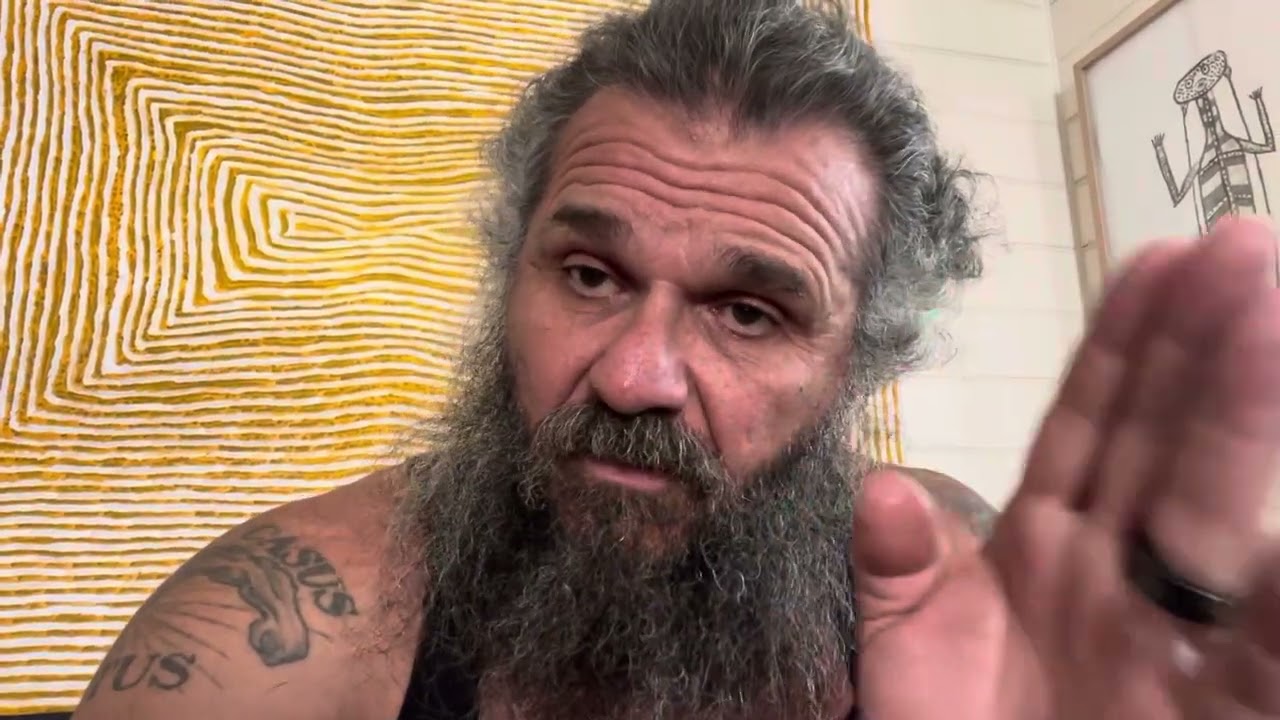
In this solo video, Dr. John A. King reflects on the Australian Indigenous Voice referendum’s ‘no’ outcome. He notes that about 40% of Australians now recognize the need for change for Indigenous peoples, while roughly 20% remain opposed and another 20% are undecided. King emphasizes the importance of moving the undecided (the “fence‑line” group) rather than worrying about the entrenched opponents. He expresses concern over a rise in racist vitriol and a new wave of historical denialism he likens to Holocaust denial, where some claim the Stolen Generations, Frontier Wars, and Indigenous massacres never occurred. King argues that truth‑telling and a treaty should precede the Voice, urging a coordinated push for Indigenous justice, closing the gap, and building alliances with non‑Indigenous supporters. He concludes with a motivational call for persistent, resilient advocacy, urging the community not to retreat but to press forward.
Chapters
I've been asked by a couple of people what my opinions were on the Voice referendum and how it came back a no vote. I suppose my first reflection is that it was very affirming that 40% of Australia now, now are very much aware that something has to change for Umbrano, Indigenous people, Aboriginals. I think that's one very encouraging thing we can take away from this. I think one of the concerns is about an increase in vitriol, racist vitriol and statements. I had a couple of incidents happen and a resentment that, well, resentment, statements along the line of, you know, you didn't get up, you didn't get it, no one wants it. You know, in other words, the pushing down of, and you're always going to have that, but you're going to have that from a minority. I've always worked on the premise that whenever doing public speaking or involved in consultancy, 20% of people are for you, 20% of people are against you, and 60% haven't made up their mind yet. So the job is always to take that 60% and move the needle. Don't worry about the 20% of haters. In this case, there's 40% of people who are for us, probably still 20% of people that aren't. But now our job is just to move some of that, that fence line, that fence line group, because I really do think most of them are just fence lines, be they Umbrani or be they European or, you know, non-Indigenous. I think they just wanted to know more information. I believe this probably should have been started the other way with truth-telling treaty and then the voice. I think it's time for a general push for truth-telling. One of the things that I have seen is a rise in people who are—I would call them the equivalent of Holocaust deniers. Who just say things like the Stolen Generations never happened, the Frontier Wars never happened, uh, Umbrano were never slaughtered the way that we know historically they were. So those Holocaust deniers, I'm going to put those in a 20% character category and just not worry about them. They're just— it's just white noise, for want of a better term, and they should just be ignored. That's all the emotional energy they deserve. And history will prove them wrong. And I think this is a very encouraging time for us. I think it's time for us to push forward on the things that we know, link arms with our allies, and bring them into our community, bring them in and make them a solid part of what we do. Now we do that, then all of a sudden we're at 43%. So that gets exciting. Very quickly, and the momentum will build. So be encouraged. Don't be scared. Don't pull back. Don't deny your heritage. Don't step away from who you are. Don't step away from our mandate. Don't step away in our belief in ourselves and what we're called to do. Don't step away with wanting justice for our people. Don't step away with wanting to close the gap. Don't step back from those things. Now is not the time to step back. Now is the time to push forward. Persistent, consistent, relentless, pushing forward. Resilient, pushing forward. Cheers.