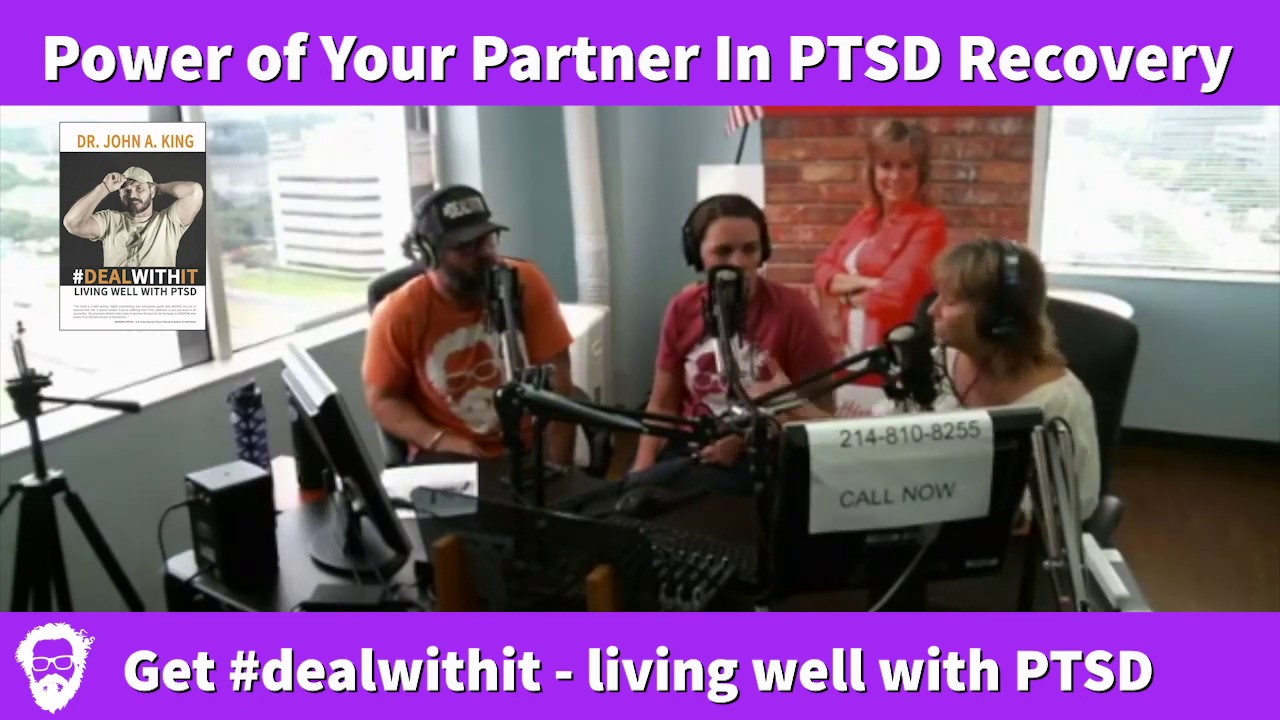
Dr. John A. King and his wife Melissa describe how her random phone calls and his therapist's single word, "resilient," pulled him back from suicidal thoughts. Melissa says a spouse's job is to notice effort, not struggle, and affirm the trying even on the darkest days.
And even just the triggers, I was wondering, because a lot of people have those triggers and they don't even really understand them. You said that really Mona, who you saw for 3 weeks and did EMDR with her, Mona helped save your life and Mel helped save your life, really.
Yeah, I think it was— I think Melissa made 2 random phone calls that were very sovereign in their timing. When I was contemplating both barrel and a bottle, and she just made random phone calls and just talked about random stuff, you know, good things.
I didn't know at the time. I had no idea that he was struggling. I just called up and said, hey, you know, you'll never guess what happened today, and blah, blah, blah, blah, blah, and just went on talking.
It wasn't until she read the book, the first draft of the book, she realized she'd had such an impact. What Mona really did was Mona— after she declared on our first meeting that I was the worst case at 30 years she'd ever heard, And she wasn't possibly going to be able to help me and thanks very much. And my response to her, well, I'm only telling this to one person once. So I'm never doing this again. It took me a lot of moxie. I flew out of state to do it. And so we came to an agreement. What Mona did was on the 2nd or the 3rd day, she gave me a word and she said I was the most resilient human being that she'd ever met. And I now had a word for what I was. as opposed to abused, assaulted, raped. They were the words that at that stage were defining broken, heading towards a divorce, estranged from my kid, incapable, loser, all those things that run financially broke. I was now resilient. And that one word, I hung on that one word for probably 4 years. And every day I would just get up and say, I am resilient.
Brilliant.
And I still do it to this day. I am, if I'm anything, I am resilient. You can't kill me. You can't beat me. You can knock me down, but I'll get up because I am resilient. And that's what Melissa saw.
I think, yeah, and if you have something to sort of hang your hat on, and no matter how dark the day is, you can say, but hang on, I'm resilient. And I think my responsibility as his spouse or someone who cares for him and loves him is to look at him and see him trying. It doesn't matter how bad the day is or how much he seems to be, you know, failing or struggling. I see him trying. You know, he got out of bed today. He's doing his best. He's going out the door to try to provide for his family. Whatever it is, you know, look at him and try to see him and see him trying. And so I think that's really important for anyone who cares about someone with PTSD. It can seem overwhelming, the struggles that they're facing. But if you focus on, you know, really trying to see them and see them trying.