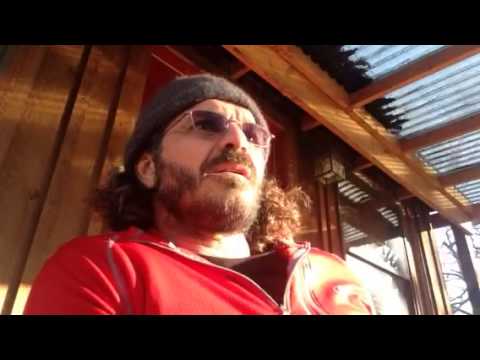
Dr. John A. King considers agnosticism after watching modern Christianity dumb down doctrine. He argues churches reduce God to a lowest common denominator, and that leadership and preaching have failed to maintain theological rigor.
Chapters
I think I might become an agnostic. I think I like agnosticism. If you think of it, a theist is someone who believes in God. An atheist is someone who doesn't believe in God. But an agnostic doesn't really have to believe in anything. They, they don't believe he is or he isn't. It would make it a lot easier, I think, in some ways, than having to deal with the with the, the garbage that we're left with in terms of modern Western Christianity, the false images we have to sweep away, the balance we have to try and get between denying that the false images are true yet heralding the reality of a true God. We spend most of our time vacillating, as it were, between no, they're not right, yes, they are right. It's like we don't believe in that and we certainly do believe in this, but trying to present a clear concise message. So maybe the agnostics have something going for them, because being a theist doesn't seem to work in the church in America, because you can pick and choose your version of God. You're not restricted as an agnostic to something like the Word of God or church tradition. You really get to do what you want, meet when you want, Feel good, participate in community projects. The problem is you'd have to give your entire life to not believing in anything, and and I find that a challenge. Yet the majority of the people don't seem to, or maybe maybe what we've got is an underlying generation that is absolutely desperate for concrete truth, belief, theology, and fact, and not philosophy. Maybe that's where the modern Western church has missed it. We've dumbed our gospel, dumbed our doctrine, made small our theology. We've brought our theology down to the level of our experience, and we haven't pushed our experience to the level of our theology. So maybe as a thought, the issue lies not with the church, but the leadership of the church, the preaching that comes from the pulpit. Maybe if we spoke to people's greatness in terms of their mind and the greatness of God, maybe entire nations would rise up to the challenge if we didn't reduce God to the lowest common denominator, which is really what agnosticism does. Anyway, musings from the