Nose Taping After Rhinoplasty to Maintain Shape and Improve Healing
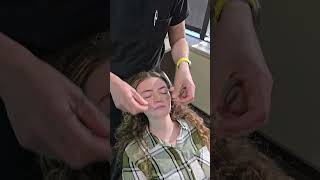
A short instructional segment by Dr. Shervin Naderi demonstrating how to tape the nose after rhinoplasty to control swelling and support healing. Key technique points: place tape on the nose (avoid the face), do not cover the nostrils, create a V-shaped application rather than a U to avoid pinching, lay tape gently without stretching or pressing, and crimp small 'shark fin' folds at the edges. Timing guidance: leave tape in place for days at a time, changing roughly every 3–4 days during the early recovery (first ~1–1.5 months); after several months, tape can be used intermittently for sleep, flights, or exercise.
Questions this video answers
About every 3–4 days (change infrequently—once or twice a week).
After a few months; use at night, during flights, or for exercise as needed.
No — do not cover the nostrils; place tape just above the nostrils and extend toward the eyes in a V shape.
No — lay the tape down gently without pulling or pressing; do not yank or press hard (pressing can damage cartilage or cause swelling).
Chapters
More from Dr.

#DeepPlaneFacelift vs. #SMASLifting. Here are the actual differences and similarities

Preparation before and recovery after your deep plane facelift surgery with Dr. Naderi

Deep Plane Facelift vs SMAS Face Lift. Understand the difference and make the right decision.

How to expertly analyze the upper face for Botox injections to prevent complications #botox

Naderi 11-Fill™ Filler Technique for Deep Wrinkles Between the Eyebrows (Glabellar lines, 11 lines)

Master injector teaches safe botox & filler injection to 11 lines, crows feet & liquid rhinoplasty


What is the best age for a plastic surgeon? Does the age of your surgeon matter? #plasticsurgery


Buccal fat pad excision (Bichat’s fat pad removal) is a quick and easy way to slim the face.
