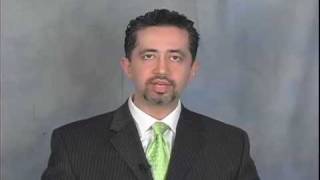
Dr. Shervin Naderi, a board-certified facial plastic surgeon and rhinoplasty specialist (Northern Virginia practice; clinical assistant professor at Indiana University), explains rhinoplasty aims, techniques, candidate selection, and recovery. He emphasizes individualized plans (no two noses operated the same), contrasts open versus closed approaches, and states most of his practice (≥95%) is rhinoplasty with revision cases comprising ~40%. Typical procedure time ranges from 30 minutes up to 2–3 hours (average ~1.5 hours) with about a one-week downtime. He prefers autologous cartilage (septal, ear, rib) over synthetic implants and highlights ethnic/skin-thickness differences that affect technique. Computer imaging is used to align expectations and show likely outcomes.
Questions this video answers
95% or greater.
About 40%.
Generally over age 16 (exceptions can be made as young as 14 with maturity and completed physical growth).
Ranges from 30 minutes to 2–3 hours; average about 1.5 hours.
About one week; patients go home same day and are advised to avoid the gym for two weeks.
Chapters
Hi, My name is Dr. Shervin Naderi. I'm a board certified facial plastic surgeon. My practice is in Northern Virginia. I'm a rhinoplasty specialist, which what that means is 95% or greater of my surgical practice is limited to rhinoplasty and revision rhinoplasty. I'm a clinical assistant professor of facial plastic surgery at Indiana University. Written several textbook chapters on the topic of revision rhinoplasty. Basically, we're going to discuss some of the more common questions that you may have about rhinoplasty today. Rhinoplasty is a plastic surgery of the nose. It's also known as nose job or nasal reshaping. Basically, through several different approaches and techniques, you can correct the nose to make it blend better and match the patient's face. No two noses are the same. No two noses should be operated on the same way. With rhinoplasty, you can refine the tip, you can make the tip smaller, larger, you can make the tip protrude more or less from the face, you can take down humps or bumps from the nose, or you can build that area up and just make the nose more refined. Overall, There are two main approaches to rhinoplasty, open and closed technique. With the open technique, the skin is pulled back so the surgeon can actually work significantly on the tip by making maneuvers, using sutures, grafts, and making changes that are much more significant than desired. With a closed approach, the entire surgery is done through the nostrils, through the nose, and it's called an incisionless or a closed approach, with less swelling, less downtime and quicker recovery. A good rhinoplasty specialist has to be comfortable with both techniques, as each patient requires a different approach. An ideal candidate for rhinoplasty is anybody over the age of 16, although with certain exceptions you can go as young as 14. If the patient shows level of maturity and physical growth, that's completed. But typically after age 16, somebody who's medically healthy, psychologically stable, has realistic goals and wants to improve the nose just just to improve the nose. Not expecting any major changes in lifestyle or social status. That's somebody who's going to have a fantastic result, will undergo rhinoplasty, and will move on with their life. Revision rhinoplasty is usually a much more complex operation than primary rhinoplasty. This makes up about 40% of my practice, and I get referrals from top local plastic surgeons and ENT surgeons for this. I've written several textbook chapters on this and patients come in to improve noses that are previously either destroyed by other surgery or they didn't get the result that they were hoping for. Typically, the skin is thinned out, cartilage is missing, too much is left behind or too little has been done. The surgery can be done through an open or closed approach, and very nice, realistic results are achievable. Typically, rhinoplasty or revision cases can take anywhere between 30 minutes to two to three hours. I would say an hour and a half is an average time. The downtime is about a week. The patients go home on the same day after surgery. There's very little pain to none at all. Bruising is common, a little bit of swelling is common. When the cast comes off off of the nose at one week, typically a little bit of makeup can cover any remaining bruises, and the patients at that point are ready to go back to work or school. I ask patients not to go to the gym for two weeks. Essentially, that's pretty much the downtime. If a nose looks natural immediately after surgery, nobody can tell anything was done. Computer imaging is a crucial part of the dialogue. Initially, during the first consultation, I'll take a patient's picture with a digital camera, and using advanced software, I will show them what the nose should look like, the nose that will fit their face best. I'll make several versions so they can see how a few millimeters of movement to the left or to the right can significantly change the look of the nose. We want to make sure a nose fits each patient's face. It has to fit the eyes, the cheeks, the lips, the chin, and everything else. We don't want to get a nose that looks the same on everybody. Essentially, you don't want to have the patient surprised when the cast comes off at a week. The result that they see on the computer is essentially what they're going to get after it's all said and done. Patients ask me often, do I use implants in the nose? Plastic material and implants have no business in the nose. The nose has a bacterial flora that can create infections of these implants. The infections can create extrusion of the implant, and the implant can come out through the skin of the nose, creating unsightly scars. Instead of implants, cartilage should be used. Septal cartilage is initially my preference, but if that's not available, cartilage from the ears or the rib or other sources can be used nicely. The nose has to be natural, as the patient's going to have this nose for the rest of their life. Since 95% of my practice is rhinoplasty Essentially, I perform rhinoplasty on all ethnicities, races and sexes. But there are key differences that has to be taken into account. Typically, Asian noses, Hispanic noses and African American noses have thicker skin and weaker cartilages. The operation on these patients is completely different than a Caucasian or Middle Eastern patient with thinner skin and stronger cartilages. In either case, beautiful results are very achievable. But the approach is different. With thicker skin and weaker cartilages, the nose has to be built up to be able to create refinement that shows through the thicker skin. Computer imaging will aid in showing the patient what the final result will look like. Determining what nose fits each patient's face is a complex decision. It's aided with computer imaging. Essentially, the nose will look different depending on the projection of the chin, the strength of the lips, the position of the mid face and cheek, the nasal frontal angle, which is the depression between the nose and the forehead, and the slope of the forehead. Those other issues are not easily correctable, but the nose is. So the nose has to essentially fit those other features to blend with the face and highlight the beauty of the eyes and intrigue of the lips.