Intermittent Fasting for Weight Loss | How It Works
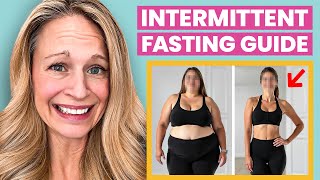
Dr. Tabatha Barber and Jen Stevens discuss intermittent fasting for women, covering the clean fast concept, metabolic flexibility, and why mindset matters as much as the mechanics. Stevens shares her workbook '28 Day Fast Start, Day by Day' as a step-by-step guide and warns against over-fasting, emphasizing that sustainable weight loss requires finding your personal why.
Chapters
Hi, I'm Dr. Tabitha the Gutsy Gynecologist. I'm a triple board certified, OB, GYN and Functional Medicine physician. I've embraced the world of functional medicine and wellness through my own personal health journey. And I'm super excited to share my wisdom and unique perspective as it pertains to women's health. After caring for thousands of women, I've come to realize that your gut health determines your gyne health and your overall health. And it's a super gutsy thing for me to go against conventional gynecology practice to bring you the truth. No more band aid medicine, ladies. We're talking root cause resolution on this show. So if you're struggling with hormone imbalance, weight gain, period issues, anxiety, insomnia, you name it, then you've come to the right place. And I want to be your gutsy gynecologist. So welcome. I hope your new year is off to an amazing start. And if you're feeling a little frustrated because you've brought extra weight or baggage or health issues from 2023 into the new year, this episode is going to be awesome for you. We're going to talk about intermittent fasting, my absolute favorite way to reclaim your health and lose that stubborn weight. So if you are on my email list, you know that my book is coming out soon, Fast to Faith. And I am just so passionate about fasting because it really is a superpower. It's our gift from God to help us really take back control not only of our weight and of our health, but of our mind. So my guest, JY Stevens, I love Jy. She and I talk about this quite a bit today and there's some different perspectives that you might not have heard before. So this isn't just about like, oh, the benefits of fasting and everything. Like, we talk about that, but we're talking about your deeper reasons of figuring out why you need to do fasting, how to break through your plateaus. And I just love how she lays this out in her new book. So if you already followed Jen and maybe you've read one of her previous books on fasting, but she has a new book out that came out the day after Christmas and it's more of a workbook. It's like really helping you do this step by step. And it goes along with how I approach fasting. I take the extra spin on it of adding the Bible, the word, adding score, scripture, and really using God as your superpower to find your strength to get you through this. But I love how Jen is doing this. And so I'm excited to celebrate her new book. And let's dive into all this because there's some really good golden nuggets in this episode today. So share with everybody you know, and if you don't have time to listen to the whole episode, just pause it and come back. That's the beauty of the podcast. Like, it's always there. You can go back and listen to episode one, when I called it the Functional Gynecologist. I don't even know what it used to be called. I think that was it. But I have episodes, you know, hundreds of episodes that you can go back. And Jin has a really awesome podcast that I've been on a few times as a physician, but she interviews her people in her fasting community, so real life stories of how fasting has helped them. And I'm really excited because she put a lot of those stories into her new book. So we're going to talk about all that today. So it's such a good episode. Thank you so much for giving me your time and attention. I. I'm so honored. I truly appreciate it. Like I said, pass this along. Share this with other people in your life, because we're meant to do life together. We're meant to lift each other up and cheer each other on. So there might be like one little golden nugget in this episode that your girlfriend needed to hear or your mom needed to hear or your daughter. So you never know. I love passing stuff like this on to other women. So, so good. So let's dive in with Jen. She's going to talk about her new book, 28 Day Fast Start, Day by Day. It's more of a workbook, and she says it's the ultimate guide to starting or restarting your fasting lifestyle. So it sticks. That's the key. This is a lifestyle, ladies. We have to get rid of the diet mentality. No more hating on our bodies and shaming it and blaming it. No more restricting and depriving. Like, all of that is so 1980. Like, let's be done with all of that. That's awful. It's not healthy or helpful at all. So here we go. Well, welcome, Jen, to the Gutsy Gynecologist Show. Or welcome back.
Oh, thank you. So glad to be here.
Thanks for taking time for my listeners. You are just such a wealth of knowledge when it comes to fasting. So I'm glad you're back.
Well, thank you so much. And you are, too. Thank you for being such a wealth of knowledge when it comes to fasting. You know, you just came on our Fast Feast Repeat podcast and answered a lot of questions that our listeners had about women and fasting. And I really appreciate your take and your knowledge as well.
Yeah, I think that a lot of the women that are following you are the same type of women that are following me. We're all just trying to navigate it and figure it out and be the healthiest version of ourselves. And we're not judgmental and we're not hating on other women. We're just trying to find where we belong and supporting other women and having a community. So I love everything you do. I think you're just so good. Love it.
It. It's all about community, isn't it? Finding. Finding your people and. And your community and supporting one another.
Exactly. Because we're not meant to do life alone. We're supposed to do it together. So if you guys haven't listened to Jy's previous episode when she was on you, you got to go back and listen to that. But Ms. Stevens is a school teacher, so she is a lifelong learner and teacher, and she's always, you know, trying to give you something new and improved. And so that's why she's back. She took her amazing fasting books and turned it into almost like a workbook, wouldn't you say?
Yeah, I really did. And it. The teacher in me came out. I'm going to hold up cuz I'm so excited. I just got my own copies of.
It with the 28 day fast start back there.
So. 28 day fast start day by day. And the school teacher and me really did come out in this book. And it's because, you know, I have another book that, that I'm. I have other. Lots of books. But my. My book that I'm really, really the proudest of, I think is Fast Feast Repeat. The one that's already out.
Yeah.
And you know, it's definitely comprehensive and it has a lot of information in there. It's a lot of stuff. And the teacher in me realized some people needed little more help, a little more guidance, a little more day by day, because you can be overwhelmed when something's new and you're starting off and. And you're like, here is everything you need to know. Everything you ever needed to know is in this book.
I mean, it's true.
It's all here, but it's like so much. You're like, oh my God, I don't know what to do. So I was like, okay, you know, it was based on feedback from people that were, you know, had the book fast, feast, repeat, or they tried to give it to a family member, you know, someone who's an intermittent faster and wanted their family member to start. And their family members like, I can't, I can't read all that. Just tell me what to do. I'm like, okay, so we need something that's a little more day by day, right? Yeah, day by day. Exactly what you need and not too much so you don't feel overwhelmed. So it's really just like me. The teacher is right there beside you every day on day one. You need to know about the clean fast. You need to know about, you know, and you start, you know, different times along the way. They're lessons that you need. So my curriculum design really came out in this book.
I love that because, you know, everybody's different. There's certain types of personalities. Some people learn really well just reading and absorbing information. Some people are more doers. Like, I have to be writing and actively doing. And some people need like, that reinforcement from a teacher of like, repetitive hearing of something. So I love that you're doing this because I keep hearing people are like, I want to do intermittent fasting, but I'm not doing a good job at it, or I tried it and I felt terrible. And so you're just laying out the basics yet again in an easy to digest form. So I want to go over those basics today.
Okay.
There's so many women who are still afraid of fasting, and it's our superpower, isn't it? Like, tell my listeners how your life changed just from fasting, you know, And.
I first just want to say it breaks my heart how many people, like, I sent out an email. I don't send a lot of emails out to my list, but I sent out one early this week about the new book. One I sent out once order my new book. But somebody replied and said, well, I was doing fasting. And then three people told me, women on the other side of menopause shouldn't do intermittent fasting. And so I quit. And that broke my heart.
Yes. And.
And because this person has the answer, was interested in it, wanted to do it, has now been made to feel afraid because someone who didn't know better, someone who doesn't understand the power of intermittent fasting, is third party down the road. And her friends are like, well, I heard you shouldn't do it. She's like, well, okay. And that was enough to shake her confidence. So, you know, part of my mission is to let people know that we. We can do this. And. And through people like you, who are actual doctors who understand hormones, we count on y' all to. To bring that message to the women who are confused. But, you know, for me, you know, I'm 54 years old. I'm on the other side of menopause. I went through it. Exactly.
If you guys are watching this on YouTube, like, Jen looks 35, y'.
All, like, I don't know about 35.
But yes, girl.
But I went through it at 51. Just the. The total average age of menopause. I went through it. But I've been doing intermittent fasting since 2014, and I lost 80 pounds within a fasting. 80, 80 pounds. And I've kept it off. I even kept it off through the menopausal transition. And this is my 10th holiday season as an intermittent faster. And it's just my lifestyle, and it's what I do. And, you know, people who are familiar with the. With me and with Tabitha and have listened to me on her podcast and her on my podcasts, and they. People know that we were friends in real life. And Tabitha, you're the one who got me started on hormone replacement therapy, but I really think intermittent fasting helped me go through menopause so smoothly that I didn't even realize I needed hormone replacement.
Yeah, you weren't having a ton of symptoms. You just realized, like, wait a second, I'm starting to age. Like, I'm looking a little different. Things are shifting, elasticity, insulin levels creep in and all the stuff that happens. But yeah, and you're not an anomaly. Like, let's point this out for everybody listening. Fasting works for everyone. That's how our bodies were created. So you have community of multi. Thousands of people, and they've all lost significant amounts of weight and kept it off and stayed healthy as a lifestyle. Right. Like, this is truly the answer.
It really, really is. And the. The voices, you know, expressing concern about fasting for women have amplified over the past year or two. And that's the part that's so, so sad to me because, you know, I've been in the intermittent fasting world. I actually been poking around in it since 2009, although it didn't stick for me until 2014, which is why in the subtitle of the new book, it is the ultimate guide to starting or restarting your intermittent fasting lifestyle. So it sticks because sticking is what we want. We want it to stick. But I've been around in the community starting in 2009. But really from 2014 on. And I have seen so many people change their lives, you know, reverse diabetes, you know, become fertile again because they had PCOS and then they never had a cycle, and now they're like, oops, I'm pregnant. All of a sudden, right after starting intermittent fasting, they get regular cycles again. I know you've seen that as well. You know, everything from plantar fasciitis to getting better to skin tags to, you name it, Crohn's disease. I mean, so many people come on my podcast, and it's Intermittent Fasting Stories is the one I've been doing since when. That one I've been doing since 2018, and I just did episode number 391 this week.
Congratulations, by the way. Like, that's incredible. That's a huge feat and something to be super proud of, like, consistency and sustainability, because what you're doing is working for people.
It's working. You know, I just interviewed somebody this week who started off at 405 pounds and has lost 137 pounds so far.
That's incredible.
And has reversed diabetes, by the way, so far and is not done yet. And just, you know, it's changed her life. And to think that some people are being cautioned against trying this, you know, but we have weight loss drugs we'd like you to take instead, because they're not bad for your hormones. I mean, that's. That's.
I mean, right? They may cause thyroid cancer and gastroparesis and cause, you know, you to have surgery. But no, let. Let's go straight to the drugs. No. Intermittent fasting is the way God created our bodies to function. So. So we.
It's free.
It's free. Oh, my goodness. We need to embrace this, but we need to know how to do it smart and effectively for women. So, like, yeah, let's unpack all of that. What are the basic foundational principles for fasting?
I love that you said safely, because that's so important. Someone in my community just this week was sharing screenshots from a group that she's in on Facebook, and it was someone who was doing extreme fasting. And she's like, I'm really, really worried about this person. What can I do? I'm like, you can just tell her, but that's all you can do. So when we talk about fasting safely, that is so important, you know, like, there's a continuum of literally everything. Drinking water. Like, let's think about drinking water. You cannot drink enough water and die. Or you can drink too much water and die, but there's the right amount of water and it's in the middle. And fasting is the same exact thing. You cannot fast enough. And that's, I think, what is wrong in society these days. People are like, overfed. They're, you know, eating from sun up to sundown and all the time in between, and they never give their body a rest. But there's also, you could do too much fasting. So what we want to do is we want to find a way that we are fasting just the right amount for our bodies. That's not going to be the same for every single person. And that's the beauty of fasting. It's completely individualized. Your body lets you know what feels good. And you know, this person that was over fasting and that, you know, the person in my community was concerned about, she was struggling, she was miserable, she was stuck. And she was doing huge long fasts weekly.
Yes.
And then having like one meal.
You have to listen to your body.
She was having a really hard time. She's like, I'm gonna lose these last seven pounds if it's the last thing I do. And I was, I wanted to, like, go find this person. I don't even know who she was because what, she wasn't in my group. And I wanted to give her a hug and I wanted to say, let's sit down together. You know, first of all, you love your body and you learn to work with your body. Fasting is not supposed to be a fight with your body.
Right? It's not.
We've done all that.
No, we don't revenge weight loss.
We never want to revenge fast or panic fast or any of that. We, we want to relax into the process and fast because it feels good and it's, it's empowering. And, you know, you might think, well, I have a little twinge of hunger. I could eat right now. I could see what happens. And then that passes. Then you feel good. Whereas another day you might be, hmm, today I'm. My body is saying, I really do need to eat. And you learn to understand that. You interpret what your body is saying. You know, we have a saying in our community. Tweak it till it's easy. And I have a chapter called that in Fast, Feast, Repeat. And I talk about the concept in the 28 day fast start book as well. And we really want to tweak it until it's easy. We don't want it to just keep getting harder and harder over time. That lets you know, you're doing something that's not good for your body.
I love that. And where do you think that we are going wrong? And it is hard and it is causing a struggle. Are we just diving in, in the deep end and we need to start in the shallow end, or we just. We're not doing a clean fast. Like, that's part of it. Break down the clean fast for people.
Okay.
That's your jam, right?
Like, yeah, the clean fast is. Is came from me.
You know, the.
The wording of the clean fast. We. We created that wor somewhere in 2017 in my Facebook community, because we were, you know, there were a lot in 2017. It was early days of fasting. My first book was out, Delay, Don't Deny. I self published that one. And I didn't use the words clean fast in that book. But as people started to wander into our Facebook community, we wanted a way to differentiate. We're like, no, you need to fast with just plain water, plain black coffee, plain tea, plain sparkling water. We don't want any kind of sweet flavors, even if they're zero calorie. We don't want any food flavors. You know, the goal is keeping insulin low. We want to avoid the cephalic phase, insulin response, and we're not putting butter in our coffee. That was really big back then. Everybody was doing the bulletproof. We're like, I heard it didn't break the fast. You know, so we were like, no, we want to fast clean. And then we just started using the phrase fast clean, and it stuck. And it's really kind of funny because every time, you know, somebody now says dirty fast, I know you've probably seen that in the fasting community. That's the unintended consequence. I don't like that wording at all, because I believe you're either fasting clean or you're not really fasting. You know, if you went to have fasted surgery or fasted blood work, you wouldn't say, well, I'd already fasted. It was okay. There is no dirty fasting. The doctor wouldn't. Your surgeon wouldn't say, oh, you saw a YouTube video, that it was okay to have, you know, butter before surgery. You dirty fasted, no problem. Let's have the surgery. You know that you'll be like, no.
And I would love to clarify that for listeners, because I talk a lot about this with my groups, is if you're putting butter in your coffee, you might be staying in ketosis, but the ketones are being given to you by the butter, they're not coming from your fat cells in beta oxidation, making your own ketones. So you're taking in ketones, and that's a really popular thing. You can actually take them or you can ingest fat and you stay in ketosis. And that is a form of a weight loss program. But that is not equivalent to fasting. That is separate and sometimes they go together. But I want women to understand the difference because if you are trying to tap into your fat cells, you and burn your fat for fuel and stay in a fasted state with the benefits of maybe healing like a longer fast, then you can't do the quote unquote dirty fast or breaking it by intaking fat. Right. So gin is about like, let's stay in a fasted state by not spiking our insulin and blood sugar levels. Let's remove any possible ingestion of anything that's going to cause that, right? Yep. And.
Yep. And that's, you know, that's keeping the flavors out and the sweeteners out because those cause the cephalic phase, insulin response. And just like you said, we don't just want to burn fat. We want to burn our own fat. We don't just want to have ketones. We want to create ketones. That's the, the important part of it. And so, you know, do you want. I used to say back in the day, do you want to burn the fat from your body or from your coffee cup? You choose.
It's true. It's absolutely true. So it depends on your goal for fasting. If you're not trying to lose a bunch of weight and you just want the benefits of ketones for, you know, brain clarity and that, that's different. So, yeah, I love that we're clearing this up for people because it's important to understand because the, oh, my gosh, the recommendations out there are insane and they're overwhelming. And I think women just get paralyzed because, like you said, they go on and they hear 10 different recommendations. And then like that one lady, well.
I give up, she's like, well, I heard it was bad, so I better not do it because it might be bad. You could literally find a, probably a YouTube video to sanction anything you wanted to do in life. Right. Crazy stuff out there. So I wouldn't go down those rabbit holes. Look for voices that you trust and stick close to those people and, you know, stick to a way of doing it that feels good to you, like I said, because if you start going down this rabbit hole in that rabbit Hole. You won't know when to fast, when to eat, what to eat. And understanding that, your body will let you know. Your body will tell you if you're fasting too much. Your body will tell you if you're not fasting enough. Your body will tell you if you're choosing foods that don't work for you. Once you learn to listen and fasting quiets the noise so that we learn how to listen again. Our body is wise. Our body sends us powerful messages.
Yep. We just learn how to ignore them or cover them up. You know, that's the problem.
Toxic diet culture teaches us to do it. Toxic diet culture teaches us that no pain, no gain. It's supposed to be hard. You're not supposed to ever eat until you're satisfied. If you're a woman, eat a little salad, be dainty, don't let anybody see you eat a big, whatever, big giant meal. Because that's not ladylike. You know, we're, we're taught to push down our feelings and not even feel them and instead we have to learn to connect with them again.
Absolutely. Your body's always giving you feedback. It's always telling you, so what are the most common things you hear in your, in your community that you are, you just know like they're overdoing it. They need to shift how they're fasting.
Well, one thing about overdoing it, our body wants us to survive. Right. And you know, if you are over restricting, whether you're doing it through the lens of fasting or a traditional low calorie diet, you know, I took diet pills back in the day. I did the HCG shots back in the day way before fasting obviously, but I, I got them from a doctor. I'm pretty sure I would be in line for the new drugs if I had not solved my problem by now. But we are just taught to do more and more and more, more dieting, diet harder, diet harder. We're also taught that it's supposed to be quick. You know, you go to the checkout aisle and I saw something a couple weeks ago and it was like lose two pounds a day. You're not going to lose two pounds a day. So we are taught to eat less, move more. And if that doesn't work, turbocharge, eat way less, move way more. Now you're like living on, you know, 800 calories a day and you're doing CrossFit. Well, what does your body do that's what's really bad for your hormones is the over restricting and the over exercise, and then your body starts sending you the increased hunger signals. You start feeling the urge to binge. And then eventually, you know, we can't fight that biological urge. Just like if you try to hold your breath forever, eventually your body will force you to take that breath. Same thing with over restricting. If you try to force your body to be over restricted for a long, long time, your body is going to send you a powerful signal and then you end up binging. And then what happens? Well, women don't say, hmm, I was over restricting and my body just tried to save my life. Thank you, body, for sending me that powerful message. No, we say, man, I'm weak, right?
I'm so pathetic.
The cookie you just took, I have.
No, it's not the right diet. It's not restrictive enough. And oh my gosh, the show the Biggest Loser, it always is in the back of my head, because I liked that show. I liked watching people because it seemed like they were really taking charge of their life, but we were not thinking about it in a smart way. And it turns out all those people regained their weight. And yeah, it was such a horrible experiment. And then we just all watched it and cheered it on. Like, I'm mortified that I was like that.
Do you want to hear something twisted? I was. That was during the time that I was really struggling with my weight. And, you know, I was 210 pounds. I was obese at one point, but I wasn't big enough for the Biggest Loser. So there was like this crazy part of my mind that was like, if I could just gain a little more weight, then maybe I could go on the Biggest Looser.
Right, because you thought that was the answer because they were dropping two pounds a day. But yes, unfortunately, we didn't get to see the after effects. And so it turns out that is a horrible way to lose weight because our body does have innate intelligence and it will say, okay, we're done with this craziness. We're going to get back into balance no matter what she's doing. And sometimes that's putting the weight back on. So.
Exactly.
Oh, my gosh. The work you're doing is so important because women have to really evaluate why they want to lose the weight, why they haven't. This book that you've written is more like a workbook. And it's really like picking all that apart. Right. And getting women to understand why they're making the choices they're making.
Yeah. And really, at the very beginning, before you even start, before you start with Day one. One of the first things I have the readers do is craft their why. And, you know, I, I, I really feel deep in my core that if your only why is because you want to lose weight as quickly as you can, you may not be ready for intermittent fasting, because intermittent fasting is not the quickest weight loss in the world. You've got to get your mind in the right place to be ready for intermittent fasting. So I want readers or anyone contemplating intermittent fasting to have a more. And so there's like a list of things that intermittent fasting might do, and you check them off like one of them is lose weight. Right? We do want to lose weight. There's nothing wrong with that. If you have excess fat and you don't feel good in your body, wanting to lose it is normal and not something to be ashamed of. You should have that as one of your goals if you want to. But other things as well. Maybe you want to reverse diabetes. Maybe you want to age well. Maybe you want to, you know, feel good in your clothes. Maybe you want to just. There's so many things. So I have a whole checklist of things people can pick and then lines for them to write their own. So then they come up with, like, why are they doing this? You know, plantar fasciitis. I mentioned if someone's suffering with inflammation and illness, they would like to reverse those things and feel better. And so that should all be part of your why. Then they craft their why statement so they really know why they're doing this. It's not just to lose weight, although I like to call it the health plan with the side effect of weight loss. That's definitely part of it, but there's so much more to it. And I also part of my mission that's really evolved. And I didn't know this would be part of my mission early on. Accepting our bodies.
Yes.
And, you know, when I started, I didn't understand, you know, how powerful intermittent fasting was. I just wanted to lose the weight. And I did lose the weight, but I didn't realize how much I would learn to accept my body for what it is, imperfections and all right. You know, I grew up with a dance teacher, mother, who taught me that women with cellulite on our thighs, like me and like her, we needed to cover ourselves up, not wear a bathing suit, keep our thighs covered. And so I learned to really hate my cellulite thighs. I didn't wear short. I had long shorts, you know, like the kind that come down to your knees. Right. I didn't wear shorts really from the time after I went through puberty and realized, oh, I've got the same thighs as my mother until I lost the weight with intermittent fasting. Now, did my thighs get better after intermittent fasting? No, I still have cellulite, but I wear the shorts now. And it's because that's how I'm created. I'm created with cellulite. And so learning to accept our bodies, how they're made, instead of always thinking that there's something we have to fix. There's nothing wrong with my cellulite thighs.
Yeah. This is such an important point because honestly, my first husband mentioned the cellulite on the back of my thighs and I didn't wear a bathing suit for the next seven or eight years until I divorced him. And it was sad. You know, I went through almost all of my 20s not going to the beach in a bathing suit. What a frickin waste.
Yeah.
Like jip to my daughter. You know, I avoided activities because I was worried that my body wasn't acceptable. Right. And I think that's a huge piece that we need to really tap into and learn to love our bodies because that is where the magic happens and we can actually shift things. And your why? Okay. I am privy to a lot of intimate conversations. I get to hear women's deepest, darkest secrets and frustrations and all of the things. And something I hear all the time is that their marriage struggles because they don't feel good enough in their bodies to be intimate with their husband. And so puts a wall up a wedge between their relationship. Because part of being a husband and wife is having that intimate peace. That's what makes you not just friends. Right. And so if you are hating your body, you don't accept how it looks or how you feel in it.
Yeah.
You're not going to want to get naked. You're not going to want somebody touching all the parts. Right. So that might be your why. So, yes, the weight. If you lose weight, you will feel better in your body and want to be close with your husband. But you need to figure that piece out. Like the deeper why, like you're mentioning, why do you want to lose the weight? Like, what will that allow? Will that allow you to exercise or run a 5k or get a new wardrobe or apply for a job you've been too embarrassed to apply for? Like what is that? So I love that. That's so good, Janet. So important.
Thank you. And also accepting that, you know, your husband does not Want you to have a six pack abs.
Right. And honestly, I will tell you, men don't see you the way you see you. Like they have beer goggles or something. Because I'm always amazed that they're. She's beautiful. She's perfect. They don't see any of the stuff that you're seeing, I promise you.
Yeah, you know, the squishy parts. There are some of their favorite parts.
Right, right. Like my husband was 20 years old when he made a comment about my size. He was an idiot. But most grown men. Yeah, especially over 30, 35 years old, they love you because you make them feel good and you praise them and you want them in their life. They're kind of like dogs, actually. Let's honest. They're simple. They want to be loved. Right?
They do, they do. They just do.
And they don't care that you're not perfect. Because honestly, none of us are perfect. I'm covered in stretch marks that I've had for 30 years. Like that's what I have. And that's the truth. So.
And just, you know, part of, part of, like I said, my, my journey now is helping women and men, but mostly women, except that we're all made differently. You know, some bodies are not ever going to be a size 6 body or whatever it might be just because you, you're, you're tall or you've got a large bone structure and, you know, like, I'm never going to be tall with long legs. Like our beautiful friend Trisha Pingle, who's a model.
Exactly.
Dr. Trisha Pingle.
And we will not be walking down the Runway. No.
I'm never going to look like JJ Virgin or. And understanding that our bodies are made the way they are. I have short legs with cellulite on them and I'm, you know, little. But that's how I was made. I didn't make myself be this way. It's just how I was created. So.
Yeah. So you have to just learn to love yourself, figure out your why. And then what does your 28 day process look like? What can women expect?
Well, and it's really about understanding that the first 28 days are not the easy part. You know how I said tweak it till it's eas. Through these 28 days, I teach every day. There's a little lesson for me about something they need to know. And one of those things is about becoming metabolically flexible and becoming fat adapted. And you don't just wake up one day and boom, you're fat adapted. Unless you're like in really, really good metabolic health. And, and you've not ever. But most of us, when we start intermittent fasting or in the modern world, most people are not metabolically healthy, especially when they're starting intermittent fasting. If you need to lose weight, you probably are not as metabolically healthy as you could be. So your body's going to have to learn how to do something new. And understanding that, you know, it's going to be a challenge, but the good stuff happens on the other side. And understanding that a lot of people have walked this road before you and you can trust us that it's going to get better or none of us could do this long term. If it was miserable, we wouldn't. There'd be no reason we would hate it if, if it didn't get better. One of the things that I love that's in this book is every single day I have a, a short inspirational story from a past Intermittent Fasting stories guest. So like if I flip through, like, okay, here's one. I just flipped through to day five. Here's day five. Oh, and look how cute this is. It has the page numbers that show the days that you're on. You can find your. Anyway, on day five we have Jana Doret Ski who was on Intermittent Fasting Stories episode 171. She's been an intermittent faster between two and three years. So you can see how long she's done it. And you know, it updates her story. You can go listen to her Original episode from 171 if you want. And then it's got advice from her. So it tells you, you know, what, what she would tell someone just starting off or someone who's coming back to Intermittent Fasting. So every day there's a little piece like that. So you can just see, you know, hey, these are real people. Here's somebody, somebody who was episode 102, Daniel Hale and he's been an intermittent faster between three and four years. And so you can see that these people are choosing to live this lifestyle for years and years and years and not stopping and why. And so then you can understand, well, if they can do this, I can do it too. And you have that model of people who are successful that came before you. And when you see that other people have done it and changed their lives lives, then you know that you can do it.
Absolutely. And they're real people. I love that they are.
They're real people.
Exactly. And honestly, that is how our bodies were created. Yeah, like we're not meant to eat from dusk until dawn like you said.
Y.
So we have to embrace that. And what would you say is the biggest hurdle for the holidays? And like, we just went through the holidays. What is the most common thing that you're hearing from people? They just need to hit the reset.
Well, yeah.
Or what?
In my community, people are like, I haven't lost weight in a month. And I'm like, of course you didn't. It's the holidays. It's okay. And you saying, look, you know, and I'm not making light of that because when you're struggling to lose weight, it's hard. But I'm like, think about every other holiday season before you were an intermittent faster. You probably gained a lot of weight.
Yeah.
So if you just maintained over the holidays, that is a huge victory. So learning to shift that again, that toxic diet culture and our expectations on ourselves. But the food is richer over the holiday season. And eventually we all get tired of eating all that special holiday food and we're like, thank God, January not because, you know, we're starting over.
Right.
I want to. I actually have a section in here where I tell people to promise me they will never again use the word starting over. Stop. Starting over.
Stop.
Stopping, stop. Starting over. You're going to be an intermittent. Faster. You're just going to do it. That doesn't mean that you won't have like a break here and there where you have longer eating windows. And I always tell people, even if you are on a trip and you eat all day, you just had a longer eating window. You didn't stop. Because what you tell yourself is powerful. If you tell yourself, well, I quit. I took a break. No, you just had longer windows. So as we go through the holidays, we have longer windows, we don't quit and it's okay, and we're ready to get back to shorter windows and eating the foods that make us feel better. But that is the struggle. I mean, even for me, I'm making a special holiday dessert. We're recording this prior to Christmas, even though it'll come out afterwards. But I've made a special holiday dessert for my family every week for the three. Three weeks right before Christmas and for Christmas. And it's okay, we don't eat like this all the time. But, you know, my husband, the son that lives close to us, they're really enjoying mama's special holiday treats and it's okay.
Exactly. And it really is just how you're framing things, how you're thinking about it in your Mind. Because honestly, we are all fasters, whether we realize it or not. You are fasting. When you're sleeping, you're not eating. So Gin is just. Just saying, like, extend that window a little bit longer sometimes, and sometimes it's a little bit shorter. And so take on the mindset of, I am faster. I know I. My body can do this. I'm just gonna get better at it. I'm just going to extend it a little bit more and work on it.
What you said is powerful, too. Tell yourself, I am a faster. Have you read Atomic Habits? Yes.
It's so powerful what you're calling yourself and telling yourself and the identity that you're taking on.
Right. James Clear. And by the way, did you know he's an intermittent faster?
Oh, yeah, there you go.
He does intermittent fasting. But I remember when I was reading it, everything I was reading was like, oh, this applies to intermittent fasting. But he says in what you tell yourself, your identity is so powerful. Just like you said, I am an intermittent faster. So even if I'm, you know, traveling from San Francisco back home to South Carolina, and I have a really, really long eating window, through the time change and all of that, I'm still an intermittent faster. I just had a long window, and it's no big deal. I didn't stop because I quit that day. No. And. And that's just really powerful mindset. You know, diet mentality teaches us, we're on or off, we're starting, we're stopping, we're going to get back on the wagon. I actually have a chapter in Fast Feast, Repeat that is like, there is no wagon. Right.
You up for failure.
Right.
Because that's not sustainable. So the big key is, like, this is a different way of life, which means you have to shift your mindset. You have to become a different person mentally. And I talk about this in every aspect. Like, you have to think that you are a healthy, well, person. Yeah. Who has, you know, some dysfunction that needs to get back into balance. You're not your Crohn's disease. You're not your fibromyalgia. Like, that is not who you are. So that's really powerful.
And mindset is the key to everything, really. You know, I was an elementary teacher for 28 years, and have you read Mindset by Carol Dweck?
Did you ever read that? Sounds good.
I saw her speak at a gifted conference, and it was really powerful. And then I got her book after I heard her speak and started applying the lessons in my classroom. You know, what you say to kids matters. You know, like, you're so smart, you're so pretty, versus you worked really hard. Oh, that was hard. And you pushed through that. But what we tell ourselves matters too. I can't lose the weight. I can't get healthier. Diabetes runs in my family. All the women in my family, this happens to us. No, instead, say, I can improve my health. I can lose weight so that I have a healthy waist to hip ratio.
Oh, my gosh. Can I just elaborate on that? Even the words, like the word hard, saying something is hard, your brain will say, okay, that's hard. And it will look for all the reasons why something is hard and why it's a challenge. And so all you will see is options, obstacles in front of you. So it's called neuro linguistic programming. If you start saying like, this is easy, your brain goes easy. What's. What's the same as easy? And it looks for all the easy things, and the obstacles go away because your brain's just a computer program, and it's just, like, wired for things. And so it's like the words that you put in, it's spit. Gets out the results. So it's true.
I have a chapter on that in Fast Feast, Repeat. You know, the whole, you know, the mindset component. You know, like the research that they did. Like, you heard about the study with the. The hotel maids that cleaned the hotel rooms. What they told. Have you heard that study?
No, tell us.
It's cool. They told. They had a group of hotel maids.
That.
Is that the right terminology? What would you say?
Housekeeper.
Housekeepers. Okay. For all of a sudden, I felt like that was not the right. Housekeepers is the right terminology. All right, they had the housekeepers. They divided them up into two groups randomly. They told one group of housekeepers that their work cleaning the rooms was excellent exercise, and they were getting all the exercise they needed by doing their work. They did not tell the other group that, so they just told them that information and let them work. And the group that was told, cleaning the rooms and their job was great exercise. They lost weight.
Yeah. Because in their mind, they're replaying that sentence over and over in their head.
I'm clean. I'm working. I'm working out my body. So they probably even, like, scrubbed with intention. I mean, seriously. Yes. When I'm cleaning my house and I'm scrubbing the floor, I'm like, I'm doing exercise and just have that little thing planted in their head. My work is great. Physical exercise caused them to lose weight, whereas the group that didn't have that planning in their head did not. Right, so.
So if you are miserable when you're eating or not eating, that is affecting your outcome. Absolutely.
Like, if you say, I can't fast because. Well, you can't. If your thought starts with, I can't fast, because then you're not ready for fasting. Instead, you know, any reason why you can't fast unless you're pregnant? Don't fast if you're pregnant. Don't fast if you're breastfeeding. If you're. I can't fast because I'm pregnant. You're right. But, you know, if you're like, I can't fast because I get low blood sugar. Well, yes, you can. Fasting will actually regulate your low blood sugar. Once you become metabolically flexible, your blood sugar will no longer be on that roller coaster all day like it used to be. I've heard from so many people who were hypoglycemic, and they're like, I can't do fasting because I'm hypoglycemic. But I decided to try it anyway, and then, oh, guess what? I'm not hypoglycemic anymore, Right?
Yeah, you are so right on. And I can't lose weight. Like, women say that to me all the time. I can't, I can't, I can't. And your brain will find all the reasons that you can't, and it will make sure. It's called confirmational bias. Your brain will look for all the reasons to make sure it's right. And so it will stay stuck and you will not lose weight. And that's what you keep saying to yourself. So your words to your self are so powerful. Oh, my gosh. I love that you're just laying this out for everybody. You're. You're making it super easy. The teacher is coming out and so good. So we're. Does everybody get your book? Tell me all the good, important information.
All right, Well, I would hear something really funny when you're trying to order books now. It is so hard. Somebody had a fake version of this. This book right here on Amazon. Like, I got an email from somebody, like, yesterday in my community. They're like, there's a fake version. By the time I clicked on it, it was gone. Someone had taken my cover, Tabitha. And had written their name inside the fork. It had somebody's name inside the fork, but it was literally other than that, Mike's, with their name inside the fork and the listing of the book was 28 day fast. Start by whatever this crazy person's name, not me. And I mean, how many people do you think bought that accidentally because it was cheaper and available now before you know.
Yes.
Anyway, so first of all, here's a little lesson for me. Didn't know you were getting this one. Be very careful when you buy things on Amazon that you're getting the real thing.
Absolutely. I say that with supplements all the.
Time, but yes, I wouldn't buy supplements on Amazon.
No, because Lord only knows what's in them. But the, the fact that people are now replicating books and selling like fake versions of the books, empty versions of.
The books, or Fast Feast Repeat is a great example. There's, I don't know, 20, 50, I don't even know how many. If you go search for Fast Feast Repeat on Amazon, you can find the Fast Feast Repeat Blank cookbook, the Fast Feast Repeat workbook. None of them are by me except for the original. And it's just. It's nuts. So make sure you're finding the right thing you want. 28 day fast start day by day. Buy Me by Jen Stevens. There's not any. You want the real one and if it comes in, there's nothing in it. Like somebody bought Fast Feast Repeat one time and they were like, I ordered Fast Feast Repeat and then I got it and it was blank inside. Is that how it's supposed to be? I'm like, no, it's not so sad.
That we now have to worry about that stuff, you guys. But we do. So, yes, consumer.
If you go to jenstevens.com Jen is G I N Stevens with a ph. There's a link there to get the.
Books and we'll put that in the show notes. We'll make it easy for people.
It should link to the real ones, not the crazy ones. But this is just like any book you want to buy from now on for the rest of your life. When you're buying something on Amazon, make sure you're getting the real thing. Take. Take a minute to just look at the source. Yeah, look at the source. And if it's something weird, then you know, you probably don't want it. And also my community, I love my community. There's a link there also@jenstevens.com to my community. And it's a little. It's a paid community. We have about 5,000 members in it and, you know, we support everyone through their journey. And, you know, I love having this. It's off of Facebook, so it's safe. And everybody just feels it's very, very vulnerable kind of a place. Because people share not just their celebrations. Like, look how great I look. Right? And we see those and we're excited about those. But I'm really struggling. You know, someone will share, like a real post, like, I'm really struggling. And. And so we're there to support each other because intermittent fasting is the simplest thing you'll ever do. But that doesn't mean it's easy. Every second you might look at me and think, oh, look, Jen makes it look so easy. But we all have our struggles. People are wired to eat emotionally, and suddenly now you're fasting and you don't have that emotional eating coping mechanism anymore because you're fasting. So you have to learn to deal with your emotions in a new way. And we, we talk about all that in our community and it's just a beautiful place.
Yeah. Oh, you're the best. I just love everything you're doing. I just. It's so important for women to feel empowered and know that somebody else has got. Gotten through it and come out on the other side shining and that this is a sustainable way of life. It's not a quick, quick fix, but it's totally worth it. So thank you for all the work that you're doing and, you know, don't ever stop.
I can't ever stop. Right. But, you know, what do they say? Love what you do and you'll never work a day in your life. So that's how I feel.
Oh, I love that so much. Well, thank you, Jen. You're the best. I hope everybody checks this out and tries the 28 day start or restart.
Right.
You totally should do it. Okay, well, thank you.
Thank you.
Wasn't that a good episode? We hit on some really good things that we haven't really talked about. I know I haven't talked about on other podcasts that I've been on because I'm kind of on a podcast tour right now. I'm going on so many podcasts talking about Fast to Faith that's coming out for Lent in February. And you know, I have other people on my podcasts and I just love the new conversations. I love how, like we just spark something, it makes us think of something else and we go down the rabbit hole. Like neuro linguistic programming, you guys. How about the fact that your brain is wired to find what, Whatever you're telling it. Okay, so if you say something's going to be hard or you can't do it, Your brain will literally look for all the reasons why it's hard and can't do it. And it will show you all those mountains. So if you want to shift, you have to tell your brain all the reasons you can do it, all the reasons that it's easy and worth it. And your brain will show you all those possibilities. So I truly believe this from the bottom of my heart. That is how our brains work. And so I hope that really resonated with you. I hope you're like, I'm gonna stop saying can't. I'm gonna stop saying it's hard. I'm gonna stop saying that I'm a failure or that I'm an idiot. That that's my word. I catch myself calling myself an idiot, and now I can catch myself. And I, I reprogram. I say, you're not an idiot. That makes total sense why you thought that. And you change your language. So step one is even being aware that it's happening, realizing you're saying these things to yourself. Step two is intervening, stopping it, apologizing to yourself, reframing it, and choosing different language. And so step three is giving that new language a home and really helping that neuropathway get developed. So saying good things in your head all day, I am worthy, I am strong, I am capable. And creating those new recordings in your mind. So big, big, big important thing like this is required for breakthrough transformation. So I hope that resonates with you. I hope you're getting that. But let me know, like DM me. Send me messages if you feel like this is, you know, worth sharing. I would be so honored if you would just give me a five star review and just take 30 seconds, like throw the review up there. So other women, when they pass by, they go, oh, that sounds interesting. Julie said this is a great podcast and she's getting lots of golden nuggets. Let me check it out. So you never know the ripple effect that you can create by one small little gesture. So 32nd to 62nd gesture of leaving me a review. That would be amazing. Amazing. So anyway, go out, get Jen's book, get started with fasting, or if you're feeling called that you really want to do a faith based fasting practice. My book is going to be out very shortly. Be looking for that in the next couple weeks. But either way, like, do something new that resonates with you. Gin is awesome. I love that she's a teacher. It's just, just in her nature. So find something that resonates with you and do something different this year. Make 2024 absolutely amazing. Make it. Make yourself a priority so that you can fill your cup and your cup will be so full that it'll just run over and spill onto other people. You don't actually have to put pour your cup and serve other people because that's very depleting. If you fill your own cup and it spills over and other people get it that way, your cup always stays full. So think about it that way. Okay? I love you. Go out and have an amazing week.








