Lunch & Learn - Session 2
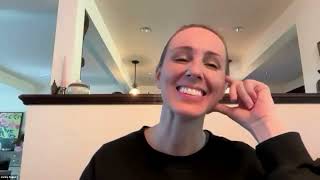
Jackie Kuyper and Candace Powell walk through six keys to getting ready for capital raises, debunking myths like thinking a pitch deck alone will land investors. Capital-raising takes full-time effort, clear storytelling to attract the right people, and a network of advisors who actually help.
Chapters
Hi, welcome to today's Lunch and Learn. Mastering the six keys of Capital Readiness. Full disclosure right out the front. We like that name. We don't love that name. If you've got something better, bonus points. We will change the name of this webinar to the best name that's thrown in the hat. But for now, it's a Lunch and Learn. We're going to be talking about the six keys of capital readiness and kind of all things capital today. You've got me, Jackie Kuyper, and Candace Powell, my co founder. She's going to give a little update on where Tom Powell is our other co founder, and then we're going to launch into talking about some of these keys of capital readiness today.
Yeah. So we just got off the phone with Tom. He is stuck in the crazy world of travel right now. When the government shutdown was announced last week, Tom was able to secure a couple of really great meetings with a few lobbyists and some senators in D.C. because they now have a pretty wide gap in their schedule. So he was able to, you know, hop, skip, and a jump across the country set up some of those meetings. And that was amazing. And now, of course, Twitter traveling home. There's been a few delays, so he's not going to be able to join us today. But he's out there fighting the good fight, being the ultimate founders advocate for two. Actually, there's two different founders that we've worked with for a while that he's out. He's been visiting.
So while he's out, we're going to just spend this time today kind of normalizing some conversations around what it actually takes to raise capital. I don't know that you want to call us myth busters. Maybe you do, but I think it's important to talk about what capital raise actually looks like, because I think there's some mystery or some misunderstanding around it. And that's normal. So let's normalize it. We want to talk about how difficult it is, how difficult it can be, and kind of just validate those of you out there who are starting the process, thinking about starting the process, not sure how to start the process, or you have started it and you've hit some snags, and then kind of talk about how to throw some solutions in there, how to make it easier, how to.
Stop kind of banging your head against a wall. We are the founders advocate and we help founders solve what we've termed the Founders isolation paradox. If you're on right now and you're a founder or an Entrepreneur, you have probably experienced a sleepless night or two thinking like, no one knows the same pressures on these shoulders, right? No one else knows the same paces and pressures and pangs of worry that I face. So we're all here together. We're going to normalize all of that. Candace, between the two of us, we've reviewed hundreds of founder deals and we see some of the same mistakes, right? Like there's variations on a theme. Often it's assumptions that founders go into a capital raise with. Can we talk about some of those, maybe let's call them early, like misunderstandings about raising capital?
I would say one of the biggest misunderstandings and actually we had kind of a refreshing pitch, what, two days ago?
I would say most founders.
Underestimate the level of work that a capital raises. And so they kind of go in underprepared. And when you're not prepared for the level of work, the level of time.
What that process, what that journey looks like, I think when it doesn't go exactly according to plan, that's when we really start to see the founders isolation paradox kick in. People are starting to feel like this, this isn't working out. This is, and really what it is, is capital raise is its own job. If you've decided to embark on this journey and, and take on a capital raise, especially if you've chosen to do it independently, maybe not with a team of advisors, maybe not with some third party groups assisting you along the way.
You'Ve taken on several full time jobs in addition to being a founder. Which is the most important part of that capital raise is you still being in that driver's seat.
We just spoke with a surgeon, a doctor this week who right off the bat he's like, I need to raise money, but I can't raise capital. Like I hold a scalpel, I'm in surgery, I'm in a lot of surgeries. I need a team to do this for me or with me.
It was refreshing to hear him say that because I think oftentimes we don't see a founder having kind of that realistic approach to it. So he really had a very good understanding of what it takes to raise capital. And so I think that's one of the kind of first.
First kind of pieces we need to tackle is getting that kind of realistic hat on. It's totally doable. You hear about it all the time. What you don't hear about a lot of times is the kind of uglier parts of it where it's, it's, it's a Lot of work, you're feeling very alone. You do probably have some level of team around you, but the person carrying the, the bulk of that weight, the person carrying the responsibility is you. And that's something that really kind of in that moment, you're the only one understanding. And that can be really, really difficult.
Well, and I think what can change the tone and feel of that is emotionally feeling like you've got support and structure around what you're doing. And part of, part, part of that is having a sounding board for your story. I think we see a lot of founders that work super hard at their deck and their marketing materials. And they know their story, they know what problem they solve for their clients. But now the problem changes a little bit when they're gonna go out and try to grow and scale, and they need capital to do that. Now you have to look at the problem a little differently. Now the problem is theirs, it's not their clients. Right. Like there's layers. They solve their clients problems, but now who's gonna solve their problem? Their problem is they need first help telling their story. We're all, we're all in our own heads all day and it's really easy. Like we have this story on repeat, right? Like who we are, what we do, why we do it. But you need a sounding board to test that against what your ideal audience wants and needs to hear. Your audience needs to resonate with the problem. You've recognized it, do they? If they don't, that audience is probably not a good place to go raise capital if you're misaligned on what the problem is. So I think it's super important to help each other craft good stories.
I think that goes to what even like a nice build on our webinar last week. So if you weren't on last week, go back and watch last week's webinar because we did have a guest on who really like honed in on that. But I think the bulk piece of that is every successful raise happens in a community, not isolation.
And so it's really about focusing in on that community.
And making sure you have the right community.
Are you, are you able to be vulnerable with that community? I, I see a lot of founders where, I think, especially when I meet founders for the first time, I think there's this idea that they need to have this presence about them selves and you can tell when somebody is hiding something or putting on that front.
That's, that's a very first key piece I pick up on and it makes me Question. What is, what are they hiding? What is, what is going on? What is. And I get it, you may not want to be vulnerable in that, in that situation, but you should be able to be vulnerable with your community, with your advisors, with the people that are helping you through your raise.
I love that. And talking about just normalizing certain aspects of the conversation and normalizing. I love the word vulnerability that you used. We've said a thousand times, we love entrepreneurs that are coachable. We love entrepreneurs that have been bloodied and taken some hits and show resilience and get back up again. That's the good stuff. I think when you're telling your story and everything is rose, this and like the deal couldn't get better, right? Like, of course you want in this. This couldn't get, couldn't get any better for you. That's not, that's not real life. That's not helpful to anyone. So we also get asked a lot. Are you going to introduce me to investors? I think once you do the work of refining your story and really articulating it well and accurately, your ideal audience, your ideal investor avatar kind of like naturally or organically kind of percolates to the surface. Once your story is really clear, you're like, oh, ding, ding, ding, of course this is my ideal investor. And yeah, I do know some of those people in that investor pool or you know someone or we know someone. So it does tend to happen organically once you really focus in on being vulnerable and telling the story, the, the true story.
The true story. And some of that is part of the obstacles, challenges you've overcome or currently overcoming. We.
When we hire somebody even or especially when we make an investment, I typically do ask kind of, I, it's not like I'm some gore phonetic, but I do want to know, when did you absolutely bomb? When did it just blow up so beautifully and fantastically? And I don't want to hear a story of like, oh yeah, it like I, there was a little trip and I, I was the magic solution. That's not what I want to hear. I actually want to hear that it went terrible, terrible. And then you were able to claw your way out because that tells me that you're resilient, that you are somebody who's going to be able to problem solve that. It's going to take a lot more than just a couple of blocks boo boos to take you down.
That's what I want to see in, in the founders that, you know, we work with. It's what I want to See in our team. And so it's, it's really, really an important piece to that founder's journey is what built you. What is, what are the pieces that built you? And I, and I like to know that.
And that's from making some serious mistakes on my own front of investing in people who only had rosy stories, who in their own head were total unicorns. And I'm like, oh. And then the first thing that goes wrong, they cannot handle it.
You're like, oh, you're a horse that just glued a unicorn, glued a shell to your head. That was glue. Like, oh.
Paper clips.
Well, and so we've talked about, yeah, the, the trials and tribulations, the boo boos, the wounds get, you know, fall down, get back up again. I think that it's confusing to align that with what we see on social media. Social media presents this narrative that the societal norm is and should be instant gratification. Make it happen. Make it happen now. Get your pitch deck right and like the money just pours in. There's probably some room to debunk that myth a little bit.
Yeah, I would say for sure.
First of all, I think we've talked about this before on here. If you're putting that much emphasis into your pitch deck and counting on. There's so many websites out there that like, you can set up and I think founders truly believe that the money's just gonna just, oh, my God, I'm gonna have to stop the money from flowing in once I get my amazing pitch loaded. I would, that'd be great. I don't see that happening a lot. That's not often how.
Capital is raised. The pitch deck is important. It's not the most important. We do have a tool on our website that you load your pitch in. We'll review it and we'll give you 10 minutes for free where we'll, we'll review your pitch deck and tell you kind of where we see some opportunities for improvement.
I would say don't, don't shy away from hiding part of your, your story. Getting your story right, getting.
That alignment in there between what your product is, who it helped, the problems it solves.
That's a really important piece that I tend to. It tends to be missing. I get a lot of spreadsheets.
Yeah, no, thank you. No, maybe later in the game. Later in the due diligence room. Yeah, let's have a look. But not in the deck.
I was going to pop the website in the chat and then realized I don't have a chat, so Bear with me while I painfully read out the website www.founders that's plural founders-office.com There's a little button there that says Enhance my Pitch Deck. If you just upload your deck there, give us 24 hours, we are happy. Oh, we got a screen share.
See we have a community looking out for us.
Oh, this is actually.
And give some feedback on it to how you can maximize the use of the deck. And again, it comes back to storytelling. Capital Edge Summit can. Do you want to talk about this?
Yeah. So actually we've got an event coming up in at the end of the month, 28th through the 30th.
So we'll talk more about this. I think, I think we were trying to get the Enhance my Pitch deck live on there. But if you want to go ahead and either take a picture of this or we'll send this out as well. We do kind of more intimate sessions, three day sessions with small group of founders, small group of founder investors. And that's a really key piece to our community. And again, I keep going back to community because that's so important.
This, the space is meant to be where you can be vulnerable with this group of people. You can bring your pitch. Going to work on your pitch, we're going to work on your, on the storytelling and.
What the flow of your capital raise looks like. It may look very different than what you're currently doing and oftentimes it will look different.
This is a group of.
Professionals with different backgrounds in the capital raise business. Right. So we, we all come from different backgrounds. Collectively we've raised between just the three of us over 3 billion or have connected capital or have been a part of a structuring of a deal. And so we have quite a bit of experience to share and so it's a really nice way to get together. Again, very intimate group. You can come kind of take that armor off and be in a space where you can really do the work with, with professionals, with this community, with founders who've had both wild successes and absolutely beautiful failures where they've learned a ton and can be and can share those experiences as well so that you can, you can better position yourself.
And there's. We typically take clients through what we call our four month sprint. It's a 16 week program. We, we teach the six keys of capital and teach you how to implement and work with the six keys of capital. So the guarantee is that you're either funded or ready to bring on capital at the end of those four months if you're not. We'll continue working with you at no charge until you are this the Capital Edge Summit. This event is kind of a condensed truncated version of all of that. So still a ton of value. If you are thinking about getting ready for or are currently raising capital. We've got. You said it was in Lake Tahoe, right Candice?
Yeah, it's a good springboard especially I think for people who are in that process right now. We're really getting close to launching a capital raise. This is a great opportunity. I think it's also a great opportunity for those founders and I'm sure we, I, I am sure somebody on the call today is feeling this right in this moment.
They have launched their capital raise and it has like maybe stalled. Those first couple came in quick and you're just like now I'm, now I'm so close to being able to get what I need to get done and I'm stalled out on my raise and so determining why that is how we get you past that plateau. That's a really key piece of the summit. We do have a couple questions. I meant to say at the beginning, if you guys have questions, please feel free to put them into the chat. It looked like we did have a question about where to find the last webinar. We do post those on our website. Again that's founders.com so you can go to our website and you can find prior episodes. We.
We do post a lot on the, the tube, the YouTube things I.
The tube. For those of you that know.
We will find those. Someone will tell me where those are at. So.
There you go. We also have some great mini.
Mini Soads. I don't know what else to call them but.
Tom does a lot of videos every day so if you're not following him on Instagram, go ahead and give him a follow because that's, that's just some great content sometimes, sometimes just little quick snidbits that you need to know. And I'll get that. It's Dr. Thomas J. Powell that's on Instagram. So Dr. Period Thomas J. Powell all sped spelled out. So.
That'S a great place to get like nice little bite sized pieces of information.
We've got a few other listen to those and think, oh I didn't, I didn't think about that that way. You know it is, it's like, it's like a little quick download that just help you kind of connect the dots on things. Help me, I don't want to speak for others. They help me connect the dots on things.
Yeah, I would. I would agree. And some of that came from us pushing him to get on to social media and actually start posting some of these gems. Instant gratification. Yes. For instant gratification. Yeah, that's a great point. Actually, the instant gratification piece, I think we are seeing that more and more now. I feel like founders now. You said instant gratification. I think founders now because everything's coming so quick. When a capital raise doesn't come quick, it doesn't feel as like we're not built for that anymore. We like things to come two days max. If something ships to me and it's longer than two days, was it even worth it? And I think, like, we've got this world now set up to where.
If things aren't happening as quick as you wanted them to, you really can get thrown into that isolation paradox.
Yeah. This is all managing different mental and emotional expectations. Off the bat, some things, yes, I still want instant gratification for, but is that realistic or if that's what I'm expecting, does that jeopardize me in any way? Just some good questions to ask. We've got another question. I've done a family and friends round, but I don't know how to find outside investors that fit what I'm trying to do. What's the best way to find investors? Great question. A question we get all the time. Again, we would encourage you to work through your story because you realize something is a problem or there's a need, or you want to scale your business, you want to grow, great. That is, you've identified your need. There are pools of people out there that if they can align and recognize your same problem, and it's a problem for them as well, or they can at least nod their head and say, yeah, I don't have this problem, but I recognize it. You are going to boost your chance at having them. Really listen, really consider your investment. Consider you for an investment, especially if you're offering a solution. So the best way to find investors is to get really clear on your story and what you're solving and why it impacts them. There's a great book by Joe Polish called what's in it for Them. We've talked to a lot of founders that say, I want to grow, I want to scale. I want to be doing this much in revenue. I need capital to get there. That's great. What's in it for them? Why would someone else want that? The. The same thing that you want. So aligning motivations, I would Say is the short answer to that.
I think it goes back to one of the things I hear so often, and I think it's kind of like the. I don't want to say it's the wrong question, but whenever we've hosted an event or whenever we've done.
Something, people. One of the first questions founders in the middle of a capital raise will ask me is, are there going to be investors in the room?
Yes, there are investors in the room. But if that, if that's your question, it tells me you're not focused on the right investors. So because that's so generalized, you. You really need to know who it is that you are pitching to. And that's one of the first steps. So I think you're 100% right. Like, we've got to start with your story. We've got to start with your, your why. Why is this. Why is this even important? I liked, I like hearing the background story of why did you even start doing this? What. What was the, what was the driving piece of this? Who does this touch? What problems does this solve? Always starting with those pieces.
We're going to get much closer to the right investors, not just are there going to be investors in the room?
Yeah, if you're building a win win, like I said, like, with the percolation, the right investors, and we're using the terms right and wrong, or we're using the term right, implying that there is a wrong. And we can speak more to that in a second. But if you're structuring a win win, those people, those investors naturally kind of pop to the top with interest, so you won't have to work as hard to find that pool of investors. Let's go back to this. I don't think we've used the word wrong, but we've implied it by saying there's a right investor, right capital. What does that even mean?
Well, I chuckle because I talked to somebody the other day and I asked, like, who's the right investor? And their answer was, everyone. Everyone is the right investor. Anyone with money, they should be throwing money at this deal. I mean, they didn't say it exactly like that, but that was kind of the, the vibe, the. And I was like, oof. We don't have. We're. We're kind of far off from our story on this.
There's all kinds of right and wrong investors. Part of that is, what are you looking to do as the founder? How much? And I think a lot of times founders start off with right and wrong investors by how much of their organization they're willing to give up. And I think that's been kind of more commercialized as we've seen shows like Shark Tank. And they go, I'll give you this, and I'm going to take 15%. And you know, and I think that's kind of where that exploration of right and wrong investors kind of has stopped. For a lot of founders doing a capital raise is they kind of stop it at. The right investor is the person who's going to do the terms that I feel good about.
Sure, of course. Component.
But where are we looking at the right investors or people who resonate with the story that you're telling? They. They resonate with the problem that you're solving.
They have realistic expectations about what the journey is for whatever it is that your organization or product or whatever you're raising capital for is on. I think right investors too, just like founders and. And I would be. I would care about this. Getting investors as well is. Have they been bloodied? Have they had to hold on to an investment for a long time? Did they invest in real estate in 2007 and had to buckle up and ride it through? Or did they panic and want to fire sell everything and force the founder or the person, the developer to. To fire sell when everything crashed.
At bottom prices? And they didn't have the longevity mindset of okay, this happens, but we were in for the long game anyway. Those are all components.
Yeah. Like speed of capital. You want your investor expectations, you want their. The speed of the money or the patience of the money to match what you're trying to do. If you need that money to work for a couple years, you have to have investors that can be patient for a couple of years and want to sit and hold. And that's what they're motivated by. They want to sit and hold, see a project come to fruition, and then they're happy to get, you know, their piece on the back end.
How do they deal with when things don't go right? Just as much as I care about how founders deal with how founders deal with obstacles, global economic challenges, all of those things. It's really important to understand how your. How your investors do as well, because they can really derail a project if they're quick to the panic button when things happen. I mean, it's why we see it in the market all the time. Right. A lot of people sell when the market tanks, and.
That'S probably not your investor.
Yeah, I think that goes for everyone. Entrepreneurs, founders, all of us, like Advisors, it doesn't serve anyone usually. Maybe some caveats, but not so quick to the panic button. I think the strategy, there's a smart speed and pace to everything.
That's why we like a founder investor. Right. A founder investor is somebody who has probably had a couple.
Good exits and probably has been through quite a bit of challenges and obstacles. They've been in the same seat that founders actively raising capital have been in. And that's, I do always appreciate working with founder investors and, and sometimes they're also raising capital for a different project. You know, I love this level of community that founders we've kind of built because it's.
It'S easy to see how they can switch seats and adapt and, and provide guidance and be a part of that community. And so those are some of my favorite investors.
It goes back to understanding the pace and the pressures and it goes back almost to solving the founder's isolation paradox where this founder is surrounded by professionals, surrounded by people, but really feels alone. Right. A founder investor knows that feeling. Okay, let's do one more question. I've been doing this alone. When is the right time to bring in advisors or a CFO?
Big question. There's a lot of options for CFOs, interim CFOs, fractional CFOs, full time CFOs. My answer is always, it depends.
It depends. I think too. I think there's a lot of.
I may be an outlier in our group. I think CFOs are wonderful. But if you have invested heavily into your team and you have really solid bookkeeping, you have a really solid accountant, you've really solid. When I, when I look at your number. So I've got a deal I'm involved in right now.
And this is something as an investor. What a good war story you want to hear from me. This was a, it's kind of a sloppy deal when I did it. Now it's against my personal investment rules. And I was like, it's okay. Can fix them and five years in.
Their deal and no.
Weirdly enough, just like the lottery money doesn't fix bad habits.
It's, it's, the books are kind of still messy, you know, and, and I don't love that. So. And I'm still pushing on that as an investor. And I, I say that because I think it's an important, like it's a lesson I learned. Now it's not going to get fixed because I desperately wanted to get fixed as an investor. So my advice would be have your, have your Stuff tight.
Have every. Have your books clean. If that means that you do need to bring in some additional guidance, then that's probably what you need to do. I'm a big fan of advisors from the get go.
I. Unfortunately, a lot of times what we're working with is clients who maybe should have brought us in.
Six months ago, two years ago, whatever time frame, because they really needed to get kind of structured better personally, financially, the business, the organization. And when they're bringing us in, we're kind of looking at it going like, oh, gosh, your. Your personal liability here is really high. And now we kind of have to untangle this. You know, we're. We're really looking at a mess that we now need to clean up and untangle. Where had we been able to get in in the beginning, we probably could have done some things a little tidier. There's no. It's never too early to bring your community in.
Yeah. And have your community commune. Like, once you've got the professionals, the advisors, the team. Something we coach on so much is delegate to your team, treat them like adults, trust and have them communicate with each other. If you've got a cfo, your CFO should be talking about with your accountant, with legal team, with your. It may not seem intuitive, but marketing actually, because it all comes together at the end of the day to what your business plan is and what your strategy is. And I keep hammering on this word story, but when you are really clear on what you do and why and what the company is doing and why so much alignment happens naturally. And when you're having your community talk and your professionals and your advisors talk to each other, some of those entanglements can get sorted and naturally resolve themselves or they get solved earlier than they otherwise would. When Candace is talking about us having to like unravel things, it's not necessarily because they did or didn't have a CFO or a certain advisor. It's because things start getting fragmented and happening in silos and whether or not that's. And usually it's not intentional. I mean, sometimes it is, and you hope that's not the case, but it's inadvertent. We all get so busy. We get so busy, especially when we're growing and trying to scale and trying to make this something and build something, and you accidentally double book and you miss a call and pretty soon it drifts into. You're not communicating. So my answers get long and rambly. But the short thing is have your people talk.
I think you've Got a great example of that working with a client of ours right now who, it's not that anybody on their team wasn't doing what was best in their silo, but you had to do kind of a herculean effort of getting their, their counsel, getting the banker and getting their CPA and like their book, all of their accounting team on the same, on the same page. And it was kind of a, it was a process but the end result was huge for our client.
And, and the thing is, in their silos they were, if I may be wrong, but I feel like they were independently in their silos being like, no, this can't be done this way. This, this isn't possible, this can't be done. And it really kind of took the collaboration in us bringing the team together, being able to outline it for that team to actually get this pretty significant.
Shift for their situation accomplished. And it, it was great and everybody was acting on the best effort for the, for this founder, but they were siloed.
Yeah. A lot of myths around capital raise. We hope that we have debunked some of them or shed some light on some of them. Today while you've been lunching, we're at 35, 36 minutes. We'll give you your day back. But before we go, can we pop that page back up? Thank you. And again, if you want us to look at your pitch deck, we're happy to do so without charge. Go to founders-office.com and there's a little button there that says enhance my deck. We'll take a look and get you some feedback. And, and then this QR code right here, take a snap of that. This is for the Capital Edge Summit. Again, this is our three day event in Lake Tahoe the end of this month, October 28th through 30th. And this is going to be jam packed content on mastering the six keys of capital, getting capital ready no matter what stage you're at. Again, if you're thinking about it, getting ready for it, or you've already started and have kind of stalled out. This event is for founders and founder investors who are navigating all of that. We're gonna come assemble the groups and be pretty intimate and we are going to navigate all of that together. So thank you so much for joining us today. If you missed parts of this or want to go, go and watch past episodes, we've got the replay. I think we can do some sort of assemblage of all of these notes and where to get more info and the websites and everything in, like, a post show email. So let's plan on putting that together and blasting that out and then join us next week on Wednesday again for another lunch and learn. Unless someone gives us a better name.
We are. Yeah, we are. In fact, if whoever gives us a better name for lunch and learn, I will buy them an extra dessert in Tahoe or something like.
I'm motivated by extra.
Oh, I know you're gonna come up, you're gonna have your, like, chat telling you all the cool names for this, that I buy you a dessert. I'll buy you a dessert.
This is why it's so important to know what motivates your audience.
I mean, lunch sometimes motivates me, but dessert? That's true. I knew. I knew dessert would be the hook for you. Yeah.
Thank you, everyone, for joining us today. Please join. Next week. We'll cover more topics, dive deeper into all things capital raise. If you've got other folks and founders who are navigating these same challenges, invite them. We're building a strong community here of people that know these same, same pressures.
And if you're an advisor to a founder who's currently in this where we are here to help, and we are here to be part of your team and your efforts to help your founder, I think that's a lot of times where we get people from is from one of their trusted advisors.
Yep. Founders, you're not alone. You're not alone. Okay. Thank you so much for joining. Bye. Bye.
More from Dr.

The Business You Built May Not Be the Business You Own | Founder’s Office™ Lunch & Learn



Your Business Isn't Worth What You Think It Is | Founder’s Office™ Lunch & Learn


Complexity Is Quietly Destroying Enterprise Value | Founder’s Office™ Lunch & Learn


Simplifying The Complexity of IP | With Tony D'Angelo | Founder’s Office™ Lunch & Learn


