Artificial sweeteners for weight loss || Sugar cravings how to stop them
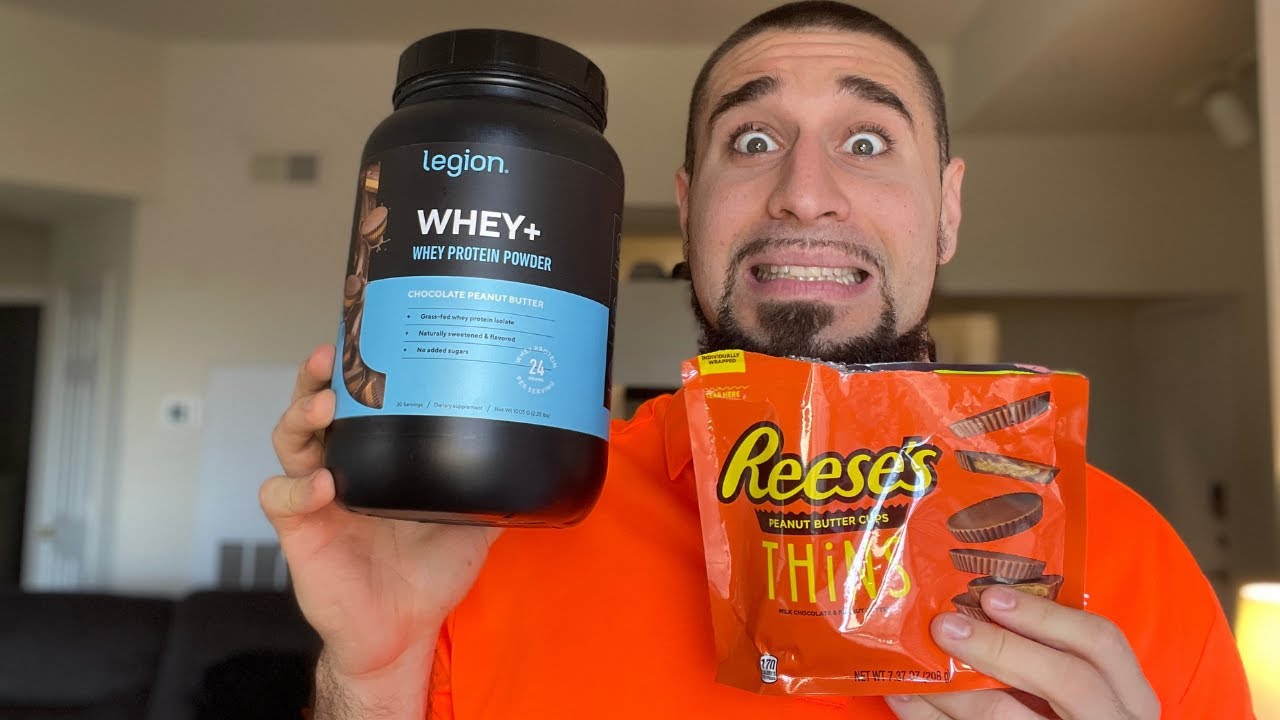
In this 20‑minute YouTube monologue, fitness coach Eric Roberts covers four distinct but related topics for people looking to improve body composition and performance. He begins by arguing that dietary fiber is the most underrated nutrition factor, explaining the difference between soluble and insoluble fiber, how fiber affects calories, recommended daily amounts (15‑20 g for beginners, up to 30‑35 g for seasoned eaters), and lists high‑fiber foods (raspberries, chia seeds, kiwi, apples with skin, high‑fiber cereal, oats, almonds, bananas, high‑fiber bread). He stresses that fiber must be paired with adequate water to avoid constipation. Next, Roberts tackles sweet‑craving management, emphasizing that sufficient protein (≈25‑30 g within two hours of waking) and fiber (5‑10 g) early in the day dramatically reduce cravings. He offers timing strategies, the “out‑of‑sight, out‑of‑mind” vs. “moderation” approaches, and suggests adjusting the home food environment. The third segment delivers “underrated squat tips”: a slight hip‑hinge before descending, using a modestly wider stance with toes pointed out to improve hip external rotation, bracing the lats (shoulder‑ear space, “squeezing a tennis ball” cue), and controlling the eccentric phase (1‑3 seconds) to protect joints and increase strength. Finally, Roberts shares his pragmatic view on artificial sweeteners and zero‑calorie drinks. He acknowledges they are not inherently healthy but can be useful tools for creating a calorie deficit, citing examples where switching from regular to diet soda contributed to 300‑500 calories saved daily and substantial weight loss. He warns against excessive consumption (e.g., six diet sodas a day) and notes individual digestive tolerance differences, concluding that moderation is key. Throughout, he mixes personal anecdotes, client stories, and a no‑argument stance toward critics, ending with a call for comments, likes, and subscriptions.
Chapters
YouTube, what's going on? Welcome back to the channel. Welcome to the video. In this video today, you and I are just going to be shooting the breeze, talking about some main fitness topics that I want to cover with you today. I was trying to like debate on what I actually wanted to talk about in this video, and I was like, why do I gotta pick one? Why don't I just do 4? So today you're gonna get a 4-for-1, and we're going to talk about 4 main things in the fitness space. The first one being, in my opinion, probably the most underrated and under-talked-about thing when it comes to your nutrition that most people just aren't even looking at. Number 2, we're then going to talk about how I personally recommend you handling, dealing with, controlling your sweet cravings. So that'll be a fun one. Number 3, I want to give you some Again, underrated and under-talked-about squat tips that I think can really help you improve your form, prevent injury, lift heavier weight, and be stronger overall. And then number 4, everybody's favorite, we're going to be talking about my personal opinion, my 2 cents, my thoughts on artificial sweeteners, zero-calorie drinks, things of that nature. So stay tuned, it's going to be a good one. And if you have not already, be sure to subscribe to the channel. A lot of you watch and don't subscribe. Please, Subscribe to the channel right now. First and foremost, what is the most underrated nutrition tip that I am talking about here? You might think it could be like protein or something, or like calorie deficit or something like that. And it has to do with protein, but it doesn't because protein, I think, is the main macronutrient that I think most people focus on, talk about. You hear content about this, that, and the other. And by the way, Rightfully so, because protein is very important. But there is another thing to come along with that that I believe is very important as well, and that is going to be fiber. You hear so much talk about protein, you don't nearly hear half the amount of talk about your daily fiber intake. And so let's cover why I believe fiber is really underrated. Just the simple benefits that fiber is going to bring to you on a day-to-day basis is, you know, sustained energy throughout the day. A lot of people get that like up and down, up and down midday crash, whatever it is, because they're eating foods that don't necessarily have that sustained energy component in their meals. Fiber is a great way because it's very slow digesting. It's going to be a great way to allow yourself to have sustained energy throughout the day. Number 2, it's also going to keep you very full. Again, since it is very slow digesting, it is going to allow yourself to be more full throughout the day. So you'll be more full and you'll have more energy. What does that also usually help with? That also usually helps with, number 1, either losing weight or maintaining your weight. Because if you're trying to lose weight and be in a calorie deficit, you're probably not going to want to be stuck Starving all day long because what is that going to then lead you to do? It's going to lead you to overeat, not be consistent with your calories, and then end up overeating, not being in a calorie deficit, not losing weight. If you're looking to maintain your weight, same similar concept. You don't want to be just like, you know, over time eating in a calorie surplus because you're never full. You know, you're only eating carbohydrates that, you know, don't have any fiber and just high sugar, this, that, and the other. So fiber is going to be massively important and helpful for that. And then there is some like cholesterol benefits and, you know, heart health benefits and things of that nature. I'm not a doctor, so I'm not gonna sit here and like give you doctor stuff, but it does help just if you wanna think of it as a healthy food, you know, all— and we'll talk about some of the, my favorite high fiber foods, but it is really a really healthy food. Now there are gonna be 2 main forms of fiber. There are going to be insoluble fiber and then soluble. And a couple things here. Insoluble fiber is actually going to be zero calories because it literally does nothing in your system besides just like clean you out. That's why a lot of those, like, um, a lot of those fiber supplements will have a lot of insoluble fiber and it might be like 30 grams of fiber but like 10 calories or something like that because it literally just like Goes in and goes out. That's literally all it does. Um, so that's insoluble fiber. And then soluble fiber is the other one that's more found in like, you know, your foods and, and your fruits. And again, we'll talk about some of the foods that have fiber in them, but that's the other kind of fiber. That is going to be 2 calories per 1 gram of fiber. This is important because I get this question asked a lot where like, if you're counting calories, counting macros, you might be like, Eric, why is my carb macro over but my calories are in check. That would be why, because technically a carbohydrate, 1 gram of carb is 4 calories. Fiber is a carb, but again, for every 1 gram of soluble fiber, it's— yeah, soluble fiber is 2 calories, and then for every 1 gram of insoluble fiber, it's actually 0 calories. And so that's why you also hear people talk about like net carbs, that kind of stuff. That's what they're referring to, like whether it's fiber or not fiber-based. And so that is the 2 main forms of fiber. In terms of getting fiber, how much should you get? I think a really good place to start for most people, if you're not already getting it, is trying to get around 15 to 20 grams of fiber per day. If you're already getting that, maybe even potentially going up to somewhere around 30 to potentially 35 grams of fiber per day. And now again, I suggest you getting that through real whole foods. It's the same way I think about— and it's funny because people, they'll understand this where I'm like, hey, you know, you don't need to drink a greens powder. Like, you know, eat your vegetables. And everyone's like, oh yeah, yeah, yeah. And then when I talk about fiber, they're like, oh yeah, I take a fiber supplement. I'm like, no, eat your food. Eat foods that have high fiber in them. Um, and this is for various reasons because there's more vitamins, minerals, nutrients that come along with You eating real food. And the second part to that is if you're only doing— so, because a lot of these supplements will be very high in like insoluble fiber and you're like, oh yeah, like it makes me poop. And that's like, you know, another benefit I think most people know, but I'll just say it really quickly. It does help with your digestive health, but we're going to touch on that in a quick second here. That's why I was kind of leaving it. But they'll take those supplements and you'll poop and feel better, but it's just insoluble fiber. So yeah, it cleans your— Gut. Fucking butthole out. But like, it doesn't give you the fullness benefit. It doesn't give you the energy benefit because again, it does nothing in your system besides just clean you out. And so you're kind of missing on all of the benefits that fiber would actually give to you if you're not actually getting it from real food. So I'm very big on please make sure you try to get it as much as humanly possible from real food. My favorite high fiber foods are going to be List right here. So number one, we got raspberries. Number two, we got chia seeds. Number three, we got kiwi. Number four, we got apples with the skin because that's what actually has the fiber. Number five, we have high fiber cereal. Again, I would just double check if it's soluble or insoluble fiber. Number six, we got oats. Seven, almonds. Eight, bananas. And then number nine, high fiber bread. I like that a lot actually for a little like You know, just very quick, very easy if you're like, you know, on the go, on the rush, whatever the case may be. You know, you can just quickly make like a high fiber, like protein-packed sandwich because whether it's like lunch meat or, you know, tuna melt or whatever it is, like you can have both high fiber and high protein with that, which I think is really, really good. Like me personally, every single day I'm doing raspberries, chia seeds, and oats. Either I'll do it like if I make my oats, I'll just put raspberries and chia seeds in after I make my oats, or I'll just make like a protein shake as well, which I'll make this big shake where it has protein powder, Greek yogurt, chia seeds, oats inside. I'll throw in some— again, I'll throw in raspberries or bananas and stuff like that. So I'll make a big shake and like from that right there, like makes me hit my fiber goal for the day. So it doesn't have to be super complicated. You don't have to like, you know, overly freak out about it. And the last thing I will say on fiber is going to be please just make sure you drink water with it because If fiber has nothing to bind to, which is water, if it has nothing to bind to, you are going to— it's not gonna help with your digestion. You're actually gonna have very shitty digestion. Well, I guess that would be— you're gonna have very bad digestion. You're not— you're gonna be constipated. You won't feel really good. So just make sure to drink enough water. What is enough water, Eric? Well, you're gonna know if you're able to use the restroom or not. So just like go off of that. If you're able to use the restroom, you're drinking enough. If not, then you gotta drink some more water. So Fiber right there. Now let's dive into how to handle sweet cravings. We'll kind of switch gears here really quickly. And the first thing I will say about sweet cravings is there is no one right answer, so to speak. But the first 2 things I will say about sweet cravings are, number one, these 2 kind of go hand in hand, but we just talked about fiber. If you are hitting your fiber goal and you're hitting your protein goal for the day, I promise you, you are going to have way less intense and way less frequent sweet cravings. I know some of you out there, you're like, oh no, I just love sweets. Who the fuck doesn't love sweets? We all understand we love sweets, but this is something a lot of people will ask me. They're like, Eric, what's your favorite cheat meal? Eric, what, you know, what's your favorite dessert? This, that, and the other. And you know, I like dessert just as much as the next person, but to be honest with you, I don't ever crave those things because I'm just knocking my protein out of the park per day and I'm knocking my fiber out of the park per day. And so if you're somebody who has very intense sweet cravings, It's usually because you're not eating enough fiber and you're not eating enough protein. Like eating 50 grams of protein per day, yes, of course you're gonna have sweet cravings. Eating 3 grams of fiber per day, yes, of course you're gonna have sweet cravings. And so if you can just work on adding in more protein and adding in more fiber— notice how I didn't say take away sweets. I didn't say that, right? I said add in more protein. Add in more fiber, add in more water with the fiber. You do those 3 things on a consistent basis, for real, for real, trust me, your sweet cravings are gonna— I don't wanna say disappear, but they are massively gonna get less. And so that bleeds right into the next point, which is also doing those 2 things, I guess 3 things, fiber, water, protein, doing those 3 things much earlier In the day, because a lot of people will get— you'll get to like that lunchtime, get to that 3, 4 PM, get to that 7, 8, 9 PM, and like that's when your cravings kick in, right? Well, yeah, if you get to noon and you've had 10 grams of protein for the day, or if you get to 3, 4 PM and you've had 20 grams of protein and 2 grams of fiber, yeah, of course you're gonna have these cravings. But if you can get more protein and more fiber fiber earlier in your day to start your day off, it is going to massively help you with your sweet cravings. That's why I normally tell people, by like within 1 to 2 hours of waking up, I strongly suggest you have 25 to 30 grams of protein. And if you can, 5 to 10 grams of fiber as well. And if you can, 1 glass of water. I know it sounds like a lot, but if you can find a way to— that could be in a protein shake, by the way. I talked earlier about the way I make my protein shakes, but if you can find a way to get that done and then on top of that, by the time like 2:00 to 3:00 PM rolls around, if you can have at least half of your fiber goal, half of your protein goal, and half of your calorie goal, man, you're putting yourself in a very good position to not have nearly as intense of sweet cravings. Now beyond that, I'm going to throw 2 more things at you because like I said, there's no real one right way to answer this. The first thing is going to be some people do better with like the out of sight, out of mind. So like don't keep buying it, don't keep having it in your house, don't just keep having high quantities of it, don't buy full bags of it, don't buy full things of donuts, buy one donut. You know, if you're gonna have some sort of ice cream, save it for, you know, if you're out to eat with your family or whatever it is. Don't just keep the ice cream in your house 24/7. Don't keep it on your kitchen counter. Put it in You know, the cabinet, pantry, whatever. Out of sight, out of mind. And there is merit to being like, you know what, like, if you're somebody who does really struggle with this, like, it's okay for brief periods of time to just like not have those foods, right? And there is a lot of people that I've coached who have done really well with that. So that's, I think, option number 1. Option number 2 is kind of the opposite, which is like, if you're somebody who continues to find yourself over-restricting from these foods where like you're labeling them as bad, you're like not allowing yourself to have them, and like it's backfiring because you're binging on them, eating so much, so on and so forth, then you might be better off not over-restricting, not labeling them bad, not telling yourself you can't have it, and just having it in more moderation. Because what's probably happening if that's you, you're telling yourself no, no, no, no, no, and then when you finally have it, there's no way you're gonna have it in moderation. So you have all of it and then you know you're going to go back to not being allowed to have it. So you just keep going even though you've already had it all because you know you're going to go back to not allowing yourself to have it. So it depends on where you currently are in your journey. I would take those 2 things and, you know, take it for what it's worth and decide which one you think might work better for you. Now for the 3rd part of this video, we're going to be talking about some underrated squat tips. I'm going to put a video right here of me just kind of running through some squats. And the first part I want to talk about is do you notice how when I start my my movement. If you notice my hips, it's almost like I slightly push my hips back. It's like slight pushback and then drop down, right? I almost think of it like a cliff, almost so to speak, where it's like if you go off the cliff, it's just like one straight line down. I want you to really think about hinging back, pushing back ever so slightly with your hips first, and then dropping straight down into that squat. And the reason, you know, this is because if you just go straight down, you're going to fuck up your knees. You're going to put a lot of pressure on your knees and your spine's not going to be neutral and you're going to, you know, it's going to be bad. But on the flip side, if you hinge back and go too far back and just keep going, what's going to end up happening is as you get to the bottom, you're probably going to end up rounding your lower back at the bottom and putting some pressure on your lower back, and you might just not be able to get as low. In your squat. And so really think about almost kind of like karate chopping your hips back and then dropping down. And then in conjunction with this, if you find that your torso is leaning forward a tad bit, that's going to be okay. Your torso can slightly lean forward in your squat. You don't have to like keep your chest up, which is going to arch your lower back. You can have a slight lean forward in your squat. Now the second underrated tip is going to be your feet width. And I, to me, for me personally, this makes a massive difference for me. I know it usually really does help with people who have longer legs, but even, even if you don't have longer legs, this can also usually help you as well. And it might just be taking a slightly wider feet width apart. So you can see in this video, kind of my feet are outside of my hip width and my toes are slightly pointed out. What this is going to allow is when you go down into your squat, you need to create something called hip external rotation. When you can get a little bit of a wider stance and then slightly point the toes out, usually speaking, you can create more hip external rotation, which is going to allow you to get lower in the squat without compromising your form either at your knees or your lower back. Because if your hip Doesn't have enough range of motion, it's either going to compromise at the next joint up, which is going to be your, your lower back, or it's going to be the next joint down, which is your knee. This is why a lot of times back pain or knee pain doesn't actually come from back pain or knee. It comes from your hips, because if your hips aren't doing what they should be doing, something above or below is going to compensate. So maybe trying out a slightly wider stance with your toes slightly pointed out. The next tip is going to be something called bracing your lats. And what I'm going to do is I'm going to put here a video myself and my assistant coach Linda did. This is a video we actually put inside of our clubhouse, but if you're still watching this right now, you probably actually give a fuck about increasing your squat. And so I will link that video here. You can give it a watch if you'd like to. But when you brace your lats, it's essentially you're trying to push, like create space Between your shoulder and your ear. You're trying to push your shoulders down into your back pocket and you're trying to close almost like think about squeezing. I don't have my tennis ball with me, but squeezing a tennis ball between your armpits. That's how you're kind of like bracing your lats. And what this is really going to do is number 1, help with your lower back pain because if you're not bracing your lats, again, the next joint below is going to do the work, your lower back. And then number 2, it's actually going to help you be stronger in your movements because when you're bracing your lats, your lats are a part of your core musculature. Excuse me. And so when you can brace your core better, which is bracing your lats, you're going to be able to be stronger in your movements. And again, it's, it's super underrated for getting stronger, less lower back pain, and just keeping proper form. A lot of people mess up their form either because they tip Too far forward or their hips rise up out of a squat because they're not bracing their lats properly. And so if you can learn how to brace your lats properly, again, I'll put a video here in the, in this video that you can kind of check out if you'd like to after this one. But it's a really important tip. Number 4 is going to be simply just controlling the way down. A lot of people, when you're doing squats, you're just, you just kind of like drop to the bottom and then kind of like use that momentum. This is where a lot of injuries occur because when you're moving from the concentric— I'm sorry, from the eccentric to the concentric, so on the way down and then on the way up, if you are going to like use momentum to transfer those 2 things, that's where a lot of injuries occur on any movement, whether it's a squat, deadlift, bench press, shoulder press, chin-up, whatever it is. That's where a lot of injuries occur. And so if you can just slowly lower yourself down into that bottom position and then be able to explode out of that, you're putting a lot less pressure on your joints— knees, hips, lower back, all that kind of stuff. You're putting pressure— less pressure on that, and you're just going to control the movement better, which is, I have found, going to allow you to keep better form and actually lift more weight because you can actually control the weight you're lifting as opposed to the weight controlling you. So on the way down, be sure to control Control that. I like to say going for anywhere from 1 to 3 seconds on the way down. Alrighty, and our last topic for the day is going to be artificial sweeteners. And here's what I'll say, people get so worked up over this. Personally, I'm not interested in arguing with you in the comments, and so if you'd like to argue, you should probably just pick somebody else's video because I just, I won't do it. And I'm just gonna give you my opinion on this. And so, when it comes to artificial sweeteners, do I think they're inherently healthy? I don't know that I would necessarily say they're inherently healthy, but I think people miss the bigger picture. And here's what I mean. Let's say you're going from regular Coke to Diet Coke, all right? I have seen people go from regular Coke to Diet Coke, along with some other changes in their life, but going from that one thing, Saved them 300 to 500 calories per day, which then allowed them to lose 70 pounds, which then allowed them to massively improve their health. Better blood pressure, better cholesterol, you know, less chance of diabetes, all these things, less chance of heart issues, all these things because they lost 70 pounds. When people argue about artificial sweeteners, they're missing the forest for the trees a lot of times. Because yes, maybe a Diet Coke— like, you'd be better off drinking water— but like, if it's saving you 500 calories a day, which is going to put you in a calorie deficit, which is going to allow you to lose, you know, 70 pounds of body fat over time and massively improve your health, then you could argue it's technically a good thing, a healthy thing, because you are going to be healthier Losing 70 pounds. I do not care if you're drinking artificial sweeteners or not. You are going to be healthier losing 70 pounds. Or you know again, if you're having some sort of I don't know a protein bar, for example, that has some artificial sweeteners in it, and you're eating a protein bar instead of eating four Pop-Tarts, which again, if anybody's actually coached real people, this is the thing I don't understand too. People who have never coached any real people ever in their fucking life are telling people what to do and what not to do about artificial. You don't understand. People are going from a place of eating 4 fucking Pop-Tarts as a snack as opposed to a protein bar. The 4 Pop-Tarts are 800 calories. The protein bar is 250 calories and it gives them 20 grams of protein, which helps keep them more full throughout the day. They feel like they're doing healthier things, which is going to lead to more change in their life, and you're giving them shit for eating artificial sweeteners. You're a fucking idiot. And that's again missing the forest for the trees. So They can absolutely be helpful in your journey, especially if you're somebody who is, you know, you have 40, 50, 60, 70, 80 pounds to lose. They can be very beneficial. And you know what? Even if you don't have 40, 50, 60, 70 pounds to lose and you have some artificial sweeteners and some Diet Cokes and this, that, and the other throughout the day, is it going to fucking kill you? No. Should you have 6 Diet Cokes a day? Like, again, I'm going to play both sides. Like, I had a client one time, she was drinking 6 Diet Cokes a day. Yes, she was losing weight, but I was like, yo, Cheryl, probably stop fucking drinking so much. 6 diet sodas per day. Like, can we do 1 to 2 maybe? Right? So I'm not naive to the fact that, yeah, you don't want to just have a ton of artificial sweeteners in your, in your daily diet, but you know, a Diet Coke a day or a Gatorade Zero a day or a couple of artificial sweeteners throughout the week, is it going to end up fucking killing you? No, especially if you're actually getting healthier, improving your blood pressure, improving cholesterol, improving your heart health, you know, getting stronger, building muscle, dropping weight, being active. Like, it's okay, I promise you. And the best people that I just— I loved— again, I don't argue with people, but the best people I see doing this are like the people who like are gonna yell about artificial sweeteners, and then like on the weekends, Friday, Saturday, and Sunday, every single weekend, they go and have 5 drinks. So I'm just like, wow, that's just very interesting to me. That's all I'm going to say. And so, um, yeah, I don't want to necessarily say they're quote unquote healthy, but are they as bad as I think most people make them out to be? No, I do not think that. The thing I will say about them though is if you do do them in high quantity, number one, obviously that's just going to be unhealthy. And number two, there can be some digestive health issues that come along with that. It depends. I've just seen it depends on person to person. I can do a few, like if I do like a Powerade— actually, this is a great example. If I do a Powerade Zero, I'm fine. If I do a Gatorade Zero, I'm not fine. And nothing against like Gatorade, but my stomach, my digestive system does not like Gatorade Zero. Powerade Zero, totally cool, but Gatorade— so there might be some things like that that kind of pop along with it. Or again, I've just seen people who like have very high amounts. They're having Diet Coke, they're having like certain foods, certain breads, certain desserts. This is a big one too. People will throw a lot of high artificial sweetener desserts. Then people eat these things all day long, gum for example. People eat these things all day long and they get very bloated. It's a bad, like stomach hurt bloating. This could potentially be why. If that's happening to you, maybe go ahead and check that out. Like I said, I see I can see both sides of the argument here, but for the most part, just like everything else in life, is going to be moderation. Moderation is going to be the key to most things in life. So that's my opinion on artificial sweeteners, and that's the video, guys. Hope you enjoyed it. By the way, if you did like this format of this video, please feel free to let me know. I'm always trying new things and seeing what you guys like and don't like and so on and so forth. So drop it below in the comment section. If you did, uh, like the video, uh, feel free to give me some comments, feedback, whatever the case may be. Feel free to give the video a thumbs up and again, subscribe if you do not already. So other than that, thank you so much for watching and I hope you have a great day.










