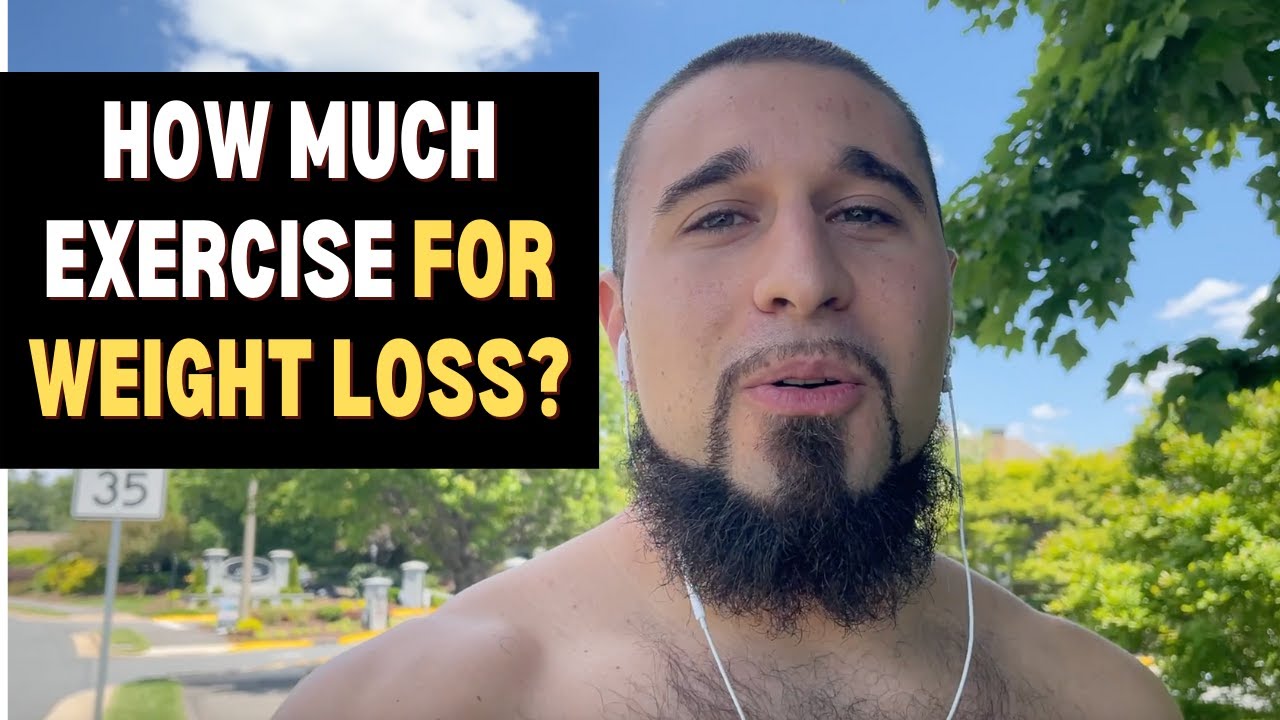
In this episode of Walk and Talk with E, Eric Roberts explains why doing more exercise does not automatically lead to better results and can actually be counterproductive. He shares his personal experience of training 7 days a week for 2‑3 hours per session, which led to burnout, injuries, and diminished motivation. Roberts emphasizes that progress depends on a balance between training stress and recovery, noting that workouts constitute only about half of the equation. He discusses how chronic over‑training raises hunger, cravings, and reduces willpower, making nutrition harder to maintain. To address these issues, he recommends a sustainable routine of 3‑5 workouts per week, each lasting 30‑90 minutes, focusing on intensity and quality rather than sheer volume. The core message is that consistency and high‑quality effort produce lasting results, whereas excessive, unsustainable training leads to short‑term gains followed by burnout and regression.
Chapters
What is going on, guys? Welcome back to another episode of Walk and Talk with E. It's very nice outside. I'm glad you decided to join me for my walk today. Hopefully you're getting outside for a walk as well. I'm really glad I decided to do this during the— it's going into summer. I think it's still spring technically, but it's going into summer. It's like 85 degrees out right now, so it's nice. But today's Walk and Talk, we're going to be talking about why More is not always better, especially when it comes to exercise. Had to look both ways so I make sure I didn't get hit. But why more is not always better when it comes to exercise. And listen, I fell into this trap early in my career of working out, weight training. Probably I'd say when I was about, I don't know, 16, 17, 18, I was literally working out 7 days a week. I was literally training for 2 to 3 hours each day, and I thought that if I could just do more workouts, do more exercises, do more reps, work out more days, work out longer, that I would get quicker results. I would get faster results. I would get better results. Because clearly, you know, I understand why you think that. In theory, if you do more, Normally, you're going to see more results. Unfortunately for you and me and everyone else out there, that's not always the case. And so the reason behind this talk is I understand where you're coming from, but it's going to backfire every single time. And here's why. What's going to happen is you're going to work out for, you know, 7 days a week. You're gonna work out for 2 hours a day. And one of a few things is probably gonna happen. Number one, you're just gonna get burnt out. And I was. And I, I, again, I'm speaking from experience. I definitely was burnt out. I was, you know, I was going to the gym and I was doing the workouts because, you know, hashtag no days off and grind season and all that fun stuff. But the workouts sucked. Like, and I, I knew they weren't, they weren't quality work. I wasn't doing, you know, I wasn't pushing myself. I wasn't getting stronger. I wasn't, I wasn't even enjoying it anymore to an extent because I was so burnt out 24/7. And so that's not going to produce results. That's not going to— that's not going to lead you to where you want to be. If you're so constantly fatigued and you're so constantly burnt out from your training, you can't get results. And again, when it comes to changing your body, one of the biggest things is, especially when it comes to weight training and working out, changing your body comes from a Stress adaptation response. So when you put a stress on your body, your body responds to that and adapts to it. If you're not putting a stress great enough on your body, then it's not going to respond. On the flip side as well, if you're not recovering from that stress, then you're just putting more stress, more stress, more stress, and you're never recovering, never recovering, never recovering. So you're never going to see change because people often forget that The workouts are only 50% of the equation. The recovery is the other 50% of the equation. And oftentimes we forget that because again, you want to see results faster. You want to see more results. You want to do more, do more, do more. And I love that. I love that you want to work hard, but you have to balance the recovery aspect because what's going to happen is number one, you're begging for an injury, which I can tell you a lot of my injuries piled up back then when I was training 6, 7 days a week for 2, 3 hours a day because your body just can't recover. And if you get injured, you can't work out for 4 to 8 weeks. Well, great, I'm so glad you worked out 7 days a week, but now you can't work out at all for 8 weeks. So how do you think your progress is going to do then? So that's number one. More so, number two, when it comes to changing your body, so on and so forth, when it comes to this, that actually plays a role in nutrition, which I don't think a lot of people talk about. Because when you're always so Fatigued, you're always so exhausted, you're always so run down from your training, your cravings are going to go up, your hunger is going to go up, you know, your willpower is going to go down. Because if you are training, you know, 2 hours a day, 7 days a week, or even, you know, I'll say this, even if you're training 5, 6 days a week, but you're a mom of 3 kids and and you, you know, you work full-time and you have the kids' sports games, you have your, you know, you try to have a social life and all these other things that are, you know, causing more stress than just like the workouts. 'Cause it's not just about the workout stress, it's all the stress in your life. And so if you have other things going on, like myself with my clients, I only have a few people right now that are training more than 4 days a week. And honestly, 4 days a week is a lot. It's a lot of, it's a lot of workouts. And so, you know, you have to take into consideration all these other things that when you boil it back down to nutrition and from a nutrition standpoint, you're going to make it that much harder to stick to your diet because you're over-exercising, you're over-fatiguing, and you're under-recovering. Which, listen, for a short period of time, like, that might be okay because your body will change. But if you do it constantly nonstop, That's when your body does not change, 'cause again, you're under-recovering. So your body's gonna be more hungry, you're gonna have more cravings, you're gonna have less willpower 'cause you're always so fatigued and so exhausted when you try to practice that willpower on your diet, you can't do it 'cause you're constantly fatigued, you're constantly exhausted. So what do you do about this? Honestly, I'm gonna tell you what's worked best for myself and all my online coaching clients. Workout 3 to 5 days a week max. 3 to 5 days. 3 to 5 days a week for, you know, maybe anywhere from 45 minutes to 90 minutes max. 90 minutes. And honestly, I'd worry much less about, you know, how long you're working out and all these other like metrics that aren't really— I mean, you know, they aren't really dependent on the most important thing, which is again your effort and your intensity. In the quality of your workouts. I don't care if you're in the gym for 90 minutes. If your quality sucks, you're not going to see results. I'd much rather you be in the gym for 45 minutes, or hell, even 30 minutes, but the quality of your workouts are top-notch. Like, they're through the roof. You're pushing very hard. You're able to recover from your workouts. You're getting proper nutrition. Like, all these things are happening, happening, happening. That would make you see better results than just working out 7 days a week, 2 hours a day, so on and so forth. Because it's not the quantity that you're doing, it's the quality. Quality over quantity. And the fact that you're putting, you're putting forth so much quantity, the quality diminishes. So the quality diminishes, You're not gonna see progress from that. So less, you know, start thinking a bit less about how much you're doing and how fast you can see results and all these other things. I'm going up a hill, not even really a hill, but still. Start thinking less about how much you're doing. Start thinking about what is the quality of work you're doing? Are you really putting forth your best effort? Or are you just afraid to not work out and not do these things because you're afraid to lose your progress? That's a real thing. Again, I struggle with it myself. I thought if I was only, only, only working out 4 or 5 days a week, I was gonna lose all my progress. You know, all of my gains were gonna be gone. I was gonna get fat. Like, and it's a real thing, I understand. But I'm here to tell you it's not the case because More is not better. Better is better. I think oftentimes we forget that because once again, like, you think, oh, more, more, more, quicker, quicker, quicker, better results, more, more workouts, more calorie restriction, more strict in your diet, all, you know, all these things, more, more, more. But what you have to remember is you can't sustain that. So if you can't sustain that, You're gonna do it for a week or 2 weeks, man, you're gonna burn out. I'm going under a tree here, so forgive me. You're gonna do it for a week or 2 weeks, you're gonna burn out and not do it anymore. So that's great, you did it for 2 weeks, but you and I both know 2 weeks isn't gonna change your life. 2 weeks isn't the rest of your life. 2 weeks isn't going to even get you that much results. And I don't care if it's 2 weeks or a month, or I don't care what it is. The point being, find something That is more sustainable. And you'll see not only better results in the short term, but also be able to maintain those results in the long term. Because working out 3 to 4 days a week for, you know, 30 to 75 minutes, it's pretty damn sustainable. And if you do that over and over and over and over, week, week, week, week, that's how you see progress. Because Consistency breeds results, not perfection, not doing the most. Consistency breeds results over anything else. So guys, that was the Walk and Talk with E today. Hope you enjoyed it. If you did, please feel free to leave a comment below. Let me know you listened to it. And yeah, hope you got out for a walk today. I appreciate you. And listen again, better— more is not better. Better is better. So find out what better looks like for you and do that. It's not always more. All right.