How to not ruin your diet over the weekend I How to stick to your diet over the weekend
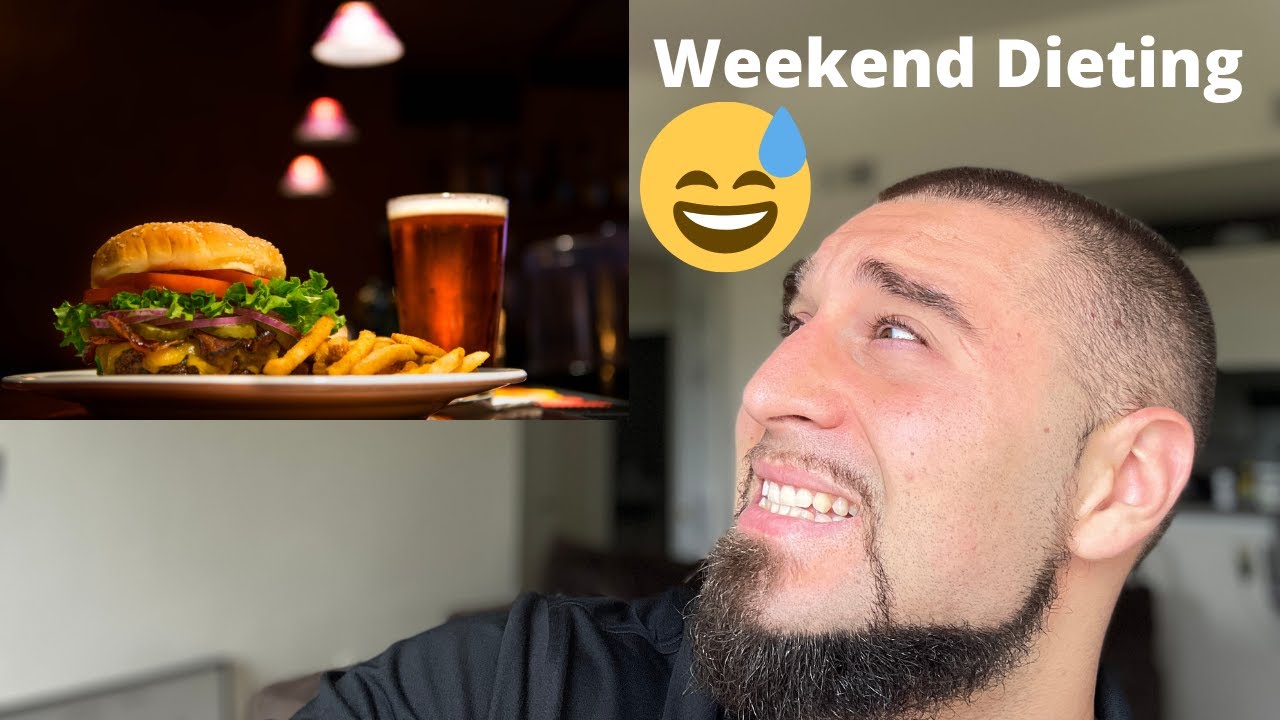
In this instructional video, Eric Roberts addresses the common problem of losing diet progress on weekends and offers a structured, actionable plan to maintain a calorie deficit throughout the week. He emphasizes the necessity of having a concrete weekend plan, then walks viewers through six‑plus specific tactics: (1) start each day with a high‑protein breakfast (≈30 g protein within 30–60 minutes of waking) that includes fruit or vegetables; (2) keep protein and vegetables as the core of every snack and meal to stay satiated and keep calories low; (3) use modest calorie‑cycling—slightly lower intake on weekdays (e.g., 200 kcal below target) and a modest increase on weekend days—while adhering to an 80/20 nutrient‑dense rule; (4) apply the “one‑plate rule” when eating out (½ plate veg, ¼ protein, ¼ carbs) and limit alcohol to 1‑3 drinks on a maximum of two occasions per week; (5) pre‑track daily calories and meals to stay accountable; and (6) schedule short 10‑15 minute walks each day to boost movement, mental clarity, and mindful decision‑making. The video concludes with typical YouTube calls‑to‑action. The overall message is supportive and practical: with planning and these simple habits, weekend diet failures can be avoided.
Chapters
YouTube, what is going on? Welcome back to the video. Welcome back to the channel. Not welcome back to the video. It's their first time watching the video, Eric. Let's try this again. YouTube, what is going on? Welcome back to the channel. Welcome to the video. In this video, we're going to be covering Weekend Dieting 101. Most people who are looking to go on a diet to lose body fat The weekends are where you struggle. And the weekends don't just have to be Friday, Saturday, Sunday, by the way. You know, if you're a shift worker and maybe your weekends are Tuesday, Wednesday, Thursday, or whatever the case may be, just on the days where you don't have as much of a routine, maybe you're not at work, or maybe you have more free time, you sleep in more, whatever the case may be, the weekends are most dieters' dilemma. So in this short video, we're gonna talk about my top 6 or 7 ways that you can win the weekends, because there's definitely ways you can do it. It's not going to be easy. It might require you to break out of some old patterns and some old habits and so on and so forth. But with these 6 or 7 things we're going to talk about in this video, you should be able to conquer the weekends. Because remember, if you're perfect Monday through Friday and then Friday night, Saturday, Sunday, you completely fall off— there are 7 days in the week and 4 and a half days being perfect and then 3 days or whatever it is not being perfect or not being good. You aren't going to see progress, right? You need 7 out of 7 days to continuously, you know, build up to that weekly calorie deficit that you need to see in order to lose body fat. All right, so first and foremost, kind of a general theme which is going to cover basically every, every, every single other thing here: you got to have a plan. You have to have a plan. There's no other way around it. I know that I hear all the time from people Whether you are a parent or not a parent, whether you work or not work, whatever the case may be, a lot of people tell me they get into this scenario where they plan the whole week and they don't want— like, they have a routine Monday through Friday and they don't want to plan the weekends. Their weekends is their time to sleep in and do this and do that. And listen, I get it. I'm not saying you have to have the exact same plan or the exact same routine. What I am saying though is the reason you are probably not Right now you're not sticking to your diet on the weekends is because you don't have a plan. You're trying to live by the seat of your pants. That is not going to work. I don't care how hard you try, you need to have a plan. I'm not saying you got to map out every single hour of every single day on the weekends. I'm not saying you got to get up at 5:00 AM and do all this other shit that you do during the week. I'm not saying that, but you got to have a plan. Whether you're going out to eat or whether it's your kid's soccer game or whether you're going out with your friends or whether you're going on the boat or whatever Whatever the case may be, you have to find a way to develop a plan. The plan doesn't have to be perfect. The plan doesn't have to be your, you know, bringing your food scale on the boat with you when you're going with your friends. Like, no, I probably don't want you to do that. But you gotta have a plan. You cannot live by the seat of your pants. That's what you're trying to do right now, and clearly, if you are watching this video, that's not working out very well for you right now. So you gotta go into the weekends with a plan, whether it's, hey, you know, on the weekdays, this is what my scheduled eating times look like. I get up at 5, I eat at 6, and whatever the case may be. On the weekends, hey, I'm gonna try to sleep in a bit more, wake up at 7, eat breakfast at 8, you know, that whole plan. The day, plan the day out. You know you're going to your kid's soccer game at 1:00 PM, cool, gotta make sure, I wanna try to pack snacks 'cause I know if I don't eat for 6 hours, I'm gonna be pretty hungry, I'm gonna stop at fast food, I'm gonna eat all the fast food. So you know what, I'm gonna bring this protein shake and this banana 'cause I know that's quick and easy. I can have it on the way, and then when I get home I can cook dinner. Like, you gotta have a plan. So stop going into these weekends with no plan. If you're going out to eat at dinner, you know, we're gonna talk about a few different things here, but you gotta go into it with a plan. So that's number 1. Number 2, kind of kicking off now, how are we gonna start having a plan, right? 'Cause have a plan, that's the big part. Great. What is that plan gonna look like? Now we're gonna get into, uh, into actual like Things you can start to implement. Number 1 is going to be start with a high protein breakfast for so many reasons. Number 1, most people during the weekend, they tend to sleep in a bit later, which is fine. They probably don't— you might not have to get up for work and so on and so forth. So it might be a bit harder for you to hit your protein goal for that day, right? Because you're sleeping in later. So you might be skipping a meal completely, right? Let's say you eat at 6:00 AM or whatever the case may be. You might be skipping that meal. So now having a higher protein breakfast than you may normally do, that is going to allow you to almost like make up for that lost time where you were sleeping and help you hit your protein goal for that day. But also number 2, having a high protein breakfast, and what I try to encourage most of my clients to do is have a high protein breakfast, but also try to include at least some fruit, if not vegetables. So like for example, this could be, you know, a whole egg slash egg white omelet with spinach and peppers and tomatoes and whatever, onions, right? And let's just say you add in, uh, you know, some watermelon on the side. That would be a phenomenal high protein fruit and vegetable breakfast. What is this going to do for you? Number one, from a physiological standpoint, it's going to fill you up. It's gonna give you good nutrients. It's gonna give you good protein. It's gonna, you know, give you a lot of food as well for not that many calories. What I just said there— eggs, egg whites, spinach, peppers, onions, watermelon— that's not a lot of calories. A lot of food, but not a lot of calories. So what's that— what is that gonna do? That's gonna help fill you up for lower calories, which when we talk about other things going on during the day, we'll talk about in this video. That's going to help you. But also number two, you know, just starting the day off right. So many people don't start the day off right, and you know the old adage like breakfast is the most important meal of the day. You know, whatever. Go back and forth. I don't feel like arguing with people on that. Go back and forth, whatever. But like there's some relevance to if you can start your day on the right track, you get good protein, you get some vegetables, you get some fruit, you feel better. You already feel accomplished for that day. So that's going to bleed into the rest of the day when you make your decision-making process. I'm pretty sure you're probably going to feel a lot better if you have an egg white omelet with spinach and peppers and all those things we just listed, as opposed to having a chocolate chip muffin. You'll feel better from a physiological standpoint. You'll be more full, you'll have more nutrients, more energy, but also you'll feel better from, hey, I really started my day off with good protein. I started my day off with some vegetables, like I'm rocking it, I'm good to go. Like, you'll feel— it comes back to action, results, motivation. You'll take the action to like make that breakfast, high protein breakfast, vegetables, fruit. You'll see the results, you'll feel better, more energy, you'll feel more accomplished, and that will motivate you to keep taking actions just like those throughout the rest of the day and throughout the rest of the weekend. That's what it really is going to do for you. Starting off with the high protein breakfast, I'd say try to get at least 30 grams of protein at breakfast. And again, if you can work in some vegetables and work in some fruit. All right, so that is one thing that's— I've seen been massive for my clients that are winning the weekends. They always start off with a high protein breakfast, and I would try to get this in within 30 to 60 minutes of waking up. I know a lot of people tell me I'm not hungry in the morning and so on and so forth. Well, I understand you might not be ravenously hungry in the morning, but the reason that you're having such a hard time with the weekends is because when the nighttime rolls around, you probably haven't eaten much all day. So when you go out to dinner with your friends or with your spouse or wherever you may be, or just on the weekend, you don't feel like cooking, you're going to go to a restaurant and you're probably going to eat more calories than you may have liked because you haven't eaten enough during the day. So when you get to the later, the latter half of the day, You normally tend to overeat. So starting off with a high protein breakfast, in my opinion, one of the most important things you can do. Now piggybacking right off that, prioritize protein and vegetables throughout the day. So let's do this. Let's say at breakfast we have what we just talked about— eggs, egg whites, spinach, peppers, onions, and watermelon. Great, great, cool. Let's say now you go into having a snack, right? Let's say you normally have something higher in carbs or higher in fats. Let's just say— I don't know, let's just say an apple with peanut butter. Let's just say that, right? Because that's both a little bit higher in carbs, a little bit higher in fats. Let's just say switching out the apple with peanut butter, and again, by the way, apple with peanut butter is not a bad thing. You can absolutely eat that. I'm just using that example for the purpose of this video. Let's say you switch that out for, again, I don't know, a protein shake with some strawberries because strawberries are a very low calorie food, right? You can have a ton of strawberries for very low calorie. Same thing with protein shake, very low calorie, high protein, right? So let's say you make that switch on the weekends. You opt for a bit higher in protein and a bit lower in overall calories, right, by getting the protein shake and the strawberries. Now let's say you get to lunchtime, for example, and normally let's just say you have, you know, a sandwich you make. You have 2 pieces of bread and you have the chicken or whatever it is, right? Let's say you switch that out for a big-ass salad, right? You throw some chicken on top, throw some tuna on top, or whatever, you know, whatever protein source you want, put on top Throw in there a bunch of greens, tomatoes, whatever else you wanna put in the big-ass salad. Don't overcomplicate it. Just get a big fucking bowl, put some green things in it, put some protein on top. That's a big-ass salad. Those 3 things already, right? The breakfast, the snack, and the lunch. You've gotten a ton of protein. You've gotten a ton of vegetables. You've worked in some fruit. And overall, you've kept your calories lower. Without like starving yourself. Because one of the biggest things sometimes people try to do is they try to like save their calories on the weekend for the dinner at night, but they do this in the wrong way because they try not to eat anything during the day, which is gonna backfire every single time because when you get to the nighttime, you're gonna be starving, ravenously hungry. So it's gonna backfire because you're gonna overeat at dinner. As opposed to doing that, This is a strategy where you can kind of like save calories a bit, but you're not like over-restricting yourself or not, you know, starving yourself during the day. All the things I just listed right there, that's still a good amount of food during the day. You're going to be full, you're going to be satisfied, your protein is going to be through the roof. So when dinnertime rolls around and you do want to go out to eat, you might have a bit more calories for going out to eat, but it's not because you starved yourself. It's because you just made a bit smarter choices. Smarter choices and prioritize protein and vegetables during the day. So that is by far the third biggest thing I would say is during the day, if you know you want to go out to eat or vice versa, if you know for lunch you're going out during the morning and during the nighttime, prioritize protein and vegetables because those two things are going to help fill you up for lower calories. All right? So prioritizing those guys. Now, fourth one is going to be possibly looking at Cycling, not Soul Cycling. Calorie cycling. And the reason I say possibly is because I want to cover this pretty in depth here. Basically what calorie cycling is, is you're basically just on some days you're having higher calories and on some days you're having lower calories, right? What this can do is at the end of the week you have to be in a weekly calorie deficit in order to lose body fat, right? So let's just say, for example, um, you wanted to do— let's just say for quick math, your calorie deficit per day, you were supposed to eat 2,000 calories per day, and that's your calorie deficit. 2,000 times 7 is 14,000 calories for the week. So at the end of the week, you have to be sure you are eating 14,000 calories in order to successfully lose Body fat. All right. Now what you could possibly do is if you know the weekends are a bit more difficult for you, you don't normally tend to have higher calories and whatever it is you go out to eat. What you can potentially do is you can have a bit lower calories during the week and you can have a bit higher calories during the weekend. Now I need to be very clear on this. This doesn't mean eat 1,200 calories during the week And then eat 4,000 calories on the weekend because that is just going to backfire as well. It's going to be a restrict and then binge and then restrict and then binge. And that creates a very unhealthy, unsustainable relationship with food. So what this might look like instead is during the week, let's say your goal was 2,000 calories during the week. Let's say you eat 1,800 calories, right? That's 200 calories less each day. 200 times 5, 1,000 extra calories that you could potentially use on the weekend. So let's say 1,800 calories during the week and you have an extra 1,000 calories over the course of 2 days on the weekend. So that would be 2,500 calories on the weekend, right? Because you have an extra 1,000 calories, you add it from what your original deficit was. So if your original deficit was 2,000, that'd be 2,500 calories on Saturday and Sunday, for example. So during the week, you're eating 1,800 calories per day, which comes out to 9,000 calories. And then on the weekend, you have 2,500 calories per day, which would be 5,000 calories, which would be 9,000 plus 5,000 equals 14,000. So over the course of a week, you still ate 14,000 calories, but you gave yourself a bit more flexibility on the weekends. But remember, realizing I didn't take away, you know, 800 calories per day throughout the week. We're not eating 1,200 calories and then 4,000 calories. We're not doing that. It's a slight decrease during the week to have a bit more flexibility on the weekends. So that could be one potential possibility you could do, but just remember, be careful of that cycle of restricting and binging. And by the way, you know, just because you have a bit more flexibility on the weekends, I really, you know, If there's 2,500 calories you could have, that doesn't mean eat 2,000 calories of pizza and beer and nachos. Sure, you might be able to have some more flexibility, but I still would try to follow the 80/20 rule. If you don't know what the 80/20 rule is, I'll put a video here of it above. I would still try to follow the 80/20 rule where you're getting good nutrient-dense whole foods. You're doing the things we talked about on this side over here as well. That could be one option as well. Now, fifth option could be dinner plus alcohol. So a few things kind of intertwined here. You could, again, most people like to go out to dinner or lunch or whatever it is. Let's just call it dinner on the weekends. Number one, you could look ahead at the menu and find out what you're going to eat, right? So look ahead at the menu, find out, listen, like I'm going to tie this into the next point, which is the one plate rule. And the one plate rule has been Tremendously helpful for all of my clients. The one plate rule basically states that, listen, you have whatever the fuck you want on the plate, I don't care, but it has to fit on one plate. One half of the plate has to be some sort of vegetables, one fourth of the plate has to be some sort of protein, and then one fourth of the plate can be whatever you want it to be, right? That's it. That's the one plate rule. So let's say you're looking ahead at the menu and you see, oh shit, I wanna have this salmon, right? The salmon comes with some steamed rice and I don't know, some asparagus, whatever the meal comes with. Cool. That is going to follow that one plate rule, right? Because remember, when it comes to seeing progress, what matters more is how much you eat as opposed to exactly what you eat. And what I mean by that is you need to be in an overall calorie deficit in order to lose body fat. So when you go out to eat, you can use this one plate rule and automatically control your overall calorie intake. Because again, if you stick to one plate and half of it's vegetables and a fourth is protein and a fourth is carbs, you're automatically going to put yourself in a massively successful place in order to control your overall calorie intake, which is going to overall help you stick to your calorie deficit better, which is going to help you see progress. So dinner and the one plate rule, you can look ahead, look at the menu, find out what's going on. Actually, I had a client just do this this past week. She literally used this exact same thing. She was going out to eat. It was like Texas Roadhouse or Longhorn Steakhouse or one of those one of those things. And she got the salmon with a potato and some broccoli. And I was like, "Hey, how did it go?" She's like, "I loved it." She's like, "It was a great meal, filled me up. I felt good. Followed the one plate rule. Make sure I had you know half the plate of half the." was broccoli and vegetables. And she's like, I loved it. So like things like that you can easily do to try to help control your overall calorie intake. And then the second part of that is alcohol. And listen, here's what I'll say. Um, if your primary goal is to lose body fat, alcohol is going to be— they call it wasted calories for empty calories for a reason. I'm not saying don't drink. I'm not saying don't do that. You know, I don't drink, but personally, whatever. But like you can drink, it's not a bad thing, but I would try to limit yourself to once a week, twice max, and you know, 1 to 3 drinks. I wouldn't be drinking 4 or 5 days out of the week with, you know, uh, 5 drinks each time. That's just a lot of calories. And not only is it a lot of calories, but there's also some food calories on the backend of that as well. When, listen, when you drink, you're having this, you're having that, you're tasting the nachos, you're doing this, and that just adds on, adds on, adds on calories. So if your true goal is primarily fat loss, you're probably going to have to take a step back from drinking if you do indulge in that. And again, not saying you can't do it at all, but you're gonna have to practice a bit more moderation. And what you can also do is work it into your calories. And this is kind of like a point above all this, but if you are taking the time to kind of track your calories, what you can do is pre-track your calories for the day. You can do all these things I just said right here, but you can also pre-track your calories for the day. So, if you know you're having this breakfast and that snack and this lunch and then you're going out to eat here, you can look ahead at the menu and kinda guesstimate calories and you can pre-track your calories for the day so you have a plan for that day. This might take you 5 minutes or 10 minutes max, but if 5 minutes is gonna help you stick to your diet that day, I'm pretty sure it's worth it. So, you can do all those things. Again, you can pre-track the alcohol if you wanna have alcohol so you can see how many calories you have left during the day. You can pre-track your dinner, pre-track your breakfast, like go through that whole motion. Again, I know some people might say, I don't wanna have to plan during the weekend. Well, I mean, if you wanna see results, then a plan is gonna be the best thing for you. So, that's number 5. And number 6, do what the boots are made for. Oh yeah. The boots are made for walking, man. Get out and get some walks. I think one of the times what happens a lot during the weekends is Things might be very fast-moving, like whether you have kids or don't have kids, or whether you're just out and about, you're running errands, you're doing this, you're doing that, it's very easy to get really caught up. And I think just scheduling in, like, hey, before I go run these errands, I'm gonna make sure that I take a 10-15 minute walk to make sure I kinda get my head straight. I don't wanna be too rushed or too overwhelmed, I wanna work in this walk. Or when I get back from running errands or my kid's soccer game or whatever the case may be, I'm gonna try to get outside, take a 15-minute walk around the block and, you know, listen to one of my favorite podcasts or listen to an audiobook or just fucking look at nature. I don't know, but like, get out and walk. It's good for overall movement for the day, which, listen, the more movement you do, the better it's gonna help your health and fitness and fat loss goals. And number 2, also it helps you mentally. Like I said, oftentimes we very, very— we get very caught up during the weekends just going, going, going, moving, moving, moving, 'cause there's so much going on normally. Taking a walk can kind of help you step back. And like, oftentimes people ask me, you know, or people talk to me and ask me, and we talk about like, um, mindless eating, where it's like you eat something and you're like, ah shit, well, like, why did I do that? I wasn't even hungry. That wasn't the best choice, so on and so forth. And one of the biggest things I've seen help people is like literally just getting outside to walk, because it forces you to be mindful of what you're doing. If you know you're going out to dinner, awesome. Like, when you're on your walk that day, what's probably gonna happen is like you're gonna think about, hey, you know, I'm going out to dinner tonight. I want to make sure I try to stick to my calories. Like, I'm gonna have this, I'm gonna have that. Like, it'll help you be more mindful of your decision-making. It will help you create a plan that much more. It will help you stay on track that much more. So getting outside, getting for a walk outside, like whether you want to do a treadmill, whatever, but like getting that time to kind of get to yourself and be mindful can really, really help you, man. So, you know, schedule a 10 or 15 minute walk 1 or 2 times throughout the day or throughout the weekend. Like, That can massively help you with everything. That, like, walking— I made a TikTok video on this and people, some people got mad, whatever. Um, I said walking was the best exercise for your mental and physical health, and I really do believe it is. Like, it helps you so much with not just your physical goals but your mental, mental health as well. Which, listen, we— me and you both know a lot of this weight loss game is not just like calories and macros and like, go do it, sweet. Like We know what to do. You know what to do. Eat healthy, you know, stick to your calories, whatever it is, but why aren't you doing it? It's 'cause it's up here, right? It's between your ears, right? So getting out for a walk can help you what's going on between your ears, which is going to help you then put into action what you know you need to be doing anyway. So, guys, that is Weekend Dieting 101. Hope you found some helpful tips during this video. If you did, please feel free to give the video a thumbs up. Click that notification bell. I think it's, like, somewhere over there. So you can get notified when new videos come out. Subscribe to the channel. Leave a comment if you enjoyed the video, if you have any questions. Other than that, thank you for watching, and we will— Damn it. Chat soon.










