
Converting Your Website Customers Into Leads with WSI’s Chuck Bankoff
Chuck Bankoff of Creative Web Works shares conversion optimization tactics with WSI's Eric Cook. Focus on conversion rate over traffic, reduce form fields, time pop-ups to catch exit intent, and use chatbots and video testimonials. Trust indicators and clear calls-to-action turn website visitors into leads.
Chapters
Greetings everybody, welcome to the Wednesday, April 22nd, 2020 episode of Free Webinar Wednesdays. This is Eric Cook over here at WSI Digital where we get to work with our clients and helping them connect with their clients online and engage through digital strategy. You can learn more about what we do here at WSI by visiting poweredbywsi.com. Today's show and all shows, as you may recall, those of you I see in the audience list, we've got some frequent flyers that have been on previous episodes. But today's show and all shows here at Free Webinar Wednesdays are recorded, made available at freewebinarwednesdays.com. And just suggest if you like what you hear today, feel free to stop out, check out some of the other webinars. Today's show is a continuation of our Digital Minds book series, the 3rd edition of the Digital Minds book series in WSI's author efforts to educate the world on everything that pertains to the wonderful world of digital marketing. So we're pretty excited to have one of my good friends from California, also contributing author, 3-time author, Mr. Chuck Bankoff joining us today for the show. So those of you that are attending live, if you're listening to this on the recording, you can't really interact. But if you're listening live and you're with us today and you'd like to ask a question, a point of clarification, anything that you'd like to maybe just say hi to Chuck if you happen to know him, 'cause I know that there's some WSI colleagues out there that join the show every once in a while, feel free to use the chat. I'll be keeping an eye on that. And as you probably know, if you've been on a Free Webinar Wednesdays in the past, we like to keep these very conversational. And Flowey. So look forward to hearing from our audience and hearing what you have to say. So you have Chuck's beautiful picture up there, but I will tell you, knowing Chuck and his lovely wife, Marcia, I wish it was Marcia's picture because much like myself, Chuck married above his fighting weight. But it's always good to have a powerful and much better equipped spouse behind you as a consultant. And I also said during the preamble that I would also draw attention to the fact that if anybody out there wants to get on Chuck's good side, find the most expensive bottle of scotch and send it his way. He's a big fan. So Chuck and I have known each other through the WSI network for years. Chuck is a consummate educator. He frequently speaks at our global conventions and conferences and is a giver of knowledge and has written 3 chapters for the Digital Minds book over the 3 episodes, or I guess editions would be a better way of saying it, like myself. And, uh, and so excited anytime somebody even mentions the word conversion and page optimization, uh, Chuck's mind just springs right into my— uh, Chuck's name springs into my mind. This is a live show, so when I trip on my tongue, you're gonna hear it. Um, so Chuck, Without further ado, I would love to turn the presentation over to you if you'd like to tell folks a little bit more about yourself and kind of all the cool stuff that you do over at Creative Web Works. And then we'll, we'll jump into today's topic.
Sure. Well, first of all, I'm looking at that picture. I'm going, wow, those were like the good old days, like last month. You know, I mean, I don't know where I can find a haircut around this place, but I suspect You look like me.
You've got a little bit more facial hair and, you know, your hair's a little longer now.
Yeah, I look like Howard Hughes after about 2 years of seclusion. But yeah, and yeah, sure. Yeah, and you did bring up a good point where I could be bribed by, you know, quality Scotch.
Absolutely.
Matter of fact, I actually, I won an award for ordering the most expensive drink during a, like a What do you call it? Mastermind group. Like, it was, it was all included. And I go, I order a glass of scotch and they said, well, do you want the 12-year-old Macallan or the 18? I'm going, well, the 18, right? Next day they had my picture, this picture actually, you know, uh, everyone, they were giving out gag awards and mine was for ordering the most expensive drink. So.
I'm surprised you didn't say, don't you have a, don't you have a 30-year that I could, uh, that I could get? I don't, I, I don't know. Too funny.
All right. Well, anyway, so yeah, thanks, Eric. Eric and I have known each other for like almost from day one. And we work together, kind of depend on each other for a little consult every now and then.
And therapy.
And therapy, yeah. Commiseration. Yeah, we at Creative Web Works, we are a WSI agency. We have our own brand because quite frankly, My company dates back to the early, early days when it was different, okay, but we are a WSI franchise just like Eric's franchise is, and we specialize in education marketing. So most of our clients, about maybe 80% of them, are charter schools, private schools, colleges, and trade schools, that sort of thing. But we still accept other industries if it's a good fit, they approach us. That sort of thing. And, you know, I'm a big proponent of working in vertical markets. I know Eric is kind of the go-to guy, like, I think in the country when it comes to marketing for banks and things like that, things I know nothing about. And, you know—
You just earned your $20. Thank you, sir.
Okay, can I go now?
You can go now. You're done. Thank you very much for joining us today, Chuck. Oh, too funny.
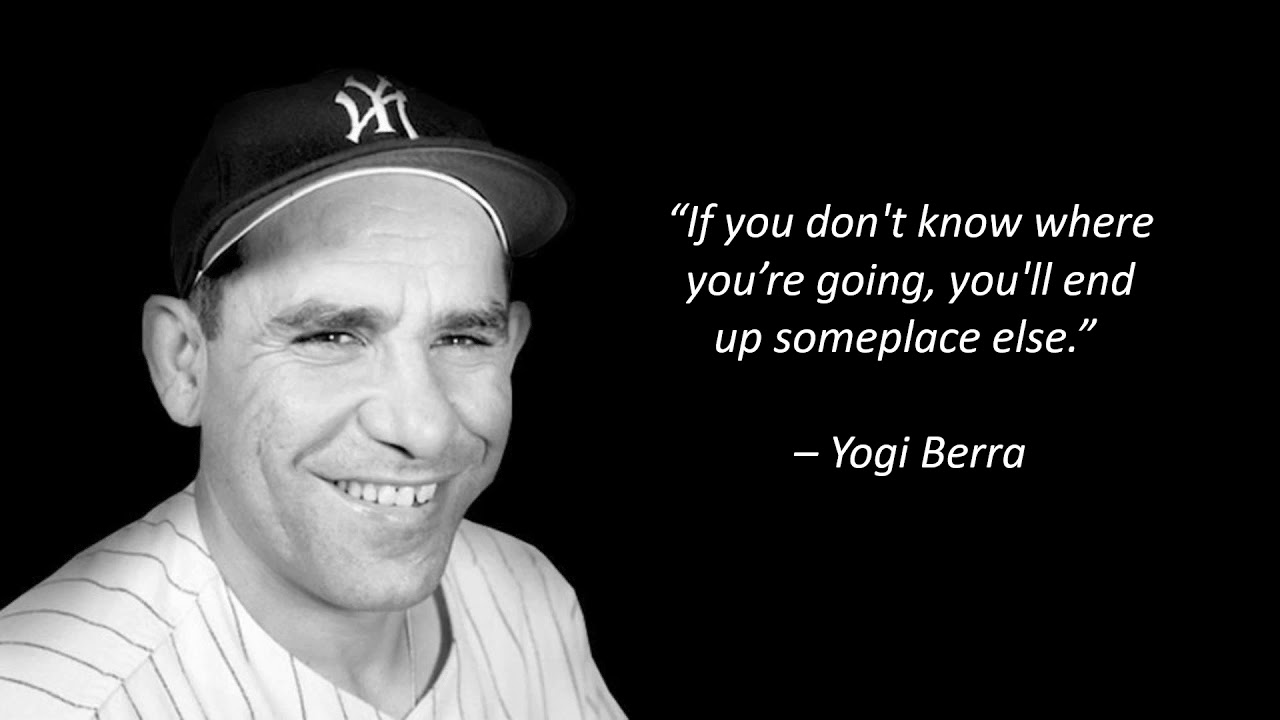
Well, swiftly moving along. Okay, so yeah, I'm not going to read the agenda, but, you know, the big picture here is And there's a slide coming up, it's going to be the center point of the slide, not this next one, right, but it's really about why you have to be more concerned, at least in the beginning, on conversions, website conversions, than driving traffic to it, right. And I'm just going to talk about the various things that you can do to help yourself, and most of them are just common sense type of things, right. At the end of the day, you have to put yourself in the position of the people visiting your website, right? They don't really care about you or your business or your website as much as you do, right? So there's a kind of a what we call a buyer's journey, and you have to be sensitive to that. So we're going to talk about, you know, some of the things that you can do. You can— most of them you can employ right away or at least work to. Okay, so here's one of my favorite philosophers, Yogi Berra. I He's kind of legendary. Most people know he was a catcher for the New York Yankees in the late '50s and early '60s, and he was kind of known for saying stuff that kind of sort of made sense, but it was like said wrong, you know? I mean, this quote here brought to you by the same guy who said, it's getting late awful early. And when you come— right, right.
So, means you're getting old.
Well, it means in his— I am sure it meant they're behind in the game and it's the 8th inning or something like that, right? Or they're behind early in the game, right? You also had one, another good one, when you come to the fork in the road, take it. Okay, kind of makes sense, but right? So in this particular one, you know, if you don't know where you're going, you'll end up somewhere else, right? So basically, in the context of what we're talking about, if your objective is to increase leads or sales by a certain amount, then you do know where you're going and you can take the necessary steps to get you there. So I'm going to be talking about what some of those necessary steps might look like. So here, this is kind of, if I had one slide that I had to keep on here the whole day and just talk about everything else, this is it. This is the big concept to take away. Everything else you could look up, you can read the book, you can find information on the internet, but when you're talking about improving your sales, Everyone wants to improve their sales, whether you're selling a product or you're selling a service, right? You can do it by, you know, if you know you have a consistent conversion rate, like say 1%, right, and suppose I'm just using relatively easy numbers here, you get 12,000 visitors to your site a year, it's 1,000 visitors a month, and so you know by the end of the year, year after year, you can expect generally speaking you get 120 120 customers if your conversion rate is 1%. But what if you need, you need 360 customers, that's what your financial goals are. Well, how do you do that? Well, there are 3 ways. One, the obvious way, well, you know your conversion rate is 1%, right, and 12,000 visitors gets you 120 customers, well, all you need to do is get 36,000 visitors and Voilà, you'll have your 360 customers. Well, problem is that's expensive, and there's a diminishing return on the quality of that traffic. Traffic is expensive, you need the traffic, but if you're not going to convert it, right, it's just expensive, right? Obviously you can, you know, make some numbers by upselling existing customers or selling new customers to more, you know, larger packages or products or that sort of thing, but what really has the most impact is improving your conversion rate. So instead of, you know, trying to pay for and accumulate 36,000 visitors to your website over that year, keep the same 12,000, do the same things you're doing to generate, I mean you can always improve that of course, but if you convert if your conversion rate improves to 3%, then there's your 360 customers. The difference is year after year after year, you would need 36,000 visitors to maintain that 360 customers, but by doing the things, the right things on your website at the right times in consideration of the buyer's journey, you do make these changes, they're relatively permanent, right? Once you unlock the magic formula and you have your conversion rate higher, right, then it's not going to cost you anymore. Your conversion rate will be consistently at a higher rate. So this is probably the biggest concept I want to put forth, is work on the conversions first. Get the conversions up there where they're in a better place, then increase your traffic. Okay.
You know, one of the, uh, just a comment on that. Um, one of the folks that we mutually both know, I've heard, uh, refer to the concept of conversion as the gift that keeps on giving. Once you figure out a way to make the website convert those visitors better, now you might need to do a little bit of care and feeding, but once you get that working the way that you want it, it's there in place. And then the other elements, which we've talked about on previous shows with other authors about driving traffic and whatnot, you're really optimizing that machine, which is your website, to really take those visitors and turn them into clients way, way more efficiently.
Well, now I'm really pissed. Like, the gift that keeps on giving. I should have used that on the slide. Your next one, your next presentation.
I thought you were going to tell me that you have something coming up that's that. So maybe I was like, oh, Maybe I stole his thunder. Yeah, you could use that. I'll let you. It's not mine. I'll give you free rein.
Yeah, let me edit, let me edit this slide right now. Okay, there you go. Um, you know, all right, so, you know, I, I have a philosophy of, uh, you know, I would tell people in terms of the internet, less is more. And then I caught myself in a bit of a, a bit of a lie, I think, right? Because I want to I've actually had people who were going to write their own blogs, for example, and they said, well, how long should a blog be? And I say, I can tell you exactly how long a blog should be. It should be not one word more than you need, not one word less than you need. Then I realized that, well, wait a minute, less is not more, just the right amount is more. What is appropriate, that's what gets results, right? You know, and I recall having a This dates back a long time. I was coaching a group of engineers in a competition, and the competition, you had 12 minutes, not 12 minutes and 1 second, 12 minutes for this whole group to make their presentation. And we sat down at a table, did a read-through, and the initial presentation, I mean, I had to time it, of course, was like 26 minutes, right? We only had 12, right? And plus they're engineers and they're putting me in a coma in the first place, right? So I said, wait a minute, guys, is all this necessary? Oh yeah, I mean, this is important information. Well, for example, that page you read over there, what were you trying to say? He goes, well, I was just trying to say, ta-da, ta-da, ta-da, ta-da. I go, then say it like that, right? That's what you need to say. You need to look at all of this fluff. Pick out the main points, right? Remember, the people coming to your website have the attention span of a goldfish, right? They're not— again, they don't love your website like you love your website. They want what they want and they don't have time. You know, I mean, people don't read on the internet, they scan. They see headlines and images and bullet points. If they like what they see, then they'll read more, right? So your objective is to comb through your copy and try to make it as succinct as you can. Get rid of everything that doesn't make a point. The other failure mode is asking for too much too soon. I always think of it as your visitors, you're flirting. Think of the dating world, you're flirting with them. They haven't really addressed you, they haven't contacted you, they haven't talked to you, you're flirting. Right, when they contact you, whether it's a form or something, well, at that point, and you go back and forth a few times, answer their questions, whether it's over the phone, then you're dating, right? When they make a purchase or they sign on the dotted line, well, then you're married, okay? And don't be talking old married people type of conversation when you're still flirting. Don't be asking them for their phone number when you don't need their phone number. There'll be opportunity for that. Don't be asking them to fill out these humongous forms with all sorts of information you need that could be acquired later. Ask for just what you need at that stage of the relationship. Okay, so here's— now I'm going to get down to some of the nuts and bolts here, some very kind of specific elements that are on a website, things that you can control. As far as forms go, the less information you ask for, the more likely you are to get it. Keep in mind you may need some information during the course of the process, but do you really need it at this stage? Do you need it at the flirting stage? You can get that later.
Right.
You just need a name and an email address to start things off and start building a relationship. People don't necessarily want to give you their phone number right off the bat, but there's time for that, there's a place for that. Now there is an exception to longer forms and that's when you want to use it as a screening process. That's when the cost of processing these leads exceeds the value of the lead. You might say, alright, I don't want all these random forms coming in from unqualified people, so maybe I am going to ask for a higher level of commitment so that just the serious prospects will make it through to us and we can process them. So you can actually— there is a use for longer, more comprehensive forms, but when you're just trying to start the process off, you want to keep the forms just to what you really need. And just a little kind of little side one here, that third note is, you know, you should have a privacy statement. Now I'm not sure anyone on the planet has ever read a privacy statement, right? You just assume that it's good for you because they have one. They're not, by the way. But when you put it, you know, at a button or something next to where they're going to submit the form, that's kind of the last, the moment of truth right there. They haven't clicked the button yet, but the mere fact that you're offering, hey, look, we're going to keep your information private, right, it kind of has that reassurance to it. Will they ever click on it? Yeah, probably not. It could be a decoy button. I mean, no, you really should have a privacy statement, but that would be the place to put it, just as that last moment of reassurance. Pop-ups. Now pop-ups can be annoying, but they're more annoying when you misuse them. So for me, this is kind of a pet peeve of mine, not only as a marketer but as a consumer, right? I go to a website, I mean, I've never been to this website before, maybe I click on a Facebook ad or I did a search on Google and I go to the website because there's something that potentially might interest me, and I get there and the website itself is covered up with, hey, join our newsletter. Why would I join your newsletter? I don't even know what you do. I haven't even seen the website yet. That is the wrong way to do it. I've talked to clients who do, and this happens a lot, someone builds a website, they put the pop-up there and they don't think it through and I'll ask, well, how many people are on your contact list from this Nobody. Right, well, right, because everyone closes out the box without reading it because they want to see what's behind it. So to me, that is like faux pas number 1. So you gotta understand that there are different ways to trigger the pop-up. Okay, so for example, you could time it, right? So it might be after X number of seconds being on the website where people at least got the lay of the land, they started reading a little bit about what you do, and then if the You can pop something up and maybe it'll be interesting to them. It's not my favorite because you don't know what people are doing, you know, how many seconds is the right amount of seconds to delay it, but it's better than just having it covered up in the first place. Another way of doing it is when you reach a certain point, when you're scrolling and they reach a certain point, that's I think a little bit better because that means you've shown some degree of interest as you move down the page and what pops up might be appropriate from something that they allegedly just read, a headline or something like that. But for me, for the most part, we use something called intent to exit. That's when someone is, you know, there's no annoying pop-up, they read through the page, but when they take their mouse and they move it up to either hit the back button or the navigation to go to another page, that's when it pops up. Why then? Well, because they've had an opportunity to read everything you've shown them if they wanted, right, and because they're intending to exit, you have nothing to lose at that point, right, so to me that's always, not always, but for the majority of the time, that would be my option, right. You can also opt to not put a pop-up on every page or put different pop-ups on different pages depending on where they are in the buyer's journey. So maybe somewhere farther down the funnel, you may invite them to a webinar, but more on top, you know, like higher up in the earlier stages, you might offer them a free guide or something like that. So, you know, Be choosy, make sure it's worthwhile. Does anyone really want your newsletter? I mean, if you're a plumber and I need a plumber, it's because I have a leak. I'm not going to be interested in Plumber Today magazine or anything like that. However, I know a lot of people on the call are in the financial industries and I might be interested in keeping up on legislation that might affect my industry.
Right.
investments or things like that. That's a different thing. The right people might want your newsletter. I'm just picking on newsletters here, but the bottom line is, is it worthwhile? So the final point here is just look, don't be annoying. It's not going to help you. Don't just throw up a player and hope that someone fills in your form for something that doesn't really show value. Okay, something we're using more increasingly, I know Eric is as well, is live chat and chatbots, right? The chatbot is kind of a form of artificial intelligence, right? So rule number 1 is don't try and make people think your bot is a real person. You know, a few years back when this started to become popular, people made some attempts like that, but you know, you can only keep the charade up so long. You know, it's pointless. People know it's a bot and it's okay. They can interact with a bot, get what they want, and presumably a real person will, you know, if they're available, will join in, right? Another tip is to segregate users right from the start when it pops up. I'll give you an example. You know, we work with a lot of schools, and if we put a, you know, chatbot on the school website, well, there's 2 types of people who are likely to want to use it. One would be parents of enrolled families and maybe they just want to say, oh, Johnny can't come in today, can he get his homework sent to him or something like that. So the other one might be, well, maybe it's a parent exploring the school as an opportunity, right? And so what you'd want to do is you want to determine that right away and basically ask them, you know, hi, how can we help you? Or, you know, are you looking for help for your existing student? And that might be one choice for them to click on, and the other would be, hey, are you interested in learning more about our school? And then by clicking on one or the other, you'd go down one path or the other. You can offer lead magnets, or like a guide or an ebook or something like that. You know, that could be part of the artificial intelligence, the conversation it has, right? And by doing that, well, then presumably You'll take them to a place where they can download something after they give you their name and their email address. Now you can contact them, okay, and speaking of that, we started using Facebook Messenger as a chatbot more, the reason being that with a regular chatbot, if people don't voluntarily leave their information, say you're not there, right, and You know, the chatbot is basically babysitting them. If people don't voluntarily leave their information and they leave, they're gone. You don't know who they were, right? But when you use Facebook Messenger, you may not know who they are, but Facebook does. They're logged in and Facebook knows who they are, and that gives you the opportunity for, I think, 24 hours you have to contact them, you know, to get back to them. And if they interact with you, you get another 24 hours and you know, as you start, they become what's called a subscriber. Okay, and so that's kind of a, I would say, fine-tuning the process a little bit. And at the end of the day, you know, all this artificial intelligence stuff is really good because it works for you while you're not around, but at the end of the day, live chat, actually having a texting back and forth conversation Of course, the objective is to get off of text and get on the phone or whatever the next step in the process is, but nothing beats an actual live interaction. So here's an example. The one on the left is something that's like kind of— this has been, you know, kind of fudged purposely to look bad. The one on the right is an actual screenshot, right? So the one on the left, hey there, friend. I'm Larry the chatbot. Spelled wrong. Ask me anything that's spelled wrong and I'll try to answer. The one on the right is from an actual news organization and it says, you know, hi from news. I'm here to bring you the most important news of the day. There's a lot going on in the world. I can send you daily updates with top stories or you can message me directly about a topic you're interested in like politics, tech, and I'll send you the latest. Okay, let's get started. Here are some options with a little arrow pointing down and you can opt in for daily updates, breaking news, or specific topics. So which one do you think would really get more interaction? Something that actually has an objective or something that's like, just ask me something, which I won't be able to answer because I have no idea what you're going to ask me. Alright, some more conversion stuff here. Video is becoming more and more important. People are getting lazier and lazier. They're going to watch video instead of reading. Generally speaking, shorter videos are probably better than one long one. If you do have a longer video, I mean, you can have it edited down into multiple videos. They're more likely to be seen through to the end. People are more likely to invest, you know, 30 seconds to a minute than they are for 10 minutes. An exception could be there's this age-old infomercial type of style, which is a whole other thing. That's where you have to have some pretty good compelling script and pretty, I think, relatively slick, well-edited production. Things like phone video or computer video They can be effective for all sorts of testimonials, wherever a real person makes a difference. A testimonial from a client or customer. A phone video works fine for that. It doesn't have to be polished because it looks real and real beats polished. There's all sorts of different ways to use video. It's not always just a talking head. I put a few in the bullet points here. You can use time-lapse if you were going to do, say, an unpackaging video or an assembly video. Drone footage is something we use for— we work with a lot of schools and some of them have beautiful campuses and it's great to do that. I mean, really enticing to have that aerial view of this beautiful wooded area, that sort of thing. So there's all sorts of different things that you can do with video. You can Google ideas. I think, as a matter of fact, in In the book, the Digital Minds book, there's a whole chapter on video. Okay, alright, so building credibility, right? So some of the things that are really powerful is when you're talking about something that you have experience in a specific industry, or if, you know, the results you got, the way you got the results, things like that, builds a high degree of confidence. In you, your product, your company where you can actually kind of lay out, hey, here's what we did, here's the results we got. Testimonials are great, but the difference between a testimonial and a review is a testimonial is written, right, and maybe you take it and you put it on your website and maybe it says, greatest company since sliced bread, Jay Smith, Tucson, Arizona. I'm going, well, I don't know if that's real. I mean, it's better than not having it on there, but, you know, I mean, maybe I'll believe it, maybe I won't. But if you use reviews, you know, actual legit reviews, review sites like, you know, Google My Business or LinkedIn where you can leave recommendations, things like that, you have to actually have a profile. Okay, so it's not impossible, but it's way way harder to fake, right? So it has an inherent sense of legitimacy. And then of course trust icons, things like from the Better Business Bureau, badges, awards, things like that. But the number one trust icon is really your phone number, right? People want to know that you're actually there and available to to talk with them. Even if they don't, even if they don't talk with you, even if they never call, even if no one ever calls, the mere fact that they can call is kind of reassuring. Calls to action. Let me see here. I'm taking a pause because— okay, so Eric's back with us. Didn't even miss him. Sorry, Eric.
Didn't even miss me, did you?
No, no, no. I just kept on going, hey, shouldn't he have interrupted me by now?
I have no— you're on a roll, so I don't want to interrupt you. You're rocking and rolling. I don't want to break your stride, man.
Okay. All right. Well, anyway, so if I just keep talking, I don't give him like an edge to get in there. So I just got to take a deep breath before I start.
We wrestle over the microphones at meetings, just so everybody's fully aware. Yeah. Neither one of us are shy from getting up in front of an audience and talking for a little bit.
Yeah. But I don't know. That's my theory as well, is like, I don't really want to say anything. But as long as I'm talking now, I do have other things on my mind.
Absolutely.
Yeah, so let's take a look at a couple of actual examples of calls to action. That's kind of the payoff here. It's like, alright, you got someone to the website, you got them interested, you made your point, you positioned the company in the right way. Alright, so now I need them to do something. I need them to contact me or download something or fill out a form or something, right? And so the call to action is the moment of truth, right? So the first example is from Square. They're the ones that it's like kind of a, like retail stores can actually take credit cards with it. I think it like plugs into a phone or something like that, okay? And so their pitch, right, but their selling point is start selling in Canada today. Take care of your business anywhere with Square. And then the but, and this is important, like Not click here doesn't cut it, right? Or submit, you know, you have much more opportunity than that, right? So the button, get a free trial of Square. Okay, so look what they did in those short words. Get, which is an action word, free, the most powerful word on the internet, trial, which means, well, it's a trial, no obligation, and Square, which is their brand. Well, they packed a lot into that. That's a Great button. You may not notice it as you're clicking on it, but psychologically it's well put together, it's unambiguous, right, and it gives you direction. The second example is from Blog Growth, and their pitch is 20 guides, checklists, and templates to accelerate— great word, accelerate— your blog's growth. Growth, another And your blog's growth. And real simple, download the guide. Well, I can't confuse that with anything. This is it. The download is a command, it's an action word. The guide is what I'm getting. And it works in its simplicity. It's actually telling me what to do. Here you go, download the guide. The third one, Pipedrive, take control of your sales process, try it free, exclamation point in the right place, and get started free. Just like download the guide, this is even better because it has the word free, right? Free, powerful word, okay, it may appear to be overused but it's still, it's the It's the ultimate no obligation, what do I have to lose word. Okay, so this, I'm going to show you some examples of pop-ups which are the calls to action. So this first one is for one of our clients, it's Ocean Point Dental Academy, right, and as we're leaving, meaning the intent to exit pop-up, right, I've looked through the website, I've scrolled through it, this is just a a screenshot of course. I'm just about ready to leave and it says, wait, don't miss your chance to ask us all of your questions at our next virtual open house. And it's got a counter, you know, when this thing is live and not a screenshot, you know, the seconds are counting down and the days are counting down. And so it has an implied sense of urgency because the seconds are ticking away. away, I don't want to miss this opportunity. And we didn't just shove this in front of someone as they're leaving. Same here, this is from one of the pages on our website, this is a section, our school section, we offer something called a Digital Marketing Blueprint for Schools. As someone is leaving, they go, wait, don't leave empty-handed, thanks for stopping by, I invite you to download one of our handpicked guides from our school marketing resource library. They click on that, they go to a page with a variety of different things they can download for free, sort of for free because we do ask for their contact information. Not a lot, name and email address. They go into our database and that triggers what's called a workflow, meaning a series of emails that they get, in our case every Tuesday, and they get one of our school marketing Quick tips, right? So bam, you know, it's easy. They read, they were leaving, whether they had already chatted with us, look at the lower right-hand corner, or called us, the phone number's up on top. Either way, we're giving them an opportunity to endear ourselves to them by offering them something for free and getting into our contact database.
Okay.
Okay, so here, CTA, call to action, best practices. So first, I've, you know, I remember when I first, I mean, I first started, this was 2000, year 2000 is when I got involved with digital marketing. And this is ironic in retrospect, but the first place I advertised was the Yellow Pages. Right, we do internet but I'm advertising in the Yellow Pages, right. Not actually as bad as it sounds because there aren't that many people on the internet, but a lot of the people I was targeting were in the Yellow Pages, right. And I'd never done anything like that before, so I call them up at the Yellow Pages and go, well, how do I put an ad together? She goes, well, just go to the section where you'd be listed under advertising and just see what everyone else is doing and do that. I'm thinking, that's the stupidest thing I ever heard, right? So I'm going to go where my competitors are and try and blend in and not be noticed, right? So translate that now to website development. You know, I've had customers say, well, that button doesn't match the rest of the colors on the rest of the site. Well, yeah, because we want people to notice it. It's function over form. We want that button to stand out. We don't want it to blend in. This isn't a picture. We're not going to take a screenshot and hang it up on the wall. We want someone to take action. To do that, their eyes have to be attracted to what we want them to do. So you've got to make it easy to notice whatever your call to action is. You want to keep the call to action above the fold. The fold is the point in the screen where you have to scroll down to see what's underneath it. Just a little fun fact here, that they call it the fold, it dates back to newspapers on a newsstand when like the New York Times was folded in half. It was sitting there and you can read the headline on the top part, but you can't read what's underneath it until you pick up the magazine and the newspaper and unfold it, right? So that's where you want to put your most eye-catching, most important headline above the fold. Well, the same thing rings true today, right, on the websites. Now people do behave differently, right, they scroll with their fingers on mobile devices like iPhones and Androids, and it's actually easier to scroll than it is to click on something to go somewhere else, so people behave in a very linear fashion, still you want your call to action to be above the fold, but also you want to put it— it's okay to repeat it in different sections of the same page as they scroll down to lower parts of that page. It's perfectly okay to show them that same call to action again, not a different call to action, right, you don't want too many calls to action, on one page. You don't want to confuse things. You don't want distractions. You want to use action-oriented words. So generally, less is more, as I was saying, the right amount is more. If you can keep the button text between 2 to 5 words, that would be ideal. Things like download now, sign up free, book a demo. They're unambiguous and they give specific direction. The other thing you want to do is use first-person voice. Research indicates that download my ebook is more effective than download your ebook. Little nuances like that. These things are well within your control. Timing, of course. You don't want to have the call to action to do something before people are ready. Okay, so why would someone sign up for our webinar unless they've reached a certain point in the process? Why would they download an ebook or enroll themselves in my newsletter until I've actually read through certain things I need them to see first? So your call to action shouldn't be necessarily— it could be everywhere, it depends on the product and the industry, but it really should be in What's the right place in the buyer's journey? And then, you know, when appropriate, create a sense of fear of missing out, FOMO, okay, scarcity, things like that. When I was showing you the previous slide with the webinar with the counter ticking down, well, that's a fear of missing out. That counter is going to go away. It could be an offer that ends at the end of month. Or by midnight or something like that. So, you know, you don't want it to be so obvious and so ridiculous. I have actually been to websites that have counters on it, and when I go ahead, I refresh the page, the counter just starts over again. So it's a bogus counter, but, you know, it's just something I do because I'm curious about stuff like that. So, all right, so now let's talk about stuff that you can do to undermine your own efforts. I call them campaign killers. Number 1 is just too much anything, too much text. I don't want to belabor the point, I brought it up several times that less is more, just the right amount is more. People don't read on the internet, they scan. I said this earlier, they see headlines, images, and bullet points. They like what they see, they'll read more. Concise, to the point, no fluff. Don't add text just because you look at it and you go, you know, the page doesn't look balanced. There isn't enough text on here, so let me kind of fluff this thing up just because I need the page to look better. Well, redesign the page then. Don't just put fluffy stuff in there. Don't put information that they don't care about Yet, right? Maybe you take that information, put it somewhere else, put it in an FAQ section or something like that. Too many links. Oh, these are horrible distractions sometimes. I was in— we were in Paris, I think Eric was there too, and I was doing a critique on landing pages from the stage. A lot of them were in French, so I don't speak French, but some of them were just easy to pick out. There was one landing page, this guy was shocked that his landing page wasn't converting. I counted, this is the exact number, 32 different links on that page. A few of them were the navigation, the main navigation, the rest were these text links going, and to make it even worse, if you click on any one of those links, it didn't open up in another window, you just left the website and the window you were on just converted to whatever you just clicked on. I mean, that was ridiculous. What am I supposed to click on? What is it you want me to do? Okay, so be very judicious before you give someone a distraction like that, before you potentially send them away from what you want to do. Another thing that will kill you is unnecessary required fields. Here's something we just We had a debate on something we felt we needed the phone number for something but only because people screw up their email sometimes and it's a lost lead. We went back and forth and what we decided to do was not make the phone number required but what we did in the field is we said phone number and in parentheses we put recommended. Okay, so we're giving the power back to the person. It's like, hey, we're not trying to get your— you know, it's like, we're not going to— you don't have to give us your phone number. It's your choice, but we're recommending that you do. Okay, and so that's a way that we've handled something like that recently, but if we didn't need the phone number or if it wasn't that important in that stage, I wouldn't even ask for it.
Okay.
We talked earlier about privacy statements next to your your forms, just before that moment of truth where someone submits their email address or their contact information. Let them know that we're going to keep it confidential. This lack of communication choices, I've actually talked to other conversion rate optimization specialists and there's some mixed reviews here, or mixed theories if you will, but I'm pretty much committed to giving people some of the basic options. I've talked with other experts that say, no, you know what, don't put your phone number on, you've got to test everything, don't put your phone number on, see how many people fill out your form, then take the form off and put your phone number and see how many people call. I'm going, maybe someone who called would have rather filled out the form. So I always advocate 3 choices. Put your phone number on it. You've got to have your phone number. That's your credibility icon right there. The form, whether it's a pop-up form or a hard-coded form on the page, and some sort of chat or text option is also good. One of the things that I found, and this is not scientific at all, this is just something I happened to notice is, you know, we do business all over the country. Just again, this is just an observation. It seems to me that people on the East Coast have more of a propensity to fill out forms when the phone number is available, and people in the Southwest, like Texas in particular, they seem to pick up the phone and call more than fill out forms. And I think it's kind of a cultural type of thing. Right? So who am I to try and force someone into doing something they're not comfortable? Okay, of course, shipping. You know, I'm not going to buy anything if I don't have the right— you know, if I'm not really satisfied that I know exactly what the final price is, shipping, taxes, all of these different things, before I hit that button, because I will bail out of there, right? Of course, finally, anything that doesn't work, that's not going to be a help. It could be a broken link, and maybe it's during the process that you click on something and you get a 404 page cannot be found error, and that's it. The show's over. Where are they going to go from there? They're not going to make a big effort to get a hold of you. Right. Look at me in record time here. All right, so I'll talk real quickly about e-commerce considerations, and I'm just gonna kinda go down these bullet points pretty rapid-fire here. Quality images. When you're shopping for something that you can't physically touch or have a 3D view of, you gotta try to simulate that as best you can. You can do that through higher resolution images, 360-degree 3 shots, multiple angles. You can do it through video, and not just video of your product, but video of people using your product. So you can have a still picture of a car, you're trying to sell a car, or you can have a video of someone going, waaaaah! As they're driving the car and having a great time. So there's that emotional component. Again, distractions are your enemy. Avoid clutter. Keep The menus, the navigation menus are simple, searchable. Like, you know, I do a lot of shopping on Amazon and, you know, it's easy. You could go to different categories. I can go to electronics and hit the dropdown. I don't do any of that, so I just search for what I want, right? And I cut right to it. You know, if you're an e-commerce store, you know, make sure that your products are searchable. They're searchable because you describe them properly, not just having a search function like on your Magento site or your WordPress site or whatever. You know, it's got a search function, has to search for something, so you better have your descriptions and headlines searchable. Oh, there is one I did want to talk about, the free shipping. For me, free shipping is a winner for me. I mean, I don't want to pay shipping. I don't want to pay for a product and then pay someone else to get it to me. Right? And so we had a client who, a couple of years ago, she sold t-shirts and they weren't very good t-shirts. I mean, they were like these specialty shirts and they would say things like duh, D-U-H, that's it, right? And so she's selling a white t-shirt with black letters that say duh on it, right? She had other ones too, okay, and I don't know what the quality of the actual shirt was, but she's selling them for $20, but she had $10 shipping. So now she's selling a $20 item for $30. Well, that doesn't sound like a bargain to me. She says, well, nobody's buying my shirts. And I didn't want to break her heart and tell her they weren't very good, but I said, well, because you're selling $20 shirts for $30. She goes, well, I need that $10 for shipping. I'm going, well, why don't you do this? Why don't you sell the shirt for $30 and give free shipping? That way psychologically someone is not only getting a $30 shirt instead of a $20 shirt, they scored free shipping. It's a win, but they pay the same price. You still get your $30, right? I don't know. And I'll just shortcut this and say, She didn't do it, she's out of business. Okay, so I hope I didn't sound happy when I said that. Hosting, you know, when you're— if your hosting goes down when you're selling something, you're effectively— the doors are locked, right? You're not selling anything, right? So don't try and shortcut, you know, host on one of these cheapy hosting companies with excessive downtime.
Yeah.
I forgot what the stats were, but even like 99.9% downtime during the course of the year is like a few hours of being down, you know, cumulatively. You want customer reviews, you want those 5 stars, as many as you can. And of course, I keep harping on, make sure the phone number's there whether people call or not. You want them to know that they can. And so just kind of summary, conversion rate optimization before traffic, less is more, the right amount is more, minimize distractions, you don't want— don't make your visitors think too hard, do the thinking for them, take them, spoon-feed them through the buyer's journey, and above all, it's not about you. Your website is not a monument to you, it's not a monument to your company, it's really got to be Built around your customer's user experience. And ta-da!
Ta-da! All right. I intentionally held back on any questions because I knew you had a boatload of information, as you always do. And I figured if I started interjecting and we started talking, we'd be here till 4 o'clock this afternoon. So I I'm commending myself on the restraint, but I do have a couple of questions here that would like to jump into, if you don't mind.
I'm here for you, baby.
Yeah, that's what I was hoping you'd say. First off, yeah, big thumbs up on chatbots. You know, in case you missed it, that just happened to be the chapter that I wrote in the book on conversational marketing and chatbots and AI. So a number of elements there. One of the things that you'd mentioned is the Facebook Messenger, and the cool part about that is either natively or through other third-party services, you can incorporate that not just on your Facebook page, but you can put that directly on your website. And if a visitor comes to your website and they're logged into Facebook on that computer, which most people are, the chatbot can say Hey Chuck, hey Eric, and it starts that conversation from a chatbot perspective much more personally, um, than if it's just, hi, welcome to the website, because it knows you. Now it will provide the person the opportunity to say, hey, if it's not Chuck, maybe it's somebody else that's on your computer. They can say no and they can give some additional information, but most people are logged in on their computers on Facebook, even if it's not an active tab that's stored in your cookies and it's there. Facebook Messenger can pick up on that. I don't know if you found that personalization to be any more beneficial or powerful in the conversion process.
Well, what we do is we, we try to make a hard delineation between you're talking to a chatbot or you're talking to a person, right?
Right.
If it's a chatbot, we intentionally use an icon that's more like, I don't want to say cartoonish, but I guess it is.
A robot.
Yep, yeah, a bot. Yeah, robot. Yeah, and then if it's a real person, it's an actual photo of a real person. So, and then when I, if I have to break into, you know, when I'm doing this, when I break into a conversation, first thing I do, very first thing I do is I say, hi, can I help you? I'm a real person, not a chatbot. That's how I introduce myself all the time, you know.
Yep, and I think even in California last year when I was doing my research, California actually enacted legislation that prohibited businesses from putting chatbots out that made it look like they were humans and tricking people. And, you know, we've all got the robocalls, and I talk a little bit about that in my chapter of what's referred to as the uncanny valley, where you think you're talking to a human and then you find out it's technology. And then instead of going, wow, that was really cool, they just tricked me, now all of a sudden you're pissed and it's actually completely reversed on you. So you definitely want to avoid that because that will hurt your conversions more than it will help them. Um, video, yes, you are correct. That, uh, episode, I think that was like the first one that I did here on Free Webinar Wednesdays with Ryan Kelly on his chapter on video. So we'd encourage folks to go back on Free Webinar Wednesdays and look for that. I think it was in November. You had talked about the on-exit notifications, which I thought was really powerful, and form size. We often struggle with that in the banking space because they want to collect as much information as they can about the visitor. Give us your name, give us your email, give us your phone number, Give us your work phone number. What's the best time to call you? What department are you looking for? What question do you have? Would you prefer an email or a phone call? And there's technology out now. I know you're probably familiar with it—not probably, but are—of progressive profiling and some of the marketing automation tools where it just gets basic info initially, but then as that person continues to fill forms out. It'll gradually grab additional info and autofill the information that it already knows about you and only collect new stuff over time. Have you played around with that? Yeah, have you played around with that much?
Yeah, we did with HubSpot. We, we, they're called smart forms, that's what they call them. And if you're a returning person and now you're asking for something additional, so, so suppose you already have their name and email address And they come back and because of cookies we know. Now we're going to say, you know, hi Chuck, blah blah blah, your phone number. Well, we're not going to ask for anything else because we already have it, you know.
Yep.
So another technique, I don't see it as often, I see them a lot on surveys. It's like, so you don't have this big long form, you know, just ask for a couple of items And then when you hit submit, it goes to another page with just a couple more questions. So cumulatively, it's the same amount of fields, the same amount of questions that you want people to answer, but the psychology of it is that it's easy, you're being spoon-fed. Of course, again, that could backfire on you too, going, wait a minute, I just submitted, how long is this going to last, right?
Exactly.
You know, tread lightly with that technique.
Yeah, the, the last one I wanted to squeak in before we have to close the show, you talked about reviews, and I'm interested in your thoughts on reviews versus testimonials and the importance of having things like Google reviews or Yelp reviews, which are independent of the website, versus having content that's on your website where You've got customers and how do those, I guess, pros and cons of those related to the conversion process and validating that you're as awesome as these reviews say that you are?
Yeah, and you know, reviews are one of those things that, they're not on— reviews, not testimonials— reviews, they're not on your website. You can link to them, of course, but those are on external places like Google My Business and LinkedIn and things like that. That people will see. You know, they'll investigate, you know, people will type, you know, reviews Creative Web Works. I see that all the time in my Google Analytics. People are looking for that. Okay, now the thing you have to know about— well, I'd already mentioned reviews more powerful than testimonials because reviews are basically curated by third parties like Google and so forth, right? But the thing you need to know about reviews is they are naturally skewed negative. For example, you go to a department store, you buy a vacuum cleaner, you bring it home and it works. Do you go, woohoo, my vacuum cleaner sucks and that's a great thing because it's a vacuum cleaner and I'm going to go write a review on Yelp? Probably not, but if that same vacuum cleaner, you unbox it, it doesn't work, you bring it back to department store, the customer support person is rude to you, you don't get satisfaction, that's when you're going to go write a review and it's not going to be pretty. So if left to their own devices, reviews are going to be either nonexistent or they could be more skewed negative. So you have to reshuffle the deck by being proactive and asking for reviews, not influencing influencing someone on, hey, you know, if you're not going to write a 5-star review, just do me a favor and skip it. You know, you can't do that. You'd probably get away with it, but it's against, you know, everyone's guidelines. But it's just, if you have a good service, you expect good reviews, you deserve good reviews, ask for reviews. All right, I think that's essential.
Cool, good. Tons of stuff. I definitely suggest— I think all the chapters are awesome because I've read the book and it's, it's good. And I'm not just saying that because I'm one of the authors, but I've always enjoyed Chuck's because even as you're talking, I'm jotting down things that, oh, I need to do this on our website, oh, I need to talk about this with our customers. And I always end up talking to you and getting just jazzed about taking on the world. And I appreciate your energy and all your knowledge. So today was awesome. Thank you.
Well, I do have a problem because this was a full hour and I was told I'm going to be doing a version of this presentation for WSI and they're giving me 15 minutes. So— I think you might be able to sneak maybe 20 or 30.
You're just gonna have to talk really fast. And I didn't interrupt you either, so I'm curious to see how you're gonna get through. Yeah, so I will wish you luck. I'll be in the audience rooting for you. So, um, and I see you've got the, the link there. Um, so yes, definitely, if you are interested in checking out the book, I think the Kindle version is less than $5. So it's, uh, it's certainly not a moneymaker for us, but it is something that we definitely want to put out there as an education tool and a learning resource for folks. So if you are interested in checking out the book, uh, there's a shortened link that'll take you right to Amazon and give you an opportunity to to snag your copy in whatever preference format you'd like. So cool. Chuck, anything to say in closer— in closing?
Well, no, it was fun. I enjoy— I always enjoy talking with you, and I think maybe there's a, maybe a martini or something in our future.
Oh, absolutely.
If we're ever released from house arrest.
I might have to just email it to you, but, you know, maybe we can get on a Zoom meeting or do a screen share or something. And we can at least drink one together this weekend. So cool.
We do virtual happy hours now anyway.
So there we go. So, well, thanks everybody for joining. Those of you that attended live, it's certainly great to see the audience. And hopefully you got some good value out of Chuck's conversation today and all the wonderful things that we were able to pull out of his brain. There's a lot more in there, but that'll, that'll have to wait for another episode of Free Webinar Wednesdays. Or maybe a martini. Maybe maybe that won't be appropriate for free webinar Wednesdays. But either way, thanks for joining us today on the show. We'll look forward to seeing you next week, where I believe, if I'm not mistaken, we've got another another chapter lined up. And by the end of May, I believe it is, we'll have all of our. chapters presented and out there for your listening pleasure. So we appreciate you spending some time with us today. Make it a great week, and we'll see you online down the road. Thanks, everybody. Thanks, Chuck.
Thanks, Eric. Thanks, Eric. Bye.
Bye-bye.







