
Customer Relationship Management in the 21st Century with Contactually's CEO Zvi Band
Zvi Band, CEO of Contactually, explains how his CRM helps salespeople stay in touch with contacts. Only half of salespeople follow up, costing businesses revenue. The platform imports contacts from email and LinkedIn, organizes them into buckets, sets reminders, and tracks performance with grades and analytics.
Chapters
The broadcast is now starting. All attendees are in listen-only mode.
Greetings everyone, welcome to the Wednesday, July 9th, 2014 episode of Free Webinar Wednesdays. This is Eric Cook with WSI Internet Consulting, where we work with businesses and organizations on helping them better understand and leverage the power of the internet as a strategic business tool. You can learn more about me and WSI online at www.poweredbywsi.com. With me this week is my good friend and Free Webinar Wednesday partner, Mr. Jeff Simpkins. Jeff, say hello to everybody out there in Free Webinar Wednesday world.
Hello everybody, this is Jeff Simpkins. I'm with Community Bank Consulting Inc., and you can learn more about me and Community Bank Consulting Inc. online at www.communitybankconsulting.com.
Awesome. Well, I know Jeff and I normally kick things off and we do a little chitchat and banter, but I am gonna propose we jump right into it Thank you. Because I'm very excited and I have a feeling even though I think every time somebody comes on, they're like, oh, you guys do a full-hour webinar? I don't know if I'll be able to talk that long. Zvi and I had a little chat beforehand and I think both of us realized that it's gonna be the top of the hour here very soon before either of us or any of us even know it. So before we get started and officially kick things off, just want a couple reminders. We are recording today's session and all sessions of Free Webinar Wednesdays, and you can check 'em out at freewebinarwednesdays.com. So if you hear something cool and you want to go back and revisit it or share it with a friend or a colleague, you're more than welcome to do that. And also, we do want and are hoping to get some questions and feedback and comments during today's session. We always like it when we get some interaction from the audience, and you can do that by using the chat feature in your control panel, which is likely located in the right-hand area of your computer screen. So just type that in. Jeff and I will keep an eyeball on that. And we will ask your question when there is a break in the action. So I'm going to work my little GoToWebinar magic and send the presentation over to Contactually CEO Zvi Band. And Zvi is with us today to chat about the Contactually system, which I don't think it's any secret if you're a Free Webinar Wednesday follower. We've been talking about Contactually and other sorts of services to better manage your client and prospect relationships. And make sure you stay in touch. But we're gonna also get a demonstration of the Contactually system. Brian Pessen, also with Contactually, had been on the show probably 4 or 5 months ago maybe and gave us a walkthrough, and there have been some new things that have been added. And so we're really excited that Zvi is, is taking time out of his busy day and joining us. So Zvi, welcome to Free Webinar Wednesdays. Thanks for Thanks for playing along.
My pleasure. Thanks so much for having me. And most importantly, Eric, thank you for starting off on a good foot by pronouncing my name correctly. So everyone, please give him a round of applause. I know he can't hear it right now. But yeah, thanks so much for having me here today.
Absolutely. So before we get started, I know you've got some slides that we're going to walk through and just talk about the importance of keeping in touch, and then we're going to get kind of our hands dirty and see an actual demonstration of the Contactually system. But for the audience, and I know you've got a couple of slides that might talk a little bit about Contactually, but you know, you're about 3 years old. I think you still consider yourselves much in the startup mentality, but I'm curious because I don't know, what was the inspiration to create Contactually? What caused you to say, we want to do something like this? We don't think that there's something like this out there doing this already. Share a little bit of the backstory if you don't mind, and then we can hop into your presentation.
Yeah, of course, absolutely. I think just in terms of who I am, I'm the founder and CEO of Contactually. Contactually was founded about 3 years ago. It was a little more than 3 years ago that we first started working on the prototype. At the time, I'm a software developer by trade. I'm really not a salesperson. Now I obviously do a lot of things that are sales-focused in the company, but my background is as a software engineer. I mean, I like to say freshman year of college, I was the kid that never really talked to anyone, hid in the corner, and was seriously considering going home on the weekends because just the social career— social aspect of college was just not for me. Obviously now things are very different. run a couple companies. I was CTO of a software startup that was acquired, then was running my own software development shop, which is kind of, you know, was the initial founding or basis of Contactually. And the reason why I started Contactually was throughout my earlier career, I haphazardly was a networker. I wasn't really much of a connector, but just built up a Rolodex of people that knew me and I would stay in touch with once in a while. And I started to see that the network that I had built and the relationships that I had built ended up being the basis for my career. That's how I was able to be CTO of a startup. I was able to run my business solely off of referrals and introductions and having a really strong reputation. Never spent a penny on advertising throughout the entire 3-year history of the company, and so I knew relationships directly relate to revenue and personal success, but I was terrible at it. I was definitely that person that always knew I was losing touch with people. I never had a really good address book. I would meet an amazing, amazing person, and then 2 weeks later, I'd completely forget their name. Client projects would roll off. I'd never engage with them. And so I knew we needed to solve this problem. for myself and then ideally for others. That was kind of the core idea behind Contactually. We couldn't find any solution out on the market for it, so we started building.
Sounds all too familiar to me. What about yourself, Jeff?
Yeah, it does sound kind of familiar. I start lots of conversations with bankers With the disclosure, I'm not a sales guy.
And it's not something that, you know, and it's not something I think that is necessarily wrong with you or wrong with people, you know, with saying you're not a salesperson or falling out of touch with people. I think what we've seen is, you know, when we see people, for example, fall off the wagon, you know, it's not that they're doing something wrong or they have bad intentions or they're working on the wrong thing. It's just that's how human beings naturally are. We can only remember so many people. We can only focus on so many things at once. That's why I think we're in this incredible age where we can have software and tools to help us fill in the gaps for where we might be weaker.
Very cool.
Good.
That was helpful. I always enjoy hearing the backstory, especially In a startup environment because, you know, you're essentially creating something from nothing. And it's always, you know, interesting to hear the genesis of what caused you to go out and do this. And I can tell you, you know, we've talked about Contactually a lot, so your ears have probably been ringing over the last month or so. I think one of the things I shared with you on the preamble call is I've resounded to be okay with the fact that I'm never going to get to inbox zero. But what I'm trying to do now that I've kind of recommitted myself to Contactually is making sure that at least I'm Contactually inbox zero. So when the reminders to keep in touch with folks that I have put into the system come up, I do a better job of keeping in touch with them. And like you said, I've noticed that there have been instances in the past where conversations have just dropped off, not because of me or them, but just the natural course of, you know, life gets in the way and poof, the opportunity disappears. And I can tell you Contactually has helped me keep that from happening more so now than ever. So, unsolicited promo slash solicitation slash endorsement, whatever you want to call it, but I appreciate your service.
I really appreciate that. Thanks so much, Eric.
Cool. Let's kick off so that the folks that haven't seen what Kent actually looks like have an idea of what it is you can do with the site.
Good idea.
Absolutely. So I'd be happy to give everyone a quick nickel tour of Contactually, and we can talk about some best practices that may not necessarily always be present in our application. Obviously, I think before we get started, I think it'd be good to really talk about why Contactually. Why should you bother spending your time staying in touch and Going through the follow-up reminders. What I have up on screen, this is no surprise. We all know how important staying in touch with people is, especially in the sales role where you can directly connect your ability to build a relationship or communicate with people with revenue. It's unbelievable that even today And these are Gartner stats, I think from last year. We know how few people stay engaged with prospects. I mean, I can't tell you, so I kind of did a cursory summary of my inbox, and being CEO of a company, I get pitched all the time. And maybe I would actually say the stat is different for me, maybe only 1 out of 3 salespeople, after even I first respond, will even bother to reconnect with me later on or follow up with me. Now, I mean, why does that happen, right?
Are you still there, Tim?
Hey there, can you guys still hear me?
Yeah, we—
Yeah, absolutely. Can you see my screen?
Yep, we've got the 48% through the 80%. You asked why is that happening and then went silent, and then I had myself on mute I didn't know if you were asking Jeff or myself to interject and provide our expectation or maybe a thought as to why that happens or if you accidentally bumped mute and continued talking and we just lost you.
No, actually, can you go ahead and can you remove me as presenter for a second?
Yep, let's go ahead and we'll pull—
it looks like we might be having some technical issues.
Okay, so the Free Webinar Wednesdays screen now should be showing to everybody. If you want to maybe just type into the chat box real quick, audience, and you're seeing Zvi's picture as well as Free Webinar Wednesdays, and then we can go ahead. Yep, okay.
Good.
Cool. I'll, uh, Zvi, you want me to go ahead and send it back to you again?
Do you guys mind, uh, continuing to talk for a second? It looks like I have some technical issues. Let me go ahead and reconnect, uh, disconnect and reconnect. I'll be back in like a minute.
Not a problem.
Thanks.
This is when we cue the Jeopardy music. So if anybody in Free Webinar Wednesday world has a good, albeit clean joke, because this is a family show, feel free to type it in the chat box and we can share it with the audience and get a chuckle. I have lots of jokes off the top of my head that I'd be happy to share, but unfortunately They're probably not of the clean variety, so we'll leave those alone.
While we're waiting to reconnect, give us the short critique of the movie you saw last night.
Oh yes, went and saw the new Transformers movie. You know, it was a lot longer than I had anticipated. It had a tremendous amount of special effects built within it. Almost got to the point where I thought it was maybe even a little bit overkill on the special effects. And I can't believe I'm saying that because I'm kind of a sci-fi geek and I like that kind of stuff. But it was amazing how much CGI and special effects were in it. But it was a good story. Went a little bit longer, like I said, than what I thought. And I think it painted the picture or certainly left the door open for yet another one. So, hey, we have our first joke. How many Brazilians does it take to beat Germany?
Oh, and the answer is?
A little soccer humor there. Apparently more than what they had in the field.
So, yeah.
Um, so yeah, I thought the movie was good. Um, I, I was surprised, uh, that it was like, you know, the number one movie in the world, but I think it got a tremendous amount of promotion. So, um, I think Zvi might be calling me, so let me just put myself on mute. Hold on just a second.
Okay. So Daniel, who asked us how many Brazilians does it take to beat Germany, Germany, in his follow-up statement, said, I don't know either, but if anyone does, their coach would like to know. Good humor, Daniel.
Yeah, very good, very good. Well, that was a false alarm, and it may even precipitate a rant. I don't know how many people are getting sick of the robodialers that are dialing and delivering automated political messages, but somehow they seem to have gotten an exemption from the do not call list, which I cannot believe has happened, and, uh, or I've just been unlucky and my mobile phone number has gotten on some list. But, um, I am getting way too many calls regarding political surveys and all sorts of other junk. So if anybody has any other ideas other than the do not call list, by all means let me know because—
Do not call does not apply to political.
Yeah.
When those laws were written, the politicians literally exempted themselves. I'm surprised they're able to call on your cell phone.
Yeah, yeah, well, they're, they're doing it, so it's a little bit annoying. So—
Hey, Eric, you wanna switch back to me?
Yep, let me see. Hopefully I picked the right one. I see you're logged in twice, so if that's not the right one, let me know and I'll pick a different one.
I don't see anything just yet.
I think it's the one with the camera beside of it, Eric. Yeah, that one shows offline. I'm actually going to— no, I'm not going to do anything with that.
Oh, there we go. Okay.
There we go. I picked the right one. You're good.
All right, perfect.
We've just been telling jokes. Don't mind us.
Good. Yeah. Well, I'd like to thank Eric and Jeff for giving me the opportunity to be basically the first presenter, I hope, and hopefully the last. This is the first time for me where I had a complete computer crash while doing this.
Oh, now, Zvi, I was going to say, don't assume that you're the first. That's happened to both of us. That's the joys of technology. Let's get back on track.
Let's go ahead and get started. Why does this happen? Why don't people just respond instantly saying, hey, I want a deal? Why do we even need to reengage them? Obviously sometimes it's just—
I want those people on my call list, by the way.
Exactly, exactly.
I know, exactly. Wouldn't it be great if you just had an initial sales call and they're like, yep, sounds good. Send me the bill for $5,000.
Okay, cool.
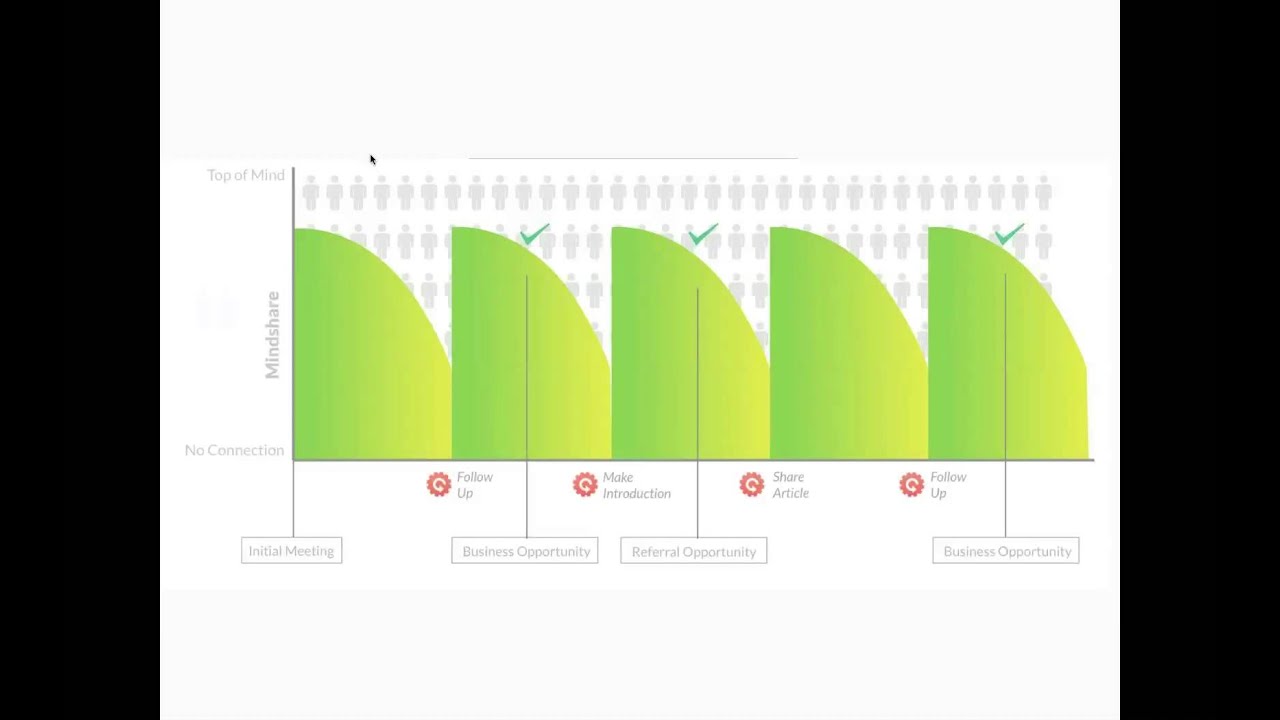
We're all set. But actually, that doesn't really work, right? We obviously have to separate the wheat from the chaff sometimes. I get pitched all the time, and it may take me time or sometimes a couple emails before I realize that, hey, this person is actually pretty serious. Other priorities come about, right? You know, naturally, if you're not seeking seeking something out actively, it's not a priority. So sometimes, you know, we have to be convinced that something's a priority or important enough that we should bother throwing down a credit card. Other decision makers may be involved, and there may be a trial period, right? You know, we have sometimes you contactually users. You know, we give you a free thirty day trial. So, you know, I'd say few to no people put down their credit card instantly on signing up. And here's what hap— here's what happens, right? You know, there's the, there's the initial introductions period, right? Sorry about that. There's the initial introduction period, and, you know, over time, you know, like, you know, as time keeps going on, Um, you know, things decay, right? Other people come aboard. Uh, there may be a business opportunity initially, which is great, but there may be follow-up business opportunities that you miss because, you know, as you know, over time, you know, you're not the only person they're thinking about. Other people keep coming on board, right? You know, I mean, Eric, how many emails have you received so far today?
Sorry, I was on mute. I have doggies in the office, so I'm just being precautionary just in case. Today, I bet it's probably been at least 100 already, and it'll probably top 2 or 3 by the end of the day.
Okay, so you're talking to probably like 200 or 300 other people over the course of today, and so that one communication we had Well, how do you— obviously, over the course of a week, then all of a sudden we're talking about potentially thousands of other communications or people that you could be engaging with. How should we expect that they're going to remember who you are? They're going to remember, yeah, I got to get back to them, unless they get back to you instantly. This is what the better opportunity is, right? Staying engaged can yield such a— can yield such a high leverage activity, because you're able to build and maintain mindshare, right, just by regularly paying, following up. It doesn't necessarily matter as much what type of follow-up you make, it's the act of following up in general that increases mindshare. So yes, other people may keep coming on board. Eric and I spoke last week, and since then he's received hundreds and hundreds of other emails from other people. But by staying in touch every couple weeks, I'm re-engaging enough that hey, when there's time for a business opportunity, when Eric's finally ready to say pull the trigger on bringing his team onto Contactually, he thinks of me. Let's kind of talk about 5 quick core things that we can do. Remember, I'm not a salesperson by trade and I can throw out tons of sales-related advice You can go online, you can read a lot of that. I'm going to give you some tips that are a little bit different than what you might hear, because that's honestly like, as we've talked to and worked with thousands and thousands and thousands of users, this is what we've kind of learned from them. Just do it. We saw from one of the earlier slides that only 48% of people follow up with prospects. That's insane, right? And that means half of the people aren't doing it, aren't engaging, aren't reconnecting at any point later on. So obviously, when you're the person that actually follows up, that puts you into that top 50% of people that actually engage. And it's hard. I mean, don't get me wrong. You may be looking at this, you're like, yeah, of course I can do it. It's actually, it's actually really hard. I mean, take a second to think about what other habits that you have. What are the repetitive actions you keep on doing day in, day out that don't yield any, you know, immediate short-term benefit but yield long-term gain? I'll probably give you like the only one that you can think of, which is brushing your teeth, right? You brush your teeth every day. doesn't really do much other than preventing your spouse from yelling at you about how much you smell. But long-term, of course, that is the difference. That's why you have teeth over a long period of time. That's definitely the thing that I really want people to focus on. If you take away one thing, it's really think about how you build habit. As software creators, we spend a lot of our time thinking about habit. And how we can get people to keep using Contactually. Not for our benefit, you know, you're paying us monthly, that's great, but really for your benefit. And so, you know, some tips that we recommend to build habit. I would think about which one, you know, really works well for you. Block it off in your calendar. You know, some, some of our Contactually users have like a specific period of Contactually time, whether it's once a day or once a week. Where other people know, okay, I can't bother them, they're doing their Contactually work, and you just go in and do it. You could do it before your email. Eric, thanks for suggesting this, but he says he doesn't care as much about getting to inbox zero, but he gets to Contactually list zero.
Right.
You can think about spending time focusing on what's important first. before getting to the urgent stuff, which is whatever's on fire in your inbox. So this is actually what we see a lot of people do. So, you know, you may have, for example, Gmail open up automatically as a tab in Chrome. Well, have Contactually open up as the first tab instead, and then Gmail open after. So when you open Chrome in the morning, the first thing you see is Contactually.
Have you been looking at my desktop?
Pardon?
I said, have you been looking at my desktop?
So you do it. I do.
I just realized I should be calling it Bucket Zero. As I use the proper Contactually terms, I should call it Bucket Zero.
That's awesome. Yeah, exactly. It's really just kind of pounding through that list, and that's kind of the stuff that we see if you do the flip side. The moment you open up your email, You know, the day started, you know, you're all— your mind is already thinking about, well, here's what's urgent, here's what I have to do right now. Well, that stuff can wait 10 minutes, can't it? I mean, you know, nothing's— the world isn't going to end if you take another 10 minutes before you start responding to your email. So set aside 10 minutes for yourself early in the morning to really do what's best for you. You could link it to an action you already do. So for example, you know, some of our users say, I get coffee. Obviously when I get into the office, the first thing I do is I go get a cup of coffee. Why don't you link it instead and say, I go get a cup of coffee and then I send my follow-ups. Mentally link that in your head. I know in the morning it's not drop bag, coffee, just do whatever I need to do. It's drop bag, coffee, Contactually, then you'd start your day. You could also reward yourself. Using the carrot, some people say, yeah, I usually don't go to Starbucks, but on days when I send my list of follow-ups, I'll go get myself Starbucks. You could start to link it, ideally hoping that by using Contactually or another system or Excel spreadsheet or some kind of follow-up process, you'll yield more money, therefore offsetting Starbucks. But don't be afraid to reward yourself, or you could punish yourself, use a stick. Is anyone familiar, Eric or Jeff, are you familiar with a startup called GymPact?
I'm not.
So it's this really cool startup, it's basically an iPhone application that's linked to your bank account And it tracks when you go to the gym. And if you don't go to the gym as many times a week as you want to, it charges your credit card. And so you can almost think about that, right? You could literally take like $20 to $40 out of your wallet on days or weeks when you don't interact with your relationships as much as you want. It really depends on how you work. You know, I find myself, you know, looking for the reward. So yeah, I am someone that, you know, every time I follow up, even as CEO, every time I follow up, I put $10 in a— I put $10 in a jar, and then, you know, my wife and I go do something fun at the end of the week. So I do, do, do something like that myself. But really think about and actually set aside time in your day To really think about how can I better build habit. Make it personal. So again, it's so easy to tell when you're just getting a blast. So one thing that we do, Eric, I'm blowing up your email address here so everyone can bug you, but record notes. Record a quick thing that you know about that person. So I actually think one of the most important things in Contactually is our ability to record notes on contacts. You wouldn't believe how many people keep using that notes section all the time. They record every single note about their kids, interesting things they learned, even notes about the weather the day they called. Someone said, oh yeah, it's really rainy in Chicago here today. They'll mention in the note, yeah, it was rainy. So the next time they follow up saying, hey, hope the weather's better, right? And it's little things like that that you realize, like, wow, that actually sets you apart. Someone can scan that over and say, wow, this person actually is taking a little bit of time to invest in this relationship. Don't repeat, right? I mean, again, it's so easy to over-systematize or over-processize it that you're just saying the same thing over and over again. Especially when it comes to just asks. You're literally just repeating the same ask over and over again. Think about switching it up. You can set, for example, have 3 or 4 different templates that you use. One thing we'll see about Contactually is you can use programs to set up a sequence of different messages or different templates that you can use. Systematize and prioritize. Again, Going back to what I mentioned in number 1, you want to think about a system for when you actually go and engage and send those follow-ups and engage with your contacts. Think about the system about how you engage with those people. Don't be afraid to prioritize. One mistake that we see people doing is they get very excited about Contactually and they'll say, oh wow, Contactually pulled in 5,000 of my contacts. I want to— all the 5,000 of those people are people I want to stay in touch with. Well, guess what? Kontact is going to be recommending a lot of people every day, and you're going to get overwhelmed. Don't be afraid to prioritize and focus on the key relationships that really are important for you. That's kind of— this is the process that we recommend people go through. You know, first collect all this data, pull all the information into one place, organize it, you know, organize, you know, and identify who the important people are that you want to stay in touch with. You know, either put them in a pipeline or put them in buckets or categories or put them in Excel spreadsheet, whatever you need to do. Collaborate around them. You know, if there are other people that you're working with, you know, make sure they have access to this information. And then finally, most importantly, engage. Just stay engaged with those people. And number 5, to round it up, like I said before, just do it. And literally, I promise you, if you walk away with one piece of advice today, and that's just to do it, and just to figure out a habit, and figure out a way to do it, everything else, all the advice I can throw out to you in the world, Everything else falls into place. You'll start sending more personal messages, you'll figure out a better system, but the thing that separates you from everyone else is your ability to execute on a daily basis. Eric, would it be helpful if I jumped over to a quick nickel tour of Contactually?
Absolutely, yeah, I think that's good because I've already made the bucket reference and there's a few other things that Jeff and I have talked about in past shows, you probably have a better way of giving a demo than what Jeff and I do. I think that will help certainly solidify some things with folks to give people some perspective of what it is the system can do for you.
That sounds great. Obviously, I don't intend for this demo or this presentation to be like a flat-out pitch for Contactually. There are a lot of systems out there. We see a lot of people use other systems, but what a lot of our users were using before, which may work for you at a baseline, is literally just an Excel spreadsheet. Think about maybe even before you start using Contactually, just spend 5 minutes opening up an Excel spreadsheet and type in every lead you have or every person you want to stay in touch with. And start thinking about tracking it through there. And if you're ready to then get into a process and really get serious about staying in touch with people and dedicate that time, then sign up for Contactually. In terms of what Contactually does, so one of the first things that Contactually does is when you sign up for Contactually, Contactually connects to all of your different email accounts. So we'll connect to your Facebook account, your LinkedIn account, your Twitter account, We can even pull in your calendar, we can pull in contacts from MailChimp, etc. So we can pull in an incredible amount of information, and what that does is it helps build up for you the strongest address book that you've ever had. So you can see, for example, all of these people here, it knows the last time I spoke to them, right? And this is information— can you imagine? 11,000 contacts. Can you imagine having an Excel spreadsheet that is automatically keeping up to date of the last time I spoke to all 11,000 contacts? No, Contactually does that automatically for me. As you can see, it's pulling in a lot of information about all these different contacts. It's incredibly helpful and really, really easy to use and to manage. But then, you know, kind of going back to what Eric talked about, you want to start thinking about organizing. And organization is really done through buckets. So you can see what Contactually does is when you sign up for Contactually, we'll give you a set of recommended buckets. And the buckets pertain to who you think is important. Now Contactually, we actually give you kind of 2 different sets of buckets. We give you buckets that map to goals that you have, so you can see, for example, my goals here, and you can see the people that are in each goal. And then organization, because as human beings, we naturally want to organize the chaos and be able to sort out who the different people we know, who are the investors we work with, who are the people on my team, who are my advisors, who are other people in the industry, etc. You can start organizing all these people into different buckets. It's incredibly easy to do, and you can easily, for example, create a new bucket as you want. For example, I could say a really important thing that I want to be able to do is I want to be able to— people who I want to hire. These are people I want to hire. Then I can say, okay, these 3 people are people that I want to be able to hire at some point. It's incredibly easy to do. You saw just in a couple clicks I was able to move people around. Then what you can do with Contactually is you can say, all right, the people who I want to hire, hey, let's make sure we stay in touch periodically. It's those 2 things, right? It's putting people into a bucket or into a group grouping, and then identifying how often you want to stay in touch with them. That is the most important thing that you can do. Because obviously, like right now, I know that these are people I want to hire, but who says 30 days from now I'm going to remember who these people are? Well, what Contakta is going to do now is it'll tell me on my dashboard every day. So when Eric's talking about getting to dashboard zero, Well, Contactually will say, hey, these are the people that you want to follow up with. And you can see, okay, for example, John. John Engler is someone that I want to stay in touch with. He's missing the lost. I haven't spoken to him since April 30th of last year. So he's probably someone I want to stay in touch with every year, year and a half or so. And so now, as you can see, how would I know that the last time I spoke to him was in April 2013. How would I remember a year later that, oh yeah, I want to follow up with him? Now I can, of course, Contactually will let me send a follow-up. With Contactually, you can of course send them a normal email message or LinkedIn message or Facebook message, whatever you need to do. Contactually will track all of that and see who you're talking to. With Contactually, going to the idea of having a process, It actually really helps you have a process. For example, John is someone that I want to stay in touch with. I can say, for example, all right, John, let's go ahead and let's send off a quick email to him. I want to send off this. This is one of my favorite templates to use because I'm actually pretty bad at reaching out to people saying, hey, let's meet up. You can see that John, it filled out his first name. And with this, now it's just sending it, you know, instead of having me type out a full message, I was able to just drop this in and I was able to go from there. And of course, with Contactually, I want to build a better relationship. So Contactually will let me know, hey, did John open the message? Did he click on a link or did he reply within a certain amount of time? So we kind of built that in. So if 2 weeks goes by and John doesn't respond, I'll get another follow-up to my dashboard and I'll know that this is someone that I want to get back in touch with. That's kind of the 2 key parts of Contactually. When you first sign up, it's really helpful to take a bit of time and really think about how you want to set up your buckets. You can click on learn about buckets and we have some really great videos and really great content about how to think about about your buckets. Don't be afraid to change them as you go on. I'm sure Eric, since he signed up, he's probably changed his buckets around a few times. We know users who sometimes adjust it daily. Then keep on bucketing the people that you meet with. Don't be afraid to skip some people that aren't important. For example, I know Isaac. Isaac isn't necessarily an important person that I need to stay in touch with. So I can actually move him to the trash bin because he's not someone that I need to follow up with and I need to stay in touch with so often. Same with Ryan. Ryan also, again, not as important. I can move him around. But Hope— no, Hope is pretty important. So Hope, she's in my I want to hire bucket. So it's very easy to move those around. And then on a daily basis, and that's the most important thing, on a daily basis GPS signal restored. And you see that Contactually sends me, you know, a number of follow-ups a day. You can actually configure how many Contactually, you know, recommends. So actually what we recommend is when you first sign up, change it to 1. Have Contactually remind you about just 1 person a day and give that a try for a week. And if you can build habit, if you can get back in again and again, then you can continue to ramp it up and you have it recommend 5, 20, 30, etc. Eric, how many people do you have it actually recommend?
Oh, I'm trying to remember what I've got that set at. I think the most that I've seen in there, because like you said, I did do a reset on all my buckets, it pulled in all 8,000 contacts. In all of my labels and categories. And I was one of those, oh my God, I got to keep in touch with everybody. And I was drowning by, you know, it was too much. So I think the most that I've had in one day has been maybe 7 to 10. But I'm to the point now where I've been doing a better job of keeping in touch. I think anywhere probably 5 or 6 people at the most on a daily basis for me. And then I gradually am adding people into the buckets as I come across them in my list. We also maintain an internal Excel sheet that tracks customers and projects. And so working off of that, it's funny that you mentioned it.
So makes sense. And I mean, it's, it's very easy and like, it's exciting, right? You know, to actually— it's like, and we do have some people that are actively, for example, sending 100 follow-ups a day. And you're like, oh, of course, I want to stay in touch with all these people. It's really important. I'm going to bucket thousands of my contacts and I want to recommend— I want to reach out to 100 people a day. That's insane, right? That's a lot of time in your day. Imagine getting here and seeing hundreds and hundreds of follow-ups on your dashboard that you have absolutely no time to do.
Right.
That's kind of the core of Contactually. Of course, if you want to get a little bit more advanced, we talked about instead of just putting people in the buckets, you can start organizing your sales pipeline. You can identify the different people and the deals that you're working for. As you can see, we use pipelines for a lot of other things like hiring and fundraising and things like that. Then you can start to automate things. You can start to set up different steps of a relationship by using something like programs, which let you set up a sequence of actions to take over a long period of time with a contact.
Yeah.
That kind of gets into the later process and systemization. I don't recommend that people, when they first sign up, use this. It's something that really, once you figure it out, that this is something that you want to use. you've really built that habit of logging in once a day, once a week, once a month, however, whatever cadence you set up, then you can start playing with these other things. Really just get started by bucking a few contacts, sending 1 or 2 follow-ups a day, and that's it. Obviously there's a lot more we can demonstrate in Contactually, Eric.
Sure.
I want to be mindful of time. How should we proceed?
We've got some questions. Jeff, go ahead.
One question is, can I pull contacts from Gmail by label versus everyone?
Right now, no, but what Contactually can do is it can map all of your labels in Gmail. You can email support team. You can map labels in Gmail. to contacts. You can automatically, for example, put people in buckets based on the label and then choose to basically delete or only keep in touch with people with a certain label.
Cool.
We got a couple more. Wondering if you've got any statistics from the thousands of people that are using the service if there is a best time of day or day of week Yeah, absolutely.
Usually what we find is, I think the magic time that we found customers to be most successful in terms of response time is around mid-morning on Tuesdays. Mondays are always a wash. You're coming back from the weekend, usually that's when a lot of people have their team or internal meetings, and if you get an email Monday, it's just not going to get responded to. Tuesday mornings seem to be the best time. That's why actually when you're following up with someone, you can actually, for example, say that you can choose when a message goes out. We see a lot of people, for example, on Mondays, that's their big contactually time. They can set all of their messages to tomorrow morning or to a specific date and time if they're doing it a little bit Obviously, I'm not sure who's asking this, but it's always a good thing to ask. I worry less about that. It's more about making sure that you send that message at all.
Right, right. You talked a little bit about integration. There's a question about Contactually's integration with LinkedIn. I know you and I have talked about that specifically as well, and some of the challenges that LinkedIn throws at you guys. But maybe talk a little bit about how it's integrated, and then some of the other networks, and how it tracks your interactivity.
Yeah, absolutely. And people think that, I think, from a prospecting perspective, of course, and for getting that initial meeting, LinkedIn is incredibly important. That's where, for example, we as a company, sometimes we meet really great people, either customers or candidates on LinkedIn. What we see, however, is that I think sometimes people overestimate the importance of LinkedIn. LinkedIn's messaging feature is pretty weak. It's great from a prospecting perspective, but— And while we can allow you to message While we do allow you to message people on LinkedIn, we actually find much, much, much better response rates by sticking to just plain old email because that's what everyone works— that's what everyone uses, that's what everyone looks at. We have a pretty good integration with LinkedIn, so we pull all the contacts from LinkedIn. You can very quickly from someone's page send them a LinkedIn message, send them a connection So for example, I can say, all right, let's go ahead and let's invite Luke to connect right there. So we do make that very easy. And then when you're following up with people, so for example, let's see, go to my dashboard. I think I'm connected to John. I could of course send him a follow-up directly on LinkedIn. And yes, that works. Those are things that we can always do. So you can definitely use those platforms, but always think about just using email instead.
Yeah. One of the things that I noticed, and I know there's a ton of other things that we would love to talk about, but in your actual desktop behind you can see that you've got the little merge contacts with the little number up above. I just went through and looked at mine this morning, and I've been trying to go through that, and I look at those manually. The system knew that I had recently created some new connections in LinkedIn and had those individuals in my inbox as contacts already because it matched the email address.
Yep.
So Contactually created a LinkedIn connection for John Doe, and I had John Doe in my address book. It said, do you want to merge these together so that it knows John Doe's LinkedIn and email and maybe Facebook or Twitter are all part of the same Contactually contact and then tracking that.
Yeah.
The other thing that is nice, even from a, like a Facebook perspective, there's an individual, it's the daughter of a friend actually, and I had to get in touch with her and ask a question. I don't have her email, but I do have her as a friend on Facebook and I sent her a direct Facebook message. And when I looked into my past activity, it showed me that I had reached out and communicated with her, but it was through that Facebook message, so it knew that I was connected. Now, if that were a prospect or a client and I wanted to make sure I kept in touch with them every 7 days or every 14 days, that then constitutes a touch. And even though it wasn't done by email, at least in Facebook and Twitter, there's that recognition that you're doing a job of keeping in touch because there are some people that prefer to keep in touch outside of email, and those can sometimes be even more valuable because you're getting out of the inbox and going into an environment that, you know, they may pay more attention to. So that was a cool feature that I just wanted to make sure I mentioned.
Yeah, absolutely. And actually, you know, so one thing that people use a lot with our iPhone and Android apps is they know that some people The best way to get in touch with them is via a text message, right? So on our iPhone and Android apps, you can follow up via text message, right? So like, you may know that that is the best way. So we, again, we don't care. The reason why we track all of that information is not because we want all of that data, but really because we don't care what channel you're using to connect, whether it's Facebook, whether it's sending a written letter, whether it's a Mailchimp campaign, anything. As long as you're connecting with people, you're doing a good job.
It looks like at this point the question queue is clear unless anybody else has other questions or thoughts. Jeff, what are some of the other features maybe we didn't touch on in the last 10 or so minutes that are worth mentioning? I know I've got a couple but I wanted to give you an opportunity to interject.
Contactually sends you an email, I think it's once a week and grades you on how well you've done on your follow-up so that's kind of cool.
Yeah, I'm glad that you mentioned that. This grade is something that we kind of skipped over initially This grade is actually a really, really powerful tool because like we talked about earlier, by having a carrot or a stick, this is our way of saying like, hey, you're doing a good job. Eric, for example, is saying that he went from an F to an A and now that he has that A, if he drops down to a B or a C, most likely he's going to be going back into Contactually to follow up, especially if for For example, you can see on my team, if he knows that everyone else on his team has an A, he doesn't want to be the guy with a B or a C. He wants to be that top performer. It's things like that that we're always thinking about in terms of how we can do better and how we can keep you engaged.
One of the things that I'd like you to just review for everybody, because I think it's pretty powerful and I'm not using it as much as I should. But when you're working on keeping in touch with people, maybe talk a little bit more about the templates that you can create so that you don't have to start each email from scratch, how they can be personalized. And then there's also a feature within Contactually where you can actually attach articles and other information so that you're not just, you know, hey Svi, it's Eric, you know, when can we do business? It's providing relevant information, helpful content, so that it's not just all about me trying to get you to do business, but it's me providing you with helpful information. It's an article on digital marketing or sales strategy, and then making it easy to send that en masse to the appropriate individuals.
Yeah, that's a great question.
And do that in 7 minutes.
In terms of—
let's see if we can go really fast. So email templates, I think, you know, when we're talking about building a better process or having a system in place, email templates definitely help you be consistent and continually effective. You may know and learn what messages you're sending to users seem to get the most response rates. You can now, instead of having to type out the same email every time or copy and paste, etc., you can actually turn it into an email template. I can go ahead, I can create an email template. I can fill out some information. You can see that it's obviously putting in the first name. I could say that I can obviously put in other information like their skills. I can mention their skills if I wanted to. Actually, let's go down to other things. Oh, it's up here. I could say I know we last connected back in. Like, that's pretty cool, right? So Contax is automatically going to drop in the month that we last spoke, but I wanted to see how you're doing, right? And so you can start to customize and personalize messages very, very quickly that way. And you can see not only is it allowing me to put in standard stuff like their company. How's everything at company? Okay, cool. Then I can even drop in some custom fields. What we haven't even talked about is Contactually has a system of custom fields that you can very easily customize each contact profile with. Of course, if you're just getting started and you don't really know what email templates I should be using. If you go to the email template section, we actually provide a full library of templates for you. So you can go and grab and you can say, for example, I really like this one. I'm going to go ahead and I'm going to add this to my templates. Same here, same here, same here. And what this is doing is it's dropping a copy into my template library that I could then use for my own follow-ups.
How many custom fields can you put in Contactually?
Hundreds if you want to. Usually people, if they use custom fields at all, they'll put in maybe 5 or 6. You can see with— we have taken Contactually and we've really extended heavily. That's how we're using it.
Talk a little bit about the article sharing if you would real quick because I know we've written some white papers as WSI and Adaptive SEO and other Other digital strategies, and those are ones that I'm starting to send around more frequently, and that could be something that others on the call would also be interested in doing, is not just having an email but delivering something of value or something that you may have read someplace else.
Yeah, exactly. I think when we're talking about building a better relationship, it's not just sometimes sending a follow-up, it's sometimes sharing a piece of content. Again, let's say for example I wanted to talk to Derek. I could say, for example, I could drop in an email template, but I may actually have a really interesting article that I think he'd like. You can see I actually put a bunch of my articles in here. I like this. This is a really good article. You can see that's automatically filling out an email template, and it has a link to the article. That's a pretty cool and powerful thing to do. In terms of how you can put information in the system, if I go to my article sharing section, you can see that I can— there's a little bookmarklet I can drag to my bar. Now whenever I'm browsing an article, I find a New York Times article or a blog post that I think is relevant to someone in my network, I can quickly click this button and it'll see which— it'll ask me which buckets I want the article to go for. You can see I've built up a library of content. I can not only put in links to articles, but I can actually paste in an article. For example, some of our customer gurus— these are the coaches in my company that really help you get in touch— they have articles about these are the top things that I recommend. You can put that in, and it could be an email template or it could not be, but you can put that in here and then very quickly shoot that off to someone. That's kind of article sharing in a nutshell. As you can tell, there's a whole bunch of other features that we don't even capture here in this short period of time, but there's a lot more that you could dig into.
Very cool. Well, just when I think that I'm getting a handle on it and doing a good job, then you go into the whole kind of workflow and pipelines and reports and all that other stuff. And I'm thinking I need to take a Contactually, you know, 202 course because I think I've maybe done okay in 101, but maybe it's time for the next phase. But again, this has been a big help to me and I've learned a couple of new things. I know that people have been asking based on Jeff and me just kind of chit-chatting about it, and so this was helpful. So, and appreciate everybody's questions, um, and, uh, even the little Brazilian, uh, joke during the interlude. So you weren't on, but, uh, we, we asked for, does anybody know any good jokes? And, uh, somebody says, how many Brazilians does it take to beat Germany?
Wow, that's rough.
Yeah, exactly. So, uh, Apparently, the Brazilian coach doesn't know either.
Cool.
Jeff, any other final thoughts or anything else we wanted to cover for today?
No, good information.
Yeah, this was good. Thanks, Vee.
My pleasure. Thanks so much for having me. Of course, as people know, I think my contact information was up on the keynote. I'll pull it up on the screen now. You can reach out to me on Twitter or via email, and I, as well as the rest of my team, we're here to help you.
Absolutely.
Cool.
Well, good. Well, thank you so much again for joining us. We'll get this recording prepped and out onto Free Webinar Wednesdays, so keep an eye on our Facebook page because we typically post an announcement there that the recording is available, and we'll look I look forward, I guess, to seeing everybody next Wednesday and every Wednesday at 1 PM Eastern time here at freewebinarwednesdays.com. Until then, have a great week everyone, and we'll talk to you next week. See ya.
Bye.







