
Honoring Our Nation's Veterans Through Social Media - An Honor Flight Story
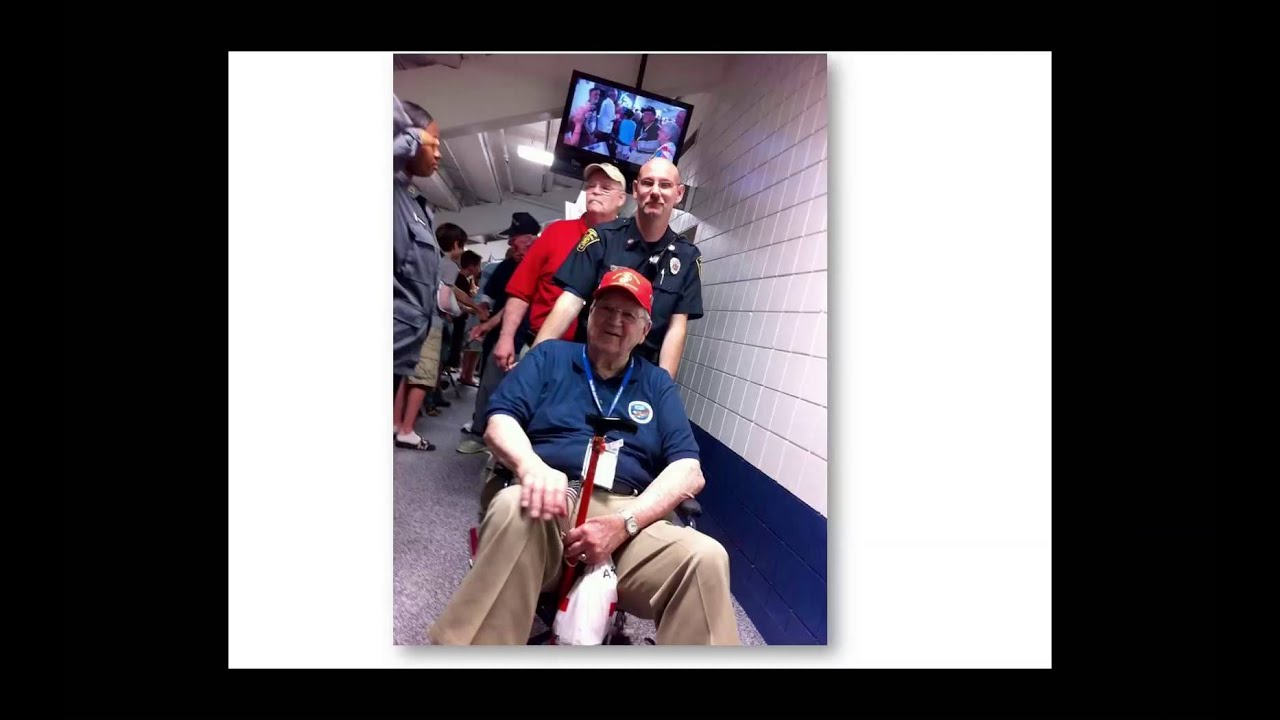
Dan Moyle runs the Talons Out Honor Flight hub in Southwest Michigan, which flies WWII veterans to Washington, DC. His program has flown 177 veterans so far, with 79 on the most recent flight. He explains how Honor Flight uses social media and storytelling to recruit volunteers and donors for the mission.
Chapters
Greetings everybody. Welcome to the Wednesday, November 12th, 2014 episode of Free Webinar Wednesdays. This is Eric Cook and I'm with WSI Internet Consulting where we work with businesses and organizations in helping them better understand and leverage the power of the internet as a strategic business tool. You can learn more about me and WSI online at www.poweredbywsi.com. Unfortunately, my good friend and Free Webinar Wednesday partner, Mr. Jeff Simpkins of Community Bank Consulting, Inc., is not available to join us today, but he sends his regrets, and I'm sure he will be listening to this presentation once it gets recorded and posted online. So, uh, we'll just make sure we say all sorts of nice and wonderful things about Jeff in his absence, and, uh, we'll look forward to getting him back on the show at some point here in the very near future. But in his absence, I'm very excited to have my good friend Dan Moyle from AmeriFirst Home Mortgage on the show. And Dan has been a guest of ours before talking about the concept of inbound and content marketing and some of the cool stuff that he's doing over at the folks at AmeriFirst. And we're going to talk, given the fact that this week was Veterans Day here in the States, and I kind of had an epiphany. It was one of those last-minute ideas that I had, and I just— I love it. I've been following Dan and everything that he's been doing with his efforts through the Honor Flight program, and I thought it would be really cool for him to come in because he's kind of tied in some social media and some content and some other stuff to really kind of do good for our nation's veterans, and I think that's really cool. So while I go and work my magic and send him the screen, and we'll let him talk here in a little bit, I promise. I just want to remind everybody that today's session is being recorded, as they always are, and will be available at freewebinarwednesdays.com. And if you've got a comment, question, or a thought that you'd like to share with us, please feel free to use the chat feature in the control panel, which is likely located in the right-hand corner of your screen. And I'll go ahead and keep an eye on those while we go ahead and walk through today's session. So, Dan, without further ado, thank you so much for squeezing me in and joining us today on Free Webinar Wednesdays. It's great to have you back.
Hey man, I appreciate the time. I love talking about Honor Flight and, and marketing both, so this is perfect.
Exactly, exactly. So, well, like I said, and I think maybe people caught it in the actual update, my grandfather was actually a World War II veteran and had one, one child at home while he was away, came back and proceeded to have 7 more, I'm sorry, 6 more for a total of 7. And one little joke that I told one of my uncles that I would share with my grandfather because I kind of want to dedicate today's show to him and all the veterans out there because I think what you're doing is awesome to keep their kind of their memory alive if they've gone and to honor them while they're here. But with 7 children, everybody always used to ask my grandfather, you know, why did you have so many kids? And my grandpa would say, well, because your grandma's hard of hearing. And everybody'd say, what? And he says, well, every night we go to bed and I'd say, you want to go to sleep or what? And Grandma would say, what? So that's, uh, so there's a little tribute. My grandpa had a lot of other funny ones too that, uh, I don't know if I need to share them all, but he was a funny guy. And the one regret that I have is I never really chatted with him much about his time, uh, in the war. And I don't know if he really would have talked a lot about it, but I'm very envious of the time you've been spending with these veterans, and I'm sure you've heard some amazing stories and just have a whole different perspective on the sacrifices that these guys, especially the older veterans, have put forward for our country. So, you know, I'm gonna shut up now because I want you to talk, but I wanted to make sure I got my grandpa some recognition there. And, and we miss him and we're proud of him. And with that, the floor is yours, my friend.
Well, you said a couple of things there that I want to touch on before we get into it real deep. First of all, the fact that you said that you wish you would have talked to him more, but he probably wouldn't talk about it a whole lot, that's the case a lot. And what happens is, on these honor flights, which I'll explain in a moment, that is a story told again and again, or a comment made again and again, that, you know, I went on this flight with my dad or my grandpa or my great uncle or my neighbor, and they wouldn't talk about it for years and years, but The Honor Flight opened up those floodgates of stories and that healing almost for these guys to talk about it again, you know, 70 years later. So that's one of the benefits to Honor Flight is that we get to hear those stories finally, or families get to hear those stories. Once these veterans come back from their flight, they begin to talk to their families, to their kids, their grandkids, and it's really cool to see that happen. And second, you mentioned that you wish you could have heard those stories. You're envious of us. Tell you what, man, you want to come be a guardian for one of these vets, you can hear the stories all day long. And I'll tell you what a guardian is coming up here. Yeah, so Honor Flight, you see, so I have the floor on the screen, right? So the screen you see—
Yeah, we're seeing your screen.
Very good. Honor Flight itself is a national group that honors World War II veterans with a trip to Washington, D.C. to see the memorial built in their honor. We operate under that national guideline. We are a South Michigan hub of the national group. We are completely local and we are the Southern Michigan hub. So that's what this here is. And then the basics of who we are, you can read it there, but I'll just tell you. We fly our local World War II vets to DC or any other veteran who is terminally ill from any other war. We take them to DC. Took us 60 years to build that World War II memorial. By the time we built it, they weren't able to travel, they couldn't afford it, they weren't healthy enough, whatever the case may be, they haven't been there. So we're taking them at no cost to them because of the generous support of our community around us. This is completely nonprofit, volunteer-based, fundraiser-driven, donation-driven, and we have a great, great community around us that does that. I'm so proud of our Southwest and Southern Michigan communities around us that are doing this. After that tour of DC, we bring our vets home actually to a homecoming fit for the heroes they are. You know, 70 years ago when the war ended, they came home quite often like in the evening or at night to empty houses or sleeping houses. You know, some of these men and women went off as 16, 17, 18-year-olds, come back a few years later, they don't have their own homes, they go back to mom and dad's. Mom and dad are sleeping. The veteran goes to bed, gets up the next morning, has breakfast, goes out and finds a job. That's their welcome home. They saved the world from tyranny, and that's their welcome home. So 70 years later, we bring them home to a big homecoming after their big day. So yesterday I had the opportunity to talk a little bit about who we are and what we do and why we do what we do, and this is that, that presentation. I also have a little bit of focus on 2 quick stories. On another part of World War II that we may not realize, and I want to get to that in a minute. These pictures here in this first round, these are our veterans in the blue with guardians in the red. Every vet has a guardian that accompanies them for the entire day. They push the wheelchairs for them, they carry backpacks for them, they take care of them throughout the entire day. And it can be a family member other than a spousal relationship, no spouses, no girlfriends. But, and we do that for several reasons, but we do allow other family to apply to be a guardian, whether it's a grandson in the bottom right corner, whether it's a daughter in the top right, or on the top left, just a community guardian. The guy in the red is a veteran himself, and he took a World War II guy that he'd never met before, and they went together. So it's very cool. Every veteran has a wheelchair available to them for the entire day because, yes, these men are in their 90s. Or very late 80s, they're in their 90s and they need sometimes to just rest a little bit and we have wheelchairs available for all of them. We take their health and safety and honor and enjoyment extremely seriously. We make sure that we are able to take care of them throughout the entire day. So that's kind of where it starts. This here is the airport at 4:30 in the morning in Kalamazoo, Michigan. We start getting them signed in, we get them Breakfast, we get them a little bit of live music going on with some singers. We had the Mall City Harmonizers there this last time in September singing almost like a barbershop quartet, but there was about 12 of them. So a cappella, '40s era, patriotic, very cool stuff. We start getting them checked in and getting ready to go. They get on the plane and they get ready to taxi, and this is what happens. The Kalamazoo Airport comes out with their fire departments, give them a big water cannon salute to wish them well on their day. The military is there, some of our military friends in camos and their dress blues, whatever they want to show up in, to salute these vets as they take off. And we just honor them from the moment they walk into the airport. We're giving them honor, treating them like royalty. Once they arrive in DC, We have a big crowd there show up, whether it's DC-based Honor Flight volunteers or it's just random strangers. They show up at the airport and they welcome them to DC. Enjoy your Honor Flight day, sir. Thank you for your service. The thanking continues throughout the day. Sometimes they'll have people there at the airport in DC, they'll have women dressed up in '40s gear with music playing, and they'll grab a vet and they'll dance with them for a minute.
That's awesome.
It's just, it's so cool to watch these guys smile this big throughout the entire day. We immediately get on our buses and head over to this, the World War II Memorial. What an amazing monument to what these men and women did for us so many years ago. It's beautiful. Every one of those columns is a giant granite column, or marble, sorry, marble column for each state. So we go over to our Michigan column and get pictures there. It's just meant to to show tribute to the the things that they've done, and there are a lot of nuances to the design that we talk about when we're there. But you can see there's a lot of people there. Our folks are in the red shirts and the blue shirts. The orange over to the side is another honor flight. Back in the far left is another honor flight. Dignitaries show up. Sometimes Bob Dole is there with Elizabeth Dole. Fred Upton sent one of his staff members over there because Fred was actually at Michigan. And he welcomed them home that night. We have other congressmen, senators, dignitaries show up and welcome them, but also just random strangers. There are men and women there who know what Honor Flight is, or they see the World War II hats. Younger generations come over in their uniforms and they connect, and, you know, the younger vet says to the senior vet, thank you for your service. The World War II vet says to the young kid, they say, well, thank you for your service, and it's a beautiful connection that they have, and it's just so cool to hear the stories talked about, and, you know, these World War II guys will point at their uniforms and say, well, I had one of those stars, or I recognize that award, or I see what those stripes mean, and they talk about it, and it's a great cross-generational connection. And while it's a lot of happy moments, This is one of those things that's very somber. This is a chance for the vets while they're being honored, you know, they're so humble and say, well, I'm not a hero. I don't deserve this. This is the chance for them to honor those who they see as heroes, the men and women who fell in the war and didn't make it home. This wall of stars, it's about a little over 4,000 stars. Every star represents 100 lives lost. 100 American lives lost in World War II. So that's over 400,000 lives lost. And while we look at one of these vets and we see a 90-year-old man, 90-year-old woman, they look at each of those stars and they see the faces of their brothers at 17, 18, 19 years old. They weren't old men when they died. They were kids. And so this is a chance for these World War II vets to To pay tribute to those who lost their lives. And we often will let them just take their time there. They can stand there, sit there, or just be there and just reflect on the day. And it's a wonderful time for them to have some closure, for them to have a little bit of honoring of their brothers. Other stops we take throughout the day include other monuments like the Air Force Monument here. The National Cemetery, Arlington National Cemetery, we go there for changing of the guard. We see a tour of D.C. from the buses. We take our buses with our police escort up on Capitol Hill where buses are not allowed. So these guys come home and they say, can you believe we got to have police escort like the president? We get to go where buses don't get to go. We got to do this. And they're like—
They're excited.
They're like kids. It's amazing. We take them on a complete tour of D.C., and by the end of the day, we get back on the plane, and we're not done. We have more up our sleeves, and they have no idea. You know, we're talking through the internet here, obviously. It'll be recorded. You can tweet it out. You can get on Facebook. You can text your friends. Back in the 1940s, they didn't have that, obviously. They had mail. And so they would wait for weeks for letters from home, and they would get what's called mail call. The mail delivery would come and they'd yell out their name and they would hand them a packet of letters. We do the same thing on our flight. We collect letters from their families, from their friends, from neighbors, from church groups, school classrooms, you know, 4th graders, 2nd graders, whatever the case is. We stuff their envelopes with their personal letters, we stuff them with letters from the community, and we start yelling out mail call and yell out their name. And you wouldn't believe the surprise, even though they've seen their friends around them get them, when we say, Kowalski, Bill. He looks up and says, I have letters? And they open them up and they begin to read them and I would be surprised if there's a dry eye on that airplane as we're flying home while they're reading these letters. So many of them say things like, and these are direct quotes, I had no idea my family still cared. I had no idea these kids in school knew what World War II was. Oh, can you believe it? These kids are getting so big, but yet they took time, and they're so busy, they took time to write me a letter. This means the world to me. And these guys will read these letters over and over again for weeks, for months to come. We hear so often that even when we do lose one of them, that they still had their mail call sitting by their chair months and months later. It means the world to them, and it's such a cool community thing that even if you don't have a vet that's there, You can write letters to us, and we'll get them in their hands. Just you know, dearest veteran, honored hero, thank you for your service. And and and they they read these, and it's it's just so powerful. But while they're doing that back at home, we're getting a few of our friends together to welcome them home. Like I said, they don't have those memories of a homecoming when they when they came home from the war. It's coming home from a an honor flight. We get Their family, their friends, their neighbors together. We get our military to come out. Our firefighters are big supporters, our police force, first responders. And these are 2 big ladder trucks from our area and a giant flag that the buses drive under when they get back. You know, we charter a jet and we fly, but then we bus them to our welcome home area. And they love it. And they come through and they see all these folks standing there. At one of our other flights, it was dark out. But you can see Patriot Guard riders there with flags. There's Boy Scouts there holding flags, Girl Scouts, Blue Star Moms who have military members in war right now. Blue Star Moms are there to welcome home the World War II vets, the senior generation. It's a great community outreach thing, and it's such a cool thing to see these men come through this Parade and shake hands. They're shaking hands of little kids, of adults, strangers, of family. We hear so often, "I have never shaken so many hands in my life that I did on Honor Flight Day." It's so neat to see these folks come out and welcome them home, make signs either for just strangers or for their their own family. You know, welcome home, Grandpa. You're my hero. They'll make signs that have. A picture of the veteran from 1944 when he enlisted, and it'll say, you're my hero, Grandpa. Welcome home. I love you. It's really neat to see the community come out for this. And this is the kind of story that happens. This is Bill Kowalski in the front in that Marine hat, the blue shirt, and the red shirt behind him is his son Jim. Jim was Bill's guardian on the flight. Between them is Bill's grandson, or Jim's son, Todd Kowalski. It's 3 generations of Kowalski men going through the Honor Flight welcome home parade. The last photo of them together, because 2 weeks later we lost Bill Kowalski. Colonel passed away after our flight, about 2 weeks. But he talked about it the entire time about what a great community he has around him. How his faith in his country is that much stronger, how neat it was to see the youth come out, what a great time he had with his son. This was a big memory for them, and this was, again, 3 generations of Kowalski men that had never necessarily talked about the war all that much. They were able to connect with that, and you can see that it means the world to them. In fact, the man wiping his tears right there, not to be a complete downer again, but They're up in age and we lose them. He's actually a Korea War vet that was terminally ill. We just lost him this week, Guy Robinson. But he was moved to tears by his community around him doing this Honor Flight program. It was a beautiful, beautiful day. So that's what Honor Flight is and who we are. A quick story from World War II to go with Veterans Day. We know that we have four-legged vets out there. Eric, I know you've got Your pups, they're your family. We have veterans who are family who were four-legged, the furry vets that were out there on the front lines with our soldiers and sailors and Marines and airmen, and they were serving right alongside these these men, doing what they do, taking care of our country, and yet they're often forgotten, they're underappreciated, and they just we don't remember that they're out there. In fact. During World War II, Marine Devil Dogs learned the art of war at the Marine War Detachment Training School at Camp Lejeune in North Carolina. These dogs were specifically trained to accompany Marines in landing operations. They went on sentry duty with them, delivering messages, and out as scouts. That photo right there is Private Alexander Baccardo with his fighting partner, a Doberman Pinscher. 2 very important soldiers that we found looking this up yesterday. We've got Chips. Chips is a German Shepherd Collie Husky mix that ended up being the most decorated canine that served during World War II. He was privately owned, just a pet from the Wren family, who donated him to the Army because they were asked to donate dogs to serve their country back then. So in 1942, Chips began training as a sentry dog, traveling the world while serving the 3rd Infantry Division. Saw action in North Africa, Sicily, Italy, France, and Germany. And a cool story about Chips right here, you want to talk about bravery. 1943, during the invasion of Sicily, Chips and his handler were trapped on the beach by machine gunfire. Whereas I might have been just cowering and afraid, Chips actually broke free of his handler's grip, ran towards the gunfire, attacked the gunman, and caused the surrender to American troops. Our 4-legged Veterans are our heroes. And for his heroism during the war, he was actually given the Silver Star, the Purple Heart, but because dogs couldn't be given those awards, they were actually revoked. And he was unofficially given a theater ribbon with an arrowhead and 8 battle stars for each of his campaigns. When he returned from the war, he was returned to the Wren family. So that's a brave dog for you. That's a great story. That's a war hero for you. And now for the aww factor.
Aww.
I heard that each presentation yesterday. This is Smokey, the Yorkie Doodle Dandy. Smokey's actually the smallest famous military dog that we could find. 4-pound, 7-inch tall Yorkshire Terrier who unofficially served in World War II because in 1944, a soldier, an American soldier found Smokey in a foxhole in the jungles of New Guinea.
Aww.
He brought her back to camp and actually sold her to his corporal, William Wynne, for $6. Now, for the next 2 years, Smoky lived a pretty good life. She didn't get dog food or medical care because she wasn't an official military dog. Instead, she shared Wynne's meals and slept beside him in his tent. The little dog even flew 12 air and sea rescue and photo reconnaissance missions secured in the soldier's backpack. She survived 100 50 air raids and saved Wynne numerous times by warning him of incoming shells. She also liked to learn tricks and perform and did so with the Special Services entertaining soldiers in hospitals. And then after the war was flown back to the US. Now get this, hidden in an oxygen mask carrying case. Because of course you couldn't bring a dog home from overseas. So Wynne hid her and brought her home. And for the next 10 years Made television appearances in veterans hospitals and public appearances, considered the first therapy dog. So that was pretty cool. Now, we don't hear much about these dogs, but they are out there and they are honored in D.C. This is the Korean War Memorial. Now, you can see these are the men that are walking through the rice paddies, but next to that is a wall with etchings of faces. And there's an etching of dogs on there. And so many of our veterans go over and they pet it and say, I remember the dogs in my unit. I remember hearing stories about the hero dogs out there. And so even our 4-legged animals, our 4-legged vets, our friends are honored on Honor Flight. So it's a wonderful thing that the community supports. There's probably an Honor Flight in your area wherever you're listening. And I would say definitely get involved. They're all nonprofits, 501. We are completely volunteer-driven. We, Talons Out, serve Michigan from shore to shore, from Indiana up into Grand Rapids. And you can see obviously that's our website there. So that's my speech on Honor Flight. So Eric, you want to talk a little bit about social and marketing and how we do what we do?
Yeah, but before we do that, I just want to kind of take a moment and pause on that because I'm I'm kind of blown away by the stories, and, you know, you know, and I think a lot of people that know me know that I'm very much a dog person, and I wouldn't even have thought that there was even that angle to the Honor Flight and to the remembrance, and so that's pretty cool. You know, we have 4-legged children. We don't have 2-legged, so.
Yeah.
It makes college funding a whole lot easier.
Yeah, it does.
My question for you before we kind of jump into the whole social side and how you've promoted this and really generated some awareness is what was it that inspired you to get involved in an effort like this? Because I'm sure this is something that is a labor of love and probably not a brief amount of time and commitment on your part. You're a busy guy and you've got a family and a job and everything else. What caused you to want to carve out hours upon hours of your day, week, month, year to do something like this?
The short answer is that I didn't serve my country in the military, so this is my way to serve those who did, because I know that for all our faults, for all our ups and downs, we live in a pretty darn good country. We wouldn't have our freedoms, and we wouldn't have other countries that have freedoms without our veterans. And so, for me, you know, I've always respected our military, but I never got involved to this degree. But I always knew in the back of my mind that I've got a good life because of men and women who came before me. And so that's why I do what I do. And it started because my my sister-in-law came to me and said, this is almost two years ago now, and said, "There's this movie called Honor Flight: The Movie," where they honor World War II vets, and I want to bring the movie to Michigan for a premiere, but I need help marketing it. You do marketing, would you help me? And I thought, well, you know, hey, World War II vets, that sounds noble. I'm sure I know somebody that was in the war, probably. I don't have a real heavily military family, so I didn't really know, but then I thought, you know, you're my sister-in-law, I'll do something nice for you. So I did, and it took all of maybe 30 seconds of watching the the trailer to the movie on our flight to the movie. And I realized what it really was. And I asked her who locally we could work with here in Southwest Michigan. And she said the only other Michigan hub at that time was up in the UP, way up in the Upper Peninsula towards Wisconsin, almost to Marquette. And so I knew that we had to help serve our local vets in some way. And she said that she wanted to start one. I said, I'm on board, let's start it somehow. And so we did. And we had— we were the co-founding kind of board. We had one other person on the very first board of directors, so to speak. And we just started working it. And yeah, it's a lot of time, a lot of work, a lot of effort. There's some stress involved. But honestly, when we hear the stories, when I talk to family members, when I When I get to meet these vets, that time melts away, and I'm able to show these men— and the few women that have gone on a flight as well— that people still care. We want to hear their stories. We want to know what they went through. We want them to know that we appreciate it. It's never too late to say thank you. So that's why I do it.
Cool. And how many— I guess at this point in time, how many volunteers, red shirts, do you have, and how many veterans over the couple years have you been able to take over to D.C. and touch with your efforts? Yeah, we—
June of last year we had our very first volunteer meeting, pretty small, you know, maybe 15 of us. In October, so just a few months later, we flew our first flight of 21 veterans. We then, the next spring in May, we worked all winter long and raised money, And we flew 77 vets. And then in September, 79. So 177 vets so far is what we've been able to take. It's been an absolute amazing thing to do. Every veteran has a guardian that goes with them, or we pick up a couple guardians in DC. So as far as red shirts go, we definitely have another, you know, 180 red shirts. But then the ground crew, we have volunteers that help us do check-ins. The Red Cross helps us serve breakfast. You know, we get breakfast donated from the Tailwind concessions in the airport. We get coffee donated from Bigby. We get money given to us, you know, from various places. We have the wheelchairs are donated by Lending Hands of Michigan. We get, you know, the shirts that we purchase with the logo on them or the jackets that we give to the veterans and guardians are given to us at a very good price from the Spirit Shop in Kalamazoo. So community partners and our volunteers number in the hundreds, I mean easily. You know, we get the robotics club of our area called Strike Force has been out a couple of times with us, and they help us, you know, anything from just running things from here to there to carrying signs around the crowd to, you know, helping with crowd control. The Patriot Guard riders come out and hold flags for us. The different military branches and deployments and stuff here in our area, whether it's reservists or anybody else, they help us with, you know, things like the honor guard or just being there to shake hands. It's a lot of volunteers that go into one of these things.
And the guardians, are they Paired up with the veteran like the day of the event, or do they get an opportunity to meet them before and have some interaction? And, you know, I'm thinking Big Brothers Big Sisters kind of thing. I know that's not really an appropriate apples-to-apples, but do they have any interaction with them before the event, and then do they keep in touch afterwards, or is it kind of just the day of?
Yeah, we encourage them to get in touch with them beforehand. We start making calls about 6 to 8 weeks out from flight day. And if a veteran does not have a family guardian, we pair them with a community person. And we contact that community guardian and say, this is your veteran's name. Here's a phone number. We suggest that you call them and meet them in a public place with their family so they get to know you, you get to know them. And most of them do that. And then after the flight, man, they come back almost like family. I actually flew last November with the Milwaukee hub called Stars and Stripes Honor Flight that the movie follows. I got a chance to fly with them as a guardian, and I still call my veteran that I flew with. He's obviously in Wisconsin. We can't just meet for coffee, but I call him every once in a while and we talk, and I know about his family. I know that he just got a new apartment. So yeah, a friendship develops. And we stay in touch with them. When we do lose them, somebody ends up at the funeral service in some way, whether it's an official Honor Flight person or just, he was my friend, so I'm going to his funeral. That's kind of a morbid turn to it. But I mean, that's the thing is that we get to know the families. We get to know the veteran. We end up quite often as friends long past flight day.
Wow. That's very cool. Well, you know, I want to make sure we leave some time to kind of walk through the whole social side of this and how you've leveraged technology and new media, which I'm suspecting is probably something, you know, pretty foreign to a lot of these people. Like you said, they waited weeks for mail to show up, and here we are communicating in an instantaneous world. And I can tell you, we have people that are logged into this That are literally across the world that are listening to us live today, which I know if my grandfather was still alive would probably blow him away that we're doing all of this and not charging anybody a dime for it and just doing it because we can.
Yeah.
So it's, it's a pretty amazing world that we live in. But let's talk a little bit about how you kind of, when your sister-in-law approached you and said, hey, you do marketing, can you help me? And little did they know you're kind of the inbound man. And, uh, What you've done to help get the word out, which I suspect has helped with visibility and fundraising and all the other things to make this possible.
Yeah, for us, you know, you're right, they don't necessarily do a lot of internet stuff, but you might be surprised. We've got quite a few World War II vets that liked us on Facebook, so they're out there.
They're out there.
Yeah, you know, and when they do apply, again, it costs the vet nothing, but they have an application process they go through. A lot of them do have either cell phones and/or email, so they are able to do that. But with that said, they are not reading blogs and watching the Twitter feed and on Facebook all the time by any means. So for us, the internet inbound marketing content, social media, all that is really about who the buyer persona, so to speak, is. Who is it that's there that we can reach? So it's influencers like grandkids or kids, and they say, hey, Grandpa, did you see this Honor Flight thing? I think that would be great for you. That's one thing that we can do with it, and we do. Obviously supporters is a big one. When people hear about us through the traditional channels like the news, the media friends that we've made, newspaper, radio, TV, they go to the web and see our website and Oh look, there's information there at least once a week on Facebook if not more. We've got some photos, we've got some video, we are, as probably everybody is, we're going through a website redesign right now. We've got a new site launching here in the next couple days at the same URL of course but a new look and it will include many more photo galleries. Because people do, they love the photos. And we have great photographers that go with us and that are at the airport and at homecoming. But yeah, we use inbound marketing or content marketing to really tell the story. I don't want our organization to be one that walks around the community with their hands out saying, oh, we are going to fly, we need money, give us money, give us money, give us money. That's not a successful strategy for, I don't think, for any nonprofit. And I would say probably most of the nonprofit folks that I talk to agree. It's not about the handout. It's about telling the story. And for us, what an easy story to tell. Oh my goodness, I'm so lucky with this. Who doesn't want to hear about their grandfather's experience in the war? We all have grandparents, right? Whether we've lost them or we still have them, we all have grandparents. It's a soft spot for us to talk to one of these senior members of our community and hear their stories. So telling the stories of World War II, telling the stories of the 90-year-old veteran now, bringing back the stories of those who have been on a flight is huge. You know, when we have done interviews, video interviews, the most powerful ones are the ones where they choked up a little bit, or they smile big and say, what a great community this is. That's the kind of content that drives the support, whether it's volunteers or whether it's financial. So we use content for that more than anything else. And then secondarily, to get the word out about our fundraisers. We've got one coming up next week that we created a Facebook event page for. I went through and invited a bunch of friends, and then put it on the website, and did all this stuff. It's definitely a way to just connect. And if you're not trying to make money on Twitter, the KPIs that you look at are what's going to drive your content strategy. So for us, it's been making those connections, finding the friends that we can utilize to get into— like, let's say if I'm on Facebook and I find a friend of mine works at Stryker, I might reach out and say, you know, you've seen our posts, would you be willing to get me in there to talk to somebody? And that's how we've used social media quite a bit.
That's pretty cool. Yeah, I would imagine, because really the whole concept— and there may be some folks on that aren't as familiar with some of the digital marketing terms that we've been tossing around, like content marketing and inbound strategy. So maybe you could spend just a little bit of time giving folks a catch-up because I know I did send this out to a few people that, you know, it's kind of a unique topic today that doesn't really have a whole lot to do with digital. So there may be some folks that maybe need to understand that. But telling the story around this I think is really easy. So maybe give a CliffsNotes version of kind of what is the concept of inbound marketing and content and why it's so important in today's day and age?
So inbound marketing is the shift in marketing away from shouting at people and interrupting their days through, you know, TV commercials or billboards or banner ads or whatever. And it's shifting the focus to a more, we create the content that brings them to us that helps them to trust us. So the inbound strategy of inbound marketing is to attract, to convert. So you attract people to come to you to become visitors, they convert into leads or contacts, and then we close them into a sale or a, you know, whatever your close is. So for us it might be instead of a sale, it might be, you know, a donation or a volunteer. And then we turn around and we delight them. And that's, you know, great customer service, that's helpful information. You know, if I'm doing— using the Inbound Strategy for my work life at AmeriFirst, it's, you know, giving them helpful information about financing their home. If I give them— I'm helpful, then they trust us more and they are delighted much easier, so to speak. So for Honor Flight, you You know, it's telling the stories, sharing the news reports, sharing photos of their days to attract those people to see who we are. We convert them by telling more personal stories. You know, we use some kind of surface stuff to get them to come to us, and then we tell the personal stories of, you know, the guy that told us, Herman Moore, who said, you know, 70 years ago I came home from the war and I was dropped off at the At the corner of my parents' road, and I— it was, you know, 10 o'clock at night, 11 o'clock at night. They're in bed. Nobody's there to welcome me. I walked to my parents' house. A war hero walks to his parents' house in the middle of the night. Nobody's awake. He goes to bed. Next morning, he has breakfast with his parents. They're happy he's home, but then it's, okay, go find a job. And 70 years later, we welcome him home with signs, with music, with motorcycles, with Fire departments out there with lights lit up, a giant flag, shaking hands, and we tell him what a hero he is. And he says it's been 70 years in the making and how much it means to him. Those personal stories convert people from views into leads that are more interested in hearing more about us. How can I get my grandfather to go on this flight? How can I be a guardian? How can I get my company to help sponsor a veteran, and that conversion then turns into a close of some kind, whatever that persona is. Now we just continue to delight them through like our Facebook page where we post photos, you know, of veterans from 1945, or we post photos from the trip, or we post a video from a news report, and we delight them with further content. So that's kind of the inbound strategy overall. And it is, it's a shift. I mean, as we've talked before, it's a shift from billboards and TV ads and radio ads and these things that A, interrupt, and B, are very, very hard to measure for analytical data. And we use much more direct content and inbound that can be measured, that can have your key performance index, KPIs, or indicators, KPIs, you know, and turn marketing from a hopeful thing— oh, we sure hope this works— into a measurable, yes, this works and here's why.
Very cool. I would imagine a big component, and I'm excited to hear you talk about— you joke the website redevelopment and a website launch. But I would suspect the key, and to continue with the whole digital marketing chatter, the key conversion items are those stories and those pictures. So if I'm a striker and I've donated money to support it, I want to be able to go online and see all the pictures and watch the video and know that that money has been obviously used to make an impact in somebody's life and to be able to then communicate that through not just Facebook but on your website and other areas. I would imagine that that's going to be a critical component to giving back to those to make sure that they're reinforced and delighted, that they're so glad that they participated and were a part of your event.
Yeah, that's a great point. Absolutely.
Yeah. So Well, very cool. Well, you know, I know the Free Webinar Wednesdays typically last an hour. We're at like quarter to. You know, I don't know if there's anything else in particular that you wanted to make a mention of. I think it's pretty obvious, but I guess those that are interested can certainly go to thetalonsouthonorflight.org, and then you're found at Talons Out Honor Flight on Facebook. Facebook, you can just search for it there and make sure that you've clicked the like button. And there's a lot more photos and other sorts of things on Facebook as well. But any, any other suggestions, recommendations? Maybe if somebody's not in the Southwest Michigan area, how do they go find if there is a chapter in their area that they'd like to support?
Yeah, there's—
Maybe some closing thoughts on your part?
Yeah, absolutely. Yeah, honorflight.org, or if you Google Honor Flight Network, the national Honor Flight website has regional hubs, or regional hub network, or something to that effect. And you can go see, click a map on your state, and it'll list the Honor Flights in your state. There are, I believe it's around 150 hubs now across the country. Yeah, so definitely check it out. And my biggest request to anyone, I mean, obviously we'll take volunteers and financial support and everything else, but my biggest request is help us get to these World War II veterans. You might know a neighbor, you might see somebody in a restaurant that you go to later this week that has a World War II head on. Or looks like he's 90, and you can just go say, you know, I hope you had a good day today. By the way, are you a veteran by chance? And just kind of strike up a conversation with them and let them know that this exists, whether it's whether it's Talons Out or whether it's you know Stars and Stripes or Chicago Honor Flight or Indianapolis or anywhere in the country. Let them know that there's an honor flight out there and help them to realize that it's more than just a trip to D.C. It's a chance to. To connect with other World War II vets, to see this memorial, to spend the day just, you know, being honored and honoring those who they left who didn't make it home. It's— there's so many things we could talk about, but— about why they should go, but at the end of the day, you know, it's up to our community to reach these veterans. There isn't a central World War II veteran database that we can just go— mail out applications and then hit them up and say, hey, you should go, you should go, you should go. First of all, that's cold calling and spamming, and that won't work. Even the 90-year-olds don't want to be sold. But, you know, this community involvement, this word of mouth, that's so huge. Or if you, you know, one of your coworkers has ever said, yeah, my dad's a World War II vet, my grandpa is, you know, we'd love to reach more and more every year. So... Before we lose them, because we're losing this generation very, very quickly.
Yeah, well, good. Well, this has been great, and certainly we'll get the recording up on Free Webinar Wednesdays. And I know that you're a very social person online, and I'm sure we'll get the word out. But if anybody is interested, obviously, in maybe not speaking as to what this is, but encourage you to point them in this direction and Show them how to watch a webinar, take your computer over to their house and kind of give them a view of this, because I think this can really set the stage for something pretty powerful that hopefully they're aware of. But if they're not, I think this is a great effort. So again, I commend you for what you're doing, and you've obviously been impacted. And you did what a lot of people don't do, and, you know, you found something that was passionate to you and that you had an interest in, and instead of just going, yeah, that's cool, You kind of put rubber to the road and made it happen. So stuff like this wouldn't exist without people like yourself doing that. And you deserve some good credit for that too. So good job.
Thanks, Bill.
Cool. Well, I think that's— I don't want to say a somber, but I think a good reality check Free Webinar Wednesdays today. So some great stories, some sadness. With, you know, like you said, they are getting older and leaving us all too soon. But, you know, while they're here, I think this can make a big difference. So thank you so much for joining today, and I'm looking forward to getting this online and sharing it with folks. And I know I've got family members that aren't active participants in Free Webinar Wednesdays, but I know they'd love to hear about this and certainly would wish that Grandpa was still around, because I'm sure not only would he go on one of these, but he would probably be the one cracking jokes and making everybody laugh on the way there and back. And, uh, and so, but, um, yeah, so this is great. I, uh, thank everybody that's joining us live, and if you've, uh, stuck around this long and listened to the recording, thank you so much. And, uh, whether it's the local chapter here in Michigan or another chapter somewhere in the United States, um, spread the word. And again, thanks to Dan Moyle for doing what you're doing and being with us today. So with that, we'll close the show. Have a great week everyone, and we'll look forward to seeing you next Wednesday and every Wednesday at 1 PM Eastern at freewebinarwednesdays.com. Until then, have a good week. Take care. Bye-bye. Thank you.







