
Key Elements to Planning Your Digital Strategy with WSI’s Carlos Guzman
Carlos Guzman walks through a 14-question framework for building digital strategy, starting with Simon Sinek's Why, How, What and moving through buyer personas, competitive analysis, positioning, goals, messaging, and channel selection. Real examples include a law firm and restaurant chain HR recruitment.
Chapters
Digital, where we work with our clients and customers primarily in the community banking and financial services sector, helping them connect and engage with their customers online. Hop on over to poweredbywsi.com to learn about us and all the cool stuff we get to do with our customers from a digital perspective. Today's show, as all shows here on Free Webinar Wednesdays, is being recorded and you can hop out at any point. at freewebinarwednesdays.com and check out the recording. We are very excited today to have my good friend and fellow WSI colleague, 3-time contributing author, translator, and I'll tell you what that means here in just a little bit, Carlos Guzman joining us. Today's show is a continuation of our Digital Minds book chapter discussions. And Carlos joined me in the first and second editions of WSI's Digital Minds book and has also penned a chapter all about planning your digital strategy for our recently released third edition. If you are interested in future shows where we've got a number of the other authors joining us, or even going back in history and listening to some of the presentations that we've had previously from Ryan Kelly and Francois Lescott and a handful of others. Certainly hop over to freewebinarwednesdays.com and kind of browse through the archives and get up to speed on all the cool stuff we're talking about in our Digital Minds book. So before I officially relinquish the microphone and send the controls over to Carlos, I told him that I would try to do an introduction that wouldn't embarrass him too much. Carlos and I have spent the last couple of years together at Social Media Marketing World, uh, hobnobbing with some of the social media gurus from around the country. Um, Carlos also, as I understand, our, our book had been translated into Spanish as well as a number of other languages. And, uh, I just found out like literally 5 minutes ago that, uh, he was the one responsible for translating the first 2 editions of Digital Minds into Spanish. So he is very familiar with my chapters on previous books because he had to read them and understand them and translate them. So I feel like I'm in the midst of someone that's way more informed than what I am, but I'm super excited. And I've read your chapter, Carlos. It's a super good one, and it's a really interesting perspective on planning from a digital strategic perspective. So with that long-winded but yet Hopefully nothing but respect and admiration for you introduction. Carlos, welcome to Free Webinar Wednesdays, my friend.
Oh, thank you, Eric. I'm so glad to be with you and to be with your audience either here or eventually in the recordings that they will probably be watching on the next few days. So yeah, thank you very much. And let me just switch into presentation mode. Here we are.
There we go.
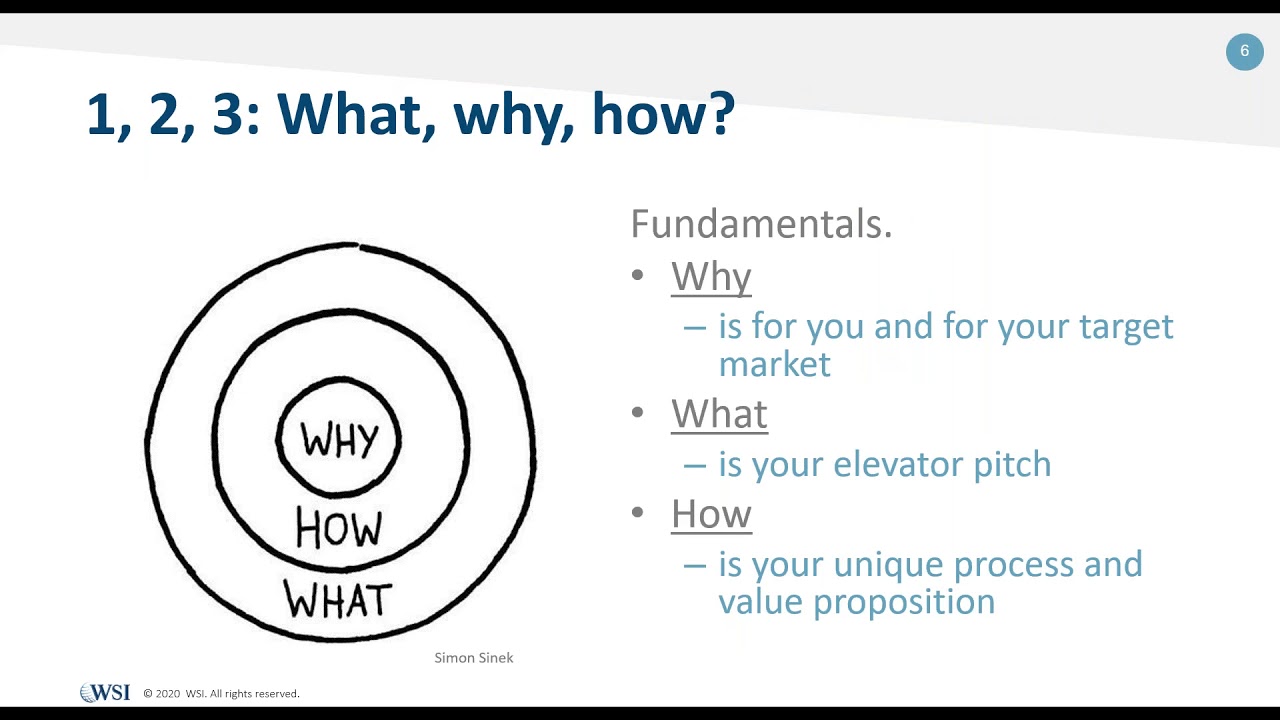
Okay, very good. Well, thank you very much. I was— I have been part of the 3 books that Eric kindly outlined, and I have been also responsible for the translation into Spanish, and it has been an awesome journey. And this— in this new book, I am— I was responsible of writing chapter 3, which is basically a strategic planning chapter, which was a challenge. So that's why— that's what I'm going to be talking about in the next minutes along this webinar. But here is my email in case you want to throw me a question, a response, something that you want to tell me, feel free please to write me afterwards. So this is chapter 3 and I was asked to write about defining the digital strategy. And I was thinking at the beginning, well, is there a digital marketing strategy or is there really a digital strategy for businesses today? Because we used to, we had like 2 separations in the past. There was like marketing and digital marketing, and there was like strategy and digital strategy. And I think that today it goes together. Everything goes together with digital. So if you want to reach really an audience, you really need to have a very solid digital strategy, but part of that strategy is your marketing strategy. And when I work as a marketer, as a consultant, as a— or probably me as head of my digital agency, it is very important for me to understand the business, the strategy of the business of my customer. And what I find very, very, very often is that when I work with large companies, well, strategy is usually something that they have done, that they do every year. They have outlined it in a document, in some cases they also include the digital components very detailed. So when I go to work with a big account, with a big company, it's easier because they do have the strategy written down and documented. But with medium and small companies, however, things are a little bit more challenging because most of the times there is a strategy, yes, but many times it's not outlined in a document. It resides on the head of the owners or on the head of the CEO. And it's not always a document that can be used by the agency or by any other suppliers or allies that want to make business and want to do business together with them. So that is why the importance of this chapter 3 in the book, because we really needed to define strategy. Now, defining strategy traditionally was done and is done still in many companies by going through a strengths, weaknesses, opportunities, and threats process, the SWOT process that we know. And this is very traditional and it's good. I mean, it's still very valid, but in the book, what we do is we propose an easier path. So what we said is, okay, why don't we list some questions that is very important to be answered And the answers of those questions will guide you through the planning process and it becomes easier. It becomes like a very easier path to follow and that was the objective of chapter 3, to provide a quick-to-follow path. So at the end of that path, my customers, our customers, or any company chief executive officer that wants to go through a faster planning process, they could just answer those questions. So I'm going to list them here. I am not expecting you to read them all. I do not expect you to write them all. You can check them on the recording, but I'm going to browse through some of— through all of them throughout the presentation and try to guide on how we can be solving each one of these questions. They are 14 questions, and the idea is that once you finish with these 14 questions and answering these 14 questions, if you do it in writing, if you do it with a discipline, you should be able to have a pretty good document that outlines your digital planning or your digital marketing plan. Okay, so that's, that is the idea. Okay, so questions 1, 2, 3, and please do not be thinking, oh, 14 questions, this is going to be so long. Now I'm going to group them. Some of them are going to be grouped together. So this is not going to be that long, but probably you are aware of an author that's, uh, whose name is Simon Sinek. And you can, you can search for him in Amazon. You can search for him in YouTube. And Simon Sinek, his more iconic book talks about a company that needs to define the why, the how, and the what. Those are basically the fundamentals, and I think they offer a very valuable set of questions, initial questions, because what Simon says is that the most successful companies in the world define their why very clearly, and they make sure their customers understand why they exist, why they do what they do. So that's the first question: why am I here? Why, why am I directing? Why am I managing this company? Why is my company in the market? And this is something that it should be, you should be able to answer it for you, but your answer should also be very appealing for your target market. The target market, the audience needs to be identified on your why, and that is the first question. The second question is what. Basically what can be summarized in your elevator speech. What is that you do? And you should be able to state these very, very clearly. There are actually complete courses and papers that state how you should, you should do your elevator pitch, how to design an elevator pitch. Here is only one of those 14 questions, but it is very, very important because this is the very summarized way in which you will be able to tell your audience What do you do? And I don't know if you have experienced this, but sometimes you get into a website, you browse the website, and then you ask yourself, well, what these people do, I do not get it. They give you so much information and so little value. So answering the what is very important. And then answering the how. The how is when the customer starts engaging with you, there will come a time in which they want to know How you do what you do. What is the unique process that you follow? And this eventually drives into your value proposition because many times your what is similar to many other companies and to many other competitors, but your how is where the difference resides. And we will get in more depth on these very specific unique value proposition along the presentation. But these are the first initial 3 questions.
Quick question for you on that. If you go back to the why, and I've seen a lot of Simon Sinek's stuff on YouTube, he's got some really good TED Talks that I'm glad that you mentioned people check those out. But in your opinion, when you define the why, there's also kind of build your vision statement of the purposes to, you know, your organization or the reason that you're in business. Do you see a correlation between a vision statement and your why statement, or do you feel that those might be different somehow?
They are completely correlated. Answering the why is the easy way to define your mission and your vision.
I was hoping you'd say that because I agree with you on that as well. So, um, and just one other little housekeeping item. I don't think I mentioned it in the intro because I was so excited to get started, but those of you that are attending live, if you have a question or you want to get a clarification on something or a different perspective, please feel free to use the chat function in your control panel and let us know. We love getting feedback from folks during the live webinar process, and I just want to make sure you know you can participate in the discussion today along with us. So, all right, number 4, the buyer persona. I think we lost you, Carlos. Are you still there? Alright. Just doing a quick little sound check. I wanna make sure you guys can still hear me. If you could toss back in and let me know if you can hear me okay. So we're getting some feedback. Sounds like you can hear me, but it sounds like we maybe have lost Carlos. So I'm getting a couple of you that have said you can hear me okay. So let me let— all right, so I will shoot Carlos a quick little note and make sure that he knows that we lost him. This is when, uh, sometimes a live webinar isn't always so exciting. Because we have problems like this.
Ramón, so we know there he is. There he is, Carlos.
Yes. Hey, we lost for probably a good minute. So you switched to the buyer persona, and I don't think anybody heard anything that you said. So why don't you go ahead and do a quick reverse, and we'll talk about the persona.
Oh yeah, yeah. So. So the buyer persona, I was— what I was saying is that it was, I think it's Francois Muscat who wrote the chapter on buyer persona, and I think you already presented on some of the webinars, right?
That was Cormac. Francois did the competitive research.
Yeah, that is correct. Okay, so there you go. Defining the buyer persona is really very important because it would allow you to focus the rest of your digital marketing strategy. And you need to define who this person is, what problems you need to solve this person, why would this person choose you, choose your company to solve his problems, where can you find this person, how will you reach this person, and what content will be appealing to this person. So what I was saying is that in my company, we have defined very, very clearly our buying personas. We have 4 buying personas. One of them, for example, we call him Ramón, and everybody in my company knows exactly who a Ramón is. So when a person comes as a prospect, and he matches the profile of a small or medium business CEO, we know he is a Ramón and everybody knows exactly what a Ramón represents. What's his worries? What are his preoccupations? How we need to talk to him? So defining the buyer persona is like a workshop you need to do in-house, With your planning staff, with your sales team, with your marketing team, and define 1 or 2 or 3 or 4, I would say not more than 5 buyer personas that allow you to really profile your leads. Am I still there? Yes.
Yep.
Okay, good.
We can hear you.
I'm gonna be checking at the end of each one so we don't lose ourselves.
I also started a WhatsApp thread with you just in case, so you can keep an eye on your phone as well if we lose you. again, but I know GoToWebinar, with everybody working from home these days, is experiencing some technical challenges with capacity. So we'll get through it though.
Okay, perfect. Now I have you on my WhatsApp, so we will be connecting here. So number 5 is, do you know who your competitors online are? And the term online is very important. Maybe you know who your competitors are in the real world, but not always in the online world. And how do you find them? Just search for your services and products and see who is showing on the Google page together with you, above you, below you. Those are your competitors because Google is classifying them exactly as Google is classifying you. So every time somebody makes a search, they will find them and they will find you and they will compare both. So you need to perform a competitive analysis, which is basically the other topic we were talking about from François's webinar, and you need to do that very clearly. So you need to really make an Rx investigation of what your competitors are doing online. And then you have to define if you're really delivering a unique value mix, a different set of activities that when you combine them with your expertise and with the skills of your company, you are really delivering a different value proposition to your company. And obviously, this would be your competitive advantage. Many times we do not invent things that are different to others, but we combine things in a different way, or we are more careful in one of the processes of, of the stages of the process. So that is our different competitive advantage. So it is very important that in question 5 you outline who your competition is online and how you compare to them. Online, when somebody is comparing you and the other companies that appear on a Google page, this potential customer needs to understand why you are different and why you are better. So that's question 5.
Question for you on that, Carlos.
Yes, go back.
So when you, when you take one of your clients through this process and they've maybe not Because I'm glad that you said your competition online as opposed to the, just the competition. How often would you say when they're forced to look at their online competition, do they discover that there's competitors out there that they may not have even realized exist, like brand new to the radar, that they were completely underestimating or overlooking?
I would say this very often. I would say this very, very often. I have a case. This was a lawyer buffet. They were specialists on intellectual property. Actually, the CEO of the firm had been the director of the institute where you register brands in Mexico. That was a government agency. He was like the top authority in intellectual property. Then he left that position, he went and formed his firm. And then he felt he was like the best buffet, law buffet, law firm for intellectual property in Mexico. But when you went in line, you could see other companies that offered brand registration online without even meeting with the customer. And they were also law firms. but they were only focusing in an online registration process for your brand. This firm sustained that those other companies were very bad. They were not good lawyers. They were— they didn't have the knowledge this company had, this firm had. But when you went into a Google page, these other companies were perceived as much better as the law firm this gentleman was managing. So at the end, the perception comes from a Google page, and you have to go there to really find who you are competing with online. And sometimes it comes as a surprise, and sometimes it comes as a deception because you don't like what you see there.
Right. We've obviously seen that growth, you know, in the banking space where we primarily serve our customers, and the bank across the street or the credit union across town has always traditionally been seen as the competitor, but the online pressure of online lenders and online checking accounts and online debit and credit cards, Now really expands that competitive horizon. And a lot of businesses still just think of it more as competition, not online competition. And I'm glad that you had mentioned that while the other law firms in your example were inferior, and at the end of the day didn't really have the expertise that your client did, the perception is reality to the consumer and they don't know any different. And so, all very valid and worthy things to give consideration to. So that was good.
Yes, yes. Keep in mind that online you could be competing with a millennial that works at home. His secretary is his mom. His warehouse is the trunk of his car. And in front of the Google page, they look exactly as you, and you maybe have 150 people and a big warehouse and a lot of processes, but in Google, you are together with him and you look just as him. So at the end, he is your competition there, and he's probably doing something better than you because he's on top and you're on the bottom.
Yep, exactly.
That is it. That is the issue. Okay.
Cool.
All right.
Good.
Cool. Let's, let's move to the other one. Probably many of you, and if not, let me invite you to read this book, The Blue Ocean Strategy. And this, this other concept comes from, from The Blue Ocean Strategy. Actually, 3 concepts come from that, from that book. Yeah, because the first one is differentiation. And you have to really make an analysis if you are competing on an existing market. And if you are competing on a very well-known market, then very probably your sales will come by stealing sales from the competition, by grabbing a piece of the pie that they already have. Now, if that is the case, and many companies start by doing this, What are the rules of that competition? What are the features that those companies are already offering? What are the features that you need to really improve or be better at in order to be able to steal clients from competition? Usually what they say is that when you compete on a red ocean, on a red ocean, that's the way the book calls these type of markets, Obviously, you are many times, if you don't have a very clear value added and a very clear set of features that set you in a different consideration, then you have to compete by price. And at the end, competing by price is not a very winning strategy, but at the end, many people have a good enough process that allows them to produce with a lower cost, and they can compete with price. But at the end, you have to make the analysis of if you are competing in a very well-known market and you are trying to steal part of the pie to some other competitors, then you have to really understand what they are offering. Now, in contrast to this, we have the blue the blue ocean, also referred to in the book. And the blue ocean, it's the other part, the other part of the spectrum. This is where you are offering something that has, that is so different and so new that it has very little competition. So you need to create the market and you probably need to evangelize and educate the market. On the red ocean, no, the people know the product and they are expecting from you something different. But here the people do not know the product, probably they do not know the market or the service, and you have to invest when you define your digital strategy. Your content needs to be more targeted into educational and evangelizing the market because they need first to understand what you are offering. So those 2 things are very important because they will define how you target the way you are communicating with the market. Either you communicate by features and by benefits and by cost, or you need to communicate what is that you offer new and why the people need that new service or that new different type of product. And this is very important. And sometimes if you try to sell into a new market, but you do not invest in educating and doing a bit of evangelization of the market, then the market will not catch, they will not get, they will not understand your service or product. So this is another set of questions that are also interesting and important to answer. Okay, obviously now, how are you going to define the goals of your strategy? And this might seem basic, but believe me, many times we don't have, we don't find the goals in the strategy. And one question that I do to my customers is, if you hire me as a digital agency, how will you know that I was successful? What are the specific goals that you are expecting to attain? And then let's try to make them very measurable. Let's try to make them very attainable. And let's try to frame them in a time period, in a timeframe. Okay, so in digital marketing, where we have the benefit that everything can be measured, so everything then can be put into a KPI. And if we can do that, then going from the goals to the KPI should be something quite easy, okay? But you need to do it. Sometimes it is not there, and it's such an important and essential component of the strategy. Well, how will you know that this digital marketing strategy is successful? And you have to state that, and you have to to check this with your agency or with the specialists that help you develop the strategy because it has to be attainable. It has to be something that can really be attainable. If somebody comes to me and tells me, hey Carlos, I want a website that is just as the Amazon website. Oh, that's wishful thinking, not very attainable unless you have a couple of million or maybe many million dollars to really get a website that can match Amazon's functionality, for example. Okay, so define your goals, that's the 9th, that is the 9th question. Then we go to the 10th question. What is the message? What is the core message that you need to convey, that you need to communicate? Because if you have a clear answer to the first 9 questions, then your core message should be very clear, and then you can start thinking of the message because you know your value proposition, you know your buyer persona, you know the benefits you provide, you know everything. So now you can start defining your message. Now, if you get a digital agency that comes to you and you meet with them today, and tomorrow they are giving you a set of messages for the advertising campaign. Oh, careful. How can they define a message if they do not understand your market, your competition, your buyer persona, your benefits, your differentiation? The message has to deal with all these 9 previous questions. Do not jump into trying to design a message because you want to start posting on social tomorrow, or you want to really very fast develop the content of your new website, If you have not done the analysis, because probably you will have something nice, but it will not engage with the type of customer and the type of market that you need to engage with. One thing that you need to understand is that this message will be the foundation of the story that you are going to be telling to your buyer personas. If the 9 previous questions were not answered correctly, then very likely your message can be deviated or not quite engaging for the buyer persona that you are pursuing. Okay, am I still there? Yes?
Yep, thank you, we can still hear you.
Thank you, good. So question number 11, what channels will you use? And this is also very important. Because once you have all the previous components defined and you know your message, then you can define the channels. You can define those channels through which you will send your message, through which you will be telling the story. Now, each channel reaches a different audience and each channel needs a different format and sometimes a different creativity. So if you want too many channels, because if you want to be in all social networks and you have to be in all video channels, then you're gonna be pulled, you're gonna be driving crazy yourself because every channel needs and has an audience, every channel needs a message, a format, and a different creativity. And too many channels will drive you crazy and probably will not be effective. So having the help of a consultant or having the help of a digital agency will allow you to put a priority to the channels that are available in the market and define which channels you will be targeting first. I mean, do not worry if you are only targeting LinkedIn and Facebook and you are not doing anything with Pinterest and Instagram and YouTube at the beginning. If that is the case, that is okay, because those channels probably are better for the audience you are pursuing, and those channels will get the full energy that you have to really develop a message and send the message through the channel. Being selective on the channels is also a very important part of this charge. Okay, so question number 12, do you have a database of prospects? Do you have a database of customers? If you are an established business, you probably have it, but sometimes it's so fragmented because there's 13 different Excel files throughout all the different areas of the company and we do not have a central database to really pursue the prospects and pursue the customer. Now, why is this very important? And this is very aligned with those CRM systems that are part of a digital strategy. Why? Because, you know, if your strategy is successful, then you will be feeding contacts and leads and customers into the— well, contacts and leads and prospects into the top of your funnel. Eventually they will become customers, eventually they will become repeating customers, But everything that comes into the top of the funnel will not convert right away, right? Not everything will happen at once, not all leads will be able to convert into clients. There's different statistics, but most of them say that if you get 100 leads, probably 8 of them, which is 8%, will convert into customers. Now, The other ones are not to throw away. The other ones, it's just that they are not ready to convert into customers yet, but they will be eventually. If not, they will not have invested all the time to contact you, to make a click on your ad, to really get into your funnel, visit the website, fill the capture form, but they are not ready to convert now. So if you have a good database, you know which of them were interested but need to be nurtured throughout some time in the future to really move them through the funnel and convert them into a customer probably in the future. And that is why your database is so important. If you have your customers there but they have not made repeated repeated shopping process, then you need to be able to be in their mind, to keep yourself in the top of their mind so they become a repeating customer. So the database is a key component that you need to have in your digital strategy. If you don't have it, then in the digital planning you need to consider that you will need to have a database of leads, contacts, prospects, and customers. And that is very important. And we are already on question number 12. So question number 13 moves us to the KPIs, which we already talked at the beginning, but now I want to go in a drill down here. Most of the tools, most of the platforms, most of the applications that are used in the digital marketing arena have their own analytics and they have their own metrics. All of them have them, but all of them have them apart. So having all that data, all that data distributed in different places makes it a little bit difficult to make decisions, to analyze and to draw conclusions from that data. So you need to really know which platforms you're going to be using and then how you are going to bring them all together so they can reside in one single place where all the information can be combined with all the information that will help you make a good decision, that will make you make a good analysis. So you only— you need to obviously choose all your analytics and the platforms that you're going to be using, but then you also need to consider that a good dashboard needs to be built. So your experts, your consultants, or your digital agency needs to build an executive dashboard where all the data, all the analytics from all the other different platforms come into one single place and present you with an image, with a picture of what is really happening with all your strategy. And this is important because sometimes you make a lot of efforts But you are not able to combine all the data that you get from so many different platforms. And at the end, probably your decisions are not quite as informed or are not quite as good because you are not considering some piece of data that you do have, but it's residing on some other platform and you didn't see it when you make a decision. And then we go to the, to the, to the final, to the final question, which is Which platforms and which technologies will you use? All these we have stated needs to be assembled in a very well-articulated choreography, in a very well-articulated strategy. And sometimes mixing, combining, and sequencing all this strategy is not easy to do manually. Actually, we think that manually is no longer an option. And that is why there's many platforms that are called marketing automation platforms, but which are basically a way of making all the sequencing and all the combination of the different tactics in one very well-designed choreography where everything can be triggered, everything can be analyzed and measured in sequence. And that is where these platforms come in place. Some of them are not as expensive as they sound. Some of them are quite expensive, but many of them are not. And we actually in WSI have one great platform that's called SharpSpring, but we have many others that allow you to make the sequence and to make all the automation of all these different activities that need to be performed in a very well and organized sequence. Obviously, you can hire the platform or you can hire an agency that has this platform and all the other pieces of software, and they include it as part of the service instead of you having to go and contract and hire all these different types of platforms and technologies. So basically, that is it. It's 14 questions. If you answer these 14 questions, then you will have a document that outlines very specifically how to define, how to perform, how to measure your digital marketing strategy.
All right. Cool. So we do have one individual that has raised their hand in the control area, and I sent you a private message. We don't use the hand because We don't unmute because we've had problems with microphone and audio. But if you do have a question and you would like to ask it or have me ask it, just use the chat function and go ahead and type it in, and I'll go ahead and ask that for you. Um, so one of the things that I loved about your chapter as far as setting the stage, and as I've had more conversations with other authors, and I know it's coming up down the road in the book, is every single one of your— well, not every single one because you've got 14 questions but there's 12 chapters— but a vast majority of your questions get detailed attention in future chapters in the book. So some of the ones that I know just off the top of my head that jumped into my mind, we already talked about, uh, Cormac's chapter on persona. You had One question in your 14 questions related to persona as to who you want to go after and what they're interested in. There's a whole chapter on persona. There's a whole chapter— next week we're talking with Chuck and we're going to get into the whole concept of converting website visitors into customers and landing pages and conversion. That was one of your questions, your, your comments about Driving that funnel and getting people that are interested in you doing business with you, analytics, nurturing your database. All of those are deeper dive chapters within the book that just further support this strategic plan that you've laid out. So I'm, I'm very excited of how the book turned out and all the value that it provides. And you've done a really, really good job of painting that whole digital strategy. So I don't know if you have any thoughts on that, of how this plays off other chapters down the— down in the book, but that observation, just epiphany, made— yeah.
Yeah, well, one of— yeah, I think that, well, in the WSI community, we have so many skills and talent throughout the world, and we had gone already through 2 books, and this was the 3rd. But one thing that sometimes it's not very clear is how do you combine and sequence all this amazing knowledge that each one of the co-authors puts in the book. And one way to really give it like a sequence and like an order and like a planning framework is to follow these 14 questions. Probably some of them, for example, there's, I think there's a some of them that might be just in a very high level. If you go through, for example, video, digital video, well, digital video is part of your message and it's part of your channel. So when you go in the book and read the digital video chapter, well, that is going to be part— if you decide that you need to send a message through video, through YouTube, if you decide that you need to include small videos in LinkedIn or Facebook, then the digital video chapter will guide you to that very specific tactic, which is part of one of the 14 questions of your planning. Because sometimes when you go to these, maybe you go through the 14 questions, you have your answers, and then again, it comes this question of how do I do it? Well, the book covers a lot of the how-tos that will solve all these 14 planning questions. And it's a way of like putting everything in order and putting everything in a framework that will allow you to follow a system. And at the end, you know exactly how the other chapters play, in which parts of your strategy, strategic planning play all the other chapters. So that, that was part of the idea.
Yeah, cool. One of the other things that jumped into my head, and I wrote this down right at the very beginning, but I wanted to save this for the end. You mentioned that you intentionally avoided calling it a digital marketing strategy because really it's about the digital strategy and the marketing strategy is a component of the overall digital strategy, right?
Yes, yes, that's correct.
So what I'm— yeah, so what I'm wondering is, should a business, while they're developing a digital marketing strategy, Should they take other core functions within their organization and figure out how they can digitize those for things like, like a digital sales strategy or a digital customer retention strategy or a digital growth strategy? How many subsets of a digital strategy do you think there could be, or do you really want to take a look at everything that you're doing these days and have a digital version of it. What do you think on that?
I think that digital is in the middle of all the different activities in a company, and I think that having everybody involved in digital planning, it's a must. And for example, let me— I have a very good example. We have a very well-known chain of restaurants that we do digital marketing for them. And the digital marketing had the goal of getting people into the restaurants. That was it, it was a lead generation strategy. And once, you know, just by coincidence, the head of HR, the director of human resources, she looked into the marketing campaign that we were doing? And she said, you know something, I am having a very hard time recruiting waiters, waitresses. They only use female waitresses and they have to comply with a certain profile. So we have a very tough time doing all the scanning and the filtering of all the people that would like to work into into the restaurant. Could we do something digitally which would combine probably attracting that talent through social, but then filtering through social, and then probably even getting all the information from, from them before we even go into the first interview? And one thing, these people are not in LinkedIn. It's not people that are in LinkedIn, because if they were they could do the recruitment through LinkedIn, which is a very good platform for that. So we defined a process through Facebook that would attract talent, and through a chatbot, we did everything that they were doing manually. We did the questions, we did the scanning of the people, we did the scoring according to the responses they provided, we did the capturing of documents, so by the time they reached the first interview, everything has been done automatically through Facebook. And it's not a sales campaign, it's not a lead generation campaign, it's just this question on the mind of the human resources director that said, could this help me in a digital way to make my work easier, to make my work faster, to make my work more precise. And at the end, actually, the lead generation campaign was suspended, but the recruitment campaign is still going on because it really saves a ton of time to the recruitment process. This is an example, and there are many examples. And today, with the COVID-19, that we are everybody learning to use digital in a different way, I mean, there's just a ton of opportunities to go digital in most of the areas of a company.
Right. And I would suspect your HR example, had you come out of the gate and worked with that restaurant chain and said, we're going to build you a digital marketing strategy, there might not have ever been the thought from the HR person to say, you know, well, hiring people doesn't have anything to do with marketing, so I probably don't even bring it up, versus a digital strategy in general, it leaves it open and broad for purpose and gives people the ability to think of, well, what are you doing now that while it might not be generating revenue, what are the good old-fashioned activities that you're doing as a business that may have a better way of doing it now, whether it's hiring or getting recommendations and referrals or reviews, any of those things. that digital might actually be a better or a complementary add-on to what you're doing now. So I think that was a great example to really kind of drive home the importance of not pigeonholing yourself into just thinking about digital marketing, but digital strategy in general.
That is correct. Yeah, there's a bunch of opportunities. We just need all the areas of the company to think out of the box, and go and look at the digital terrain, the digital landscape, and see what new ideas they come up. And then the agencies and the consultants, we will figure out how to make that a reality.
Sure. Now, one of the other things that just jumped into my head as you said that is oftentimes, and we experience this in the banking industry all the time, just because of the conservative nature and maybe unfamiliarity of digital, but when you go into a company and you try to get everybody, like you said, the entire organization, how do you address or handle when certain areas within the business, maybe those managers aren't very comfortable or they don't understand digital and they push back and they say, no, this isn't for me, I'm not interested, this doesn't work. Is there a way to show them? Is there a way to convince them? Is it a culture shift and maybe there's just different people that need to be in that seat? But how do you handle when you get pushback from some of the traditionals that say, nah, that my role within the company really can't be enhanced by digital and I'm not interested?
Yeah, well, I think that we do not go with pitching digital marketing. What we, what I do in the consulting process is I ask them, please tell me the 3 most important problems that you have in your day-to-day, in your area, that if they could be solved, maybe it will make your life easier. Just tell me what problems you haven't been able to solve and they will tell you, because I mean, Everybody has a lot of problems in their day-to-day, things that eat time, things that are not being done efficiently, or things that depend on one single person, you know. So once you get that set of problems, then it is the job of the consultant, it is the job of the digital marketing consultant to go back. You go to your own war room and you say, okay, this is the problem that this person has. How could I, how could I define or design a process to help them with this problem by using the traditional digital marketing tools that we have and maybe combine them in a different way? So it's like you start with a problem and you go back and check your arsenal of tools and see if some of those tools applied in a different way or combined in a different way can be set into a solution for that specific problem that probably people had not thought he could solve it with digital marketing tools, right? But you start with the problem.
Cool, good. Well, we are approaching the top of the hour and I can't believe how fast 60 minutes flies by. I always just I always love these because, one, it's always a good chance. You're in Mexico and I'm in Michigan, and we don't get much of an opportunity to hang out, although we, we did get a chance to do that in San Diego, which is probably, probably going to go down as one of the few in-person conferences and events of 2020, the way things are going right now. But it was, it was good to be able to spend some face-to-face time with you, but My pleasure. This time has blown by and you've provided some really, really good information. So in closing, you've got all of your contact information here. Certainly anybody that is interested in connecting with Carlos, I would certainly encourage you to do that. He is a consummate giver and educator, and you've shared a ton of information with me over the years, and I really appreciate your willingness to just give back to the community and help us all as consultants be better. So any closing thoughts on your part? Before we end the show and— No, no, thank you very much.
And obviously, obviously my appreciation because you are constantly giving back through these, uh, Wednesday Free Wednesday webinars, which really, uh, you are getting a lot of people with, uh, a good, good old-fashioned knowledge that usually is sold. And you have here a ton of knowledge that the people can get for free, and it's my pleasure to give away and to give back to the society. And yeah, my appreciation for you for doing this.
Cool. Good. Well, I want to encourage everybody to hop out. I know it had been released earlier on Amazon Canada and it is now available on Amazon in the United States. I'll be honest, Carlos, I don't know if Amazon has a totally different site than Mexico. I would suspect maybe it probably does.
Yeah, it does, but they are linked. So at the end, look for a book that is not available from Mexico, it will get shipped if it's allowed in terms of royalties and all that. If it's allowed to be shipped to Mexico, it will be shipped to Mexico. Now, the Spanish book was due to be out on these weeks, but because all of this, it's a little bit delayed and we are hoping to have this probably in 90 days. But right now we have this 3rd book only in English and it can be purchased, I think, throughout the world.
No, good. Cool. Well, thanks again for all of your tireless work to help spread the gospel of the Digital Minds book and your translation powers and for spending an hour with me today. So it's been a joy and thanks to those of you that joined live and asked some of the questions. Really appreciate you being here today. Join us next week. Uh, we're gonna have another author on the show, I believe Chuck Bankoff, uh, if I'm not mistaken. And if I'm wrong, he'll probably tell me, but I believe Chuck is gonna join the show next week and we're gonna talk about the conversion strategy. And, uh, I know he does a ton of talking on that, and I believe he's also a 3-time author, uh, as well to the book series. So, um, it'll be good. So thanks everybody. Enjoy the rest of your week. Be safe, be healthy, be socially distanced. But don't be distanced socially. Keep in touch with your friends and loved ones and toss out a little video connection and, you know, pick up the phone and call people to make sure folks know that you care. Now's the good time to do that. So with that, we'll go ahead and bring the show to a close. Thanks again, Carlos, and make it a great day, everybody. See ya.
Thank you, Eric. Thank you to everybody. Bye-bye.
Bye-bye.







