
The Changing Role of the Customer with WSI’s Valerie Brown-Dufour and Cheryl Baldwin
Valerie Brown-Dufour and Cheryl Baldwin from WSI Digital walk through their book Digital Minds, showing how customers shifted from passive buyers to data-driven decision-makers. They cover 12 chapters of tactics: SEO, chatbots, video marketing, CRM automation, and analytics. Start with the digital-strategy chapter and use video as your fastest, highest-impact tool.
Chapters
Greetings everybody, welcome to the Wednesday, May 13th, 2020 episode of Free Webinar Wednesdays. This is Eric Cook over here at WSI Digital where we work with and help our customers connect and engage with their customers online. You can check out all the fun stuff we do here at WSI over at our website which is poweredbywsi.com. Today I am actually joined not by one but two lovely ladies from our corporate office in Toronto, although Cheryl didn't let me know that she was going to be co-presenting. So you are seeing Valerie's lovely picture there. She's our president and illustrious leader from corporate in Toronto, but we've also got Cheryl Baldwin, who is our corporate marketing director. And today we're going to continue our conversation around our 3rd edition of our bestselling book called Digital Minds. It's now available in both Canada and the US on Amazon, and you can get it in paperback and Kindle version. And in the last now 3 books, I've had the pleasure of being selected as an author, and super excited that we're kind of rounding in. I think we've got maybe 2 more chapters to talk about, but Valerie shared some thoughts. to kind of kick the book off. So we're going a little bit out of order for all of our sessions, but this was the, the time that worked in our schedule. So we're really excited that Valerie and Cheryl are going to spend some time today talking about the changing role of the customer and how— Probably even more so now that we're in the midst of COVID and stay-at-home orders and everybody shifting to working from home and digital becoming even more of an important part of all of our lives. So I'm really looking forward to today's discussion. Valerie, I mentioned in the pre-call that I would say— I scared them that I was gonna mention some embarrassing stories, and they won't be embarrassing, but Valerie and I actually had the opportunity to meet for the first time, and the last time I told this story, I way undershot the years, so I'm not even gonna pretend that I remember, but we were selected to co-present as moderators/MCs for one of our global conventions and really enjoyed my time on stage with Val and kind of leading our global convention and all of our IC family from around the world. And that was a real enjoyable experience. Cheryl gets the dubious responsibility of trying to herd cats in Eric's world. Anytime I'm asked to speak or present, she's the one that very kindly but somewhat succinctly says, hey, I need your presentation. Hey, I need your slides. Hey, I need your book chapter. So both of them know me very well, quirks and all, but it's, it's really great to have you ladies on the webinar with me today. I'm gonna go ahead and send the presentation over to Cheryl so she can share her screen. And while that's happening, as a reminder, these shows are live, so if you have questions or comments and you'd like to interact please feel free to do so, and I'd love to see what you've got to say from the audience. If you're watching this on a recording, because they are recorded, you don't get the opportunity to interact live, but we hope you like the recording nonetheless. So I see the slides have come up. Thank you very much for that, Cheryl. And with that, I'm going to pass the microphone over to the both of you. Welcome to Free Webinar Wednesdays.
Thanks, thanks, Eric. So happy to be here with you today and, and with my colleague Cheryl as well. And I just love this initiative. And, you know, I had forgotten about us co-hosting our global convention, and it was a really awkward thing for me because you are so funny and I am so not. And so up on stage, you were ripping all these jokes and I had to be the straight man. Yeah, we'll have to reconvene at some point so we can do that again, but—
I would absolutely love that, that would be awesome.
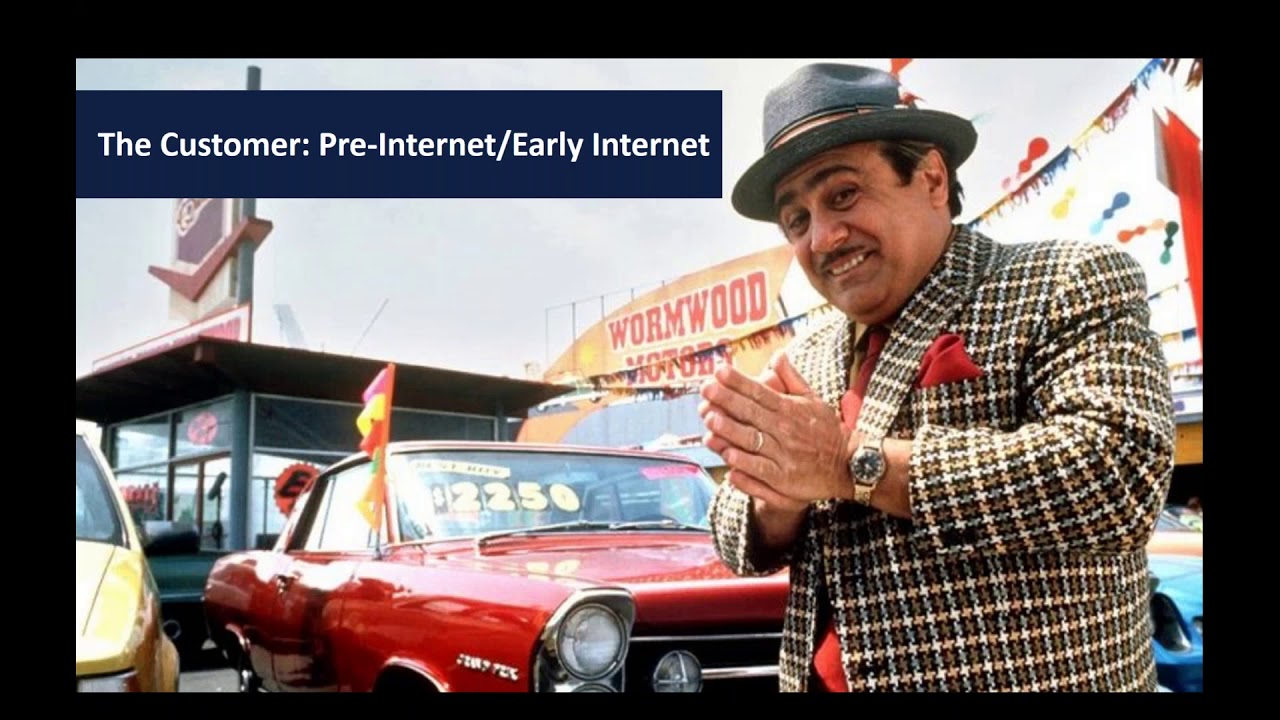
I would love that too. So yeah, so today, happy to be here to talk about the changing role of the customer, and as Eric shared, that was sort of the intro to our 3rd book, and you know, I've got some thoughts share around The Changing World of the Customer, but I, you know, I needed to have Sheryl Baldwin here with me, because as we get into really some of the more tactical elements of this and the changes in the customer, it was really important that she be here to share some of her insights, principally because she really was the driving force behind not only our most recent book, but the 2 prior books as well. For greater context, the 3 books that WSI has written, they've been written by thought leaders in our network, like Eric. And they've also been regionalized into French, and Portuguese, and Spanish. And really, they're meant to give strategic and tactical digital marketing advice to businesses. And so today, we'll certainly get into some of the things that were talked about in the book. But as it relates the changing role of the customer. Today, we'll have to look back a little bit, because the changing role of the customer, you know, when we think about it, as Eric said, we're in the midst of massive change right now. So, certainly, we'll go back a little bit, and then we'll look forward and share some thoughts about what will change as we emerge. So, in the last decade or so, you know, we've seen a huge transformation in the role of the customer. Customer, from how they make buying decisions and how they interact with brands. And equally, we've seen brands and business leaders and marketers have to make a massive shift in their awareness and responsiveness to their customers, you know, taking basically a more customer-centric approach to doing business. And I'd say this is more so than ever before. The reality is that today's customer can accelerate or slow or possibly even halt your business growth with one bad review. Today's customer can be more prolific than perhaps your top salesperson in providing referral business. Today's customers can give brands, you know, real-time feedback in the form of almost free research and development, which historically would have cost significant dollars. And in short, you know, today's customer is informed and empowered. And business leaders and marketers need to take heed more than ever today because we are living through a massive event, a monumental event in history that will change all of us in subtle and profound ways, on personal and societal and in business ways. And so, as I say, I would be remiss today to not speak about the role of the customer as we emerge from COVID And And certainly, when I say customer, I'm thinking B2B, B2C equally. So, you know, the scenarios we'll talk about are relevant to both sectors. But if we take a look back, you know, we don't have to go that far back, but let's go back to what I would call the pre-internet or early internet era. We'll then look at what the 2020 pre-COVID customer looks like. We'll talk about the customer now during lockdown, and then we'll kind of make some predictions about the post-pandemic customer and what some of their needs will be. Sorry, Cheryl. Yeah, there we go. So when you think of the customer from the pre-internet or the early internet era, you may remember them. You possibly were one. This customer had limited information, limited or no sense of other customers' experiences with a brand. Brand or a product or service, they had no direct influence on the brand. They were often blind to things like price comparisons. They typically were the recipient of what the brand wanted to tell them. And in some extreme cases, the customer might have actually been a passive, uneducated participant, mere participant in the business transaction. certainly not active as we are today. You know, if you just look at, you know, in the 1990s, if you were to go to purchase a car, you probably would have taken a trip to the local bookstore first to purchase the Lemonade Guide, a book that was already probably 2 or 3 years out of date. You'd have to read the book. You would have probably talked to neighbors and friends, a colleague or two about the vehicle you were thinking of purchasing. At some point, you might have Might have picked up the AutoTrader magazine to look at, you know, resale values of the make or model you were looking at. Eventually you'd make a trip to the dealership and you'd be sold the car. And at the dealership, you know, you would have had the same sales pitch as everybody else who walked in before you. You would have had a 15-minute test drive and probably in the negotiation of the cost of the car, you certainly weren't in a position of empowerment, and you certainly were working off of limited information. So then if we kind of fast forward to our customer, and we'll call them our 2020 pre-COVID customer, you know, this customer is radically different than the earlier customer. They're connected, they're very informed, or they're at least able to get the information readily prior to making a buying decision if they so choose too. They typically have a mindset of sharing their experiences publicly, good or bad. They also have an expectation of targeted information, you know, based on their needs, not simply what the business wants to tell them. So, you know, no longer can you just expect a customer to be happy with generic uniform messages. And I'd say this customer, our 2020 pre-COVID customer, often makes buying decisions based on brand values and ethics of the brand. And so in short, it's an— this pre-COVID customer is certainly empowered and informed. And I'd like to say that's probably through privilege and not so much through need. And so if you kind of, you know, think about some of the brands that have done well for this customer, think of Homestars. You know, before investing in a new kitchen, the customer would have the ability to read you know, 2,000+ reviews of the company. That's, you know, true empowerment. Think of Everlane showcasing its factories around the world where they have their clothes produced, you know, doing this so that customers feel that they're being transparent, letting them know their values, their business practices, their supplier relationships. And we certainly have customers that interact well with the on-demand economy, you know, those who want a product or service now. You know, some good examples would be Zipcar, Clutter, Hotel Tonight. These are things that made the life of the 2020 pre-COVID customer easier and more efficient. And I think what's interesting there is, you know, again, these are things by choice versus necessity. So if we move to the period we're in today, Amit, lockdowns and quarantine. The customer today has had to find new ways to work, to learn, to procure essentials and non-essentials. This customer has turned to digital to keep some semblance of normalcy to their life. Their priorities have changed completely. The customer today demands everything-at-home approach to their needs, contactless, and transactions need to be without touch, and yet they expect kind of high-touch messages, relevant messages. And this customer's needs are less about procuring on-demand products or services simply as an efficient way to get what they need. It is now fundamentally a requirement. So think of Instacart, think of Upwork, and certainly while there's great uncertainty and fear, these rapid changes are likely to produce long-term changes in the customer. And so, you know, when we emerge into a new post-pandemic world, I can think that it's really not too hard to predict that the customer will have adopted certain new changes to behaviors, certain changes to how they buy and how they think. And when we look at what this potential new customer will be, we can anticipate that they'll be ultra-connected. And, and that goes across all demographics. People have been put into a position, regardless of age, to behave in new ways during this pandemic. So we can anticipate that these customer will demand brands and businesses to be online, to be available, and certainly to be relevant to their needs. No longer will our post-pandemic customer tolerate an out-of-date website, an insecure website. They'll demand ways to connect live for support with the businesses they work with, and certainly they want online ways to transact. So as the customer is changing, you know, so must our approaches in business. Businesses post-pandemic will need to be customer-focused and more relevant than ever. Businesses will absolutely need to be agile and tactical, finding new ways, faster ways to meet customer demand— customer demands. We're seeing that now. Businesses are needing to pivot really quick, and interestingly, customers are forgiving if, as you move quickly, it's not as perfect as if you had planned these transitions for a year or two. I think the customer understands that with agility comes some less perfect scenarios. So while there's still so much uncertainty in this post-pandemic world, we can be sure that the business landscape will be fundamentally changed. And what we can certainly say with confidence is that that business landscape will be digital. I love this meme that, that's been circulating on the internet. So basically, who led the digital transformation of your company? The CEO, the CTO, or COVID? You know, There's just no way you can debate that COVID is accelerating the shift to digital for so many businesses. And certainly what history and research from previous downturns have shown us is that surviving businesses have made investments into their marketing. And in this new post-pandemic world, that will certainly mean digital marketing. And so on that note, I'm going to pass over the controls to Sheryl to get more specific as to what those digital strategies and tactics might look like for your business. So Sheryl, over to you.
Thanks, Val. So I guess I wanted to just kick off and just say when we wrote this book, we wrote it with a strategic mindset in play. We wrote it very strategically so that we could help So, I really wanted to help take the business owner or the marketing professional through what it would take to kind of either get up started with digital. So, what are those components or what are the key components to a strategy that you may need to revisit? And so, there's purposefulness in how we've kind of organized the chapters. There's some of those pre-planning chapters are right at the front for a reason, things that you need to do before you start investing dollars in. We've got some post-strategy stuff with regards to the customer, ongoing maintenance, taking a look at your analytics at the end for a reason as well. And then the mix of tactics that you need to go through spersed out in between the rest of them. And so this, what I'm going to go through is I guess it's going to be like a Cliff Notes version of a book review almost. I'm just going to give, you've already sat in on some of more in-depth webinars on these chapters, so my goal isn't to kind of dive deep into each of them, but just to kind of give you highlights, key learnings that we hope you take out of each chapter. But in relation to this webinar specifically, where the customer comes into play with regards to that, and also just maybe a couple of considerations around COVID-19 for each that we are seeing as well. So our first chapter is really all about analyzing your market, your products, your services, your competition. This is the competitive analysis chapter. This is all about understanding what you're, what you're doing online and how your customers are interacting with your website, your content, your social properties, but also equally what your competitors are doing. And so the whole The concept is you can't really start getting ahead if you don't know kind of where you're starting from. So you kind of need to set a baseline of where you're at and, you know, taking a look at how your customers are not only interacting with your collateral properties content, but equally that of your competitors. And there's great tools out there now that let you get a glimpse into what your competitors are doing. And with COVID-19, I mean, I think we can all agree the competitor landscape has changed quite a bit. I'm sure some more for certain industries than others possibly. But I mean, you may see competitors that are actually booming right now that are growing. Some might be hibernating a little bit still, maybe getting out of that a little bit. Unfortunately, there are some that probably ceased to exist. They just, you know, over the course of time, maybe didn't jump or change or weren't as adaptive and agile as they could be. And so when it comes to understanding what's going on, running an updated competitive analysis is always a recommendation, especially in a time like this. We then kind of jump from, once you understand your, a little bit of your competitive and your market landscape, into understanding a little bit in mapping out your customers and your, what we call buyer personas. These are your ideal buyers or consumers or customers, however you want to call them, that you really want to target your messages at. And you can't really start marketing until you actually know who you're marketing to. And so the concept of this is actually walking through a whole process of persona development. On the screen here, you're gonna see kind of what, kind of a map of what our consultants will take their clients through just to kind of outline some of the main things that you need to have information on your key targets around. So like who they are, their general demographic information. But what are their pains? What are their motivations? And understanding this, understanding your customers in this way, it supports all of your other marketing activities. And so in COVID-19 today, I mean, we had Cormac Farrelly, who's the author of this chapter, join us on another webinar that we've been hosting and talked about just pain points and motivations of customers have changed, obviously. And what new pain points and motivations have risen as a result. And so you almost have to take and put yourself in your customer's shoes today, right now. Go through your purchase process. It doesn't make sense. Do things need to change? Would they have different questions about your products and services that they need to know now? Do you need to talk about how safe it is, your shipping procedures, that sort of stuff? So taking a revisit of your buyer personas and maybe even adding a special section just around this time specifically, so that your sales and marketing team can kind of hone in and make sure that they're addressing concerns appropriately with any new content or conversations that are happening. So once we kind of understand landscape and the customer more on who we want to target, that's when we kind of talk about in chapter 3 around just planning out the digital strategy more. And so you can't really reach your target audience, reach your goals unless you kind of have a more solid strategy in place. And so this kind of walks you through, actually Carlos Guzman, who wrote this chapter, has a 15-step checklist at the end of the chapter on the different questions you need to be answering to kind of when you're making up your strategy. And so the customer obviously comes into play here because customer-driven goals and data drive your strategy on basically on what you want to kind of execute that's being driven by, you know, the interactions and how you want to be able to gain more customers, interact with them, and keep them loyal to you. And so today, you know, you may need to pivot some of your tactics and goals slightly. Your website, which maybe, to be fair, maybe it wasn't a high priority at the start of the year. It may need to be a higher priority now just because that is a main way in which people are interacting with your brand right now. And so take a look at the strategy you have if you haven't already. Do things need to adjust based on the priorities and maybe some of the new pains and motivations that you've outlined that your customers have right now? As we get into kind of the heart of the book, this is where we start talking about the tactics, more on the digital marketing tactics. Different things you can be implementing. And I think we all know an effective digital strategy isn't just a one-pronged approach. It's a combination of a lot of different things, and they all have interconnection points on how they work alongside each other. But first part we want you to look at is obviously generating demand around your products and services. And so Gabor kind of walks you through you know, how you can generate meaningful demand, how you can use targeting to get the right message at the right time to your consumers. And the way in which we, we suggest you do that obviously is taking a look at what you know about your customers so that you can target them in a more relevant way, more effective way. Because if you do that, that not only make sure that they see your message when they need to see it in the purchase decisioning process. But that's actually more cost-effective from an advertising standpoint as well. And so the graphic you see on the screen here, it's one we've created actually a while back and just kind of added into and updated as we've gone along. But there's a lot of different things when you think about it that you know about your customers to help you figure out where you're going to target them. You know, what is their intent? Who are they? What do they do? Where are they? And just what are they saying, watching, or how are they surfing online? So there's a lot of different strategies there. And this chapter really breaks down each of those. Today, targeting messaging may need to change. Certain messages just don't work today. And Things like targeting that you have set up may not work today. I mean, a message that you may have run with in the past, which may be around doubling business in a short period of time, you may have to, you're going to have to halt those types of messages. You need to shift more into a growth type of messaging because that's what our business, businesses are looking for stability and then, you know, small increments of growth. Obviously we're not going to be talking about a lot of things to do with, uh, hurrying into a store possibly, or even traveling around the world. So if you've got any sort of messaging that just doesn't work for the current times we're in, you have to reword those. And from a targeting perspective, um, if you were geo-targeting or using a lot of geofencing in your advertising where you're trying to track people based on a location, maybe a store that they're in, you may want to just take a relook at those. Maybe you want to instead double down on the remarketing targeting from your website instead, since more people are hitting your website now and you can kind of revisit your ads to them as they surf around the web in a more remarketing format. So review your campaigns there for sure. Our 5th chapter is all about the concept of inbound marketing, because once you're kind of like throwing out your advertisement— advertisements and driving traffic to your site, reaching people and where they need to be reached, you have to supplement that advertising with actual content and kind of making sure that you're delivering value to the customer throughout the buyer's journey is what we would call it. So this kind of flywheel that you see on the right is kind of the new approach to where the customer is at the forefront of every component that and content that you are creating, whether you're just trying to attract them in or engage them or actually continue to delight them after the fact of purchase. And so you can do that. Inbound marketing is all about how you deliver content at the different phases of the buyer's journey. And so today, you know, I think customers are consuming more content. They're going on websites, they're doing maybe they have time to do even more research a little bit more. And so lean in on your social media channels, lean in on your email marketing in a smart way, and lean in on any blogs that post that you might have been running if you're running a blog, or any downloadable content, any even just content on your website. FAQ pages are a great place to start if you're wondering how you can supplement and add more content and value at this point in time. And so reviewing your content calendars, messaging, and your post schedules. So once you actually get people kind of getting to your website, generating demand, hitting your, reading your content, you obviously got to take a look at how are people interacting and converting on your website property, your main property for the business online, and how can you continue to enhance that. And I think when it comes down to a performance-based website, one that's trying to be optimized and deliver conversions, whether that's in the form of a form submission, whether that's in the form of signing up for a free trial, or whether that could actually be making a purchase online, design is a key component of that, yes, but it's also about how things are designed and laid out. So our architecture is a very key component to website optimization with regards to the customer and conversion. And so the site experience you deliver to your customers directly impact on that. And there's a lot you can learn from your customers as they interact with your website on how you can make improvements there. And today customers do expect your, your website to adapt to what's happening, to serve up information based on how you're operating under these current times. And so if you're an e-commerce solution or someone that offers your service online, purchasing and shipping processes and procedures may have changed. And so you need to make sure that your website is set up to adapt to that and handle those questions. And they should be at the forefront so that people don't have to find them. And also, if you're, you niche, you need to have info on COVID, a general best practice is just to even have a dedicated page just to mention kind of what you're doing, what your stance is, how you're helping customers during this time. And so just adding a quick alert bar like this, whether it's a message from the president, the CEO, your, your head of customer service, it doesn't have to be text-based, can be video, can be engaging, but you need to let your customers customers know in a forefront way on how you're handling this pandemic. And then we get into some of what I call the fun marketing stuff. Like, it's all fun, but this is some of the stuff where you can really kind of bring in some extra stuff to kind of build conversations and connections. And this is actually the chapter that Eric wrote on.
I was gonna say, this chapter is really, really good. I just, I I just wanted to point that out.
And it's all about this concept of conversational marketing and shortening the sales cycle. And I think the great thing about technology is that it continues to adapt in new ways. I mean, we did not have this chapter in our previous book, right, Eric? It was— this is a new addition just simply because things have changed, um, just even from the last time that we Did you want to talk to this since this was your chapter?
No, I think you're doing a wonderful job. I just wanted to interject and make sure that I offered my 2 cents that this was an awesome chapter.
It was. And so technology, I think the concept of this chapter is all about how you can leverage elements of technology to help build connections and enable more conversations with your customers, whether that's with a live person or not. There's a lot of smart technology out there that can help streamline the conversations that you're having with your customers in a chatbot format. And a lot of the technology enables you to make it an enjoyable experience. I think our concept of maybe automated Messaging in the past may be a little bit tainted. I think things are a lot smarter than they were, and, but it also enables you to pick up from there. We can't, we can't take the human out of the process of these conversations. And so developing what those paths look like for your buyer personas to help serve them relevant information, but then also knowing when is the point of transfer from technology conversation over to the human as well. And then during COVID-19, customer-initiated conversations are on the, on the rise, and chat volume actually is seeing a steady increase as well. And so a web chat or a website chatbot can be an easy way to get started if you're nowhere even close to being on this path at all. And so there are really some easy tools and ones that we have within our own network that can get you started right away. And from there, we just obviously would be remiss if we didn't also talk about the role that video marketing plays into having conversations with your customers, or actually making your content more engaging. To your customers. And so when done properly, video actually has the ability to create more revenue, better relationships, and even enable higher customer retention rates. And so the author of this chapter, Ryan Kelly, did a whole session just around this topic too. And video really allows you to converse and engage in a more dynamic way. It's built into the— it's not just about what's on your website. I think people think about video and throwing a video on your website. That can be implemented in all aspects of the business. And so now is a great time to leverage video because video is being consumed more than ever. Online video watching is on the— has definitely increased across all generations. So I think that video has the ability to enhance not only content delivery, but your sales process, your sales team, how you engage one-to-one, your marketing, your branding, but equally your customer conversations and your meetings. And so it's not always about, you know, what you— the information you need to get out, but how can you engage with your customers in a more meaningful way, especially when we're working so remotely. So considering where you can incorporate video, incorporate more video now is a great place to get going. Chapter 9 of our book is all about SEO search, the role of the search strategy. I mean, optimizing your digital presence isn't just about how— I mean, it is clearly about how high you rank on the search engines. That's what people care about. But so many elements come into play with this. It's not just about doing all this technical SEO anymore. It's about the on-page. It's about your social presence. It's about the different components you're building in there and the content you're creating. And SEO and social, I mean, SEO has probably adapted so much over the course of time, especially from when we wrote our first book with just some of the enhancements Google has released over the years. But search and social are definitely dictating what your customers are finding most relevant and engaging and how you're going to rank in the search engines. And so when it comes to today during COVID-19, we need to take a look at the your customer search behavior. It's definitely shifted. Things that they were searching for before for your products and services can be done in almost a different way. They may be looking at how to get your services more remotely. Is there a virtual option to your services? Is there different ways that you can There's different ways that they're searching for your products and services now. And so you need to basically take a look at your web presence to using your analytics, proactively manage it, review your keywords, review your search strategy, think forward-facing on what could that look like, especially 3 to 18 months down the road. Okay. So say we've done all of this great stuff. Stuff, you know, we've analyzed what our market is, we've got our customers, we're marketing to them, they've now converted off of our website, we're doing things we need to do to keep engaging with our customers. Well, now we've got this database, hopefully, of people that we have engaged with, either converted through a form, purchased, any way, shape, or form, whatever your conversion path is. Now you really need to manage it effectively, and spreadsheets just don't cut it anymore. And but even though people are still using them, you need to have a centralized client management system. This is where tools and technology come in again. A CRM, which is a client relationship management tool, or marketing automation enables you to gather and keep your customer details organized in a more efficient way so you can effectively nurture those relationships, not just to get them to a point of purchase, but also after that fact. So you get repeat purchases as well and enhance that loyalty amongst your customers. And so today, customer communication is essential. If you aren't, if you don't have a centralized system where you hold all this information, even just sending out a simple email to a targeted list becomes a very big task. But this is all streamlined in tools like this. And so customers are definitely empathizing, I think, even more with just where we're at today and how businesses are trying to adapt. But you need to communicate how you're doing that. And so tools like this make it very easy for you to kind of nurture those relationships and also segment messages based on information you know about your customers, what type of products they've purchased, If it's a subscription-based model, what month of the subscription are they in? Is there a subscription coming up for renewal? All these different things play into how you communicate and segment your database and are made easier with technology like a CRM system or a marketing automation tool. And so as we're nurturing and getting people to purchase our products, we can't forget that we need to try and do active customer loyalty strategies, creating experience for why customers want to stay not only with us and repeat, but to positively recommend. I mean, Val talked at the beginning of this about the fact that we need to— people are more interactive, they're engaging differently. The customer is now an active part of the process and can be an even better referral for your business than your salesperson sometimes. And so, you know, this chapter looks at all about how loyalty is important, why you, why they can play a big role into your repeat, your purchases, and your referrals. And now more than ever, obviously, customer loyalty is key. You need to keep your customers close to you. It costs on the upwards of 4 times more to get a new customer than to retain a customer. And so how you treat your customers will have a lasting impact on your brand and your brand success. And so, I mean, if you're not running any form of customer loyalty surveys like an NPS, a Net Performance Score, you may want to kind of do that and just get a sense for where you're at and what your benchmarks are and have they changed at all. during this time. And I'm sorry here, this didn't get updated with the title. I'll make sure I update that. But this chapter is all about tracking insights that matter, our last chapter. And it's really meant to encompass and like bring everything home. And the thing is, is there's a lot of data that can be collected online in digital. In fact, actually too much. sometimes. And so it's really, data is really useless though if it's not meaningful to us. And so this chapter looks at how you can organize and set meaningful goals so that you're driving things forward and that you can action on them. And so now today it's about, you know, understanding and using analytics to understand the impact COVID might have on your business, proactively taking actions on any trending data, that you're seeing, even just interactions on your website differences.
I think we might have lost you. Valerie, can you still hear me?
I'm here. Yeah, I'm here.
I think we lost Cheryl.
Okay, I'll just pick up.
Okay, I was gonna say, if you'd like to, if you'd like to pick up, or maybe we rock-paper-scissors for it.
Okay, well, I think that the main points here really is, especially in this time of COVID and with, you know, the customer changing their needs, their pain points changing, Data is, is going to start telling you stuff that you can only guess at otherwise. And so I think, you know, if you're not sure what data sets are available off your website or any of your online marketing, certainly the consultant that you're working with should be able to help you out with some of that. Did you, did you want to add more color to that, Eric? Well, when we—
yeah, so when we think about tracking insights that matter, and I know she said that there's a little bit of a typo on the header there, but the third, the The third, the twelfth and final chapter. We're we're shifting gears a little bit here in our office, and we've been producing TikToks, which is something that not a lot of our banking customers are paying a lot of attention to. So it's certainly not a hardcore prospecting strategy, but we're just having some fun with it. And this month we're focusing on messaging and chatbots, and in my TikTok from Monday. I talked about when you get into building a chatbot, figuring out what you want to talk about in that bot, what questions you want to answer, are all going to be based off of the data that you're pulling off of your website, the data that you're getting out of your FAQs, the data that you're getting from your customer service and your call center people, and what are the questions that people typically have when they're calling into the office or emailing you or filling out forms. Or using your site search. And those are the things that will help you start the process of where do we even start with a chatbot, or what are the content strategies that we need to be thinking about. The data— and it's ironic that we put this as the last chapter in the book— but the data that's coming in and that you have access to is really what needs to go back into the beginning and drive all of what you're doing. And oftentimes you may not even know what you're going to do with the data, but we suggest that you turn on every single collection point that you can. Some of our customers, even if they're not ready to jump on full bore with marketing automation, we'll do a light version where we'll just install the tracking code so we can start getting data on who the visitors are, what devices they're using, what pages they're looking at, So that 3, 4, 6, 12 months down the road, when we decide to do something more strategic with that data, we'll have access to all the information. We can go back and we now at least have it in our repository that we can do something with. So, you know, the tracking capabilities— and oftentimes I joke about, you know, can really creep you out because if you really knew what the internet knows about you, You probably would never want to go back on the internet again. But I also say that we always use our powers for good and not evil, and, you know, that hopefully makes people a little bit more comfortable. But there's no shortage of data out there on what your customers and your prospects are doing that you should be leveraging in order to make sure that your message is as effective as possible. Yeah, I did have a couple things to say.
You did have a couple things. Yeah, great things, and linked back to your chatbots. But I also think sometimes people get overwhelmed because data sounds like it should be big and ominous and hours to understand or difficult to find. And, you know, it can be something as simple as your open rates when you're nurturing your database. And like, what are the messages that are resonating with people? What are they opening? What are they not opening?
Yeah.
So I think there's very simple, simple things that, you know, businesses have at their fingertips, businesses big or small, that can give kind of real-time insights in a quick and simple way. So I think that that was where Cheryl was going to end up and point people—
Sorry, guys.
Oh, you're back. I'm back.
There she is.
My audio dropped. I don't know what happened there, and then I wasn't sure how much you got out of the last little bit, but yeah. You guys summarized it.
We just jumped right in and took care of it. So you could still hear us, you just couldn't rebut or, you know, get a word in.
Well, I had to switch to my phone and then everything was fine.
There we go. So, well, this has been an enjoyable trip down memory lane. I read the book when it was originally kind of in draft mode off of PDFs and Google Docs and, and whatnot. But I commend you, Cheryl. You have done an incredible job of boiling it down on one slide per chapter, and this has been great. And we still have 2 more chapters to go for the Free Webinar Wednesday series, so we're gonna dig a little bit deeper into a couple more, and then we'll have all 12, with this being the 13th 13th kind of extra bonus chapter, if you will, as part of the introduction. So, um, just want to give everybody that's listening and attending live, if you do have a question or a comment, feel free to throw it into the chat. And, uh, I did have one question that came through is, uh, as we're looking at all 12 chapters, I'm going to paraphrase a little bit. There's a lot of options, and people, if they are looking to get started, they can't do all 12 of those at once.
Right.
I'm interested to hear between the two of you, if someone had to just pick one chapter to get started so that they at least put one foot in front of the other, where would you recommend that they devote their attention from a digital mind strategy perspective?
We may have different ideas. Good question, huh? You mean, yeah.
Yes, that's what I'm hoping. We're gonna have a little discussion here, but that was a good question.
If you'd like to go first. I think, yeah. So maybe one of the things to look at, I mean, it's hard. There's so many different things there. I think one of the things would be chapter 3, which is Carlos's, which is on the digital strategy. It really walks you through all the different components you need to think about, and it kind of has you take a look at not just what your business goals are, what you're trying to get out of it, But also taking a look at what your customer, like your customer a little bit so that you can set yourself out. And that would help you focus in on what you need to be actioning now. I would couple that then with the chapter 4, because as you go through and look at how and what you know about your customers, you're really going to be able to hone in on how you would target them online better.
Awesome. Val?
Mine would be just a little bit different, and I guess I'm just— I feel like we're in this really bizarre point of time, and I would answer this question— if you had asked me in January of this year, I would have answered it very differently. Right now, in the midst of lockdowns and quarantine and uncertainty, one of the things that I think is so underrated, and partially because I think people think it's complex to produce is video. And I think human beings are craving, you know, faces and interaction. And so I just think you need to be agile, need to be quick, and video is something that so many people are missing from their communications, their websites. And there's great quick tools that we have, and WSI Consultants can point you into very simple products that just sit on your browser and allow you full control over your video. I also think video today is not supposed to be high production. It's supposed to be authentic and relevant communication.
Just look at our TikTok channel, you'll get that validation.
That's a whole other story.
Exactly.
To answer your question about May 13th, 2020, in the midst of COVID That's where I'd start somebody, is really kind of ground up versus top down.
Yeah, those are both really good answers. Mine would have been somewhat of a blend, and I know that this— well, first off, a thought that popped into my head as you're talking about video, we're actually working on a project with a bank, and we're obviously doing it remotely. There are several states away from us, and normally we've always done go to meetings and we've done screen sharing, but I got my very first request from our primary contact at the bank. She specifically sent me a text and she says, I'm going to make an announcement today. I want my entire team and I would like for your entire team to make sure that we're using our webcams during our project meetings because I really want to be able to see everybody's faces and use video as a way to bring our team together. And to build that relationship between our bank and WSI. And I thought that was really cool that I had never gotten that request before. I know I have a little bit of an urge and we're doing some internal team wrap-ups, you know, every other day for just to kind of see everybody, just to see what's going on. But I do think that the video element is one that humans are just craving. We're not seeing faces. As I say that, we're not doing video on Free Webinar Wednesdays, so maybe we should flip the webcams on and say hello to everybody. But, you know, that was an interesting, but I thought a very well-received request. And, you know, so video certainly is one that I think has got some very powerful benefits behind it. And then—
Yeah.
I would echo your words, Cheryl, with regards to Carlos's Digital strategy, because I think that helps set the stage. And he's done a really good job of dividing it up into a couple of main categories as far as developing your strategy way beyond just your traditional SWOT analysis of strengths, weaknesses, opportunities, and threats. And starting with the Simon Sinek, you know, why do you do what you do? What you do? How you do it? Some really good insight. Into that, the way I sometimes will answer that question is I throw it back in the person's lap and say, "What is it that you're trying to do?" Because there may be a deeper desire at a business or a strategic level where they want to be found more, or they don't really understand who their competition is. And I think a lot of times they feel like they have to follow a set path. That's been defined for them. And I want to make sure people understand that it really goes back to your own business and your own goals as to what you want to accomplish. And then figure out— because there's so many things you can do online, that's the squirrel tracer challenge in my world, is there's so many different things that we can be focusing on that you really have to discipline yourself, yourself to narrow down what your big business objective is, and then educate yourself on the strategy. You may determine that you don't know what's going on, and you might jump right to chapter 12 and look for data opportunities to drive your business. So I think having an introspective— but Carlos's chapter will help you do that. So I guess if I had to pick one, it would probably be with Carlos's chapter as well. But eventually you get to mine.
Yeah, exactly.
So cool. Good, good, good, good. Um, let me check and see if there's any other questions. Let's see here. Um, so Post some sites that help you make videos. So there's a question about that. So, I mean, the one tool that I saw a snapshot in the chapter that Ryan wrote about video is from one of our partners called Vidyard. V-I-D-Y-A-R-D. They've got a cool free little Chrome extension that you can install in your browser that allows for you to capture video and put it right into an email. And send it to people. And the cool part about it is, and I use it all the time, is when you send that email, if somebody clicks on the video and they watch it, you'll get a little notification in your browser.
Yeah.
It'll tell you that, hey, somebody has watched your video. So if I were to send a video to Cheryl and she watched it, I know that she's watched it. And from a salesperson's perspective, if Cheryl is a prospect that I'm trying to close or to at least continue that relationship a little bit further closer to her paying me money to do something. It's nice to know when she's watching the content that I've produced and being able to time a follow-up phone call or maybe another email. Um, that's the one that jumps out just because I saw the tool and I recognized it right from within the slide. So, Cheryl, do you have other suggestions for video sites that we may want to think about?
Well, there's a whole bunch of different ones out there.
Yeah.
Viddyard is definitely one, especially like I said, from a plugin perspective, it's a really easy plugin to Chrome. And I mean, when I think of video, it's not just— I think some people think video, it's this big thing we have to create. I mean, I just sent a video the other day to someone to answer a question because it was gonna be way faster for me to do it on video than for me to type it out in an email. And right now, because I'm virtual with my team, sometimes I will do a lot of walkthrough of systems in a video format and just send it to them to show them what I mean, so that they can then go ahead and get stuff done. And so Vidyard is one. The other ones that, if you want to create video on your own in like a dynamic way, we also have another partner called Promo.com. I think there's other tools like— what's the other one called? Wave? Is there a way— is it Wave?
Yep, we actually use wave.video and have done some good stuff, including even video commercials that we've done in pre-roll to promote bank products and services that are getting very well received. Yeah, because people are going to YouTube and they're watching videos, but guess what? There's advertising there. And you can get your message in front of people.
Yeah. And so tools like that, like they're very easy actually to use from a user perspective. They have a lot of templates built in that you can actually use already and just add your content to, or they have a library of different video, what we would call B-roll, like video shots that can be pulled in to make the video that you're looking to make. And so, Even like taking that, breaking down— sometimes what you can do with that sort of tool is just taking a blog post or an article or something you've written and create a video version just highlighting the key topics that you're talking about and sharing it so it's a little bit more engaging and try and drive people right to the more in-depth article or post.
Yeah. Val, did you have any thoughts to On video? Yeah.
Well, I think you've summed it up. I mean, my video of choice, my— the quick one that you had just talked about, Eric, is Vidyard. And as much as they do have the free tool that you can just add to your browser, they do a whole raft of other stuff too. That's super creative. And so for clients who have, you know, I don't want to say more professional needs, but, you know, video comes in so many shapes and colors. And depending on how you're using it, if it's a one-to-one or a one-to-many, there are kind of higher-end options we have through our network that will help you produce a more kind of commercial-like video as needed.
Yeah.
But I will say, I, I feel like we're in this very agile point in time, and Mm-hmm. I think a lot of the items that Cheryl talked about today, we have lots of like quick little tools that can help in so many of those areas. And so they don't have to be big long productions or, you know, 20 hours of learning how something works. These are things that can be Up and running off your site and your email marketing or whatever in a matter of minutes. Yeah. And there, I mean, there's a lot of video apps that you can even use on your phone because a lot of us are capturing video via our mobile device that allow you to just stream things together to quickly post on social too. I have one that I download called InShot and it just allows me to take some videos I've done, stream them together, add a little copy and throw up if I need to.
Yep, I was gonna say don't discredit some of the social platforms even though you might not necessarily have total control. Live video is very powerful. We've been talking and encouraging and trying to nudge, you know, talking with your audience as opposed to just to them. Live video gives you the ability to have interaction. And then one other little power tip, and then I just looked at the clock and We're already a little bit over, but for those of you that have stuck around, LinkedIn oftentimes is perceived as being the professional network and, you know, more business orientated. But if you're on your mobile device and you want to send somebody a message, you can click the little plus next to where you would normally type, and your camera will come up, and you can turn on video, and you can send somebody a video message. Right within LinkedIn, for that matter. And, um, so even, you know, professional social networking platforms understand and get the fact that video really is the best way to get your message across. And you can do that. Not a lot of people even knew that you can do that. You can press the little microphone and record up to a minute-long conversation and share a voicemail. But a lot of the social apps that we're already using today are incorporating video and video chat and even live video conversations to let people see you and hear you as part of that communication process. So, good. Another great question. Seeing as it's 2:03 Eastern time, I could stay on and chat with you for many, many more minutes. It's always a joy talking with the both of you, but I need to be respectful of everybody's time, and we need to put a bow on this and bring today's show to a close. So thank you very much, Val and Cheryl, for sharing your insight and your knowledge and for answering the questions and just being a couple of awesome folks that I am proud to say are part of my WSI family. So it's certainly been a joy being part of this journey for the last 13 years and being part of the book, and I just think we've got so much good stuff ahead of us. I'm excited to go through it with the both of you. So thanks for joining me today.
Well, thank you, Eric. The feeling is mutual. We just so enjoy working with you and your team and, you know, consummate professionals all the time. And most of the time, most of the time, most of the time, except for TikTok videos. So cool.
Well, thanks everybody that's hung in there for the extended Extended show. I know we're a few minutes over, but we really appreciate you joining us. Look forward to seeing you on future Free Webinar Wednesdays episodes. Until then, visit us at freewebinarwednesdays.com. Check the replay, share it with your friends, and we will see you online. Thanks, everybody.
Bye.
Bye-bye.







