How Mike Amiri Built a $300M Luxury Fashion Empire in a Hollywood Basement
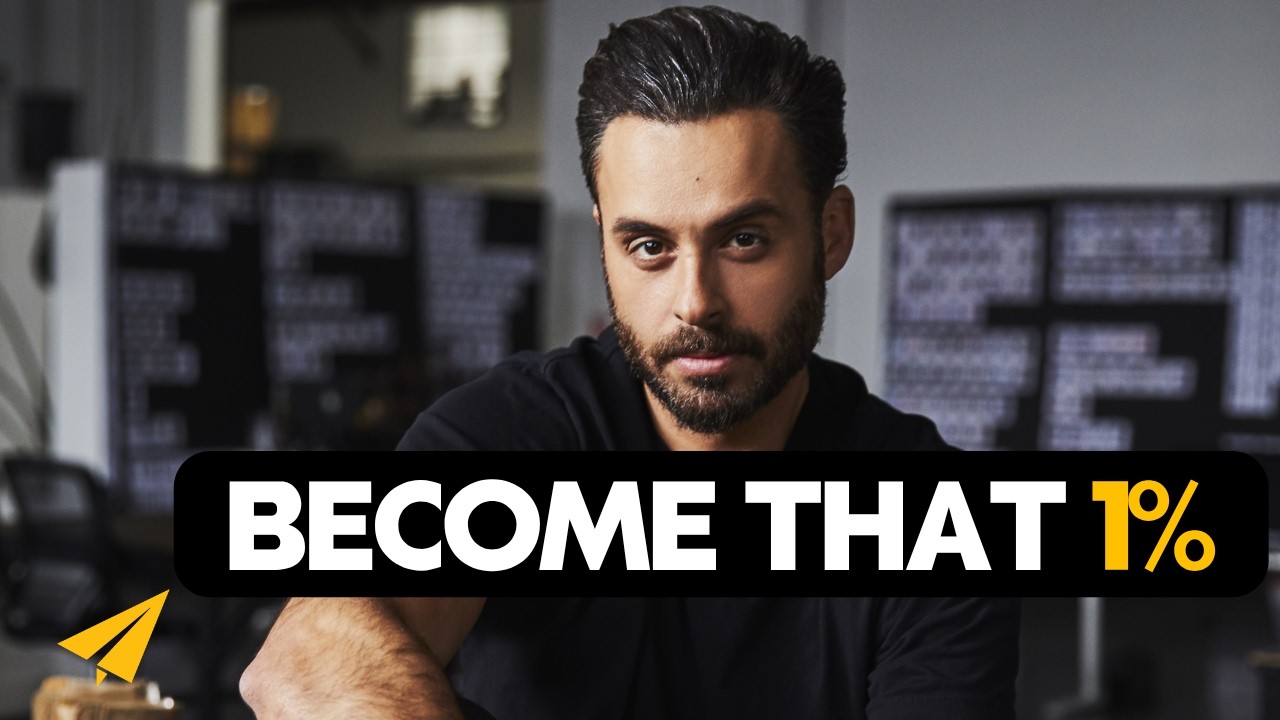
This content was created by Evan Carmichael. This content was uploaded by Evan Carmichael. This is a YouTube video titled "How Mike Amiri Built a $300M Luxury Fashion Empire in a Hollywood Basement" (uploaded/created 2026-10-19T15:21:49Z) produced for Evan Carmichael's Believe Nation channel. The excerpt is a narrated, single-speaker documentary-style motivational/profile piece by Evan Carmichael that chronicles Mike Amiri's rise from making ripped jeans in a Sunset Boulevard basement to building Amiri into a $300M+ luxury brand, including production-in-LA choices, Paris shows, celebrity clients, and business lessons. The video also includes shorter biographical profiles and lessons from Giorgio Armani and Vera Wang, framed as inspirational takeaways about discipline, authenticity, reinvention, and betting on yourself.
Chapters
Mike Amiri once said, if I just stay in my lane and commit to the guy I am, that connects with people. I love that line because it's exactly how we think about building a brand. He's the designer behind Amiri, a luxury fashion brand from Los Angeles that started with ripped jeans and rock and roll jackets inspired by the clubs he grew up around on the Sunset Strip. He built it from a basement with one table and one sewing machine. GQ reports that in 2023, his business passed $300 million in annual sales. Now, if you go to my closet, there are about 40 of these Believe hoodies in there. There and 3 hoodies that aren't Believe hoodies. I wear the same thing almost every day because I like brand consistency, and I think it's easier for people to understand and connect with you. Even when I'm presenting at a black tie event, I still wear slacks and my hoodie. I switch when I don't want to get recognized at the airport or Whole Foods. But I wanted to make this video because we made a short-form video on Mike Amiri earlier this year, and it did super well. He's also one of the most interesting guys that I've studied. He built a luxury brand by staying completely authentic to the original vision, which was California and rock and roll through a luxury lens, as he puts it. So if you've ever felt pressure to become someone else to make it in your industry, Mike's story shows you what happens when you commit to being yourself. And I'm going to walk you through here the whole story of Mike Amiri today, from a fake ID on the Sunset Strip to a law degree he never used to a basement on Sunset Boulevard to his own show in Paris. And if you've been here before, drop a hashtag #Believe in the comments below so I can feature you here in a future video. And if you're new, welcome to Believe Nation, the only channel that helps you believe in yourself daily, one video at a time. Believe. The kid from Sunset Boulevard. So Mike Emery was born in Hollywood in 1976. His parents were Iranian immigrants who ran a business selling antique rugs. The family lived in the middle of Hollywood, but his parents rented an apartment in Beverly Hills so Mike and his 2 brothers could go to better schools. Mike Cared more about skateboarding, though, riding BMX and playing guitar versus studying. And he did poorly at Beverly Hills High School. He often hung out in front of the school with a group that included Angelina Jolie. He said growing up in Hollywood around Sunset Boulevard was an incredibly inspirational time for me. Not only was there great music, film, and art, there was also a really rich, exciting youth culture across skating, BMX, and graffiti scenes. But he also got in trouble. He said, I got arrested for graffiti in high school and spent a day at the Beverly Hills Police Department, which isn't It wasn't much different than the Beverly Hills Hotel. I was more scared of my dad than anything else. Growing up, he saw long-haired rocker kids on Hollywood Boulevard, and his parents didn't like them. He said, my parents would lock the doors in the car when we drove past them, and I would look out the window and say, oh my God, these guys are so rad. A fake ID at 13. At 13, Mike got his first fake ID. He said, I think I might have maybe convinced a guy in Hollywood to give it to me somehow. He used it to get into the music clubs on Sunset Strip, like the Roxy and the Whiskey a Go Go. In his words, he said, Axl Rose was always hanging there. So he said he had the kids in line dressed. He said, you'd see some guy waiting in line wearing flannel around his waist over a t-shirt, and his girlfriend looking super beautiful in leopard prints and a short skirt, and everybody looking completely carefree and cool. And it all kind of stuck with me. You know, it's no secret that my collection revolves around my upbringing in LA and those clubs where I was too young to get in, but where I saw kids spilling in. He said in another interview, their style was so significant and aggressive, and as a kid, it almost seemed so heroic and romantic in the eyes of a 16-year-old. Now, that same year, he made his first piece of clothing. He cut the logo panel off of a Mötley Crüe t-shirt and stitched it onto a denim jacket. By high school, he was digging through vintage racks, deconstructing blazers, and reassembling motorcycle jackets, as he put it. The lawyer his parents wanted. Now, after high school, Mike went to Santa Monica Community College, then transferred to UCLA, where he majored in history. He graduated summa cum laude with the highest honors. He also spent a few years in the music business, writing songs, producing, and performing with artists in Korea. Then he went to Loyola Law School, mostly to make his parents happy. He said their sense of we've made it is having a son who's a lawyer, not designing rock and roll jackets. He finished the degree and he still jokes about it. He said, I cannot believe they let me graduate. Now, he had no fashion degree and nor formal training. He said, I had no formal training, so I had to learn by myself. One of the favorite things about my parents was that My mom, who was a lawyer, said that none of us had to do the things that they did. So me and my two sisters—I have one older, one younger—all went completely different paths. And the only thing that mattered for my parents was that are we chasing down something that we genuinely love and are connected to? And as long as we were doing that, they were happy and they were proud of us. And so I try to pass those same lessons onto my son instead of forcing him to be a certain way. Samples between law classes. So Loyola Law School sits close to the Fashion District in downtown LA, and Mike used. He said, I ended up going to Loyola Law School, but fortunately for me, it was near the garment district in downtown LA. So between classes, I would walk over there to work on samples. He said, I met some stylists and started to make one-off jackets, suiting, and shirts for Usher and Steven Tyler. That was in 2006. For about 4 years, while Usher was winning award after award, Mike dressed him for every one of those red carpets. He said, I was really obsessed with it more than I was with law school, although I still got a degree. He learned the business by knocking on doors. He said, in LA, you have a lot of resources in manufacturing. You could walk door to door and find contractors who sold silk or denim and get your start that way. He had a local role model too. He said, Rick Owens started here as a pattern maker, and a lot of the places I went to had photos and stories on him. Also, if you want to take real action after this video, I made a free worksheet just for you. It has the top lessons from this video, space for your own takeaways, and a simple plan of action you can start today. Click the link in the description below and grab it now. One table, one sewing machine. In 2014, Mike launched Amiri with a small capsule collection at Maxfield, a luxury boutique in Los Angeles. He paid for it himself. He worked out of a one-room basement studio with a single table and a single sewing machine under a rock and roll themed Thai restaurant on Sunset Boulevard. He still keeps that room. He said, we started with 2 styles of ripped jeans, a few t-shirts, and biker jackets. Every pair was made by hand. When I started, everything I did was by myself, so I would spend a week on one jacket and was super tedious about every little piece of it. The first pair of jeans I made in the basement, I pinned them down. It was super slow and meticulous. Now, a single pair could take up to 3 months for him to make because each one was torn apart and rebuilt stitch by stitch. Maxfield took a chance on him. He said, they were the first ones to support me, and I stayed with them almost the first year exclusively. He jokes about what his wife Shirin signed up for. He said Shirin thought she nabbed a lawyer, and she ended up with a struggling designer. Axl Rose calls. Then the right people started wearing the jeans. The stylist Carla Welch brought them to Justin Bieber, and he became Mike's first big celebrity customer. Then the kid who used to stand outside the clubs got a call from Axl Rose's team. He said when they reunited in 2016, his team reached out and said that somehow Axl saw a bit of this brand and he really loved it and was wondering if I'd like to help style a couple pieces. I ended up styling his entire look for the entire tour, head to toe. Amiri. In 2017, Maxfield held an Amiri pop-up shop and it sold $275,000 of clothes in 3 hours. In 2018 alone, rappers name-dropped Amiri in their songs 56 times. Michael kept the jeans hard to get on purpose. He cut stores' orders by 20 to 25%. He said, if a store wants 500 pairs of this style, we give them 350 pairs. Made in Los Angeles. In December 2017, Amiri moved into a 25,000-square-foot workshop in downtown LA. Mike had about 50 employees by then and about half of them worked in production. He said 80% or more of our product is made in Los Angeles. He wanted LA taken seriously. He said a lot of designers from Los Angeles didn't really dare to think as big as they could be. It was like, let me have some crumbs off the table and build this little business for myself. He also spent 4 months in Florence learning from Italian factories. He said, I lived in Florence for 4 months going factory to factory for more than just inspiration. To really work. By 2018, Amiri sales topped $40 million a year. The outsider in Paris. In 2018, Mike went to show at Paris Fashion Week, but he couldn't get an official spot on the calendar from the Fédération de la Haute Couture, the group that runs it. So he showed up in Paris anyway with a collection and put on his own show. He flew in a band from LA called Goth Babe, laid rugs on the floor, and lit candles. He said, "I remember I wanted it to feel like MTV unplugged." The first show had a Decent turnout, so he did it again 6 months later. So many people came that the organizers gave him an official slot in 2019. He said it threw off their calendar. Staying independent meant he carried the risk himself, though. He said, when you're an independent, you're always thinking about survival. The fashion establishment still kept him at a distance. He was nominated again and again for the top menswear prize from the Council of Fashion Designers of America, and he kept losing. At his 5th nomination in 2023, he joked, I have my undisappointed clap down pretty good. He was nominated again in 2024 and 2025 and lost both times. When he sat down with Tom Ford in L.A., he asked him one question. He asked him, how long will it be so difficult? And Ford told him, it's always going to be difficult because you care. Now, Mike said that uphill climb or chip on the shoulder is really what's kind of driven me to do more. Keeping control. Big companies had offered Mike money, but every offer came with a demand for control, and he turned them all down. In June 2019, OTB, the Italian group that owns Diesel and Marni and Maison Margiela bought a small minority stake in Amiri, and Mike kept control of his company. He said, this partnership gives us guidance wherever needed while still maintaining the complete autonomy. He saw OTB's president Renzo Rosso as a guide. He said, it's very important to have someone who's crossed over that mountain and sometimes stand on their shoulders and look at the bigger view. He also refused to flood the market just to make fast money. He said, I could have turned the knob, produced somewhere else, and flooded this market and not thought twice. For me, it It wasn't about that. The brand has my name on it. My kids gotta go out there with this name. The store in the middle of a pandemic. During the pandemic, Mike filmed his shows in Los Angeles instead of Paris. And in 2021, he staged one across a bridge overpass in downtown LA. Because he always kept production small, he wasn't stuck with piles of unsold inventory. He said, we ran the business on such a scarce model, there was not this massive fear of, oh my God, you're gonna have so much stock left over. Now, during the pandemic, he opened his first store on Rodeo Drive In Beverly Hills, he said opening the Rodeo Drive was a pivotal moment in the brand's history. Around the same time, he changed who was designing for. In 2021, he moved away from skinny jeans and towards wider tailoring. He said my rock star was not that rock star anymore. My rock star was coming out of an NBA tunnel. It's been an evolution for me of identifying that guy. In that same year, he took over a former Hermès store inside a Las Vegas casino for his second one. He posted about it on Instagram and said that time an independent designer went from starting in a basement to taking an Hermès store eight years later. This show is our first show. In April 2023, he hired Adrian Ward-Reese, a senior vice president from Burberry, as his CEO. That year, Amiri sales passed $300 million. And in January 2024, Mike planned his biggest Paris show yet, doubling the guest list to about 800. He said, to me, this show is our first show. It's our first show because we're now discovering the full potential of what Amiri can be. The stores kept coming. His first store in Europe opened in Milan in November 2025. With his first UK store on London's New Bond Street right behind it in April 2026. By the time the Milan store opened, Amiri had 31 stores of its own around the world. And in September 2026, with sales around $300 million and his fall 2026 show ranked 6th in earned media value ahead of Saint Laurent and Hermès, Mike said, it's quite an amazing milestone for us. But at the same time, they say the top of one mountain is only the bottom of the next one. My kids gotta go out there with this name. Mike said that he just needs to stay in his lane and commit to the guy I am that connects with people. He runs the Amiri Prize, which rewards emerging designers every year. He shows in Paris, and he still calls Los Angeles home. He says, I don't see Amiri as an American brand. I see Amiri as a brand that's from California that has a global following. He told Interview magazine in 2025, LA is still the center of the soul. He also thinks about how long his company can last. He said, for me, it's about reaching the full potential of myself and the brand. We have the chance to build something that can last for generations. That's one thing I think about in building this channel. One of the reasons why I love YouTube— I've been making videos here since 2009. I think it's cool to watch my kids grow up and be, you know, on the channel. I think about my grandkids being able to watch this— hey, future grandkid— and be able to document and track the history and the legacy and the journey. And I think it's awesome to feel like you're making something that your future generations will be able to see and say, hey, he made that, she made that, and it's something we can all be proud of. Keep betting on yourself. It's easy to look at Mike today with rappers like Quavo and Gunna on the guest list for his show in Paris and think the fashion show just welcomed him in. He's the son of rug dealers with no fashion training, and he's been nominated for the top top American menswear award again and again without winning it. So Mike grew up in Hollywood sneaking into Sunset Strip clubs with a fake ID at 13. He earned a law degree just to make his parents happy and made clothes for rock stars between classes. He launched Amiri in a basement in 2014, dressed Axl Rose for a whole tour, and kept making his clothes in LA. Paris wouldn't give him a spot, so he showed up anyway, and he grew Amiri past $300 million in sales. That's Mike Amiri's story, and now you know it too. Maybe the people in charge of your industry don't take you seriously yet. The organizers in Paris ended up giving Mike an official slot because too many people came to see him. So build the thing people want to show up for, and you won't need anyone else's permission. It's time to bet on yourself. And congratulations, you're one video closer to who you're meant to be. Believe. Now let's learn how Giorgio Armani built a billion-dollar empire at 41. Giorgio Armani was 41 years old when he started his own fashion label. He initially planned to He wanted to be a doctor, not a designer. His love for fashion came when he got a job dressing store displays and saw what the customers were reacting to. So at 41 years old, with just a Volkswagen car's worth of startup capital— Armani sold his car to start his business— he launched his business and released a modest men's collection. His first office had just 2 employees, Armani focusing on design and his friend Sergio Gariotti handling business. The turning point came when Hollywood embraced his work. Richard Gere's stylish Armani wardrobe in American Gigolo and the adoption of Armani suits by Wall Street and Hollywood elites in the '80s made Armani synonymous with sophistication. As Armani said, 88% of what I do is discipline. The rest is creativity. Early Life: From Medicine to Fashion. Giorgio Armani's journey did not begin in fashion. In fact, as a young man, he planned to become a doctor. Attending medical school briefly in Italy. However, he discovered that medicine wasn't his true calling. A twist of fate led him to a job at a Milan department store dressing window displays and mannequins. It was here that Armani's passion for design was ignited. He saw how customers reacted to different outfits in the store windows, learning what styles caught people's attention. This hands-on experience with clothing and presentation planted the seed for his love of Armani excelled in this role. He was promoted to become a buyer and later a designer for another fashion house. These early years taught him about fabrics and colors and the business of fashion from the ground up. Now, despite starting in a completely different field, Armani kept an open mind and followed his newfound interest, setting the stage for his later success. Launching the Armani brand at 41. By the early 1970s, Giorgio Armani was around 40 years old and working as a designer for others. Many people at that age might have felt it was too late to make a big change. But Armani was not satisfied with just fine. He felt a drive to do something more on his own. With encouragement from his close friend and partner Sergio Gagliotti, Armani took a bold leap. In 1975, at 41 years old, he decided to start his own fashion label. It was not an easy decision. Doing so meant giving up a stable job and taking a risk on a new venture. Funding was tight. The 2 friends literally sold Armani's Volkswagen Beetle car to raise startup That sale didn't bring a fortune, but just enough to get started. With those funds, they rented a small office in Milan and set up a tiny new company. The entire operation was just 2 people in the beginning. Armani focused on designing the clothes, and Gagliotti handled the business side. They worked with what they had, starting with a modest men's clothing collection. Armani wasn't trying to launch a fashion empire overnight. He began with a simple line of quality men's jackets and pants that reflected his vision of elegant but comfortable style. To Armani's relief, the first collection was well received. The stylish yet relaxed look of his menswear caught people's attention for its deceptive simplicity and elegance. And riding on this initial success, he quickly followed up with a women's collection too. Early admirers loved his use of neutral tones and the refined tailoring that felt fresh compared to the flashy fashion of the time. But still, in those initial years, Armani's brand was just a small startup. He was a newcomer in the fashion world, an independent designer over 40. Trying to carve out a niche, it would take a few more years and a stroke of luck for his company to truly take off. Armani's step-by-step resourceful approach in launching his business, investing the little he had, focusing on quality over quantity, and working relentlessly laid a solid foundation for the big break that was soon to come. The Hollywood turning point. The true breakthrough for Giorgio Armani's young company arrived from an unexpected place. Hollywood. In 1980, a film called American Gigolo hit theaters, and it would change Armani's life. In the movie, actor Richard Gere was outfitted head to toe in Giorgio Armani suits, portraying a charming, fashion-forward character. The film's slick style and Gere's wardrobe made a huge impression. Armani's elegantly tailored, comfortable suits were very different from the stiff, boxy suits men had been wearing. Suddenly, many men, especially the wealthy business executives and Hollywood insiders, wanted that Armani look for American Gigolo essentially launched Armani's brand in the United States, where he had previously been almost unknown. As soon as the movie came out, demand for Armani's clothing skyrocketed. Hollywood celebrities and even Wall Street bankers rushed to buy his sleek suits. Armani and Gagliotti seized this opportunity. They opened a store on the glamorous Rodeo Drive in Beverly Hills to cater directly to the elite clientele knocking on their doors. Armani also started building relationships with movie studios and stars, Realizing how powerful this exposure was. In the following years, he went on to design costumes for over 100 films, from The Untouchables to Goodfellas, making sure his name stayed synonymous with on-screen style. His clothes also became a fixture on the red carpet and award shows. In fact, by 1990, the Oscar ceremony had so many stars wearing Armani that it earned the nickname the Armani Awards. The numbers tell the story of this turning point. In 1976, just a year after starting the company, Armani's business had only about $90,000 thousand in annual sales. By 1981, a year after American Gigolo's release, his annual sales leapt to roughly $135 million. That astonishing growth shows how quickly his reputation and business exploded worldwide. Practically overnight, Armani became synonymous with sophistication and high fashion. His designs were praised for being modern and empowering. The soft-shouldered suit with an open shirt became the look power players in the 1980s. Armani himself, once a midlife newcomer, was now hailed as a fashion superstar. He had succeeded in revolutionizing how people dressed, proving that his vision had global appeal. This Hollywood-fueled success story became the stuff of legend, and it was the pivotal moment that turned Giorgio Armani's company into a fashion empire. Discipline over creativity. Creativity, Armani's philosophy. With success coming in, one might wonder what Giorgio Armani credits as the key to his achievements. Interestingly, Armani emphasizes discipline even more than inspiration in his work. He's famously quoted as saying, 88% of what I do is discipline, the rest is creativity. And that philosophy might surprise people, but Armani believes that brilliant ideas only matter if you put in the consistent hard work to execute them. He has always approached fashion with a combination of creativity guided by rigorous discipline. From the beginning of his career, Armani was known for his attention to detail and insistence on quality, traits that require a disciplined mind. He would refine a jacket or a dress repeatedly to get the perfect simplicity and elegance that he envisioned. Even in his personal life, Armani practiced what he preached. He maintained a strict work ethic and even kept himself in good physical shape. Shape as part of staying disciplined. In an interview, he shared that keeping a well-maintained physique and mind was important to him, calling discipline the antidote to laziness. This strong discipline didn't stifle his creativity. Instead, it provided the structure needed for his creative ideas to flourish. Armani's designs were innovative, but they were grounded in a clear and consistent vision. He didn't chase wild trends impulsively Instead, he evolved his style slowly and thoughtfully. Millimetric changes, as he once described, ensuring every creation was true to his brand's identity. For Armani, hard work, consistency, and focus formed the quiet engine behind his glamorous fashion empire. His story—it's a great reminder that while creativity might light the spark, discipline is what keeps the flame burning bright. Key lessons from Armani's. journey. Giorgio Armani's rise to the top offers several inspiring lessons that anyone, not just fashion enthusiasts, can appreciate and apply in their own life. It's never too late to start. Armani founded his company at 41 years old, an age when many people might shy away from big changes. His success shows that there's no expiration date on pursuing your dream. You can still make a fresh start and still achieve greatness even in midlife. Next, find and follow your passion. He initially walked a very different path, which was medicine. He was gonna be a doctor. But remained open to new experiences. And by paying attention to what actually excited him, like dressing store windows and observing customers, he discovered his real passion— fashion. Your true calling might be revealed in unexpected ways, so stay curious and embrace new opportunities. Next, start small and be resourceful. Armani didn't begin with millions of dollars or a huge team. He started with one car's worth of savings and 2 employees, including himself. He proved that you can begin humbly, use what you have, and still build up to something massive. The key is to just start and do the best with what's available. Next, surround yourself with supportive people. Having Sergio Gagliotti as a partner was crucial for Armani. Gagliotti not only managed the business side but also believed in Armani's talent, even when Armani had doubts. This support gave Armani confidence to take risks. Choose partners and friends who uplift you and share your vision. Next, seize opportunity and adapt. When a big opportunity came, which is from Hollywood's interest, Armani grabbed it with both hands. He quickly adapted by opening a store in Beverly Hills and engaging with filmmakers. Success often comes to those who are ready to act when luck knocks on your door. Next, discipline drives success. As Armani's own quotes highlights, success is largely built on discipline. Talent and creativity are important, but consistent hard work, discipline, and determination are what turns ideas into lasting success. Armani showed up day after day to create, to refine, and lead his company, which kept the quality high and the brand strong. Giorgio Armani's story is a powerful example of perseverance, vision, and the payoff of hard work. He transformed himself from a man questioning his path in his 40s into one of the most iconic fashion entrepreneurs in the world, a journey that has inspired countless people to believe in second chances and late starts. Armani built a global brand synonymous with elegance and luxury from virtually nothing. His journey teaches us that you can redefine your life at any age, that passion combined with discipline is an unstoppable force, and that staying true to your vision can eventually lead the world to take notice. So whatever your dream may Take inspiration from Armani. Stay disciplined, keep your confidence, and never believe it's too late to make it big. Now let's learn the story of Vera Wang, the fashion icon who started at age 40. Vera Wang failed as a skater, got rejected by Vogue, and didn't design her first dress until 40. Now she's a fashion legend. As a child, Vera Wang spent every day on the ice dreaming of Olympic gold. She trained relentlessly, sacrificed sleep, friendships, and a normal childhood. But at 19, after years of dedication, she was cut from the U.S. Olympic figure skating team. Her dream was over. Heartbroken, she had to start over. But there was one thing she had always loved just as much as skating: fashion. She'd been captivated by the elegance of skating costumes, spending hours studying their fabrics, cuts, and designs. With no clear direction, she took a job at Vogue, hoping to turn her passion into a career. She worked She worked tirelessly for 15 years, climbing the ranks to become the magazine's youngest-ever senior editor. She immersed herself in the fashion world, working alongside top designers and shaping trends. But when Vogue chose someone else as editor-in-chief, she was devastated. After 15 years of dedication, she realized she would never lead the magazine. Once again, the future she had worked for was gone. At 40, while shopping for her own wedding dress, she was frustrated by the lack of models modern, stylish options. That's when it hit her. If the perfect dress didn't exist, she would create it herself. With no formal design training, no investors, and no guarantees, she started sketching. She poured her savings into launching her first bridal collection. The fashion world doubted her. Bridal designers dismissed her, but she believed in her vision and refused to quit. Her bold, elegant designs redefined bridal fashion. Brides, celebrities, and even royalty began wearing her dresses. Today, Vera Wang is one of the biggest names in fashion, proving that failure is never the end— it's just a new beginning. Vera Wang faced rejection, failure, and late starts, but she never let them stop her. So what's stopping you? Dreams don't have deadlines. Keep pushing. Skating Dreams and a Heartbreaking Setback. Vera Wang's story begins not on a runway but on the ice. Born in 1949 to Chinese immigrant parents in New York City, young Vera was raised amid privilege but also high expectations. She started figure skating at just 8 years old, training nonstop under top coaches and even competing at national championships. Skating wasn't just a hobby, it was her entire world. As a teen, she balanced elite schooling with grueling practice schedules, commuting from Manhattan to New Jersey nightly just to get ice time. She sacrificed her sleep, her friendships, and a normal childhood in pursuit of Olympic gold. Now, by 19, Vera was on the brink of her dream. She and her partner had made it to the 1968 U.S. Figure Skating Championships, but in the final standings, they placed 5th, just shy of the top 3 needed to qualify for the Olympics. In an instant, her Olympic dream was over. Vera was devastated. I was devastated when I did not qualify for the Olympic team, she later admitted. After a decade of dedication, she faced a heartbreaking She quit competitive skating and found herself utterly lost. The life she envisioned had vanished in a day. Vera fell into despair and even suffered what she later called a nervous breakdown, prompting her to take time away from college. Searching for direction, she went abroad to Paris for a semester, where an unexpected new passion found her. In the City of Light, far from the ice rink, Vera discovered fashion. Immersed in French culture and haute couture, she realized she'd loved fashion design just as much as she had loved skating. This epiphany gave her the spark to begin again. A new direction in the fashion world. Returning to New York with a newfound purpose, Vera finished her art history degree and set her sights on the fashion industry. In 1971, armed with passion but no formal design training, she leapt straight into the epicenter of style— Vogue magazine. Through a combination of talent and tenacity, 22-year-old Vera landed an entry-level job at Vogue and quickly made her mark. Within a year, she was promoted to senior fashion editor, becoming one of the magazine's youngest ever editors at just 23. This was a dream job for the young Wang. She threw herself into the role, working punishing hours and traveling the world to direct lavish editorial shoots. The Devil Wears Prada is a sanitized version of what life was like at Vogue. There were no hours, Vera recalled of that time. She worked under legendary editors and alongside icons of fashion, absorbing everything. I was never at Vogue for financial gain. I was at Vogue because I wanted to be educated, she said of those formative years. For 17 years, Vera Wang helped shape fashion trends from within Vogue's pages. She seemed to be on a clear path to the top of the magazine world. Yet in 1987, history repeated a painful lesson. A long-held dream was snatched away. After nearly 2 decades at Vogue, Vera hoped to ascend to the ultimate position, editor-in-chief. Instead, the coveted job went to someone else, her colleague Anna Wintour, and Vera once again found herself at a crossroads. 15 years of dedication and the pinnacle of Vogue was out of reach. Devastated by this professional rejection, Wang made the difficult decision to leave Vogue that year. I had been there for 17 years and I realized I would never run that magazine, she reflected later, illustrating the disappointment she felt. It was another abrupt end to a future she had envisioned. Still passionate about fashion, Vera didn't give up. She pivoted to a new role at Ralph Lauren in 1987, gaining experience on the creative side as a design director for accessories. She spent 2 years at Ralph Lauren honing her eye for design and learning the business of fashion from an American icon. It was a valuable stint, but as the 1980s ended, Vera Wang was approaching 40 and still hadn't designed a single dress of her own. By this time, she had also faced personal challenges, including struggles to start a family, which prompted her to step back and rethink her future again. Little did she know, her biggest breakthrough was just around the corner. Reinvention at 40: Designing Her First Dress. So in 1989, on the cusp of turning 40, Vera Wang found herself in an unexpected position A bride-to-be. While planning her wedding to longtime boyfriend Arthur Becker, Vera scoured boutiques for the perfect wedding gown. To her surprise, nothing she found lived up to her fashion standards. The bridal gowns available felt too traditional, too poofy, or just plain uninspiring for a modern woman of 40. Frustrated by the lack of stylish options for brides, Vera decided to take matters into her own hands. If the perfect dress didn't exist, she would create it. She would create it herself. With no formal fashion design training, Vera sketched her own wedding dress design, envisioning something contemporary, elegant, and truly her. She then hired a dressmaker to bring her sketch to life, investing $10,000 of her savings, and with a little help from her father, to make her dream gown a reality. The result was exactly what she wanted. Not only did Vera walk down the aisle in her own design, but she also walked straight into a new calling. Creating that gown lit a fire in her. Why shouldn't more brides have access to a modern, sophisticated dress like this? Vera saw a gap in the market and a chance to reinvent bridal fashion for a new generation. In 1990, armed with her one dress of experience, a bold vision, and financial backing from her father, Vera Wang launched her own company. At an age when many of her peers were settling into stable careers, Vera was essentially starting over again. She leased a boutique at the upscale Carlyle Hotel in New York and opened Vera Bridal House Limited. In the beginning, she carried an assortment of high-end bridal gowns by other designers, but her plan was always to inject fresh energy into bridal wear. Before long, Vera began introducing her own bridal designs to the store. Her taste for clean, elegant lines and youthful glamour was a breath of fresh air in the wedding industry. Brides-to-be flocked to her salon, drawn by the promise of something different. In fact, Vera's boutique was an almost instant hit, so popular that in the early days she could hardly keep up with demand. She offered what no one else did— a blend of modern fashion savvy and bridal romance, all with a sense of common sense practicality that real women appreciated. Starting a business at 40 was a daring leap of faith. Many insiders quietly wondered if she was too old to break into design, or if her lack of formal training would doom her venture. But Vera never doubted what she could offer. I founded my own company At 40, I was very late to start this business, she acknowledged. Later or not, she poured herself into it wholeheartedly. She later said that having passion was essential for her. My passion is what I need to do to feel healthy and sane. That's what drives me. With that passion fueling her, Vera Wang refused to quit even when the odds seemed to be stacked against her. She worked endlessly to refine her designs and grow her brand, one bride at a time. Redefining bridal fashion and rising to fame. Vera Wang's leap into bridal design sparked nothing less than a bridal fashion revolution. She began a sweeping makeover of the bridal industry in 1990 with her signature blend of sophisticated drama and modern style. At a time when wedding dresses were largely traditional and cookie cutter, Vera introduced fresh silhouettes, luxurious fabrics, and fashion-forward details that made each bride bride feel like a movie star. She wasn't afraid to break the traditional norms, whether it was using off-white and nude tones or adding black sachets or designing with sleek simplicity when others were adding all these frills in. In Vera's hands, the wedding gown became not just an emblem of romance but a statement of personal style. Her bold vision redefined what a bridal gown could be, and the industry took notice. Within just a few Vera Wang's name became synonymous with bridal couture. A major turning point came when the world of figure skating, Vera's first love, came calling. In 1992, only 2 years after she launched her business, US Olympic figure skater Nancy Kerrigan glided onto the ice at the Albertville Winter Olympics wearing a Vera Wang original costume. Kerrigan won the Olympic bronze medal in that competition, and suddenly millions saw Vera's design sparkling under the spotlight. 2 years later, at the 1994 Lillehammer Olympics, Kerrigan, by then a silver medalist, wore Vera Wang again in a now-iconic high-neck white skating dress with sheer illusion sleeves. The look was so striking, it set off a fad in skating costumes. Vera's work had come full circle. The one-time aspiring Olympian was now dressing Olympic medalists. She went on to create memorable costumes for other champions as well: Michelle Kwan in 1998 and 2002, Evan Lysacek Cech in 2010 and Nathan Chen in 2018, among others. In 2009, Vera Wang was inducted into U.S. Figure Skating Hall of Fame not as a skater but as a legendary costume designer who contributed to the sport she loved. Meanwhile, her bridal business was flourishing throughout the 1990s. Her gowns gained a reputation as the wedding dress for those who could afford the best. Socialites and celebrities from around the world became her clients. In 1996, she designed the wedding dress for Victoria Beckham. In 1999, one for Uma Thurman. Soon, an entire parade of A-list brides would be walking down the aisle in Vera Wang. Her label became a favorite of Hollywood stars like Jessica Simpson, Mariah Carey, Kim Kardashian, all of whom chose Vera Wang wedding gowns. Even daughters of political royalty wore Vera's dresses. For instance, Chelsea Clinton, daughter of U.S. president, and Ivanka Trump, daughter of another, both famously married in custom Vera Wang dresses. Her gowns were coveted status symbols, as much works of art as garments. Vera's evening wear likewise graced red carpets on icons like Michelle Obama, who wore a Vera Wang dress to the White House State Dinner. By the 2000s, the name Vera Wang was firmly entrenched as a symbol of elegance, luxury, and modern glamour worldwide. Vera continued to expand her empire beyond bridal wear. She introduced couture evening gowns and ready-to-wear collections, bringing her line ethos to more women. She launched lines of china and jewelry, eyewear, fragrances, and even partnered with department stores like Kohl's to create Simply Vera, an affordable fashion line. Year after year, she kept innovating, proving that her creative energy was limitless. In 2005, the fashion industry honored her with the CFDA Womenswear Designer of the Year Award, a recognition that her influence extended far beyond just bridal gowns. By 2018, Forbes listed Vera Wang among America's richest self-made women, estimating her company's annual revenues in the hundreds of millions of dollars. The young woman who once felt like a failure at 19 had become a powerhouse CEO and globally acclaimed designer, and remarkably, she did it on her own terms. Vera has always remained the sole owner of her brand, maintaining creative control over her vision. Legacy and lessons: dreams don't have have deadlines. Today, Vera Wang stands as a living legend in fashion. Her journey, however, is more than a success story. It's a powerful lesson in resilience and reinvention, and the truth that dreams don't have deadlines. Vera's path was anything but straight. She stumbled, she faced heartbreak, and she started her defining career at an age when most people think it's too late. Yet her story proves that failure is never final. Each setback became a springboard for something new. She once lost an Olympic dream only to find a passion for fashion that set her soul on fire. She poured 17 years into a magazine that hit a ceiling only to boldly strike out on her own and revolutionize an industry. Every disappointment merely prompted Vera Wang to write a new chapter in her career, one even more incredible than the last. Success is often about going from failure to failure without losing enthusiasm Winston Churchill famously said, and Vera embodies that spirit. She never let rejection or delay stop her from pursuing her vision. Even as a 40-year-old novice in bridal design, she charged ahead in a field dominated by younger designers, confident in what she had to offer. I don't do well unless I have a passion in my life. That's what drives me, Vera explained, highlighting how staying true to your passion is vital. Her passion fueled her perseverance. In Vera's world, age is just a number. Remember, and starting late is far better than never starting at all. As she has shown, sometimes your real life's work begins when others think you should be winding down. Vera Wang's incredible second act, launching a global fashion brand at 40-plus, has inspired millions of people. She has proven that no matter how many twists and turns your path takes, you can always reinvent yourself and achieve your dreams. In interviews, Vera often stresses the value of hard work and courage. Her mantra could be summed up as believe in yourself, embrace the setbacks, and keep pushing forward. So what's stopping you? If Vera could transform heartbreak into opportunity and turn a late start into a legendary career, imagine what you can do. Her tale reminds us that failure is not the end of the story, it's just the beginning of a new one. Dreams don't come with expiration dates, so whether you're 20 or 40 or 60, it's never too late to pursue the passion that lights you up. In the end, Vera Wang's journey from disappointed to fashion icon is a testament that perseverance and self-belief can conquer the odds. She famously said, I was a late bloomer, but anyone who's experienced a certain life knows sometimes the last bloom is the most beautiful. Vera Wang's life certainty turned into a beautiful bloom. She failed, she fought, and she triumphed. And in doing so, she gave the world a new definition of bridal beauty and a shining example that dreams are worth chasing. seen at any age. So keep dreaming, keep believing, and remember Vera's story whenever you feel like you've missed your chance. Your best chapters may still lie ahead, just as they did for Vera Wang. To learn the success formula that made Coco Chanel a legend, check the video right there next to me. I think you'll love it. Continue to believe, and I'll see you there. Coco Chanel, founder of Chanel, was abandoned at 12 and raised in an orphanage. No money, no connections, just a dream to revolutionize fashion. They told her a poor girl could never make it. She proved them all wrong.
More from Evan





How the Biggest Mistake in History Created A Trillion-Dollar Empire | Sergey Brin



9 Machiavelli Principles That Force People To Respect You | Machiavellian Philosophy
