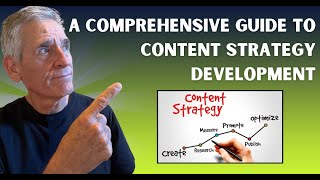
Jeff from SwingPoint Media walks through content strategy for small businesses: define your audience, audit what you have, set goals, optimize for SEO, build an editorial calendar, plan where to share it, then measure what works and adjust.
Chapters
Are you ready to take your digital presence to the next level? Whether you're a small business owner or a marketing professional, mastering your content strategy is the key to standing out in a crowded online space. Welcome to this video where we'll break down the essential steps for building a winning content strategy based on SwingPoint Media's expert guide. Let's get started. First, let's talk about what a content strategy really is. It's not just a collection of random posts or blogs. It's a blueprint that defines how your content is created, managed and distributed to achieve your goals. Step 1 Define your target audience who are they? What do they need? At swingpoint Media, we believe that understanding your audience's pain points and aspirations is the foundation for creating meaningful content. Next, conduct a content audit. Why is this so important? A content audit helps you figure out what's working, what's not, and where the gaps are. Review your existing blog posts, videos and social media content. Analyze engagement metrics like shares and views. From there, you can decide what to keep, repurpose, or remove to improve performance. Now let's move on to setting clear goals. Your content should align with measurable objectives such as increasing website traffic or generating leads. For instance, if your goal is to increase conversions, consider creating product pages or testimonials that guide potential customers toward making a decision. Speaking of customers, do you have detailed buyer Personas? Swingpoint Media emphasizes the importance of data driven Personas that outline demographics, behaviors and challenges. This helps you create personalized content that speaks directly to different segments of your audience. Of course, you can't talk about content strategy without mentioning SEO. Optimizing your content with the right keywords ensures that your audience can actually find you. Use keyword research tools to identify high performing terms and don't forget to optimize your headlines, meta descriptions, and internal links. Once your content is planned, it's time to build an editorial calendar. This keeps your publishing schedule consistent and ensures your content aligns with key events and campaigns. Whether it's blog posts, videos or infographics, a calendar helps you stay organized and ahead of the curve. But remember, it's not just about creating content. Distribution is key. Share your work across multiple platforms, leverage email marketing, and consider partnerships or paid ads to amplify your reach. Finally, always measure performance and stay agile. Track metrics like website traffic, bounce rates and social media engagement to see what's resonating with your audience and when trends shift. Don't be afraid to pivot. By following these steps, you can transform your content into a powerful asset that drives results and strengthens your brand. Ready to dive deeper? Check out SwingPoint Media for more expert tips and tools. Thanks for watching. And don't forget to like, subscribe and share for more content, strategy insights.