Leverage your content using Facebook
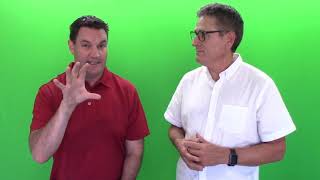
Andrew McColley and Jeff Harrison discuss why Social Media Examiner moved live shows from Facebook to YouTube. Facebook viewers don't finish videos and Google doesn't index them, while YouTube viewers actively search for answers and watch longer. They recommend repurposing content across YouTube, your website, Twitter, LinkedIn, Instagram, and Pinterest instead of relying on Facebook Live.
Chapters
Hey, welcome back to reservations. This is Andrew McColley.
Jeff Harrison.
Today is a Tuesday Newsday. We got some big news today, haven't we, Jeff?
Wow. This happened. This was a. This was a bomb that dropped. What was it, last Wednesday?
Yeah, last Wednesday.
Yeah. That was like, oh, my gosh, I can't believe it. Because they are known for content, putting out content, and specifically video editing and audio. They have both podcast and video podcast. Tell us about what happened, Andrew.
Because it was a dropper. So these, this dovetails into what we were speaking about yesterday. Actually, if you watched our show yesterday.
Wait, if you didn't watch it, go back now. Just turn it off. Go back now. If you watch it, stay here.
They can stay and watch it, then go back anyway. So there's a group that we follow very, very closely, and I've been watching them for probably nearly 10 years now, I guess, and that's called Social Media Examiner. They started out and they, they were just doing some content creation. They turned into a big, A big business. They were running. They run the large events and yeah, usually at the cutting edge of what's going on with social, you know, they run just like us. They. I think they run four live shows on Facebook a week. You know, they have, I can't remember which shows they have. They have four different. Four different style tips and tricks on one day. They have interviews, another bit like us, really. But they do a long form, so it's maybe 15, 20 minutes. These shows can be. Well, anyway, they've been big on content. They've been big on talking about Facebook and video and that sort of stuff. But yesterday, sorry, last week they dropped the bombshell and said, we are going to cut all four of our shows from Facebook. We're stopping it. We're stopping it. We're going to keep one show ticking over. We're going to put it on YouTube only, not Facebook. And that sort of flies in the face of everything they've been talking about. All their experts have been talking about. Why did they do that, Jeff?
Well, they said they likened it to putting a television on the freeway.
I like that.
Yeah, I did, too. And that's why I use it, because it was. Well, you go, Michael. I like that example. But putting a tv. Yeah, he usually watches our stuff. TV on the freeway. I'm wondering why people are not watching your stuff all the way through. He said basically their data, which again, we talked about last week, said, hey, make your decisions on data, not on a focus group of one. Just because you love to do it if it doesn't work, your data proves it out. Well, he was showing that, you know, nobody's really watching. When he says nobody. I mean, you know, it's a very small number. It's not worth his commitment.
They have hundreds of thousands, let's get this right. They have hundreds of thousands of followers. They look at the data and they say, how many people watch this show from start to finish? And the percentages were dropping off drastically. So they looked at it and said, what are we wasting our time for? Nobody essentially is watching our show. We're spending all this time and effort, we're spending money on videographers, we're spending money on sets and da da da, da, da da da. What results are we getting from it? Now that was an alarming thing to know. Now I would like to throw it out there that I agree with what they're doing and people want to say, why are we still doing it? Well, here's the reason we're still doing it is because we're using this Facebook Live as one part of our strategy. This is just one part. We're not relying on Facebook, only this show, only right now, and here to get customers. This is what we're doing. We're recording our video right now. We are using it on other parts of our platform, stuff that we can control. YouTube, for instance, our website, which we can control, we're putting on Twitter, we're putting on LinkedIn, we're putting it on Instagram, We've even got the ability to put bits and pieces of it off imagery onto Pinterest. So now what we're doing is we're repurposing our content. We like going live, we like interacting with people like you on this show, which is great, but the ability to actually extend it, to make it long form, to make it so it's not a TV on a freeway, it's a, it's a recorded episode they can take in their pocket whenever they want. Right? So that's what we're doing it for. We've got a long term vision in mind where we want people to be indexing this and watching this video down the track. We're not relying on just people right now to do it.
I kind of liken it to say, you know, we've taken this from this one rock in the pond and we turned it into a spider web so that our ideal customers would, wherever they're at, whether Twitter, LinkedIn, whatever, they're going to find us. And so what happens is, and we've seen this before, we've said the same thing. Holy cow, they're everywhere, right? And it's just because they're saying, hey, this is what is called, and you might have heard this before, their pillar content. This is where we create the product and then from there, from here, we then spread it out, as Andrew said, and it just makes a world of difference. And you know, with going back to Social Media examiner, you know, they did leave one show up, but not on Facebook, and they moved it over to YouTube because it's their, it is their long form and it's called the Journey. And if you haven't seen that, they don't. It's not something they do a lot of, but it really is a fun show. It's almost like it reminds me of like the Office, you know, hey, what's really happening? And it's kind of behind the scenes. And I gotta tell you, Michael Stelzer I think is really good on camera. And they're just the whole group there, they're just, it's worth watching. But now you have to watch on YouTube. So it kind of goes back to yesterday when we talked about, hey, what is your best platform? Maybe the idea, and I kind of, you know, I think it flies in the face of Facebook saying, hey, we're all in on video. And the idea was, hey, there's a thing called Premier that we use quite a bit that really is an ideal to premiere long form content. And so now you have somebody who, hey, we said it's a big player and he's decided to take all his content, all his game, if you will, his toys, and move it over to either stop or move it over to YouTube because you know, what's the difference, Andrew? And this is a little bit different. Just real quickly, what's the difference between YouTube traffic and Facebook traffic?
Yeah, so YouTube is owned by Google. Okay. So when you do a Google search for something, let's say that our title of this video is how to create long form content. For instance, if you do a search for that on Google and we haven't put it on YouTube, you're not going to get much results. Okay. You're not going to see this video pop up or populate inside the results. Facebook doesn't get indexed by Google like that. Right. Okay. Which means creepy words. The spiders don't crawl over Facebook and grab that data. But what they do do, you find a corner. What they do do is if you put that video on YouTube and you call it the same name when you do a search for YouTube, you're going to get results for that video. So what you're doing is you're putting it out there organically. People are going to find it. You're hoping that if people search for it on YouTube, they'll get on Google both. Either or you'll get the results for it. What you're doing with just doing it on Facebook alone is hoping that people will search for it on the Facebook search engine. And that's unlikely to happen.
I think too, you know, when you talk about what's the difference between YouTube, YouTube traffic and Facebook traffic, the YouTube people statistically are looking for something for help. And so they're already the mindset of like, I am looking for an answer and if it's a 15 minute video, it's a 12 minute video, but it gives the answer. Here's something that I don't know if you know this, but 92% of the videos on YouTube are watched in their entirety. 92%, that's huge. And the reason is, is because they're going there with the intent versus, as we said, here's that interruption on the freeway. Right, Exactly. So keep that in mind when you do that. So really, that's all I had for today.
Not specifically restaurant. Well, it's not specifically restaurant, but if you're in the restaurant, you got to understand this sort of concept. So we want to share that with you. You know, you've got a. You gotta understand this stuff to make an educated decision on what you're gonna do. So the numbers in the data Social media examiner have said, here's our data, here's our results. We are using the data to drive our business rather than, oh, we think we like this show, we like doing it. I want to stroke my ego. I want to be on TV all the time. They said the data tells us get off. Yeah.
And then jumping on it just. And then I promise I'll shut up. Okay, maybe I. Okay. So if you're a restaurant, I think still Facebook is a premium platform to you for you, because you can use it to say, here's a cool drink and all the colors and the flavors and all that kind of stuff, or hors d', oeuvre, or you got some in the kitchen. Because that can be what we'll call.
Short, short term, short term content.
Yeah. And you can catch that. And people will watch and they'll engage with you for, you know, 30, 60, 90 seconds and move on. So I think that's a good place.
Yeah. As we said, social media demo, they were 20 minutes. Plus. We're not saying for you to do 20 min. 2 minute, 3 minute, 5 minute videos. They're going to work. Long stuff. Yeah, maybe not so much. Yeah, that's it. We're out of here. I'm done.
See you.
See you tomorrow.
Whiteboard. Wednesday. Tomorrow. Make sure you're there, because we'll have. Well, we may not have a whiteboard. We'll still have a green screen, but we'll have something. Something will happen. All right, Ciao.
See you later.









