Success Stories of Women Entrepreneurs - Kate Spates - The Local Voice
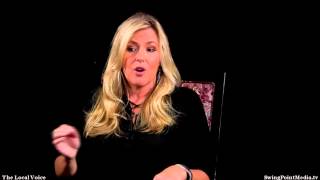
Interview (Local Voice) with entrepreneur Kate Spates. Kate describes founding and growing a web/Internet services business (scaled to ~12 employees), building a service-oriented culture that balanced flexibility and high expectations, then selling the company to a friendly competitor as her family and nonprofit priorities shifted (including children with special needs). Post-exit she has focused on nonprofit work (Coachella Valley Community Trust; program director for AMP — Academy of Musical Performance), consulting (including an "executive integration" service for newcomers), and mentoring. Practical advice emphasized: hire to cover your weaknesses, value people and culture, and know the value of your time. Favorite influences mentioned: Abraham Lincoln quote (“...not the years in your life, it's the life in your years”), the books Hope for the Flowers and Raving Fans. Contact: an About Me page forwarded from katesbates.com that includes organizations and an email form.
Chapters
Welcome to the Local Voice. I'm Jeff Harrison, your host. And this is where we interview people who are making a difference in the community, specifically entrepreneurial women who are making a difference in the community in their careers. And we have another guest today that's doing that exact same thing, Kate Spaitz. And now she is. She's changed a little bit. Haven't you, Kate?
I've changed a little bit, yeah.
You know, you've gone through. First of all, welcome.
Thank you.
You know, Kate, we like to start out, to kind of start off the process, because what we found is when people are successful, there's something in their life that almost acts like a rudder and a lot of times it's a success quote. Do you have your favorite success quote that when things are not right, you go back to.
Sure, yeah, I actually have a few. But one that's kind of resonating right now is Abraham Lincoln. He said, and in the end, it's not the years in your life, it's the life in your years. So I'm really doing a lot of living these last few years.
You know, speaking of that, you, you know, when you talk about living your life, you dedicated a tremendous amount of time to your business during that time in your entrepreneurial career. I mean, do you have any tough times or even in life, do you ever have any tough time where it was like, you know, there was a crossroad, you really weren't sure what you were going to do and if there was, what did you learn from that?
There's always a tough time no matter what you do. I think that I was pretty lucky in that the, the people that I worked with always had my back. I never really worried about that. So when something would break or something would be late on something, I was surrounded by people who cared almost as much as me. And they helped. They were there on a Sunday or on a 9 o' clock at night. When I needed them, they were there. And I think it was a give and take. I developed a culture that was more like, your time is valuable and so is mine. And don't miss your kids play or your when they get an award. I wouldn't want you to ever miss those things and then resent me, but I may have to call on you at 7:00 at night. And so it's a give and take. I want you to have a great quality of life, but as well, I'm going to ask of you. And so there was a great loyalty that came with that, but it is a culture Shift. And I think that I've talked with a lot of entrepreneurs lately. It's a thing working with millennials especially. They really, quality of life means more than money, and having freedom to be in control of their schedule is very, very important. I mean, it's important to me. So I think that that's why it was easy for me to adapt to that. But so anyway, I would have their loyalty, and they would have my back whenever anything went awry. It was never just all on me.
How do you attract those kind of people, like, in the interviewing process? How do you find that person to even come through your doors that realizes, hey, you know what? Gonna have to act like this as a startup, and this is. This is my life here. But I. But she's also gonna give that flexibility to see my family. How did you attract those kind of people, Kate? What did you do differently, you think?
You know, maybe because I did get out and talk a lot, and people would come up after and say, you know, I'd like to work with you, or, you know, I would get resumes when I didn't even have an open position. And a lot of times, that's how my business grew, actually. If. If a person came to me. And honestly, it didn't matter to me. When I started in the Internet industry, it was, like, in its infancy. And so I was in it for 17 years, and there weren't a whole lot of people that had gobs and gobs of experience. And so I had to hire based on a really good attitude and a willingness to learn and be flexible and be a problem solver. Like, that was huge to me. So in my interview with them, I would kind of challenge them with some problem, kind of, how would you solve this problem? And to see their technique or their ability to be flexible and think on their feet made me like, okay, I don't even have a job available for you, but, like, I feel like I should hire you because you're going to make my life easier. And then I can, in turn, go out and get more clients. And so I ended up getting up to 12 people, and that was way outside of my comfort zone. But we grew, and I made it a conscious decision that I wanted to go big. And looking back, I wish that I think my ego might have been in there a little bit. I wish that I would have stayed within my eight people was really my max as far as making money and being able to sleep at night when you have that many mouths to feed and that many people counting on you. I mean, I can't Even imagine having 400 employees or something. So that was just outside of my comfort zone. But, you know, and natural progression to people left that didn't cut it or that didn't fit in the culture. You know, it's a work culture. You spend a lot of time at work. And so if you don't believe in what your boss believes in or your leader, you're never gonna make it. You have to. You have to feel that same feeling. And I was very service driven, and I think that's from my years in the hotel industry. But. And I think that that's what made me successful in the Internet space, because a lot of times, you know, computer nerds, us computer nerds, like to make the client feel like they really need us, and so they talk in jar and talk as if you really wouldn't understand. Whereas I was like, you could totally do this if you spent some time, if you like this. I can teach you how to edit your own website if you wanted to, but if you don't want to, and that's not the best use of your time, we're here for you. We're your concierge service kind of thing. And so I think that that's what kind of in the early days, that's what set us apart from others.
Now you built your own company, up to 12 people, and then you went another way. You actually joined with another company or bought another company. How'd that work?
I sol my company to a friendly competitor, and that worked out great, actually, because he really solved my problems. And, you know, when you start a company and you're 28.
You don't really think about how is this going to end. And along the way, I had kids and some kids with special needs, and my priorities shifted and I really needed to focus more on them rather than, you know, growing this thing to be a juggernaut. Although I was driven, I really struggled with that daily. And I've always been pulled in the nonprofit world. That's where my heart is. And so.
It ended up being a great way for me to exit out of that industry and, you know, sell my clients and my team and my culture. And we were a good match for each other because he really wanted that service driven culture in his culture. And now, you know, things change and, you know, it's hard for adapting, and people leave and clients leave, and it's. It's a strange thing when a company is bought or sold. And so it's very hard for me to. It was hard for me to let go. And I'm still in touch with several clients. They still call me and ask for advice. And I love that. I mean, they, you know, I cared about their business enough that I wanted to promote it for them. So.
So now you're. Now you. So you built a company, you sold it, and now you've walked away from that or you moved away from that. Tell us what you're doing now. What's really fulfilling your days now.
I spend a lot of time on all the nonprofit groups that I've been involved with, especially ones that had programs that were really trying to get off the ground. One specifically is the Coachella Valley Community Trust. I was on the board for a couple of years and recently stepped down off the board so that I could become the program director for our biggest program, amp. And that is Academy of Musical Performance. And it's a summer camp for kids that are young musicians. And last year was our first year, and it is spectacular. I absolutely. I mean, it changed me. And I saw these kids just transform. So that kind of lights me up. I get excited about that. And then I'm doing some fun consulting projects. And the thing I like about consulting is that it's. It's still my time. I can do it when I want to. I sometimes like to work at midnight, you know, or three o' clock in the morning or whenever something strikes me. And that way I can be flexible with my kids. But being a consultant to my clients is like, they get me on their team and it's. I've got to do some really fun things. And some things that were like, yeah, I could do that, you know, of course. Marketing, yeah, I did that all the time. But I really like out of the box thinking. And one of my clients had me help her, and we called it executive integration. And I think that this happens in the desert quite a bit. People move here, or companies pay for somebody to transfer out here, and then they kind of don't get integrated into our society, into our culture, into our organizations, and they don't find a group of friends that are nurturing. And so they bail after a year, they give it a go, and then they say, the desert's just not for me. And whereas I've been in the desert for 35 years, I think it's fantastic. I love to travel, but I always come home like, this will be my home forever. And so I know people that are in their 20s, into their 70s and 80s. And so when she approached me and said that's her biggest challenge is losing People, really good people. After she's trained them and spent a lot of time and money, to lose them is heartbreaking. And so I said, how about if I kind of become their friend and introduce them and help them find an apartment, help them drive them all over town and introduce them to different groups of people. It's even fun when I think I made a little love connection. I think that's one of the most rewarding things in business that I always have, is that being that connector when I can find somebody a roommate, find somebody a job, you know, connect somebody. I get so much gratitude and so much excitement out of that part. So this whole executive integration thing is kind of fun, and I've only done it for the one client, but there's been other people that are like, I would totally hire you for that. Like, who doesn't want to hang out with Kate Spades? I'm like, all right, that sounds fun.
Well, you know, there's a common thread there, Kate, and that's that. That whole thing about relationships, you talked about it when you. How to attract the right. The right employee, build that culture, that relationship culture, and then you're doing exactly the same thing now through the. You know, with amp and also through these consulting things. You know, if you. If you had to give a piece of advice, someone just starting out, what exactly would it be? And it didn't have to be necessarily a consultant, but in their business, you know, there's one of these young millennials just starting out in the world, what would be one thing and say, hey, this is something you want to be aware of. And caution maybe a pitfall to look forward, look out for.
For me, it was finding out my own weaknesses and filling my team up with people that make those weaknesses whole. So I never felt like. I mean, with my team, I was as strong as I could be by myself. I could only do so much because I knew I had these weaknesses, whether they were technical or whether they were hot buttons that made me, you know, ticked off and. Or lose my patience.
So I would surround myself, and I would tell them to, you know, check yourself, see, you know, what am I so rockstar at? And I need to focus on just doing that rather than doing everything. I'm really glad that I taught myself how to code. I'm really glad I taught myself how to edit and create design and all of that. But that was never my talent. And so I could do it, and I got by. I actually even won some awards. But at the end of the day, knowing what I do Best and hiring the people to do what I could do, but knowing also how much, how long it takes is helpful. And I could. I could empathize with them when. When they were given 10 things at once, I'm like, look, I know this is gonna make your day long today, you know, but tomorrow you can take off early or whatever. I would have a greater understanding of what they go through in their job. But I was, at the end of the day, so glad that I was just doing the thing that I was really good at. So by surrounding myself with people that can really fill in the gaps where I was weak was probably my greatest success.
How difficult, Kate, was that to be honest yourself in the mirror and say, hey, you know what? I can do all these things, but they're probably not my best strengths. How can I, you know, how were you able to really have that honest moment? Because we all. We all hate to think, hey, you know, I really can't do that. Well, yes, I can, but it takes me 14 hours. It takes you 30 minutes, right? How did you do that?
Probably the first time I hired somebody that was, like, 10 times as talented as I was, I was like, oh, my gosh, we are gonna rock it so much if all they do is do what. What took me, like you said, so much longer, and I can sell. And so it was easier for me to go, I'm not that good, and I don't have a huge ego about myself. I know what I'm good at. I know what I'm not good at. And, you know, maybe that's being older. I don't know. But just, you know, my parents, my trusted advisors, have always said to me, you know, you're really, really good at this, and you should be in this vein. I'm like, are you trying to tell me I'm not good? And it's like, really be honest with yourself and just go, yeah, you can slap that together and make it work, or hire the professionals. And, you know, I used to. That was kind of my pitch a long time ago. I'd say, you know, especially after people learned how to do their own websites, I would say, sure, you could do your own website, but is that the best use of your time? Like, I could do my own taxes, but that's not the best use of my time. And so you hire professionals to do the things that would take you so much longer to do. And I still maintain that I can't stand cleaning. I will always hire somebody to clean. And there's nothing better than coming home to A clean house, and it, like, resets me and it makes me happy. But if I have to spend a weekend when I'd rather be swimming and, you know, playing around with the kids, like cleaning. No. So it's. It that is money well spent to me. If I think about, like, what's my time worth? And I think that's a hard proposition, too, is to really say, like, what are you worth by the hour, by the day, whatever. What is your time worth? But I think everybody should kind of have that gauge, because sometimes you spend, you know, you spend all your day picking up the pennies on the floor as the dollars are flying out the door. And I don't want to make that mistake anymore. Like I said, I want to live and I want to enjoy. And I'm thankful that I work hard so that I can enjoy the spoils of hiring people to do the stuff that I don't want to do or that I'm not good at.
Just before I let you go, I want to know, typically, anyone we talk to has some kind of a reference or a resource in a book or saying or poem that they go back to. Do you have a resource that you go back to? A favorite book?
I have a couple. You know, I have a book that my dad gave me, like, in 1970, something. I'm dating myself. It was before I was born.
And it's called Hope for the Flowers. And it's a really simple book, but inside he wrote to me, I hope you keep this book for a long time, and each time you read it, it'll have different meanings. And it's so true. I mean, I've picked up so many different vibes from it based on what I'm going through at the time. And I've actually given that out to several people in business. I would say that. And that actually rang true to me in business, too, ironically enough, it's about caterpillars turning into butterflies, but everyone is a caterpillar at some time, and then they turn into a butterfly when they feel like they've arrived. So it did. It did. And they climb up stacks and stuff, and where are they going? You know? So it does ring true in business. But also, a book called Raving Fans was something that I really enjoyed, and I feel like my clients were Raving fans. And actually, even my team, I felt like I. We had created these Raving fans within my team, and then that attracted the kind of clients that I always wanted to work with. So I think that that book was probably a pivotal book. In my business life, Kate, do you.
Think that the culture of social media and everything we do online has it had a positive or negative effect if somebody says, hey, you know, I'm just going to build my entire following on Facebook or LinkedIn, and they never really have that true connection, I really met.
Kate type of thing.
You know, it's interesting, when Facebook first started, I was like accepting everyone. Yeah. You know, you could be a client, who knows? And then you get a few creepers here and there that say things here and you're like, oh. And, you know, I was not quick to unfriend because I didn't want to hurt anybody's feelings. I still am not. I'd rather hide somebody or block them or put them in a group that they don't get to see everything that I post.
And I think I've been a lot more selective about who I let in in my inner circle. And so, yeah, I have a bunch of friend requests pending. Sorry for anyone. But I kind of have a rule now and I learned it from a good friend that unless I have a face to face with somebody, I really don't want to let them in yet. And so there's been times where I've let somebody in because we have 300 friends in common or something. I'm like, surely I've met them. And our name sounds familiar. I bet I've met them. And then I get to know them and I'm like, oh, I like them even before I've actually had a conversation with them. So it kind of can go both ways. And I haven't had a negative experience as far as, like, hate goes or anything. But I've certainly seen that, especially in our political climate right now. It's like everybody's got a lot of really big opinions and everybody's very fearful about what's gonna happen with the election. And I get that. I have fears too, but I don't think Facebook is the platform for that or Twitter or any of those things. I think it's more for entertainment and sharing and like, you know, if you go on a fabulous trip. Yeah. Post a few pictures so people are like, oh, my gosh, I've never saw that place before. I want to go there. But, you know, sometimes it could be you're sitting there going, ugh, another picture from the fabulous life of somebody. You know, and so sometimes it's kind of a turn off. I can see. But I also think that I've never felt more close to people because when they do share something like they're going through cancer or something. It's like, oh, wow, we need to rally, you know? Yeah, let's. Let's do this. What do you need? I'll bring you dinner. I'll do whatever. Take you here or there. So I think it can go both ways. It can be a place for.
Really intense connections, and then it can be a place for, like, gosh, this sucks. I friended somebody, and then, like, we had one conversation, and then I thought, oh, I'm gonna go check out this person, what they're all about. And I went back, and I'm like, it says we're not friends. I was like, oh, my God. Friended me. And so I was like, wow, I wonder what's behind that. But it bummed me out. And I'm like, this is why I will never unfriend somebody, because it's. It does. Like, it's like, oh, I'm not wanted, and nobody wants to feel that way. So that part I really don't like about. About Facebook or any of the socials, you know, And I don't like when people are mean and say, you know, that they, you know, they're too good for this or that. I don't like that. Like, we're all human, like, so.
Well, before I let you go, tell us now if someone were looking for you to help them with consulting. Not necessarily marketing, but marketing is okay.
Yeah, right. I don't close the door on you.
And also your. As far as your charitable organizations, how would someone get in touch with you and want to know more about you and what you're doing?
I actually, it's funny, I set up an About Me page years ago, and I thought, well, this is kind of a good place for me to put my bio and some pictures and my social links and stuff. And then I bought katesbates.com and I just forwarded over there, and there's no, like, direct email link to it, but you can email me through the site. And so, yeah, if you went to Kate, it would pull up my About Me page, which is kind of a neat thing. I haven't looked at in a while, but I have all my organizations that I'm involved with listed on there and bios and stuff, but it's not like, got a catalog of pictures or anything, you know, I think, you know, when somebody. Facebook friends request me and then follows it up with a message of why they've contacted me, whether it's. I had a conversation with somebody that I know personally, and they said that we could connect on this and this, then I'll like, oh, yeah, of course. And I'll accept. I think that that's also an avenue to reach me or anybody. I have it. My profile is pretty locked down, but you can, you know, friend request me.
Well, that's another great takeaway that you said. There is, you know, you send a request, but then you follow it up.
With a private message.
Hey, this is why.
Yeah, right.
Yeah, that probably doesn't happen a lot in the Facebook world.
Yeah, well, and like I said, I don't think Facebook is a great place for business necessarily. LinkedIn and I do get private messages through Linked. A lot of times it's just spam and stuff, so I don't check it all that often. But if you want to connect on a personal level, Facebook is good, I think. And then LinkedIn is good for professional. And then if you know the About Me page, it links, it sends me an email. That's great.
Well, Kate, thank you so much for sharing and thank you for joining us at the Local Voice. I'm Jeff Harrison, where we interview people who are making a difference and contributing back to their society here in the Coachella Valley. Thank you so much. I'm Jeff Harris, and we'll see you again next time.









