Viability Val breaks down how colleges make and spend money: tuition, endowments, and housing fund instruction, administration, and facilities. Small schools are most vulnerable because tuition drops hit hard, forcing them to drain endowments and cut programs.
Chapters
I'm Viability Val, here to give you a behind-the-scenes look at how colleges really work, from a financial point of view. This is the first video in my series, Owl Eyes on College Finances. Let's start with how colleges make money. Most colleges rely on 3 key sources. Tuition and fees. This is usually the biggest revenue stream, especially for small and mid-sized private colleges. Endowment draws. Most colleges have savings accounts that generate income each year. Think about it like your bank account earning interest. Auxiliary services. Things like housing, dining, and athletics bring in additional money. Now let's look at how colleges spend that money.
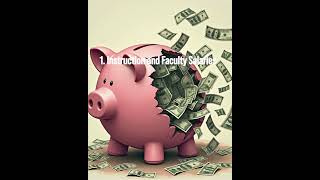
The 3 biggest expense areas are instruction and faculty salaries.
Teaching students is central, but it's also expensive.
Administrative and staff costs: Colleges have to run offices, departments, and student services.
Facilities and maintenance: From dorms and classrooms to labs and landscaping, campus upkeep adds up. Here's where things get tricky. At many smaller institutions, tuition revenue makes up the majority of their budget, so when enrollment drops even a little, it hits hard. That missing tuition money means the college has less to work with, and fewer students in seats often means fewer dollars to keep programs running.
To stay afloat, some colleges pull more money from their endowment, which might seem like a short-term solution, but over time, it weakens the college's long-term stability.
And when money gets tight, cuts usually follow.
That can mean fewer programs, fewer professors, and fewer student services—all things that directly affect your college experience.
Understanding how colleges operate financially helps you make smarter decisions, so you can choose a school that's not just a good fit, but one that's financially built to support you all the way to graduation. Stick with me, and I'll help you spot the signs and protect your investment.