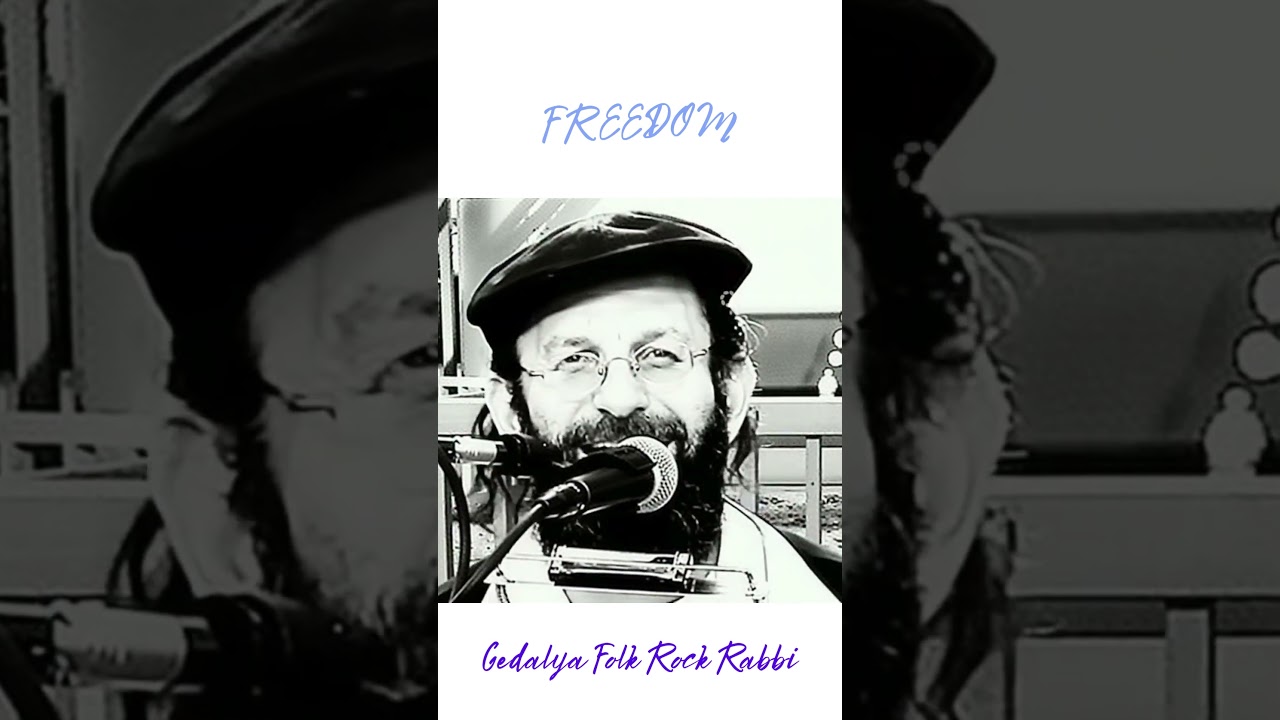
In this spoken‑word piece, Gedalya Folk Rock Rabbi explores the human impulse to quickly hide or delete uncomfortable moments, mistakes, and failures. He argues that erasing the evidence of a problem does not eliminate its underlying cause or the person’s tendency to repeat it. Instead, true growth requires staying with the discomfort, asking probing questions about the origin of the pattern, and allowing the experience to teach before it is released. The monologue contrasts the superficial act of “fixing” with the deeper work of understanding, emphasizing that courage often looks like lingering in pain rather than displaying overt strength. By confronting rather than discarding, the speaker suggests we can break cycles of repeated mistakes and let the lesson transform us before it leaves our lives.
Chapters
There's a part of us that always wants to clean things up fast, make it look better, make it disappear, make it like it never happened. We don't like evidence, not of failure, not of mistakes, not of the parts of us that didn't show up the way we wish they did. So we rush to fix, to hide, and to move on. But moving on is not the same as growing. And removing something is not the same as understanding it. Because you can throw away what you stole and still be a person who steals. You can bury a moment and still be shaped by it. You can silence the symptom and never touch the source. We've learned how to erase things. Delete the message, clear the history, close the chapter. But life doesn't work like that, not really. Because what's underneath doesn't disappear just because it's no longer visible. Sometimes the hardest thing is not fixing the problem, it's facing it long enough to actually understand it. To ask, what brought me here? What was I missing? What was I avoiding? What needs to change in me so this doesn't repeat itself in a different form? Because if we rush past that part, we don't heal, we recycle. Same patterns, different situations. Same mistakes, new names. There's a kind of courage that doesn't look like strength. It looks like staying. Staying with the discomfort. Staying with the truth. Staying long enough for something real to shift inside. Not everything in your life needs to be immediately erased. Some things need to be understood before they're released. So the next time you feel that urge to just get rid of it, not everything that shows is there to shame you. Some things are there to teach you. And if you let it, it won't just It'll just leave your life. It'll change you before it goes.