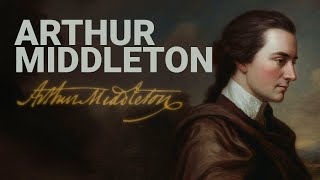
Arthur Middleton, born to wealth in 1742, was educated at Cambridge and trained as a lawyer before returning to South Carolina to oppose British rule. He signed the Declaration of Independence in 1776, was captured and imprisoned in St. Augustine for a year after the British took Charleston, then helped rebuild the state after the war.
Questions this video answers
1742
Cambridge and Middle Temple
The Declaration (1776)
St. Augustine — one year
Thomas Heywood and his brother-in-law Edward Rutledge
Chapters
I am Arthur Middleton, son of South Carolina, sign of the Declaration. Prisoner of war, and as Dr. Benjamin Rush once described me, a man of cynical temper but upright intentions toward his country. I was born into privilege in 1742, sent to England at 12 and polished through the ranks of Cambridge and Middle Temple. I returned home sharper than I left, with little patience for tyrants or traitors. When Parliament cracked down, I bucked harder. I caught for tar and feathering, confiscated Loyalist lands, did my part to draft South Carolina's first constitution. When my father fell ill, I took his seat in the Continental Congress, and in 76, I signed my name to the Declaration, knowing full well the price, and I paid it. The British won the battle of Charleston and took me captive alongside Thomas Heywood and my brother in law, Edward Rutledge. I spent a year imprisoned in St. Augustine. I emerged thinner, grimmer, and more certain than ever. Freedom was worth the iron. After the war, I rebuilt what they burned, helped lead the state legislature, served as trustee of the College of Charleston. So, no, I haven't the friendliest face for freedom, but I was one of its fiercest defenders. And in revolutions, there's always a place for temper if it's aimed true.








