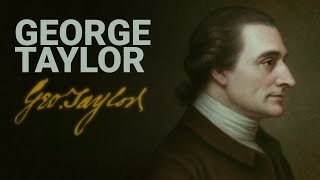
George Taylor arrived in Pennsylvania as an indentured servant in 1736 and became an ironmaster and Patriot. He leased Durham Furnace in 1774, supplied iron ordnance for the Revolutionary War, and signed the Declaration of Independence on August 2, 1776, before dying in February 1781.
Questions this video answers
1736
20 years old
Ann Taylor Savage
Durham Furnace
1775–1778
Chapters
I am George Taylor, Irish by birth, servant by circumstance, and American by choice. I crossed the Atlantic in 1736 with little more than the clothes on my back. I came to Pennsylvania as an indentured servant, 20 years old, no wealth, no title, just iron dust on my hands and hope in my heart. They started me shoveling coal at Coventry Forge, but I could read, write and keep accounts, so they moved me to the clerk's desk. Within a few years, I ran Warwick Furnace and married the ironmaster's widow, Ann Taylor Savage, and became ironmaster myself. When war came, I forged grapeshot, bar shot cannonballs, iron that cracked redcoats and crowned liberty. The Durham Furnace, which I leased again in 1774, thundered for the Patriot Course. From 1775 to 1778, fireworks armed Washington's men. Politics found me late, but I made my mark. I served as a justice of the peace, as a member of the Pennsylvania assembly, and as a colonel in the militia. In July 1776, when others refused to sign the declaration, they called five of us to take their place. On August 2nd, I signed my name for independence. I also helped draft instructions to the Pennsylvania delegation that initially opposed breaking with Britain. But as the mother country tightened its grip, I turn liberty later on, my finances, like my health, declined. I died in February 1781, not rich, but remembered. I forged more than iron in those years. I helped forge a nation. I came here a servant. I died a citizen.








