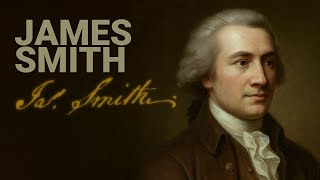
James Smith, Irish-born signer of the Declaration of Independence, recounts his path from immigrating to Pennsylvania in 1727 through his education under Reverend Francis Allison to signing on August 2, 1776. He organized a militia in York, served in the Continental Congress, and later became a judge and brigadier general of the Pennsylvania militia.
Chapters
I am James Smith, Irish born but American at heart. I immigrated to Pennsylvania with my family in 1727, settling in Chester County. There I received a classical education under Reverend Francis Allison at the Philadelphia Academy. I later studied law under my brother George in Lancaster and was admitted to the Pennsylv in 1745. As tensions with Britain escalated, I became an active voice for colonial rights. In 1774, I authored the Essay on the Constitutional Power of Great Britain over the Colonies in America, advocating for a boycott of British goods and the formation of a Continental Congress. That same year, I organized a volunteer militia and company in York, serving as its captain. Elected to the Continental Congress in July 1776, I arrived in time to sign the Declaration of independence on August 2nd. Afterward, I returned to York with a printed broadside of the Declaration, reading it publicly in the town square. Following my congressional service, I held various public offices, including a term in the Pennsylvania State Assembly, a judgeship on the state's High Court of Appeals, and was chosen as brigadier General of the Pennsylvania militia in 1781. I continued practicing law in York until my retirement in 1800. Tragically, shortly before my death in 1806, a fire destroyed many of my personal papers, contributing to my relative obscurity. Today, though, my contributions may be less remembered. I stood firmly for liberty and played my part in forging a no nation.