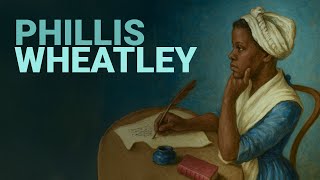
Phillis Wheatley was kidnapped from Africa at seven, enslaved in Boston, and taught herself classical literature. She published a book of poetry in 1773, the first African woman to do so, corresponded with Revolutionary leaders, and died in 1784 before turning 32.
Questions this video answers
Seven
Over 100 poems (many now lost)
1773
1778
Died in 1784, not yet 32
Chapters
I was born in Africa, torn from my people and sold into bondage at seven. The ship that bore me was called Phyllis, so they gave me its name. I was frail, sickly, and sold in Boston for a pittance. But God in his mystery, gave me the gift of language, and with it I made a world. I was enslaved and educated in the household of prominent Boston commercialist John Wheatley. The Wheatley family taught me to read. Within 16 months, I devoured the Bible, Milton, Virgil, and Pope. While still enslaved, I began to write verse, elegies, odes and sacred songs. I wrote in every human breast. God has implanted a principle which we call love of freedom. It is impatient of oppression and pants for deliverance. I published over 100 poems in my lifetime, though many are now lost. In 1773, I became the first African woman to publish a book of poetry. I praised liberty, celebrated Columbia's cause, and sent verses to General Washington himself. In 1778, I married John Peters. A free black man with fine ambitions was crushed by a world that offered him no purchase. Debts landed him in prison. I was left alone, sick and poor. I died in 1784, not yet 32, still writing, still believing I was born enslaved. But I claimed my place with a pen. If freedom was the song of the revolution, I added my voice soft, insistent and unforgotten.








