A dramatized historical narrative (YouTube transcript) recounting the Continental Army’s winter at Valley Forge: severe shortages, internal political challenges to George Washington’s command, the arrival of Baron von Steuben who taught standardized drill, contributions from Lafayette and Nathaniel Greene, and the army’s transformation and departure by mid-June. The piece is voiced through first-person reflections (Martha Washington) and dramatized dialogue.
Questions this video answers
20 miles out on high ground above the Schuylkill.
About the 1st of February.
March (Congress appointed him in March).
6 May.
By mid June.
Chapters
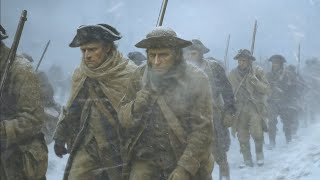
The winter bit to the bone. The army reached Valley Forge with more courage than coats, more hunger than bread. George rode the lines, counted what was missing. Food, cloth, medicine and spirit. The army encamped at Valley Forge to watch British held Philadelphia and shield the interior. 20 miles out on high ground above the Schuylkill. The position commanded key fords and roads with timber and water. Near here, they could winter, refit and drill to standardize discipline. In those first days, George warned Congress that without a great change, the army would start, dissolve or disperse. So Valley Forge had to do more than keep men alive. It had to rebuild the army, refit ragged companies, put every regiment under one system of drill and turn a patchwork of units into a disciplined force that could stand. As one January bled the army by the book. Men whose time was up folded their coats and went. We have to go now. Kill the light. Then came the quiet leaving. By spring, desertion ran hottest. The lines thinned even as the need grew. I came about the 1st of February. If I could not feed a regiment, I could stitch one sleeve. The women mended, visited the sick, kept small observances, reminding the men they still belonged to a household called country. During the winter, some officers and members of Congress exchanged letters attacking George's leadership. General Thomas Conway and his allies argued he should be replaced. A faction in Congress and beyond thought to replace him while the men starved. That was the second enemy, the one within. The general did more than endure. He took action, pressing Congress and the states so the cause would not die. For want of supplies, he backed Nathaniel Greene, the quartermaster general. Congress appointed him in March, and soon wagons returned to the roads bringing enough supplies for the men to train properly. Then came Baron von Steuben.
I'm here to train soldiers. Let me know when any get here.
Brisk and blunt. A providence in a blue coat. He carved order from misery. You march like women to market. Surprising how quickly they fell in line for a foreigner. He took an army of mismatched companies, each drilling its own way, and turned it into a unified force that could form line, wheel, fire volleys on command and close with bayonet. But he wasn't the only foreigner who helped. In the months to come, we also had a young French marquis, Lafayette. Eager and brave, the Board of War dangled right commands, even schemes far from camp to pull him from the general's side. He chose fidelity. In a winter of shortages, loyalty was the rarest supply. General Conway and his allies set ink against him, hoping to remove George from his command and replace him with General Gates. But for the men round the fires, the test was simple. Who suffered the harsh winter? With them, the Conway cabal melted with the snow. George's command did not. You could see the change. Even with fewer in the ranks, the lines held better.
Make ready. Big aim. Fire.
Steuben's drills stitched what the winter had torn. A British noose drew tight near our camp. Lafayette slipped it clean pass the defy in the rear march, his men moving with the steadiness we had prayed for. That was not luck, I heard returning to the lines. It was practice made courage. On 6 May, the musket spoke for France of foodezois ran the length of the grand parade, volley, answering volley, like a river of sound. For the first time that season, cheer rode farther than smoke. We were still thin, still grieving, but no longer the same. The suffering had tested our vow. Reform steadied our hand. Discipline gave it purpose. By mid June, the huts stood empty behind us. Wagons creaked, ranks stepped off. The army that marched from Valley Forge was not the army that entered it. Fewer, yes, but firmer. They tried to take his command with paper. Hunger and cold tried to take it with silence. He answered with supply and discipline and a thousand boots striking as one. I came to keep George standing. I watched the General Titination howl.