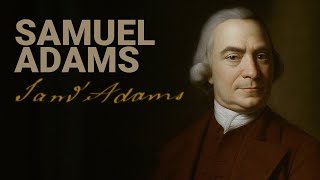
Samuel Adams recounts organizing the Sons of Liberty against British taxes and troops, confronting Governor Hutchinson after the Boston Massacre, and escaping with John Hancock on April 18, 1775 before Lexington and Concord. He signed the Declaration on August 2, 1776 and later served as Massachusetts governor.
Questions this video answers
Boston.
April 18, 1775.
August 2, 1776.
Chapters
I have been called the father of the American Revolution. I am Samuel Adams. I was born in Boston, baptized in the Puritan faith, and raised to believe that liberty is a gift from God, not a favor from kings. Though my second cousin John Adams and I shared a cause for independence, our paths were very much our own. He was analytical and eloquent. I was boisterous and took action. Politics was my calling. Resistance, my craft. I helped organize. The Sons of Liberty, pushed back against the Stamp act, the Sugar act, the soldiers quartered in our homes. After the Boston Massacre, I stood before Governor Hutchinson and demanded British troops be removed from our city. He consented. What choice did he have? The British offered to bribe me. I refused. If ye love wealth better than liberty, crouch down and lick the hands which feed you. Next came threats. On April 18, 1775, the British marched to seize us in Lexington. Paul Revere and other patriots rode through the night with warning. Hancock and I escaped into the darkness just before British troops arrived at dawn. By morning, the first shots of war had been fired. After Lexington and Concord, General Gage offered a royal pardon to all rebels except John Hancock and me. In Congress, I pushed for independence before most dared to whisper it. I even wrote, is not America already independent? Why then not declare it? I signed that declaration on August 2, 1776. I also signed the Articles of Confederation, helped write the Massachusetts Constitution, served as governor of our Commonwealth. Thomas Jefferson said I was truly a great man, wise in council and immovable in my purposes. I pray it so. They called me radical, a firebrand, a troublemaker. Perhaps I was. Or for the cause of liberty.