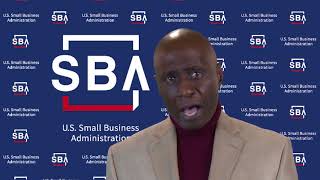
A short instructional video/transcript by Eugene Cornelius (Deputy Associate Administrator, Office of International Trade, U.S. SBA) describing the purpose and components of a traditional business plan. The speaker outlines why a plan matters for lenders/investors and summarizes common sections (Executive Summary; Company Description; Market Analysis; Organization & Management; Service/Product Line; Marketing; Funding Request; Financial Projections), advising adaptability to the business’s needs.
Chapters
Hello, I'm Eugene Cornelius, Deputy Associate Administrator for the Office of International trade at the U.S. small Business Administration. I'm here to detail the workings of a business plan. A business plan tells you where your business is in its life cycle and where your business is going. It tells your bank, lenders and investors just how financially and economically feasible your operations are and most importantly, it outlines how you plan to pay back any loans, obligations and return on investments. A traditional business plan has nine parts. You may prefer a traditional business plan format if you are a very detail oriented person or want a comprehensive plan or plan to request financing from traditional sources. When you write your business plan, you don't have to stick to the exact business outline. Instead, use the sections that makes the most sense for your business and your needs. In section one, Executive Summary, briefly tell the reader about your company and why.
It will be successful.
Include your mission statement, your product and service, and basic information about your leadership team, employees and location. Include financial information and a high level growth plan if you plan to ask for financing. In section 2 company description use this section to detail information about your company. Remember, details are key. Explain the problem your business solves.
Be precise.
List out customers, organization businesses your company plans to serve. Explain the competitive advantage that will make your business a success. Are there experts on your team? Have you found the right location? Here's where you boast about the strengths of your company. In section three, Market Analysis, you will need a good understanding of your industry outlook and target market. Competitive research shows you what other businesses are doing and their strength. Look for trends and analysis. How do they succeed? What makes them successful? Can you do it better? These are things you want to outline. In the Organization and Management section, you want to tell the readers about your structure. Who will run your operation? Is it a legal corporation? These are things that are key and vital to the explanation of how you plan to establish your entity. Show how each person's unique experience will contribute to the success of your venture. In Section five, Service and Product Line, describe what you want to sell and the service you have to offer. Explain the benefit to your customer and.
The product life cycle and what it looks like.
Point out things like copyrights or intellectual property. In section six, Marketing Irony there's no.
Single way to approach this strategy. Your strategy should evolve and change to.
Fit the unique needs and goals of this section.
Describe how you plan to attract and retain customers.
How you plan to scale your business. Make sure to be thorough. Describe the complete marketing and sales strategy because you will refer to it later when you're Making Financial projections in section.
7 funding request if you're asking for funding, this is where you outline your funding requirements. Your goal here is to be clear.
And to explain how much funding you.
Will need over the next five years.
And what that funding will be used.
For in section 8 financial projections. You want to simplify your request for funding? Your goal is to convince the readers that your business is stable and will be a success. If your business is already established, here's where you include Income statements, balance sheets, cash flow statements for the last three to five years. If you have other collateral, you could put them here against the loan and make sure you list them. This is a great place to use graphs and charts to tell your financial story. Finally, Section 9, the Appendix. Use the Appendix to provide supporting documents and other materials that were especially requested or common. These include credit history, resume, product pictures, letters of reference, licensing permits, and any legal documents that you may provide. For details on any of these nine outlined sections I've just mentioned, please refer to the SBA's Small Business Resource Guide. And remember, here at SBA we have counselors and trainers available to assist you in every step of the way at little to no cost. Simply go to www.sba.gov and locate your local district office for assistance. We wish you well in your success.