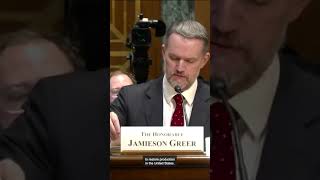
U.S. Trade Rep Jamieson Greer says Trump declared a national emergency over the trade deficit and imposed tariffs to achieve reciprocity and reshore manufacturing jobs. Greer calls it the biggest trade-policy shift since China joined the WTO, linking the deficit to the "China shock."
Chapters
Last Wednesday, President Trump declared a national emergency in response to the large and persistent trade deficit that has built up in recent years. This deficit is driven in part by non reciprocal tariffs, trading barriers and other economic policies pursued by our foreign trading partners. The situation is urgent. President Trump imposed tariffs to address this emergency and these measures are aimed squarely at achieving reciprocity and reducing our massive trade deficit to reshore production in the United States. This national emergency declaration and tariff action is the most significant change in US Trade policy since we allowed China to join the World Trade Organization. The American working class in particular has suffered concentrated losses from the so called China shock and other adverse effects of past trade policy and the conditions that give rise to this massive trade deficit. Our large and persistent trade deficit has been over 30 years in the making and it will not be resolved overnight. But all of this is in the right direction, particularly as we start to negotiate with these countries. We must move away from an economy that's based solely on government spending and the financial sector and we must become an economy based on producing real goods and services that provide jobs for working class and middle class Americans in their communities. This adjustment may be challenging at times, and in a moment of drastic overdue change, I'm confident, I'm certain that the American people can rise to the challenges they've done before.